When the Power Drops, What Your Alpharetta Opener Actually Does
Alpharetta homes built 1951-2007 run openers that fail differently in a power cut. Here's what the housing stock and cold-moderate climate mean for your door.
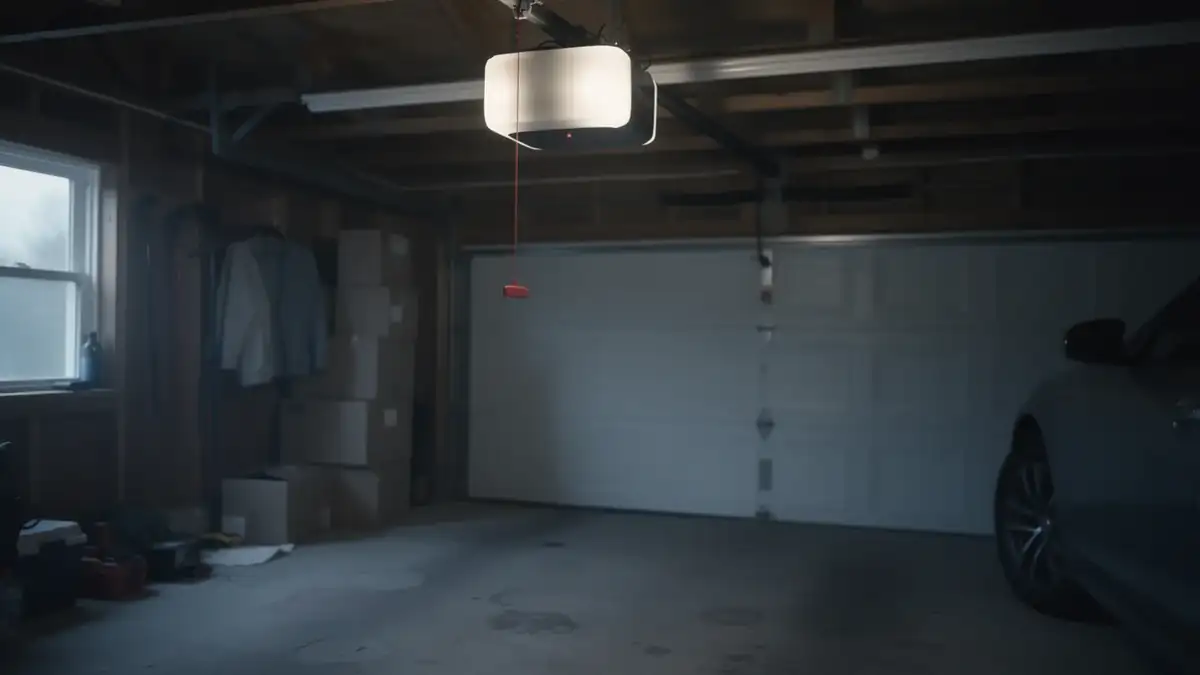
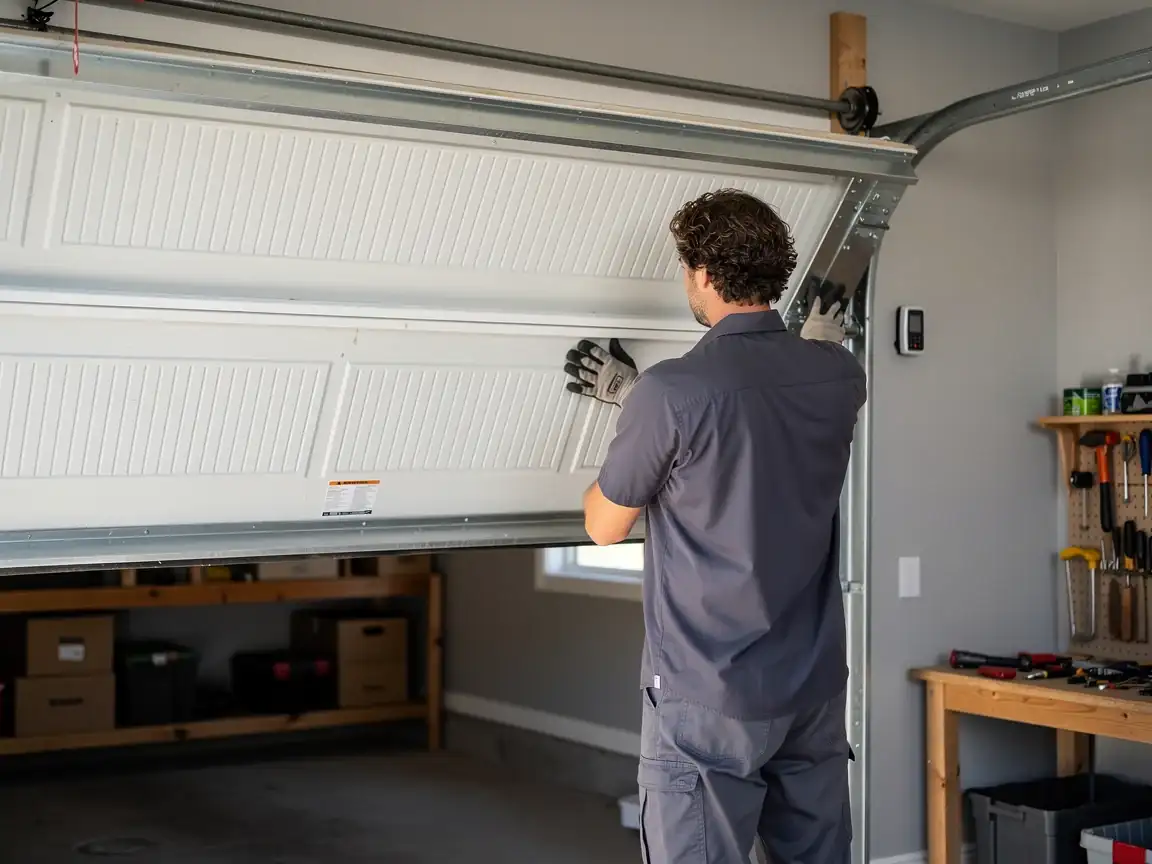
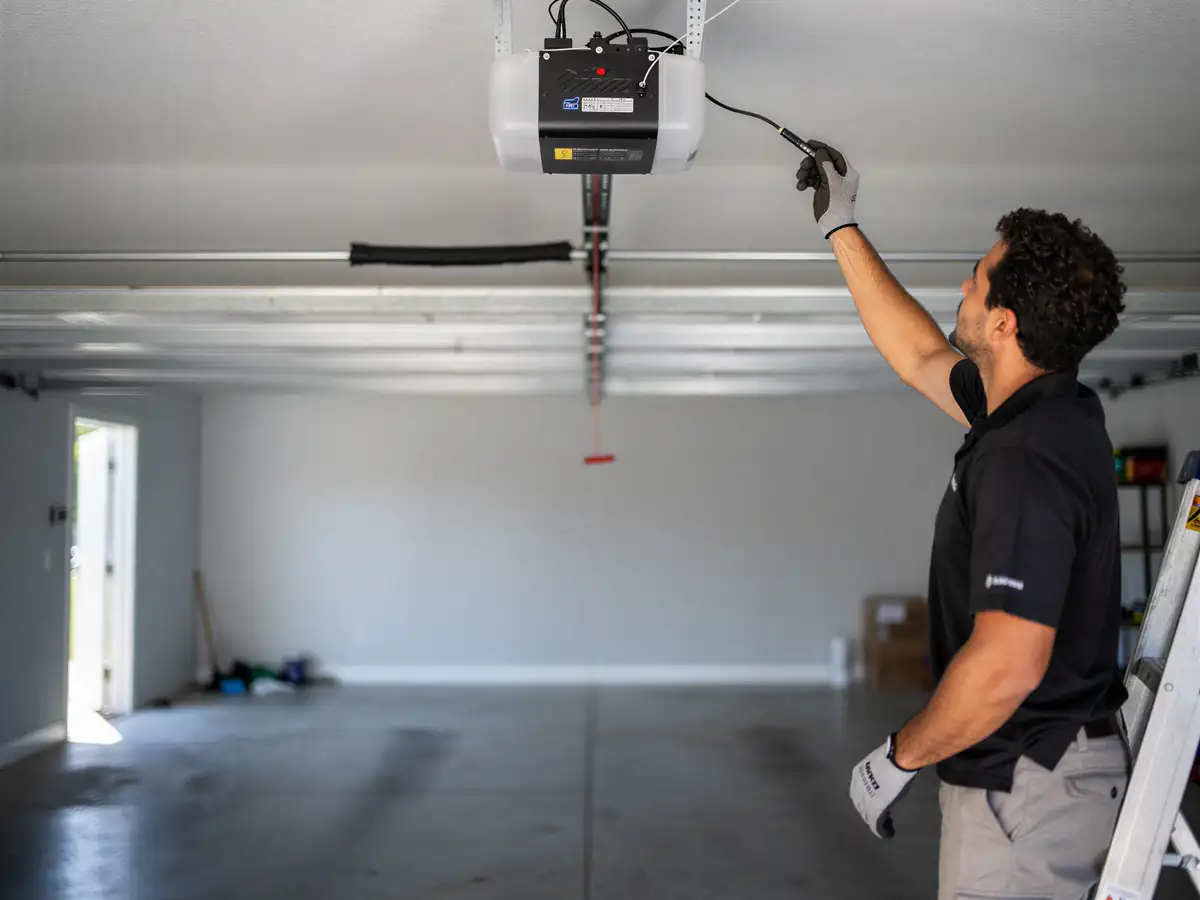
Most garage door openers around here don't fail because the motor dies. They fail because the power did, and the owner never checked whether the unit has a working manual release or a battery backup. Alpharetta's housing stock runs from 1951 up through 2007, with the median build year sitting around 1984 across the 19 named areas in this part of the service territory. That means a huge range of openers in active use: chain-drive units from the 80s and 90s still bolted to the same ceiling bracket, next to newer belt-drive models in houses finished in the 2000s. When the power cuts, an older chain-drive opener with no backup battery just stops dead, door wherever it happened to be. A homeowner who's never pulled the red release cord finds out at the worst moment that they don't know where it is or how it works. With 36,048 owner-occupied houses across this area, that's a lot of garages where the opener is older than the roof, and nobody's looked at the release mechanism since it was installed.
What Changes With the Season
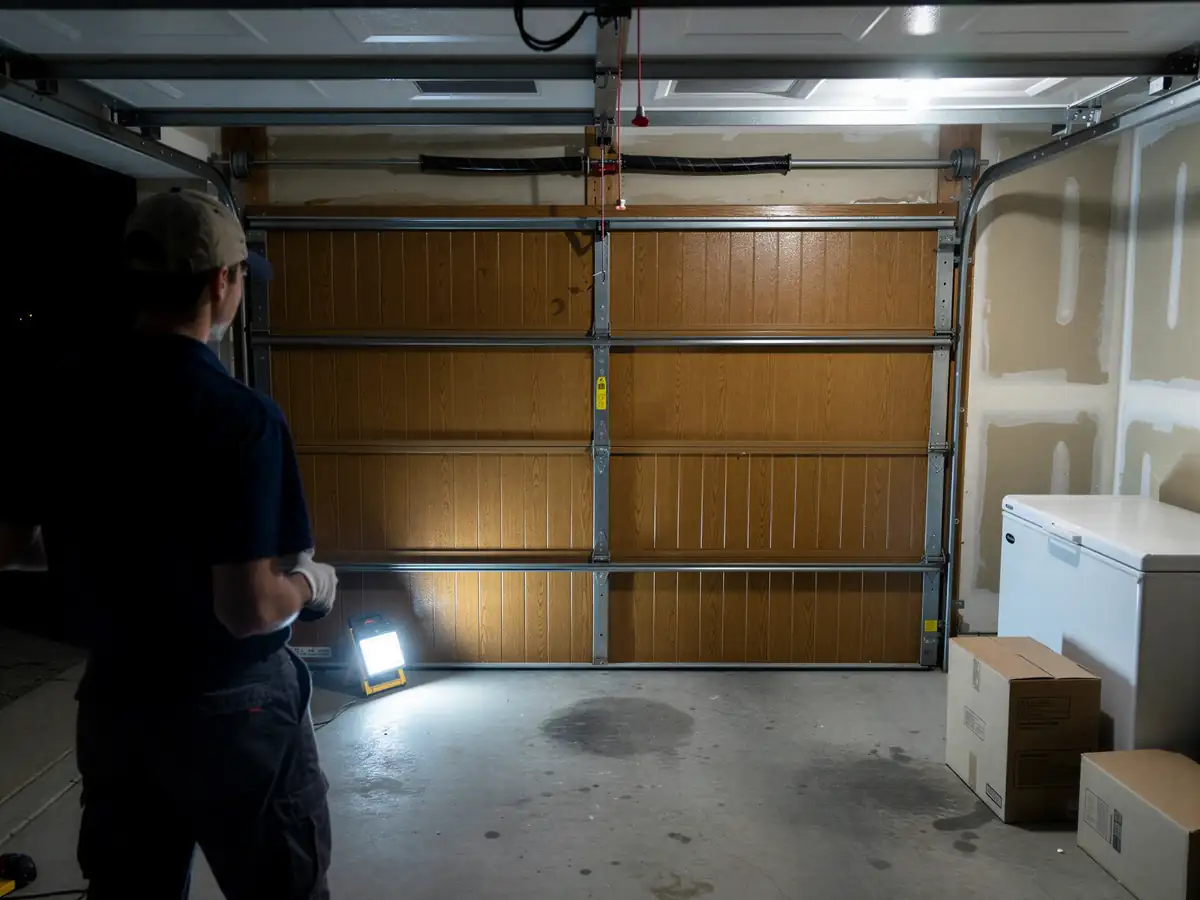
A power cut in July behaves differently than one in January, and not because of the obvious reason. In a cold-moderate climate band like this one, winter outages tend to come with ice and wind load, which means the door itself is harder to lift by hand right when the opener quits on you - springs are stiffer in the cold, and a door that's been sitting shut all night in freezing air doesn't move the way it does in May. Summer outages are usually shorter, tied to storms, but they hit right when the garage is being used the most: cars in and out, kids, deliveries. Houses built in the 1980s and 90s, which make up most of the stock here, were wired for a single opener circuit with no expectation that anyone would need backup power on it. That's a design choice from decades ago showing up as an inconvenience now.
What the Weather Here Does to It
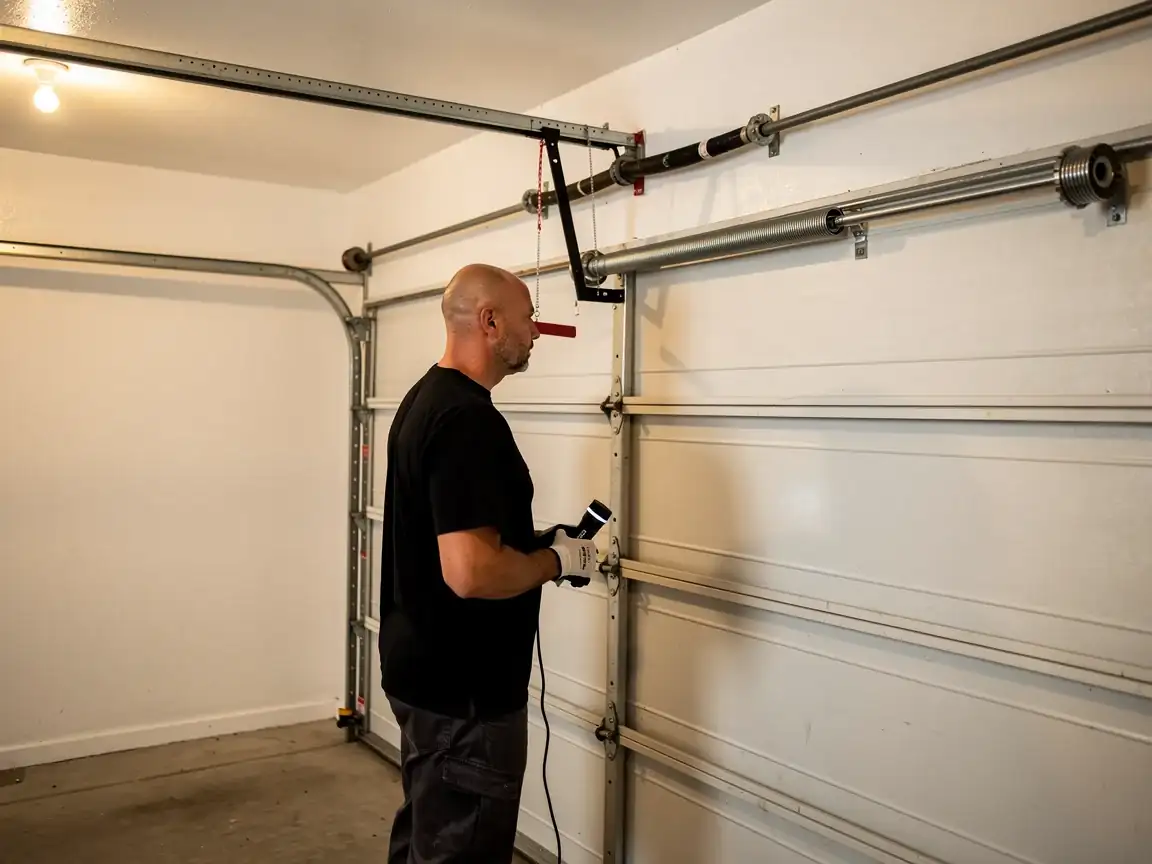
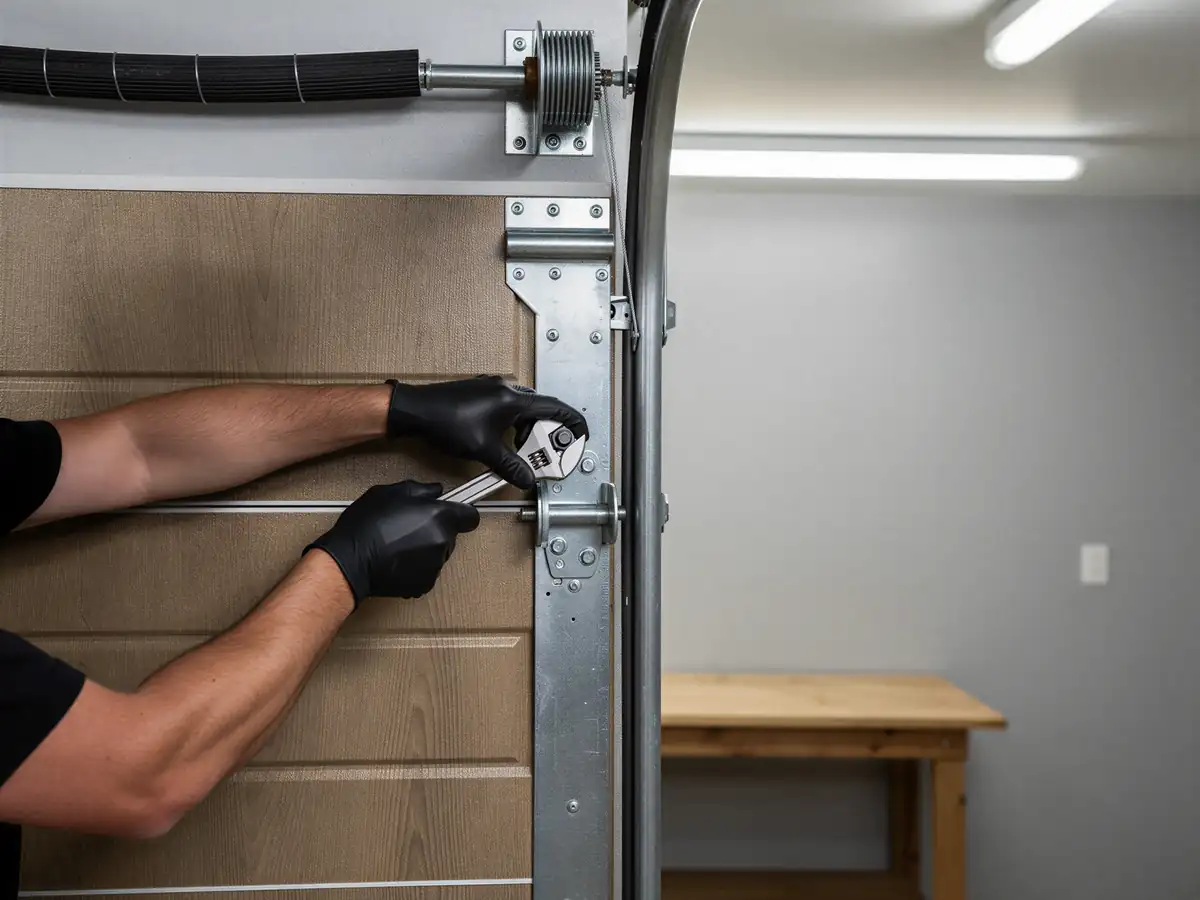
The cold-moderate band this area sits in doesn't produce the extreme swings that wreck steel overnight, but it's enough to stiffen torsion springs and thicken grease in track rollers during the coldest stretches of winter. Combine that with a power cut and you get a door that's heavier to lift by hand than it would be on a mild October afternoon, right when the opener that would normally do the lifting for you is dead. On the older end of the housing range - anything built before the 90s retrofit wave - you're more likely to find original hardware that wasn't designed with today's heavier insulated doors in mind, which makes manual lifting during an outage even tougher on worn rollers and tracks.
When to Get Help
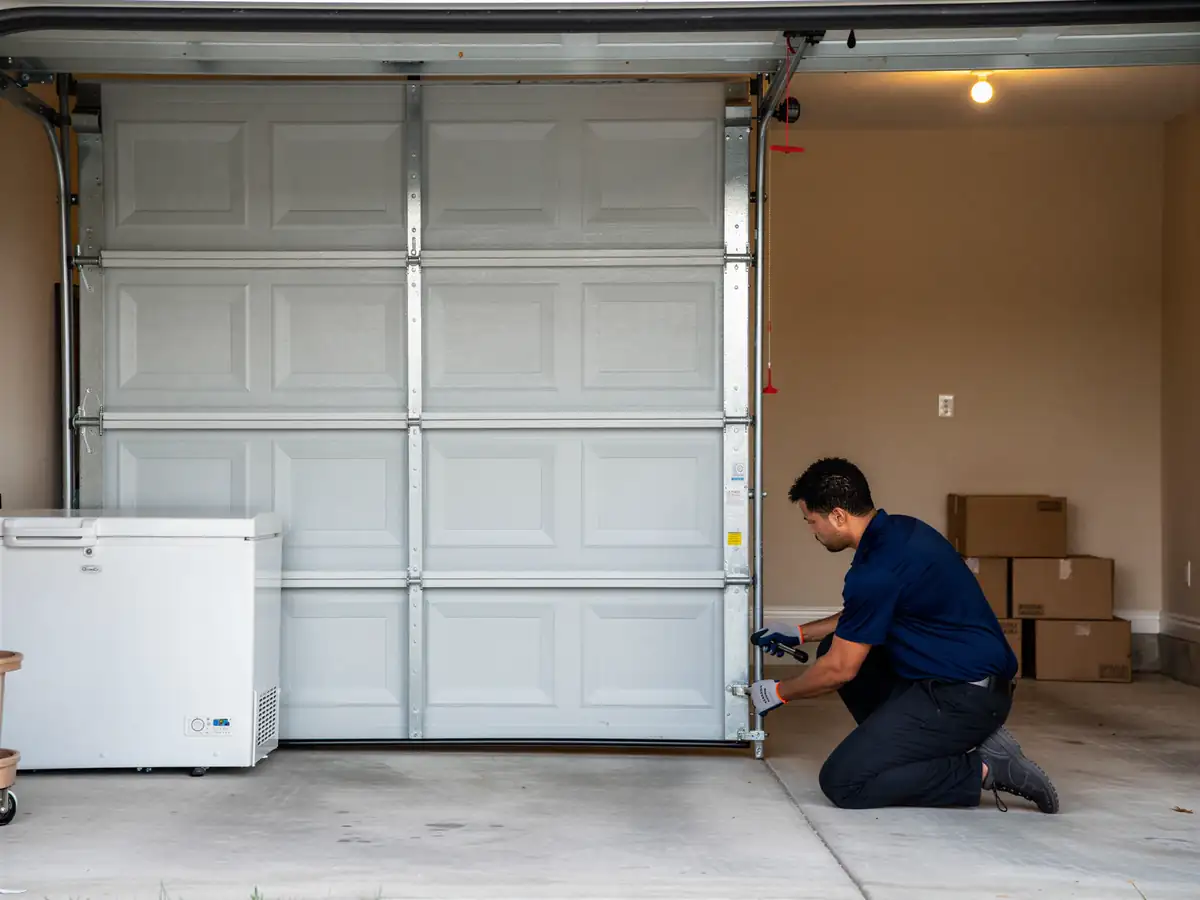
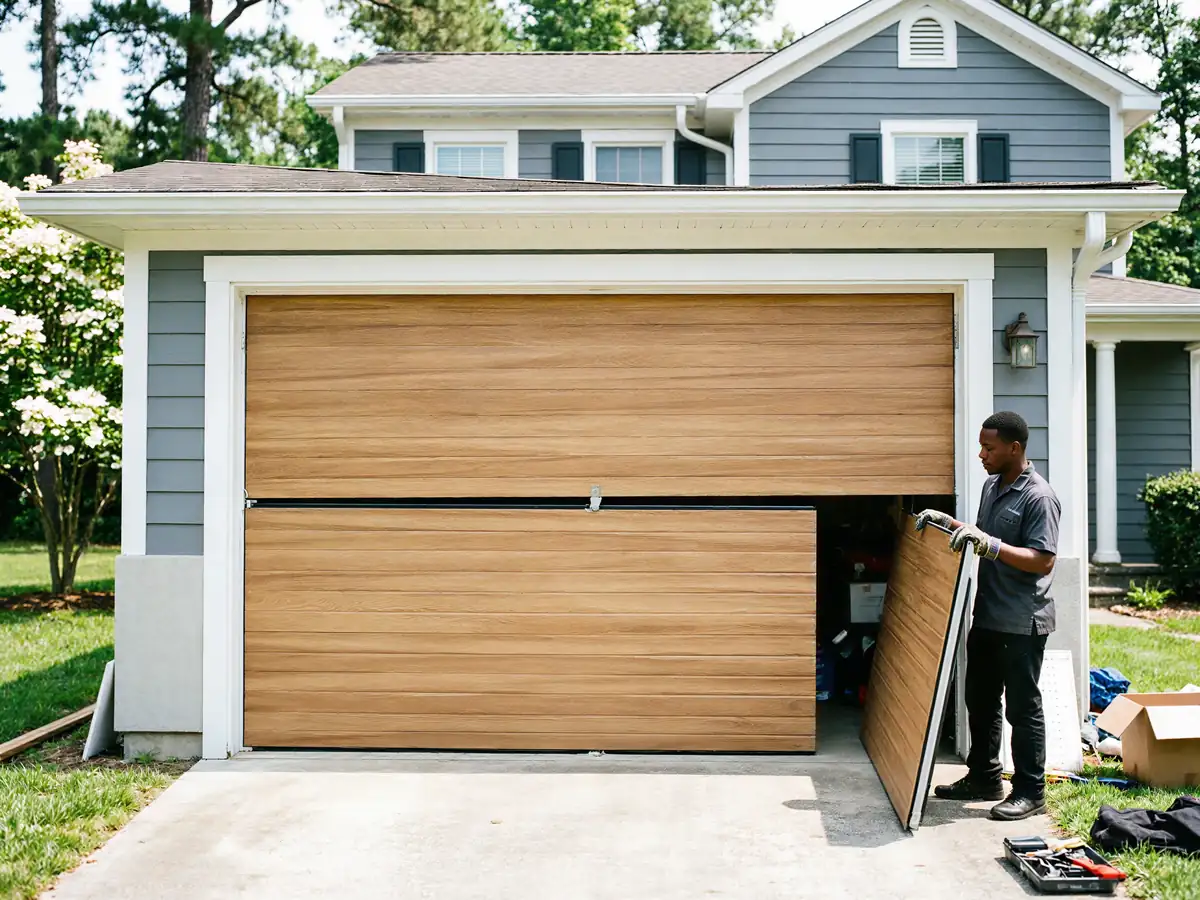
If you've never tested the manual release on your opener, do it once on a calm day, not during a storm. If the door won't budge by hand even after you've pulled the release, that's not a power problem, that's a spring or track problem, and it needs someone to look at it before you force it. We don't carry every backup battery model for every opener brand on the truck, so if you want one added to an older chain-drive unit, expect a call ahead to confirm we have the right part before we show up. That's the honest limit - better to say it now than show up and not have it.
How it works
From “it’s stuck” to “it’s fixed”
01
Tell us what’s wrong
Describe the symptom - won’t open, loud bang, opener runs but the door won’t move.
02
On-site diagnosis
A technician tests the door under power and by hand and finds what actually failed.
03
Clear, up-front plan
You get the fix that’s needed and what drives the cost - before any work starts.
04
Repaired & tested
The repair is done, the door is set true and tested, and the work area left clean.
Next step
Not sure which repair your door needs in Alpharetta, GA? Describe what it’s doing - every job starts with a diagnosis.
Why does my garage door feel impossible to lift by hand when the power goes out in winter?
Cold stiffens torsion springs and thickens grease in the rollers, so a door that lifts easily in warm weather can feel twice as heavy in a winter outage. If it won't move at all, that's usually a spring issue layered on top of the cold, not just the power being out.
Does my opener have a battery backup already?
Many openers installed in Alpharetta houses built before the 2000s don't, since battery backup wasn't standard on older chain-drive units. Check for a small battery compartment on the opener housing; if there isn't one, your door will stop wherever it is during an outage until the power returns.
Where is the manual release cord and how do I use it?
It's the red-handled cord hanging from a lever near the opener's trolley arm. Pull straight down and the door disengages from the opener so you can lift it by hand. Test it on a normal day so you're not learning it for the first time during a storm.
Ready to get your garage door sorted?
Tell us what it’s doing and where you are in Alpharetta - we’ll take it from there.