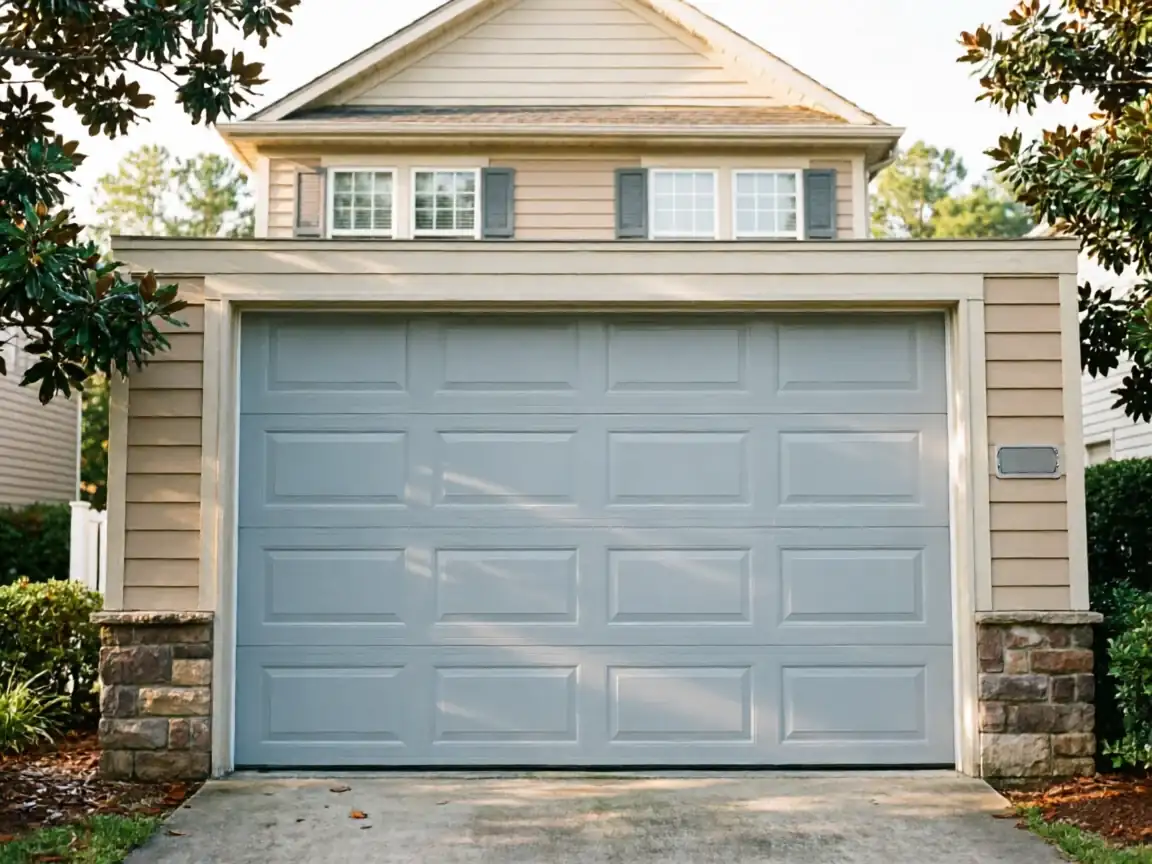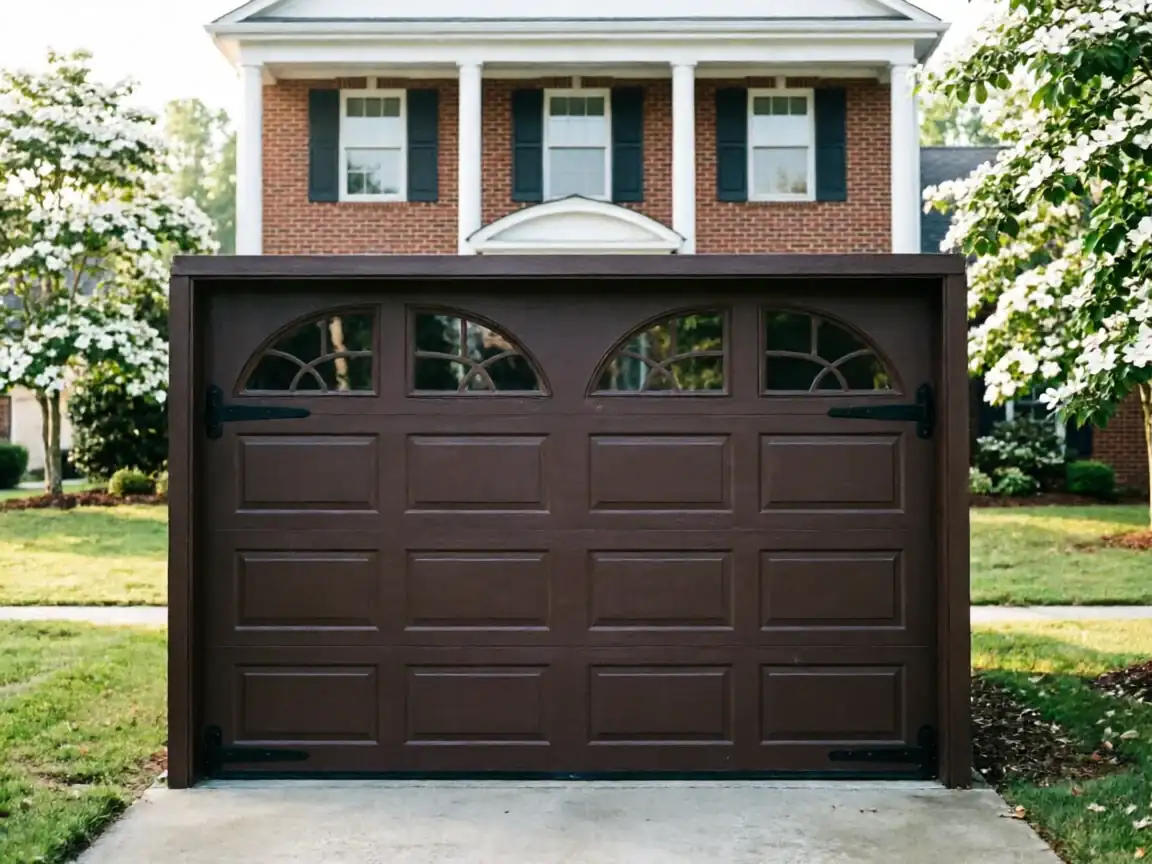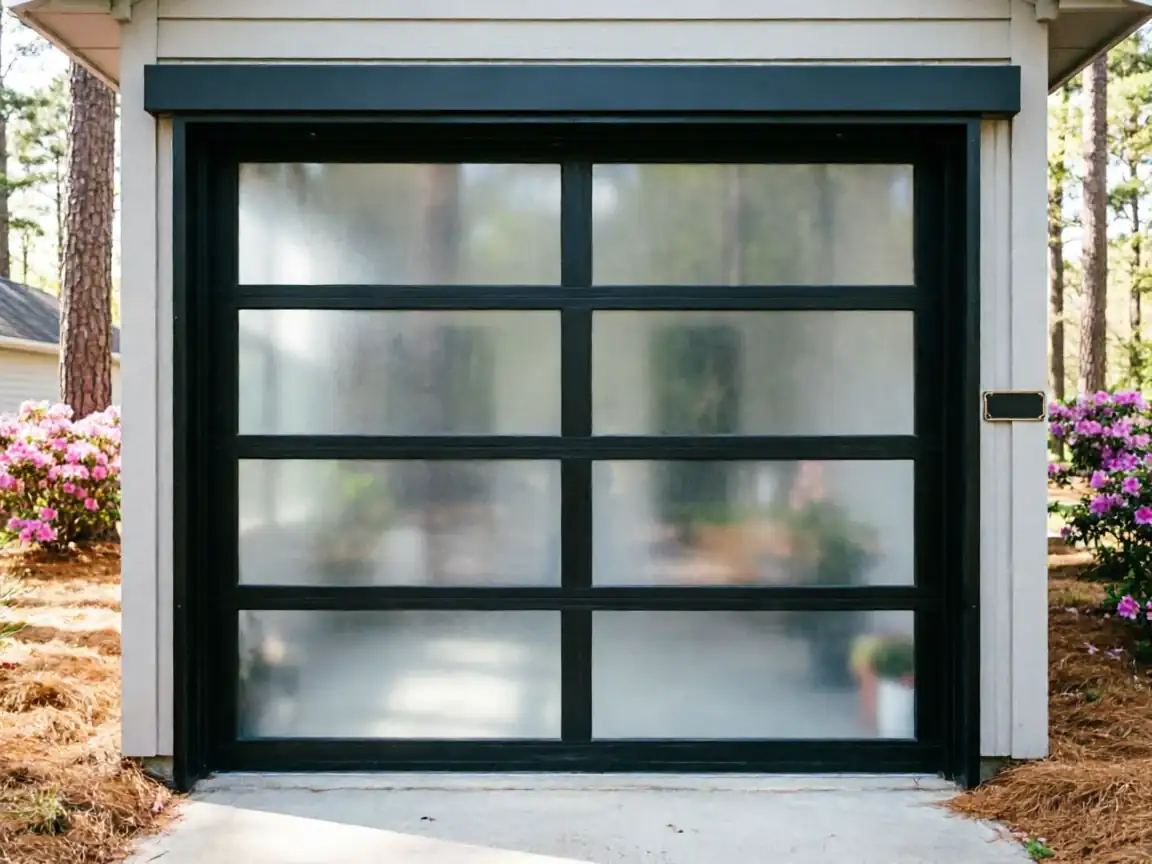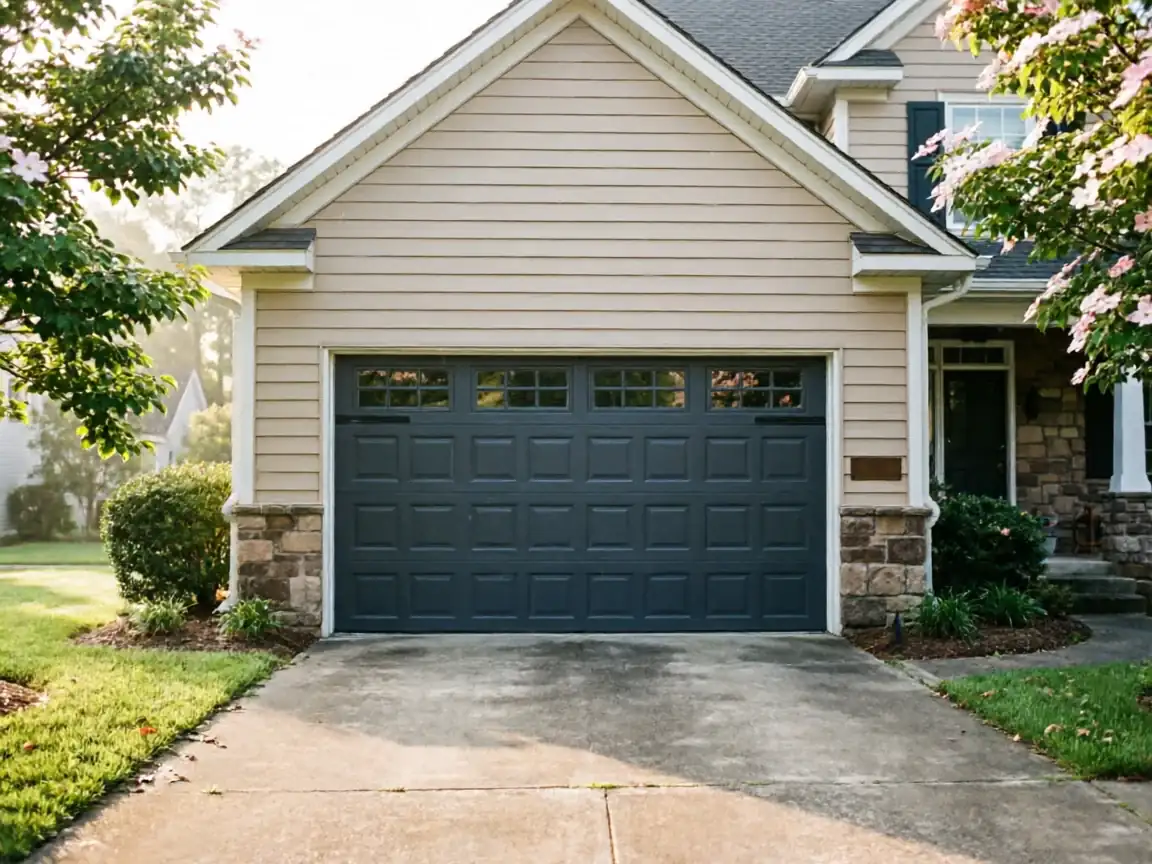
What Causes It Around Here
Alpharetta's housing stock runs from 1951 up to 2007
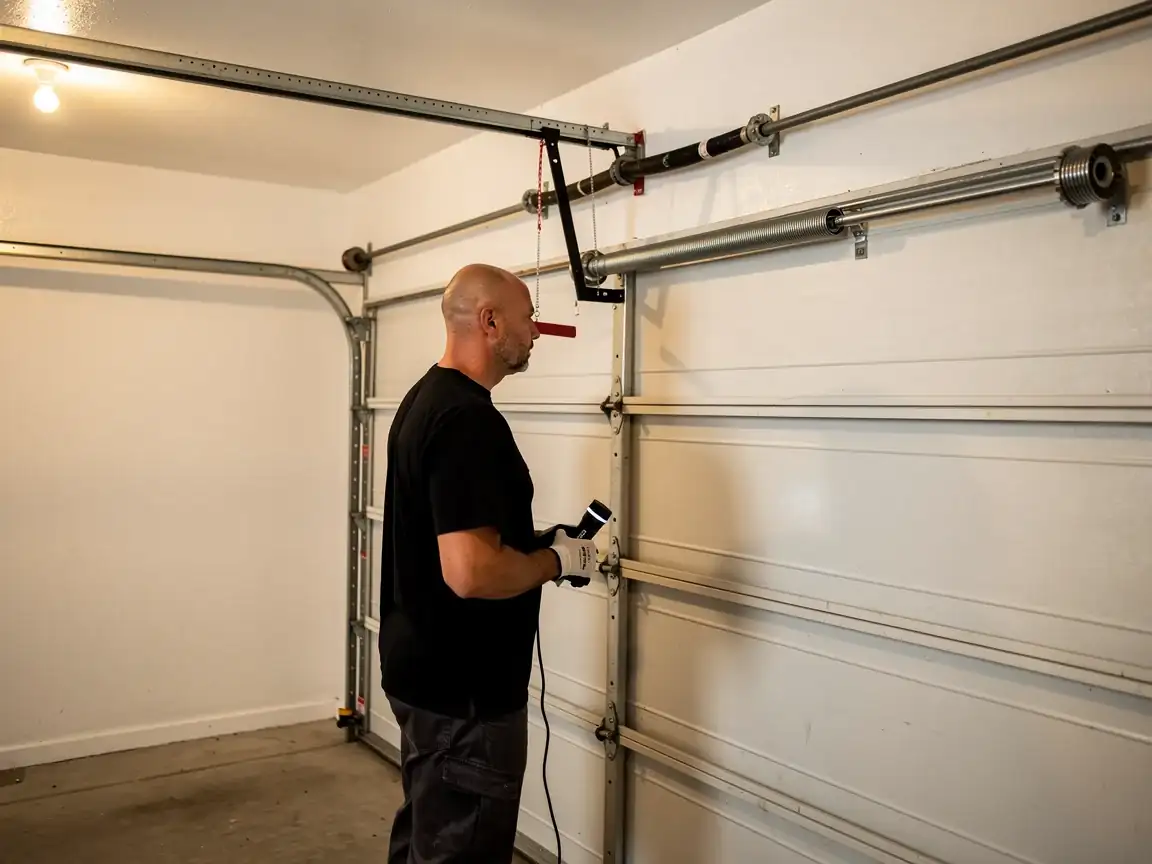
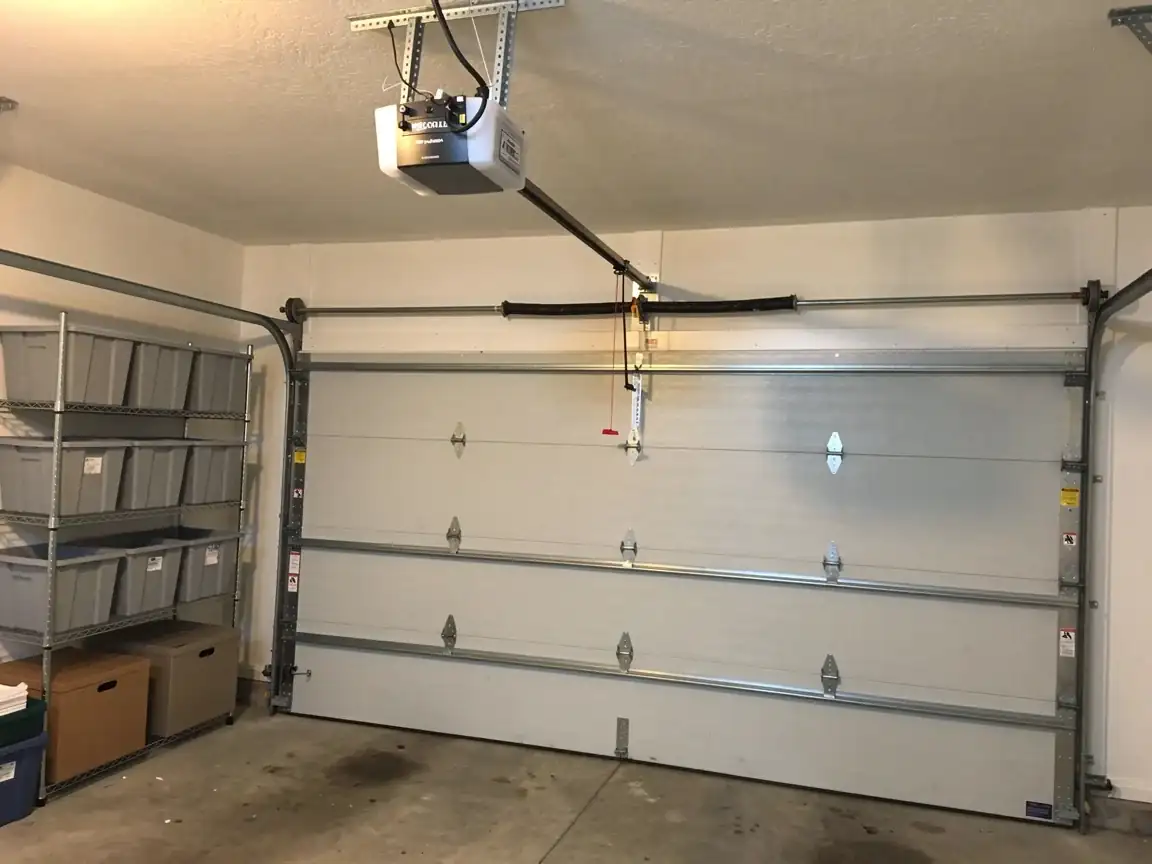
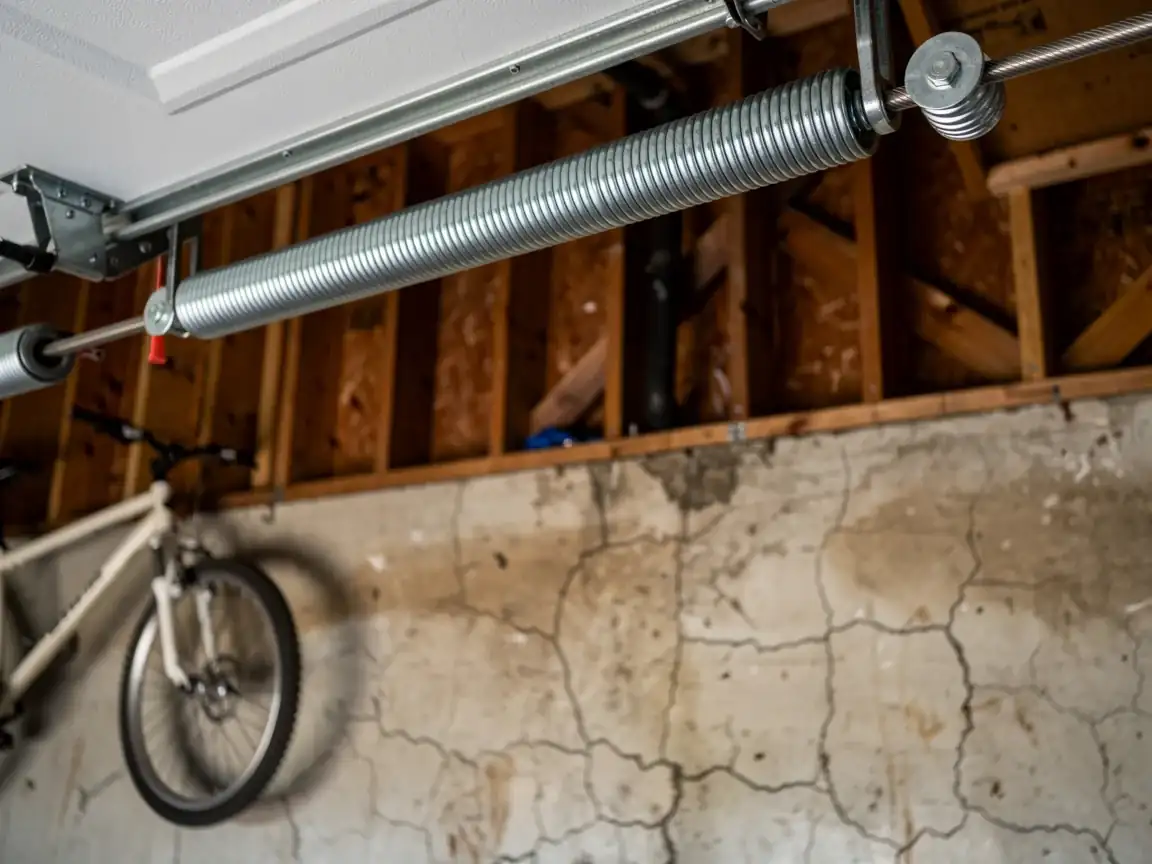
With the median build year landing around 1984, and most of what we see on calls falls inside that 1980s-to-90s wave across the 19 named areas we work. That matters because builders in that era mostly used the same torsion spring setup - one spring sized for the door's weight, rated for a set number of open-close cycles, and never touched again until it snaps.
Add in the climate
This region sits in a cold-moderate band, which doesn't sound dramatic next to a true freeze state, but the swing between a cold snap and a warm afternoon is exactly what makes steel springs lose temper and nylon rollers go brittle. A spring that's already near the end of its rated cycles doesn't need much of a push on a cold morning.
The pattern holds whether you're close in or out toward Peachtree Corners, Berkeley Lake, or Mountain Park, all roughly 8 miles out
Those areas share the same build era, so the same fatigue shows up on those calls too. It's less about any one house and more about a whole generation of garages built to the same spec, aging out at the same time.
- 8 miles
Parts We Carry
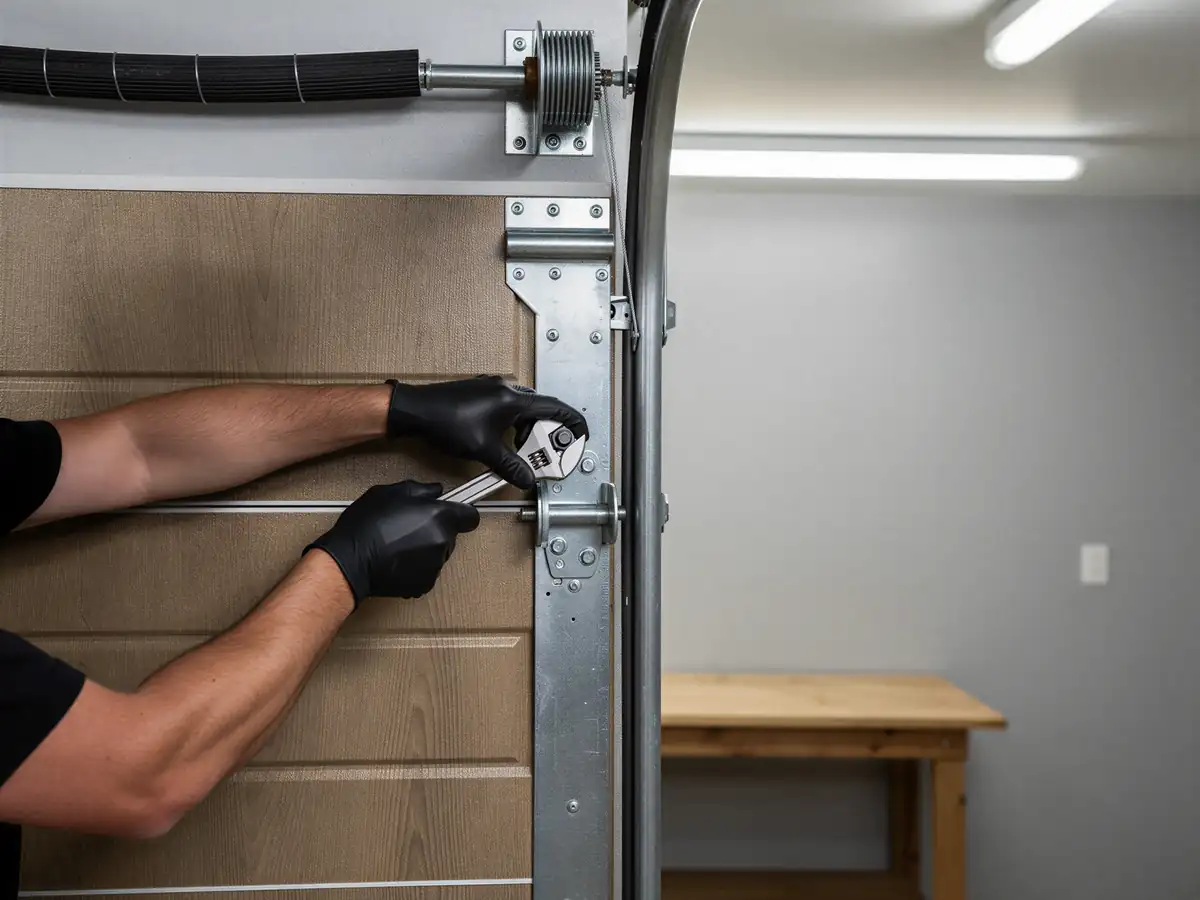
Because so much of the local stock dates to that 1980s-90s run, we stock the torsion springs, rollers, and cable sized for the door openings builders used through that period - the parts that actually fail first on a house from that era. Standard nylon rollers and galvanized cable are truck stock, not special order.
Where we run into lead time is on anything non-standard: custom panel sections, insulated doors in an odd width, or hardware for a door that's been modified from the original. If your door was replaced at some point and isn't the builder-grade unit that came with the house, we may need to order a part rather than pull it off the truck. We'll tell you that up front on the call, not after we've started the job.
What You Pay
What a repair costs comes down to what's actually broken and whether the part is something we carry or something we have to order. A single broken torsion spring on a standard door is a different job than a bent track plus a burned-out opener motor, and we price each by what it needs, not off a flat menu.
One honest note: if a door is old enough that the spring, rollers, and opener are all near the end of their life at once, patching one piece often just means we're back for the next one in six months. We'll say so if that's the case, and let you decide whether repair or replacement makes more sense for the house.
The Symptom
The call we get most from this part of town is a door that won't budge
Or one that slams down instead of lowering - both point to a torsion spring that's lost tension or snapped outright. Given that so much of the local stock is from that 1980s-90s build window, a lot of these springs are simply hitting the end of their rated cycle count around the same time, house to house.
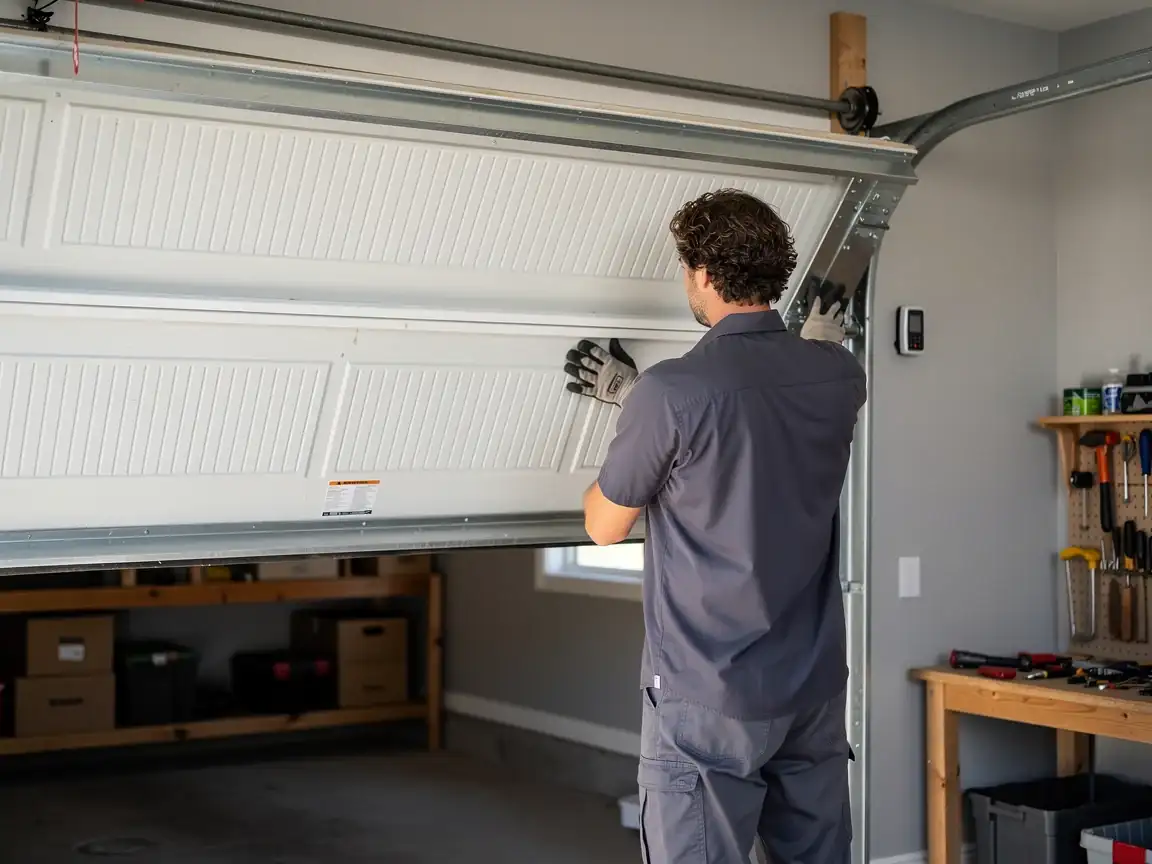
A close second is rollers that grind or bind in the track
Which shows up more in the colder stretches of the year when brittle nylon starts to crack. Neither of these is a job to force through by hand - a loaded spring under tension is the one part of this repair that isn't a DIY afternoon.