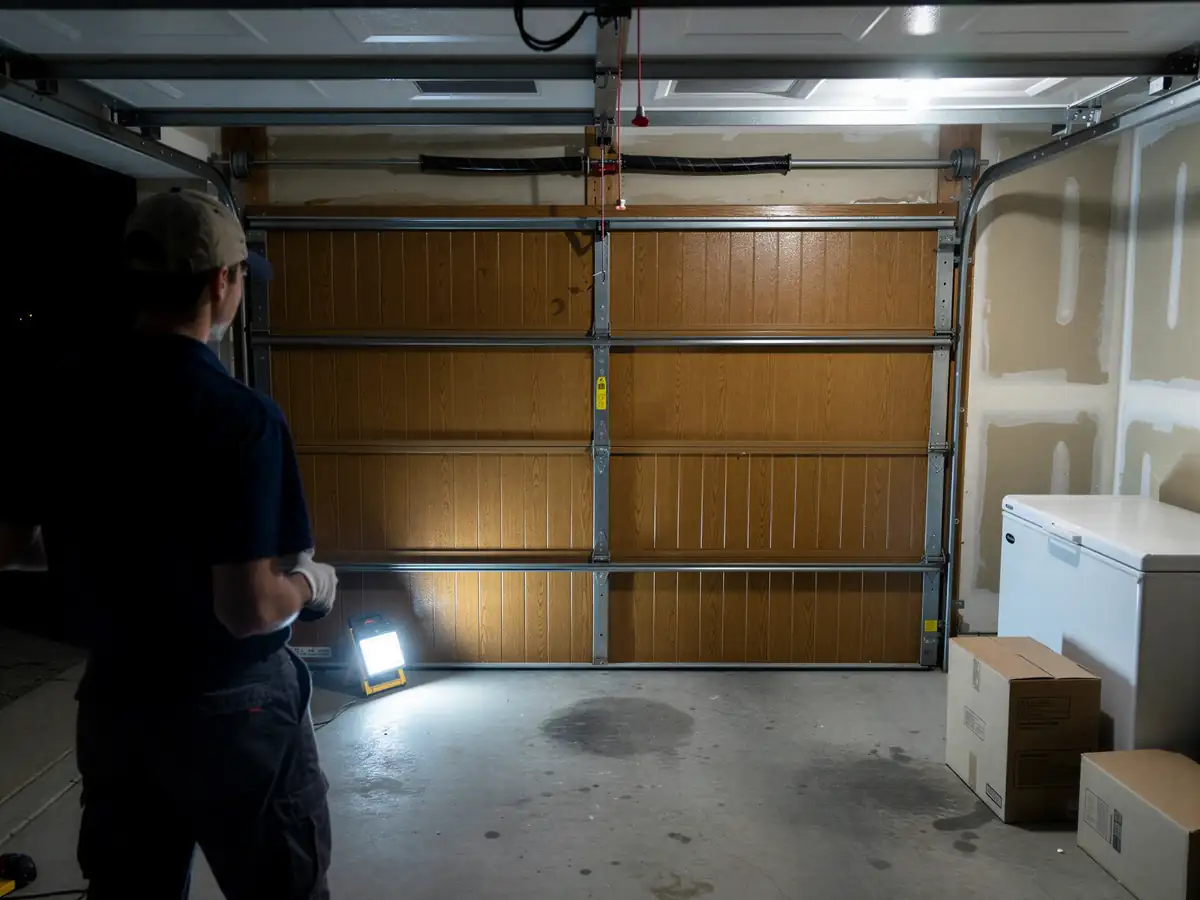
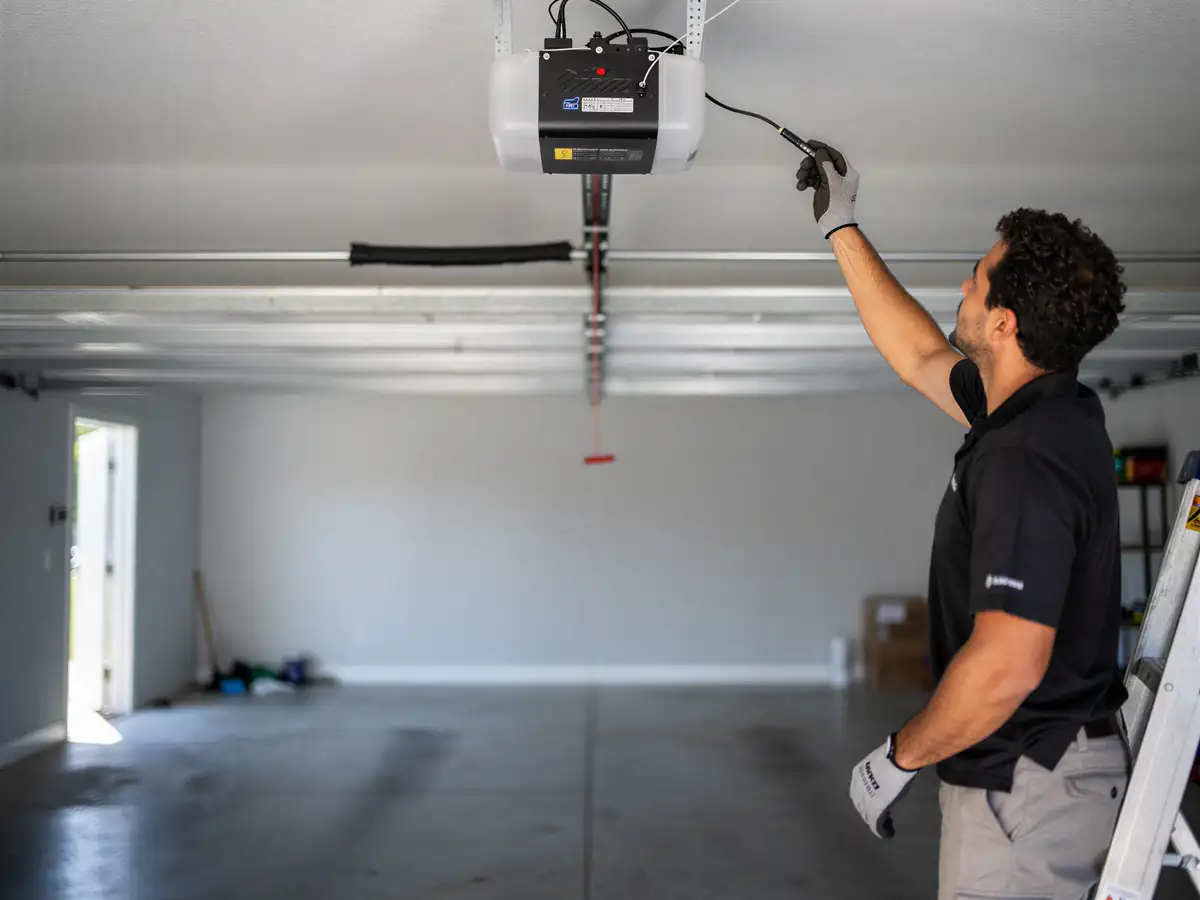
What Causes It Around Here
Alpharetta's housing stock mostly went up between 1951 and 2007
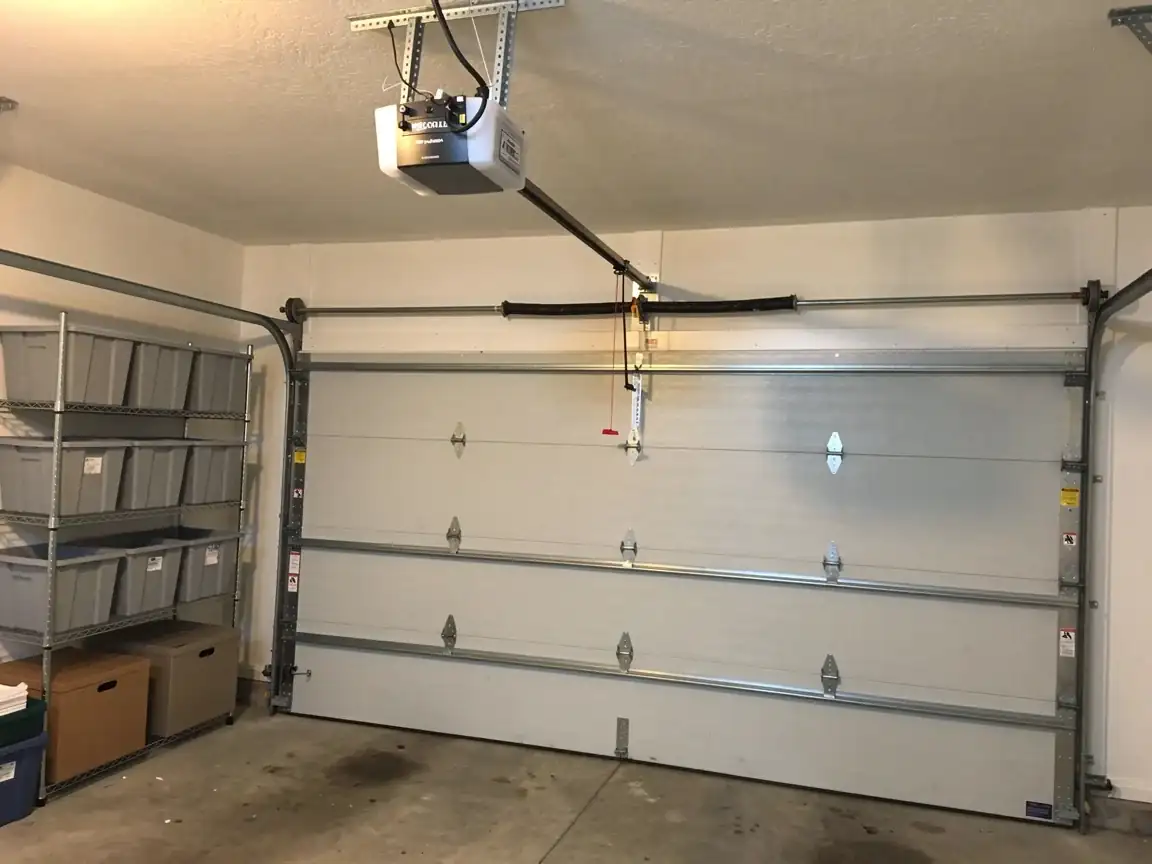
With the median build year landing around 1984. That matters for openers because a huge share of the units still running in this area are the chain-drive models that came standard through the 80s and 90s - not the belt-drive, Wi-Fi-enabled units going into new construction now. Those older units have logic boards and capacitors rated for maybe 10 to 15 years of hard use, and plenty of them are pushing 30 or 40.
- 15 years
On top of age, this area sits in a cold-moderate climate band
That doesn't mean brutal winters, but it does mean garages swinging from near-freezing mornings to warm, humid afternoons through the shoulder seasons. That cycle is rough on circuit boards - condensation forms inside the housing, corrodes contact points, and you get an opener that works fine one day and won't respond to the remote the next. It's also hard on safety sensor lenses, which fog or shift out of alignment and throw a blinking light with no clear cause.
We see both patterns together constantly
An original or near-original opener, in a garage that's seen 30-plus years of temperature swings, finally giving out at the board or the drive gear.
Parts We Carry
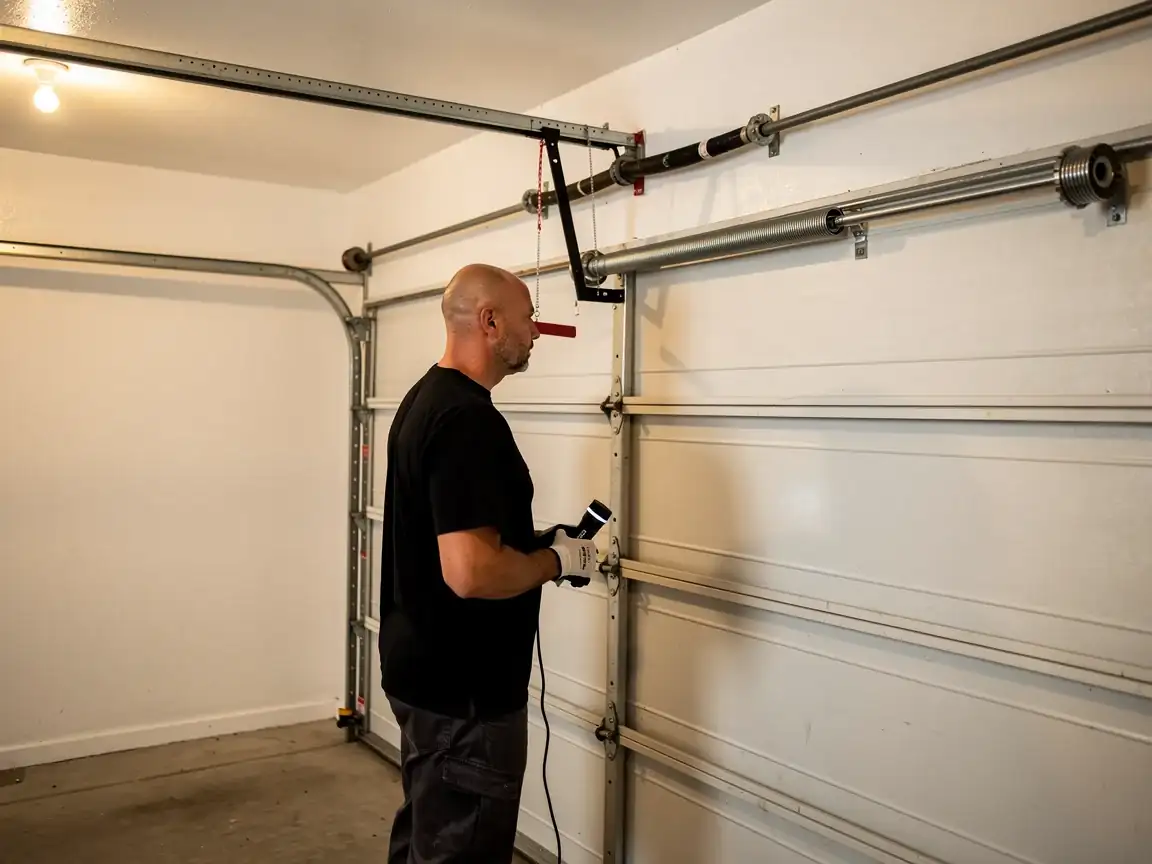
We stock the parts that fail most often on the chain-drive and early belt-drive openers common in homes built through the 80s and 90s: drive gears and sprockets, trolleys, travel modules, safety sensor pairs, remotes, and wall keypads. We also carry capacitors and basic circuit boards for the major brands that were widely installed during that build era.
Here's the honest limit: if your opener is a discontinued model from the early 90s with a proprietary board that the manufacturer stopped making years ago, we may not have it on the truck, and in some cases it has to be special-ordered or isn't made anymore at all. When that happens we'll tell you straight rather than quote a repair we can't actually deliver. For openers in that spot, replacing the unit is usually the faster and more reliable path - new boards are easier to source than parts for something two decades out of production.
For anything still in production, or close to it, we carry enough common parts to handle most opener calls in one visit without a return trip for backordered hardware.
What You Pay
What a repair runs depends mostly on what's actually failed and how old the opener is. A sensor realignment or a new remote costs a lot less than a circuit board swap, and a circuit board swap on a 25-year-old unit sometimes costs close to what a new opener would run once you factor in the part itself. We don't publish a flat number here because it genuinely varies that much call to call.
What we won't do is repair something that doesn't make financial sense to repair. If your opener's board is obsolete, or if the motor's worn out on top of the board issue, we'll say so and lay out the replacement option instead of stringing together a fix that fails again in six months. Given the median household income across this service area sits around $91,308, we find most households would rather pay once for a reliable new unit than pay twice chasing parts for something already near the end of its life.
We'll always give you the number before we start, not after.
The Symptom
Most opener calls fall into a handful of patterns
The remote stops working but the wall button still runs the door - usually a dead board or a battery issue, sometimes both. The opener hums or clicks but the door doesn't move - that's often the drive gear stripped out, a common failure on the chain-drive units that make up so much of the opener population in homes from this area's main build years. The light blinks and the door reverses before it closes - that's the safety sensors, either misaligned or fogged from humidity swings.
Then there's the opener that runs the full cycle but the door lags, jerks, or stops partway
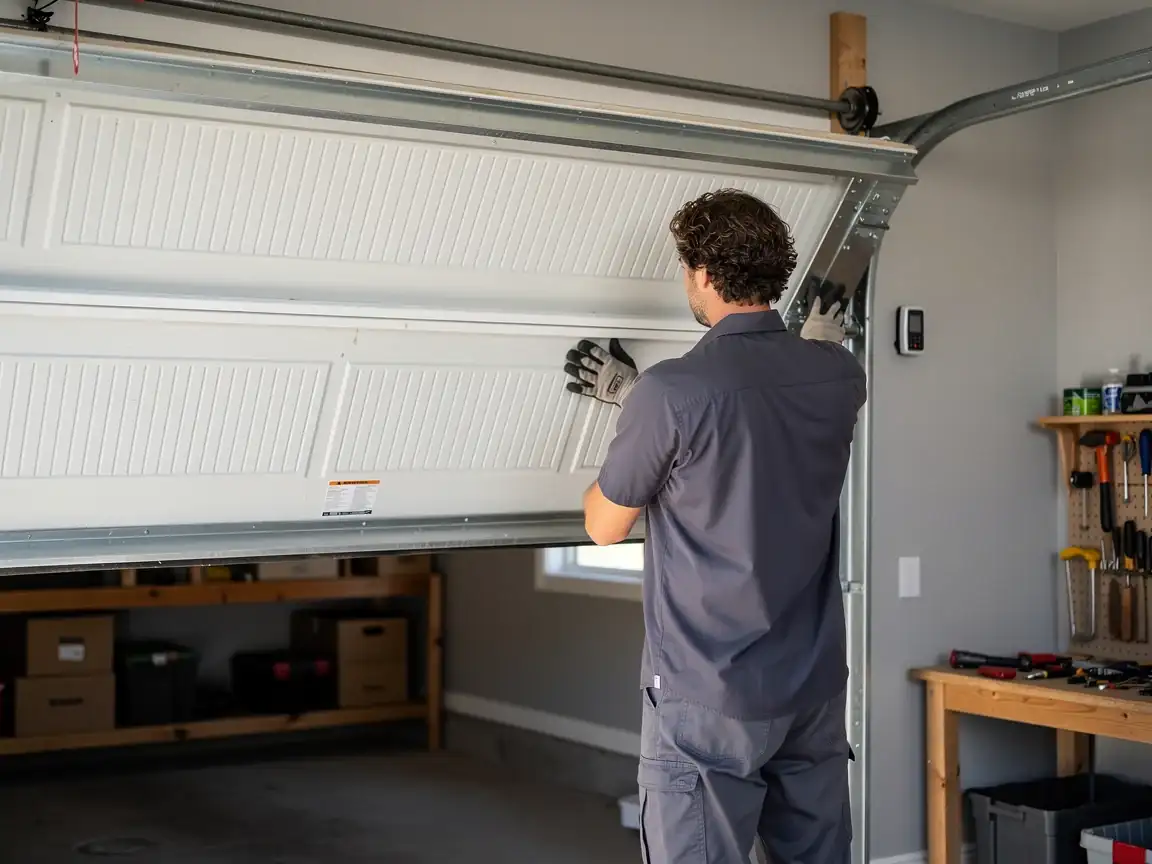
That one's often mechanical rather than electrical, and it's worth having looked at before the opener motor takes the strain and burns out trying to compensate.
If your opener is original to a house built in the 1980s or early 90s
Intermittent failures like these are rarely a one-off. They're usually the first sign the board or motor is near the end, and they tend to get worse, not better, over the following weeks.