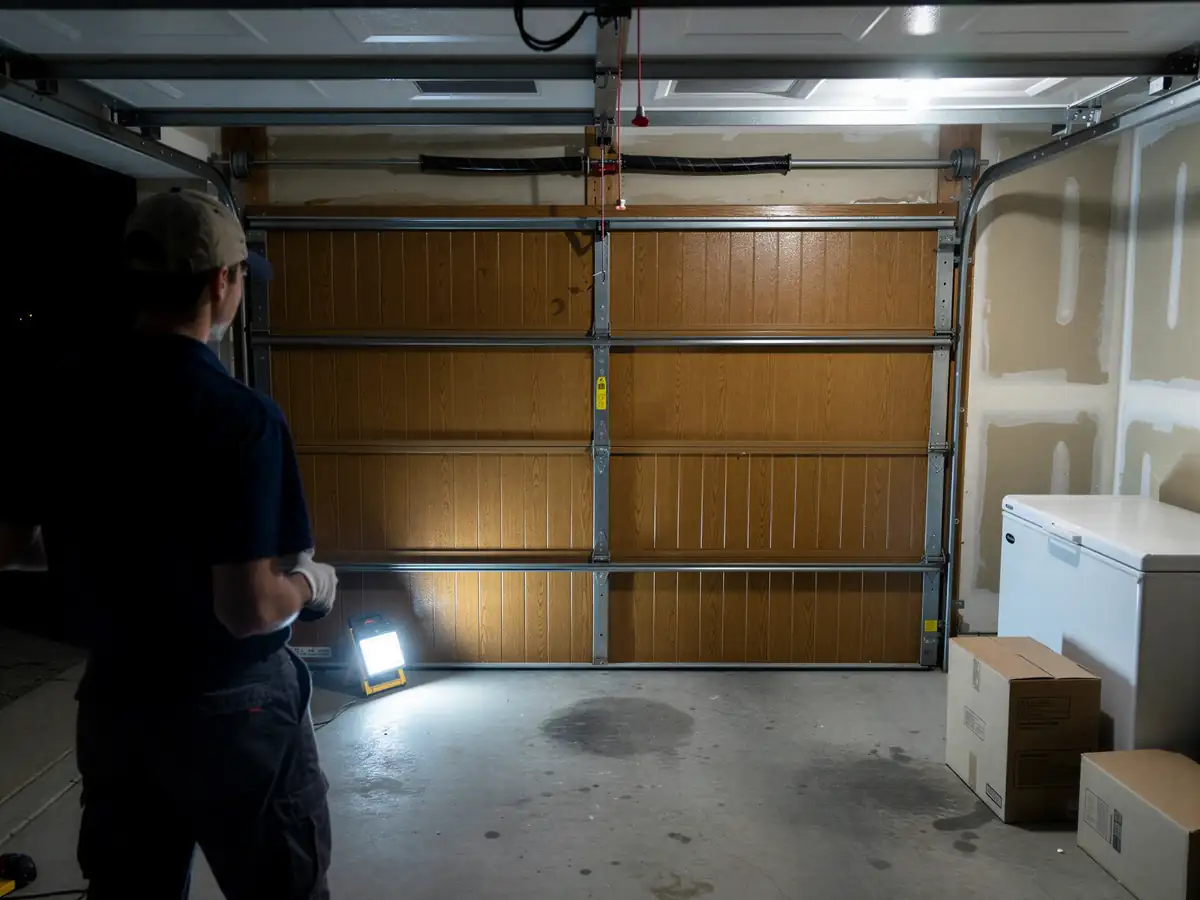
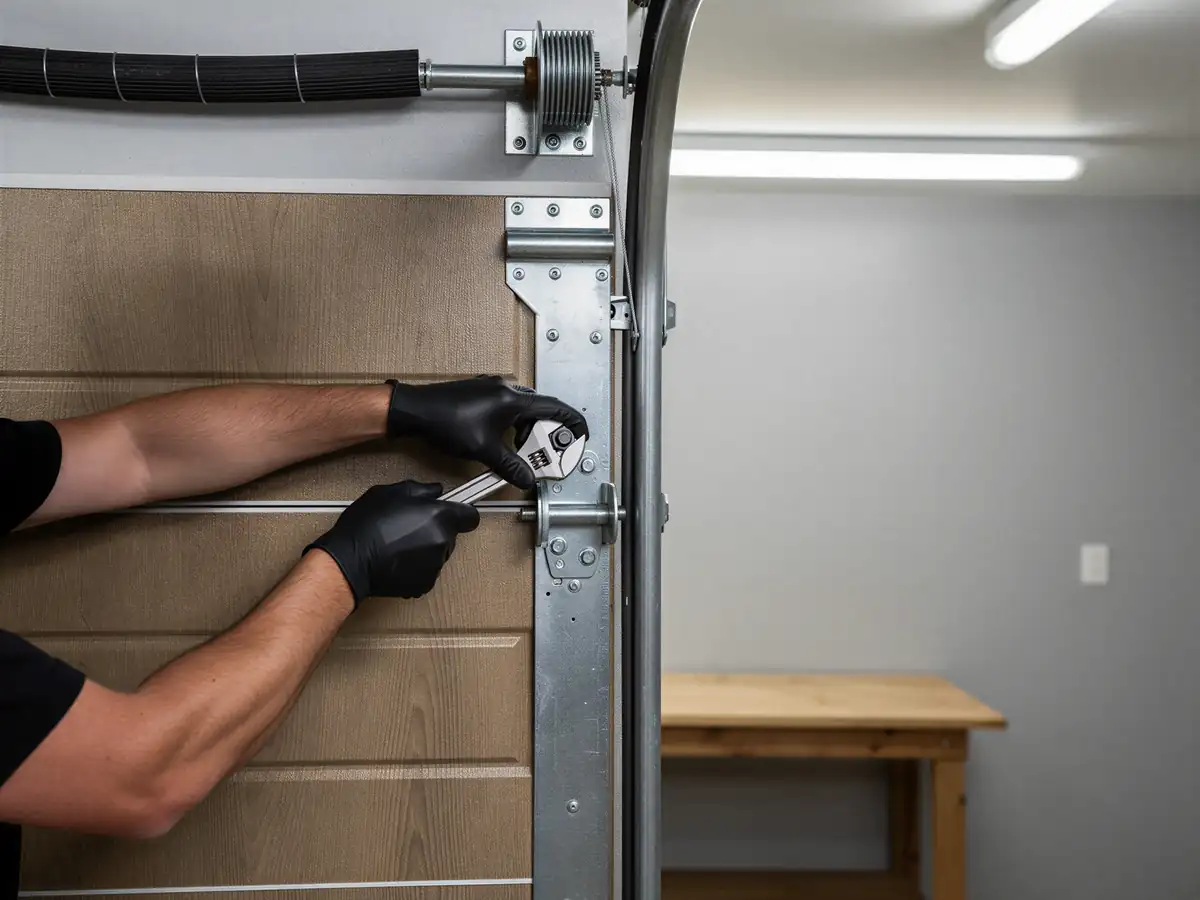
What Causes It Around Here
Most garage doors in this service area went up somewhere between 1951 and 2007
With the bulk of the stock dating to the 1980s and 90s across the 19 communities we cover. That matters because a door installed in 1986 has had close to forty years of temperature swings working on its torsion spring, and a door from a 2002 build is right in the window where the original rollers and cables start failing without warning.
- 19 communities
The climate band here is cold-moderate, not desert-dry and not deep-freeze
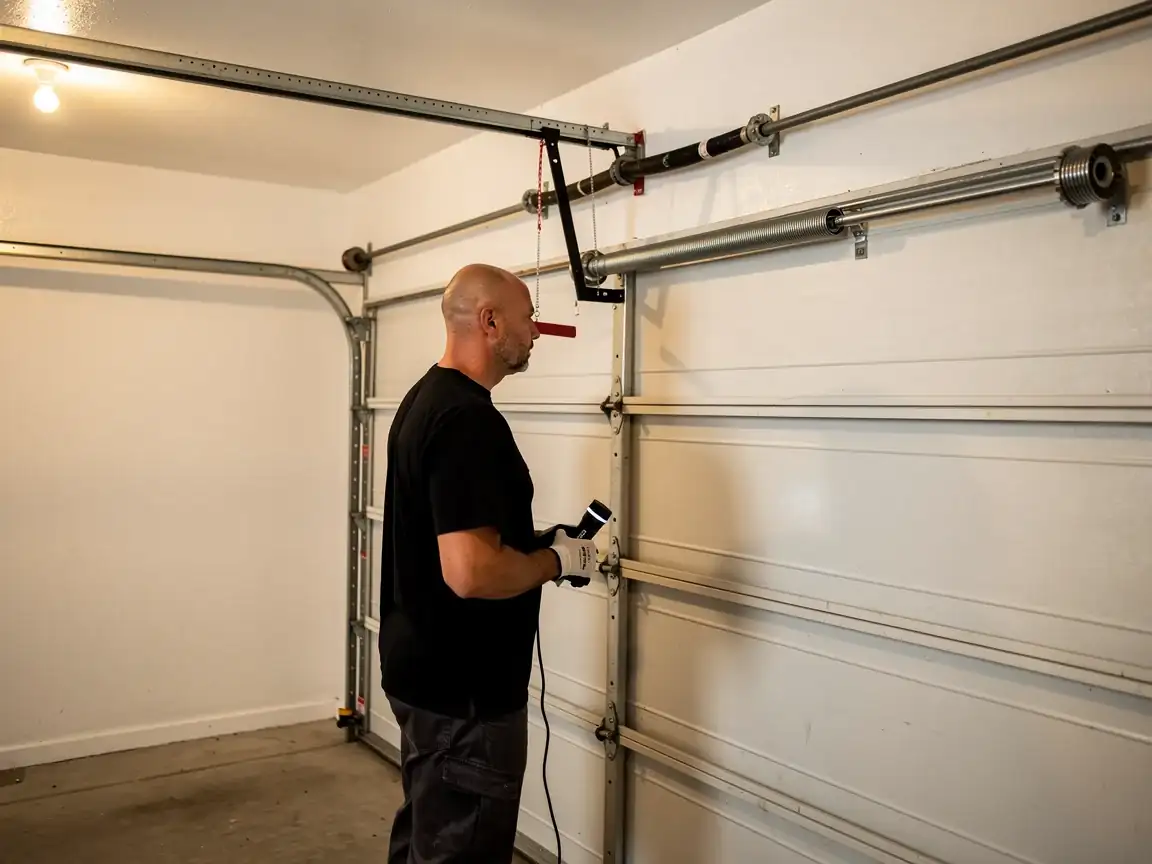
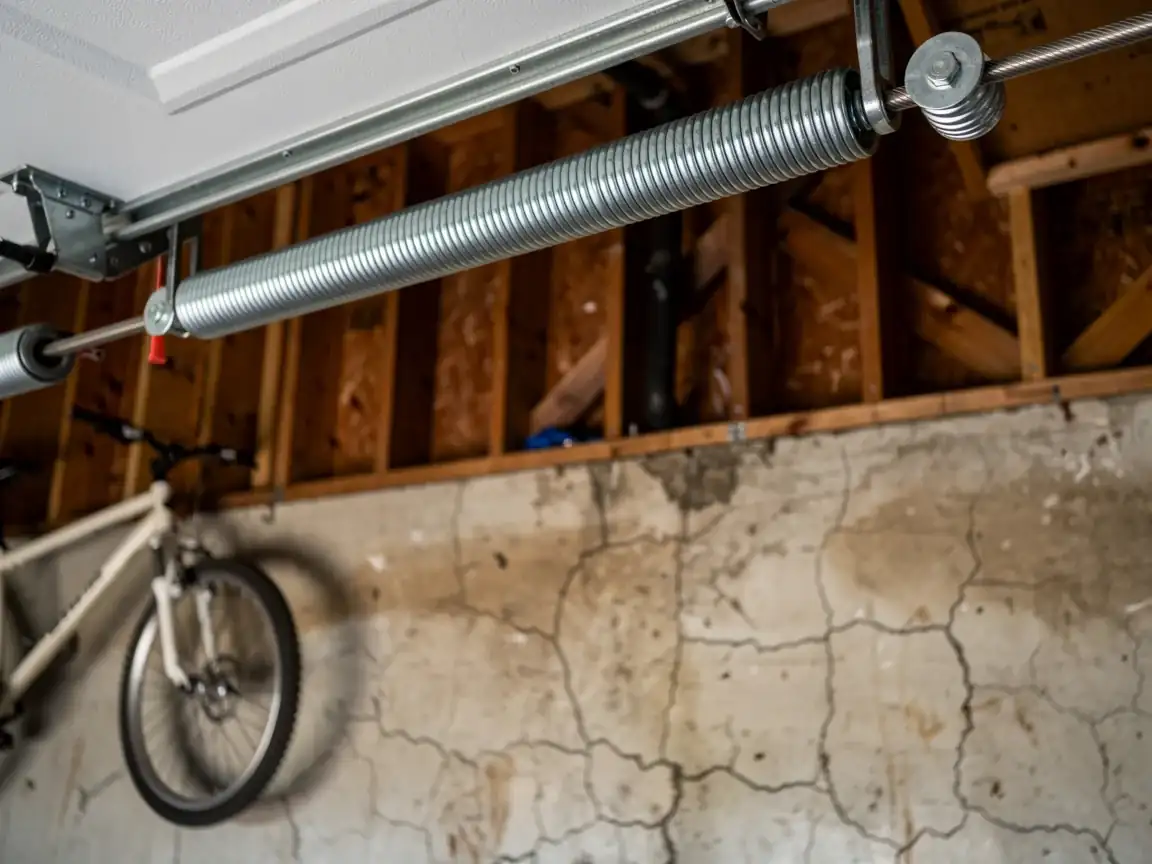
That's actually the tricky part. A door doesn't get one brutal winter that kills it outright - it gets decades of humidity swinging between a wet Georgia summer and occasional hard frost, and that cycle is what rusts hinges, stiffens lubricant on rollers, and lets a torsion spring lose tension gradually instead of snapping clean. Homeowners notice the door getting heavier or louder months before it actually fails, and by then the spring, the bearings, and sometimes the opener gears have all been compensating for each other.
On a door that old, maintenance isn't cosmetic
It's catching the one part that's about to go before it takes the opener or the track with it.
Parts We Carry
Given that most doors across this area date to the 80s and 90s, we stock torsion springs, extension springs, nylon and steel rollers, lift cables, and bottom brackets sized for that generation of hardware, plus the newer composite rollers and belt-drive opener parts that show up in homes built closer to 2007. We carry standard track hardware for both single and double doors, since both show up across the 19 communities we service.
What we don't stock is obsolete one-off hardware from doors built before 1951 - there isn't enough of that stock left in this area to justify the shelf space, and if we run into it, we'll tell you straight that a part needs ordering rather than pretend we have it on the truck. That's the one honest gap: most jobs here are same-visit, but a genuinely old or custom door can mean a short wait on a part.
What You Pay
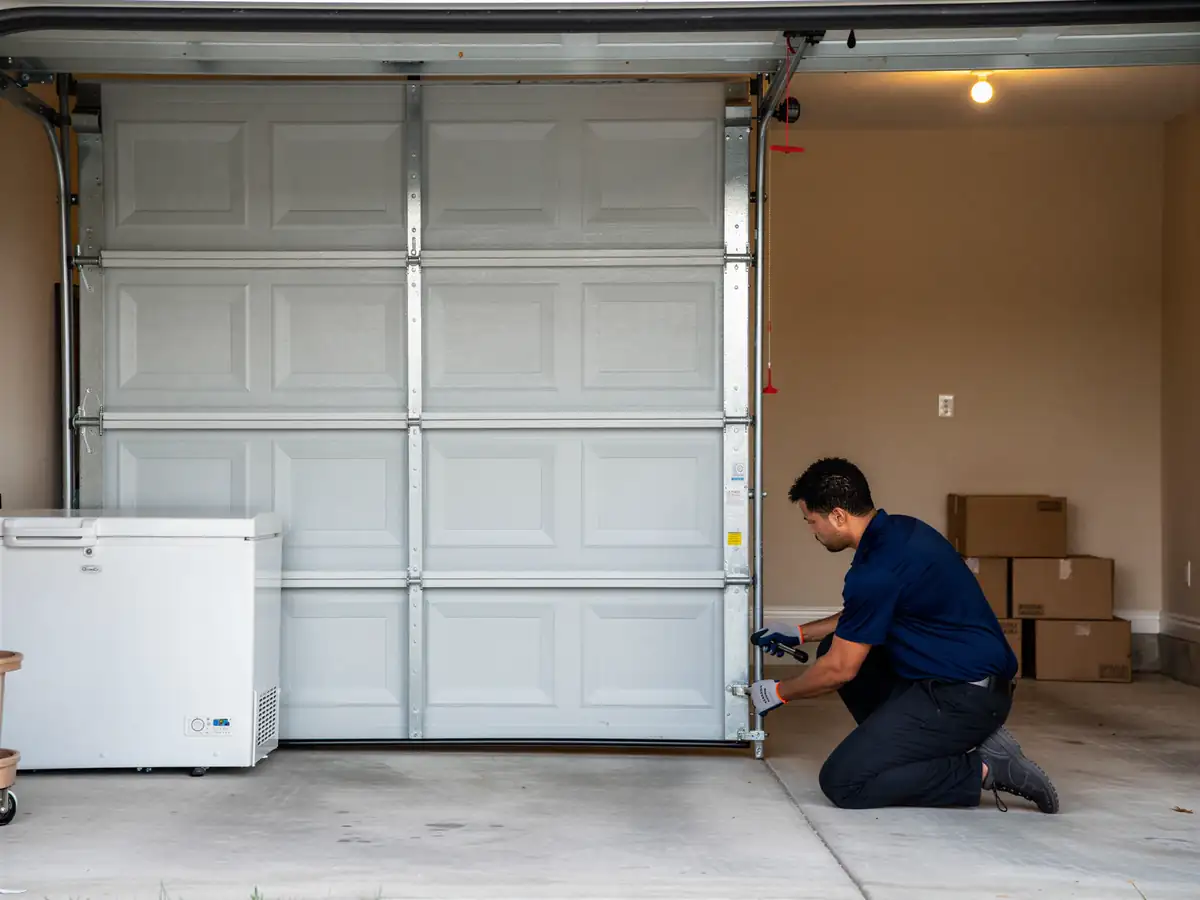
We don't publish a flat number for maintenance because the job changes with the door - a single door with original 1980s hardware takes longer to inspect and lubricate than a 2005 build with newer rollers and a belt-drive opener, and a double door takes longer than a single. What you're paying for on a maintenance visit is the inspection and adjustment, not a swapped part, unless something's found that needs replacing.
We'll always tell you what we find and what it costs before we do it. If a spring or cable is close to failing, we'll say so and quote that separately from the maintenance call itself - we don't fold a parts sale into a tune-up without telling you first.
The Symptom
The most common complaint we hear across this service area is a door that's gotten noticeably louder or heavier to lift by hand over the last six months to a year
That slow change is the signature of aging hardware in a cold-moderate climate - it's not a sudden failure, it's cumulative wear on a spring or roller set that's been absorbing a few decades of temperature and humidity swings.
A close second is an opener that runs longer than it used to before the door fully closes
Or that reverses partway for no obvious reason. On homes built in the 1980s and 90s - which is most of what's out there across these 19 communities - that's often the opener's travel limits drifting out of adjustment as the door's weight balance shifts with an aging spring, not the opener itself failing. Catching that early with a maintenance visit usually means adjusting and lubricating rather than replacing.
- 19 communities