What Causes It Around Here
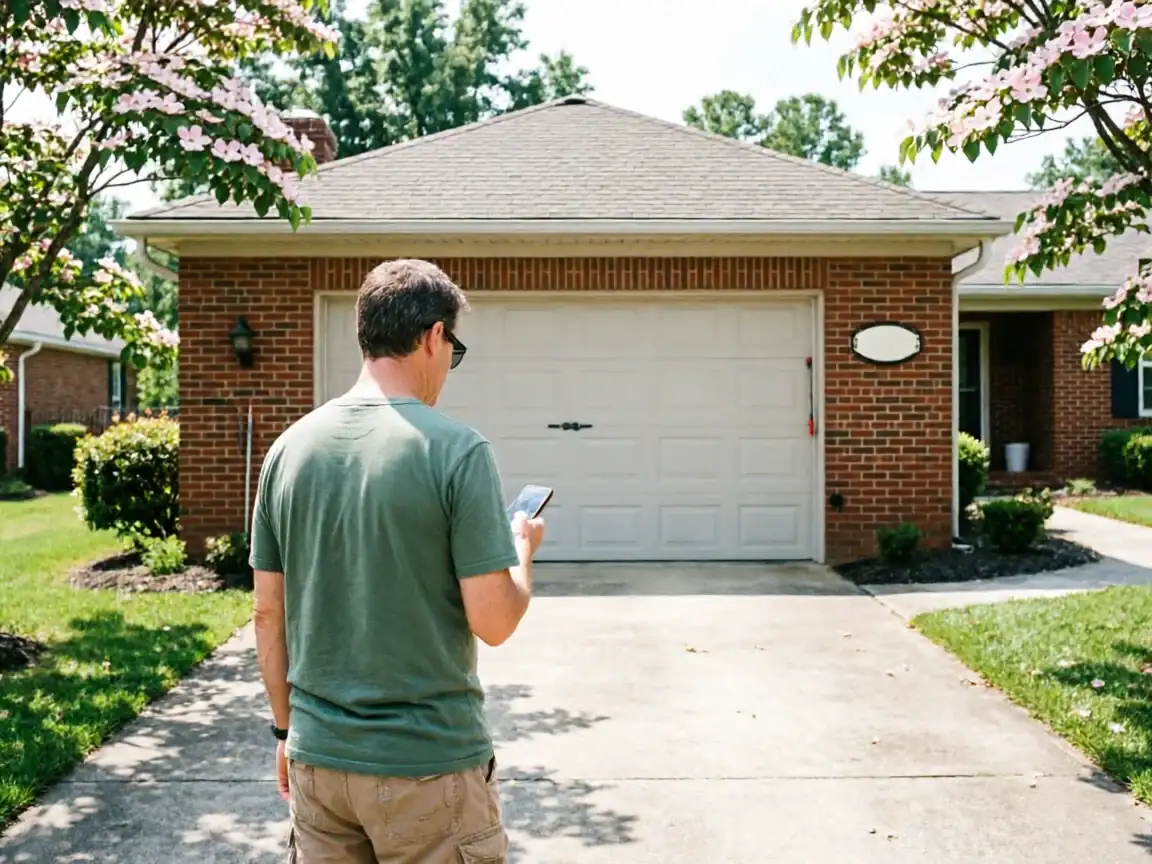
Most of the housing stock we work on across this service area went up between 1951 and 2007
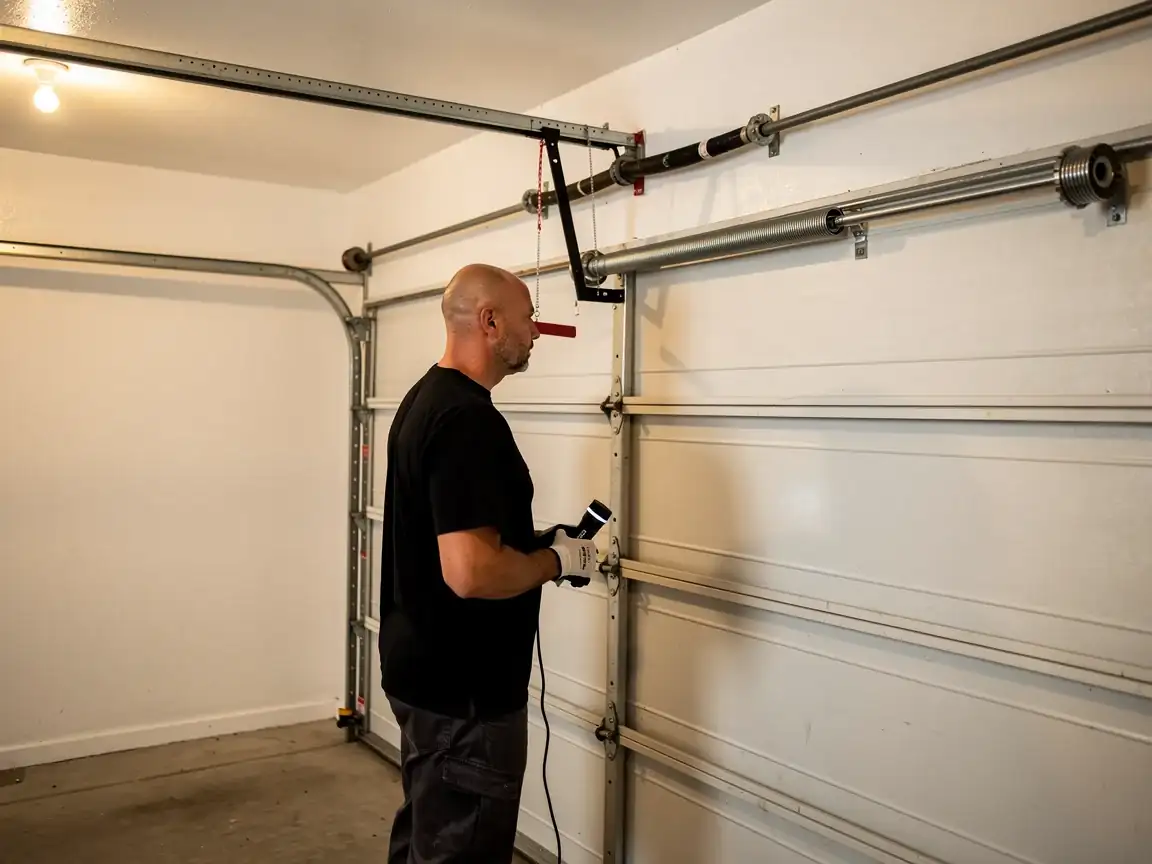
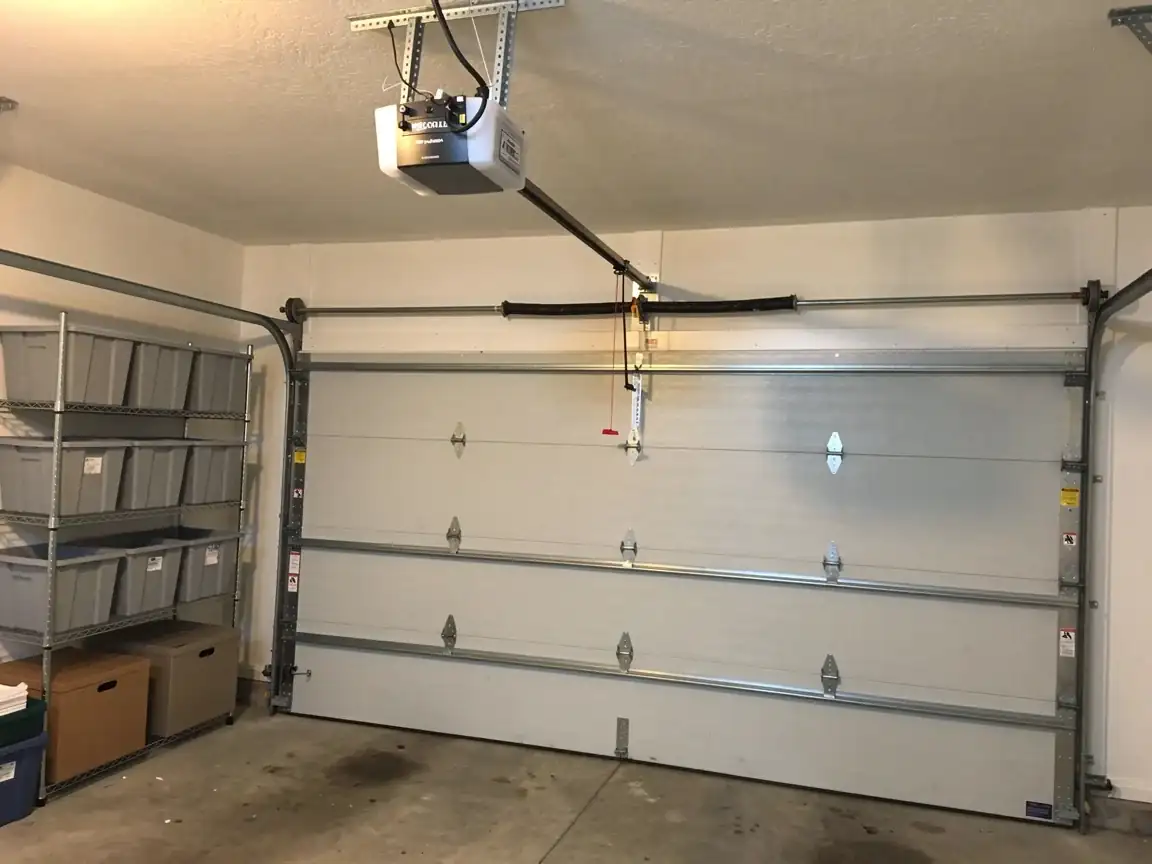
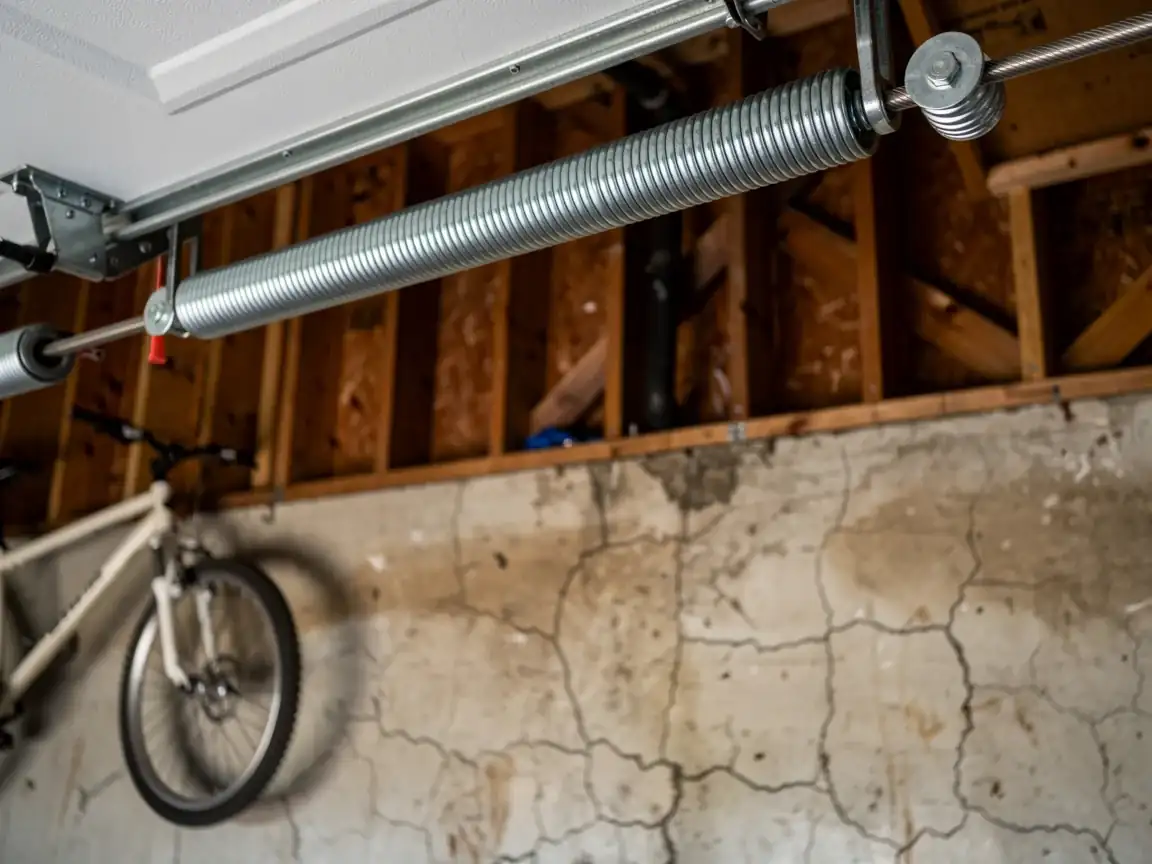
With the median build year sitting around 1984. That matters because a door installed in the mid-80s is now 40 years into a hardware lifespan that was never meant to last that long. Torsion springs are rated by cycle count, not calendar years, but a spring wound in 1984 and never swapped is a spring that's overdue no matter how gently it's been used.
- 40 years
The climate band here is cold-moderate, not deep-freeze, but it's enough
Nights that swing from the 60s down into the 30s shrink steel cable and harden lubricant inside torsion springs and roller bearings. That contraction-expansion cycle is what snaps an aging spring on a random Tuesday morning rather than during any obvious storm. Across the 19 named communities we serve, the pattern repeats: 1980s and 90s tract construction, original hardware, and a cold snap finishing off what decades of use already weakened.
We also see openers failing around the same age bracket
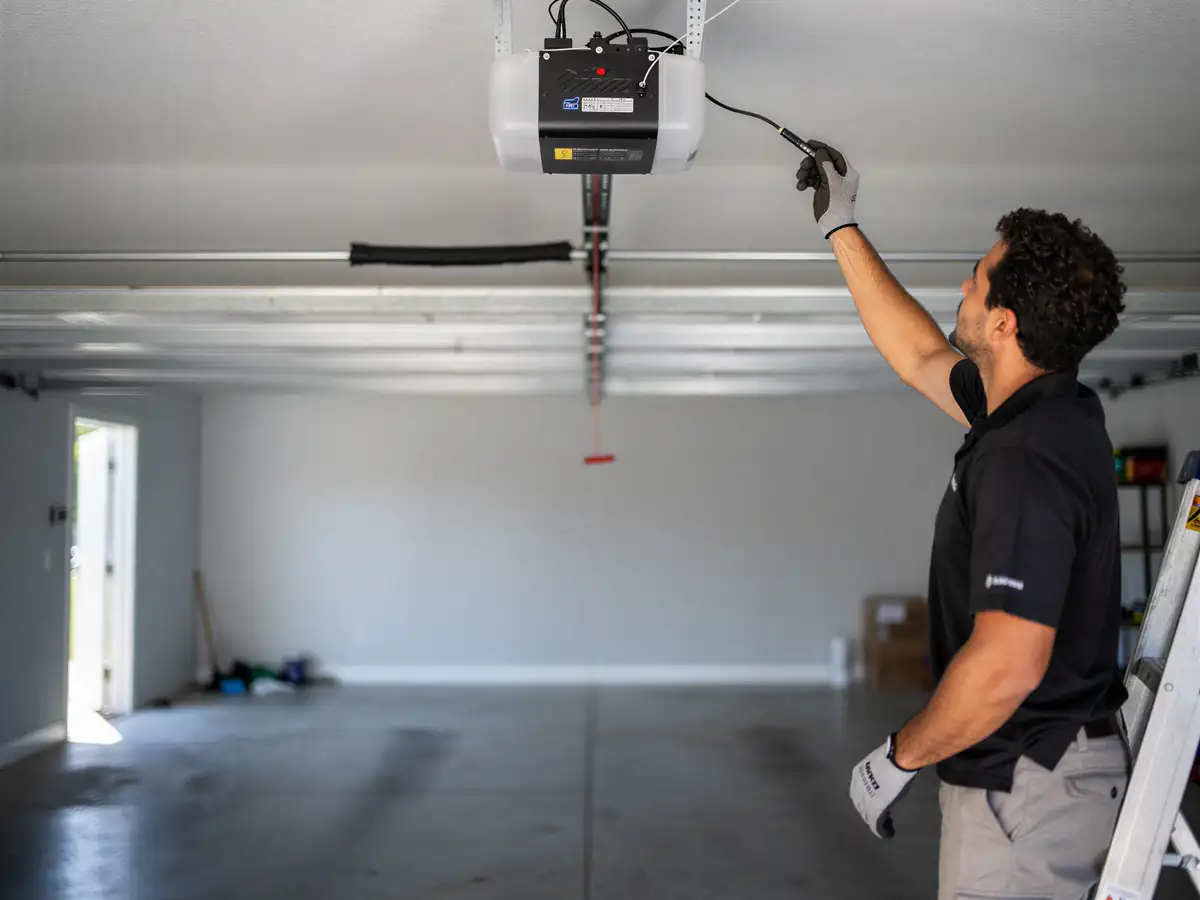
A chain-drive unit installed when a house was built in the late 80s or early 90s is well past the point where capacitors and logic boards hold up, and a dead opener at 6am with the car trapped inside reads as an emergency even when the fix itself is simple.
Parts We Carry
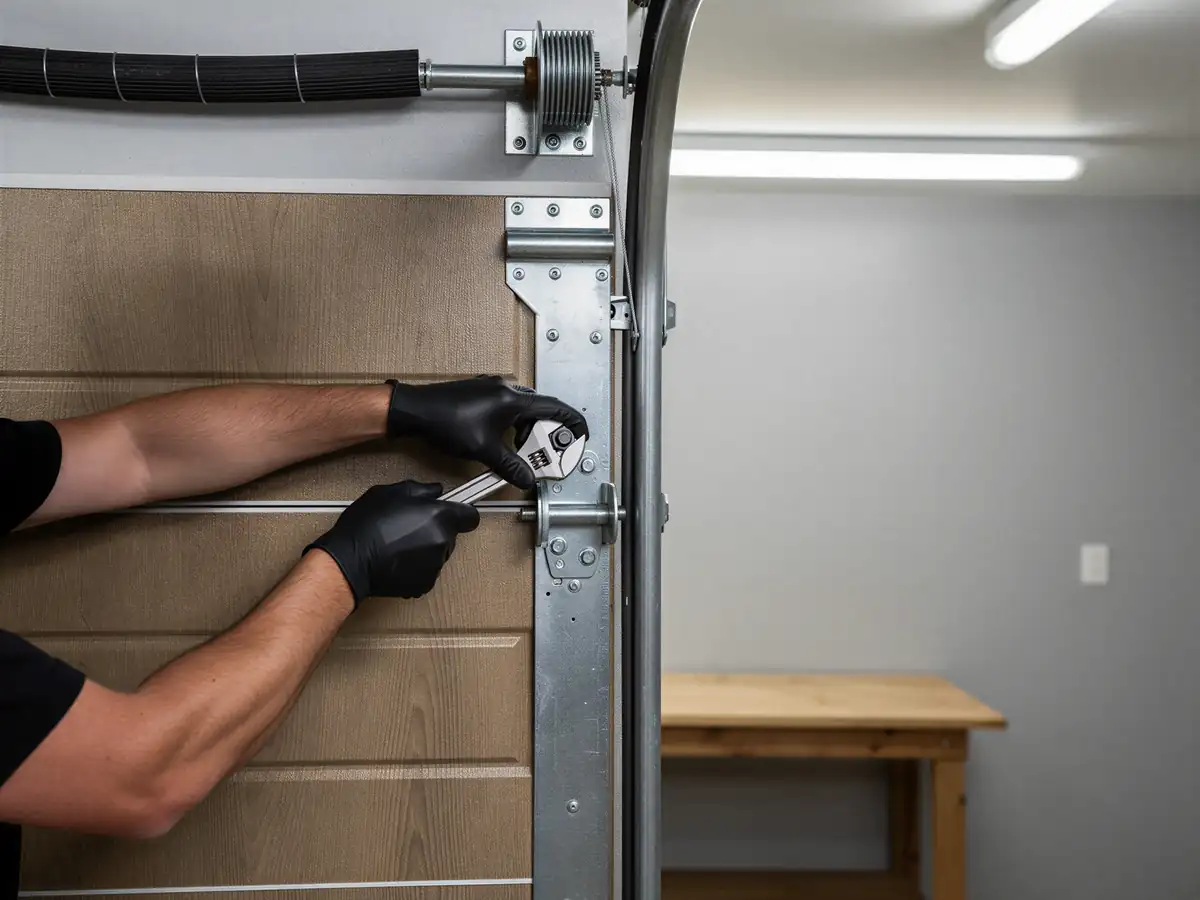
We stock torsion springs sized for the double and single door openings common to 1980s-90s construction, since that's the bulk of what we're called out to fix. We carry standard-lift cables, nylon and steel rollers, and the hinges and end bearing plates that wear out on the same schedule as the springs they're mounted next to.
For openers, we carry common chain and belt-drive replacement units and the circuit boards and safety sensors that fail most often on units from that same construction era. What we don't stock is every proprietary part for every obscure brand - if a door came with a manufacturer-specific track system or a discontinued opener model, that part may need to be ordered, and we'll tell you that on the spot rather than pretend otherwise.
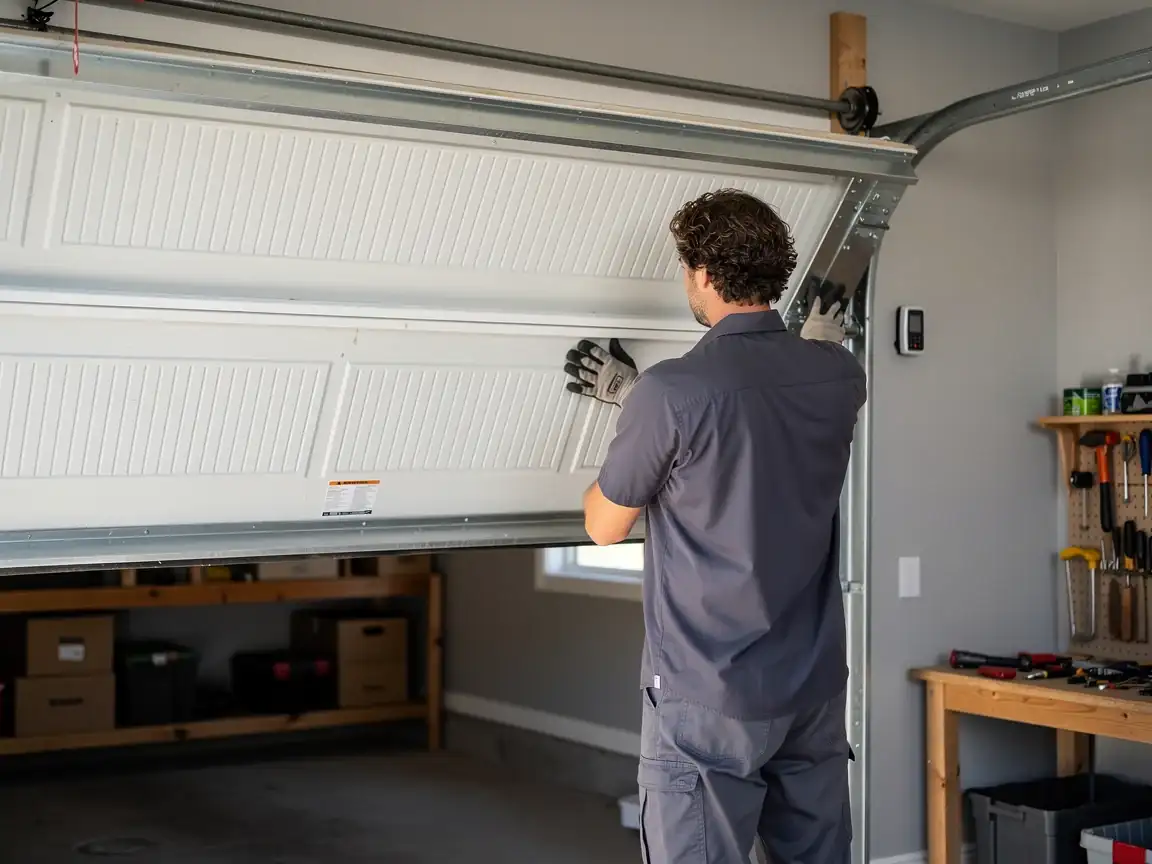
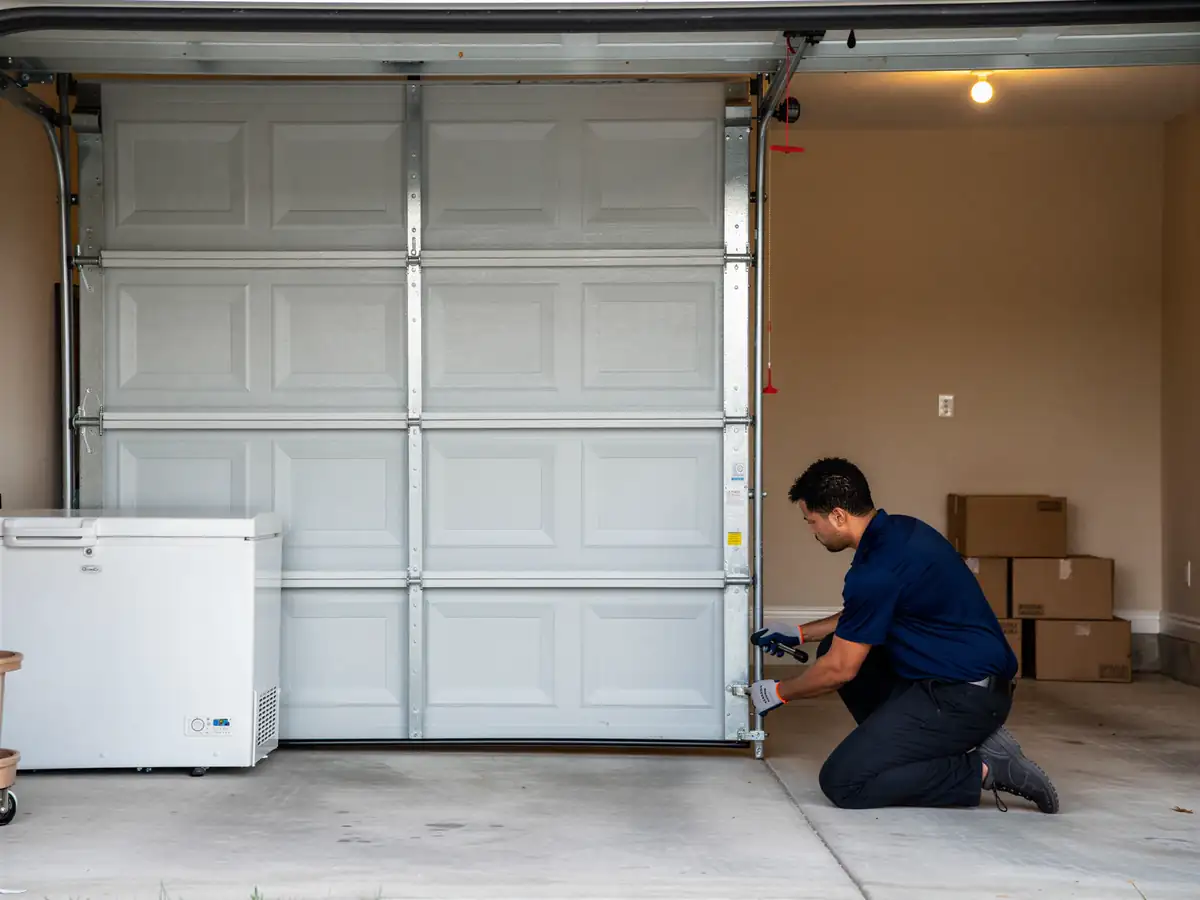
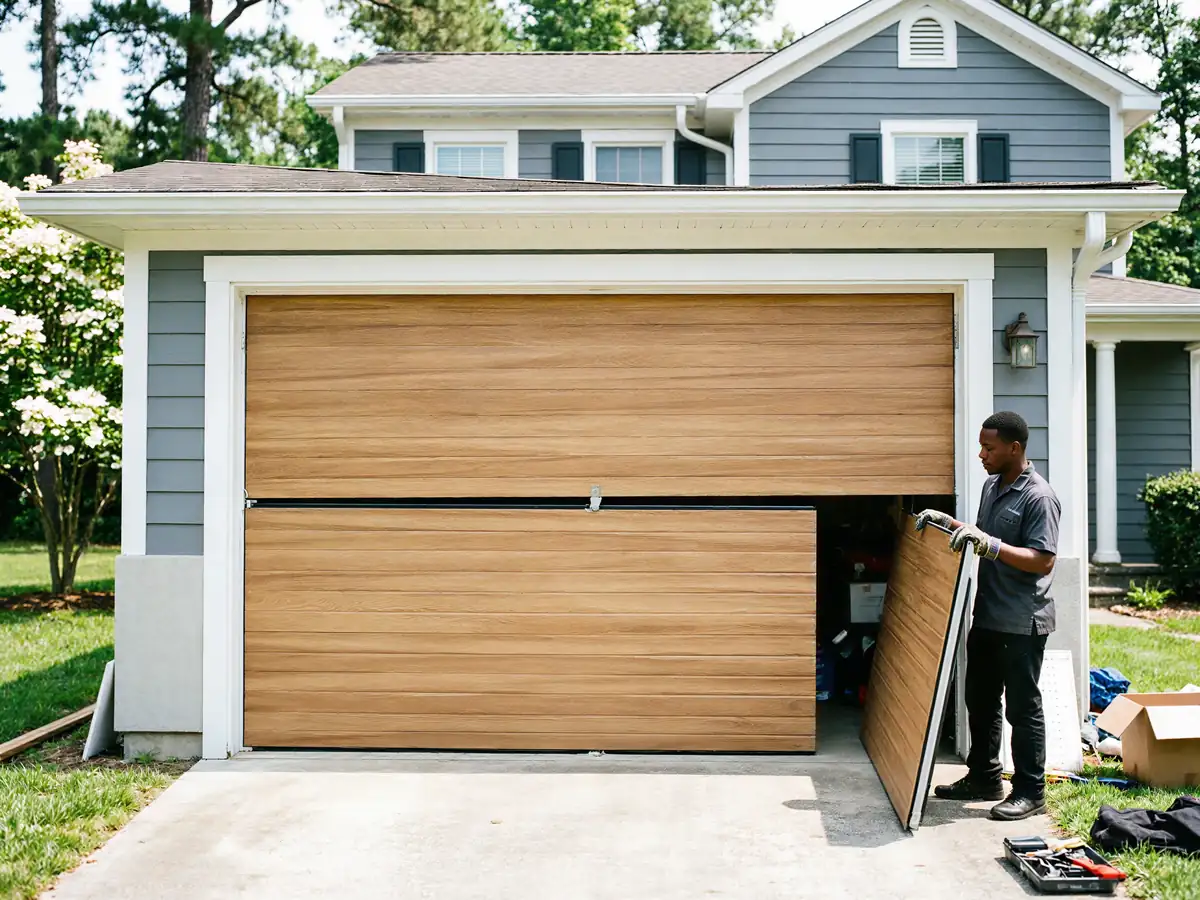
Broken cables and off-track doors are the two calls that can't wait, since a cable under tension or a door hanging crooked on its track is a safety risk to anyone near it. Those get priority stock from the truck.
What You Pay
We don't publish a flat emergency rate here because what you pay depends on what actually failed - a single broken spring and a burned-out circuit board are two different jobs with two different parts costs. What we can tell you is that we quote the repair before we start it, not after, so there's no surprise line item once the door is back down.
If a technician gets on site and finds the door is beyond a reasonable repair - a track bent badly enough, or an opener motor seized on top of a dead board - we'll say so plainly instead of running up a bill on a door that should be replaced. That's the one honest limitation worth stating up front: not every emergency call ends in a repair, and we'd rather tell you that than force a fix that won't hold.
The Symptom
The call usually starts the same way
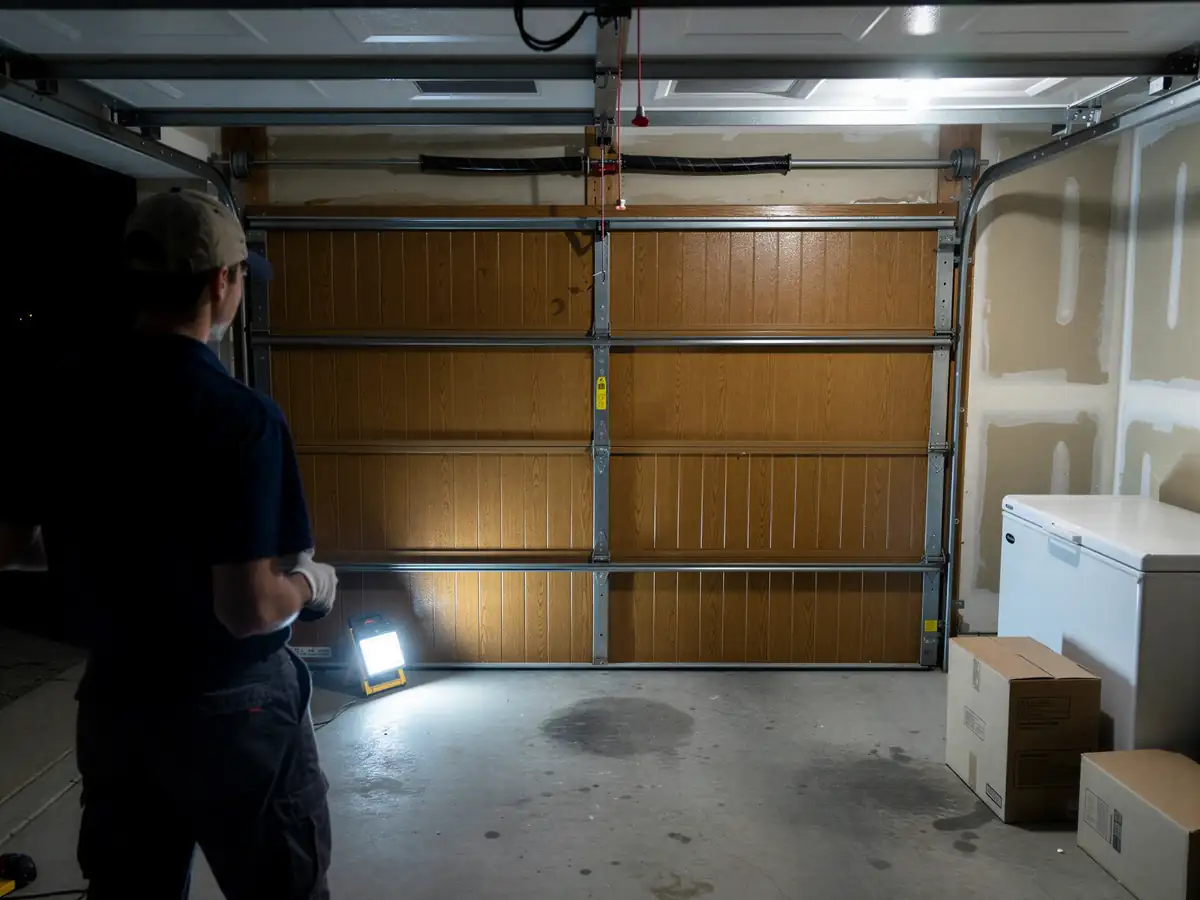
A loud bang from the garage, then the door won't move, or it drops a few inches and stops dead. That's almost always a torsion spring letting go, and on a door installed during the 1980s-90s building boom common to this area, it's the single most frequent emergency call we get.
A close second is the opener that just stops responding
No hum, no light, nothing - usually tied to a board that's aged out rather than a dead remote battery. And on the coldest mornings, we get calls about a door that moves but grinds or catches partway, which is stiff lubricant and a worn roller fighting each other in temperatures the hardware wasn't maintained for.
If your door won't open at all and the spring looks intact but twisted oddly
Don't force it by hand or with the opener - that's a cable or spring under load, and it's the kind of call that needs a truck, not a tutorial.