This Area's Housing
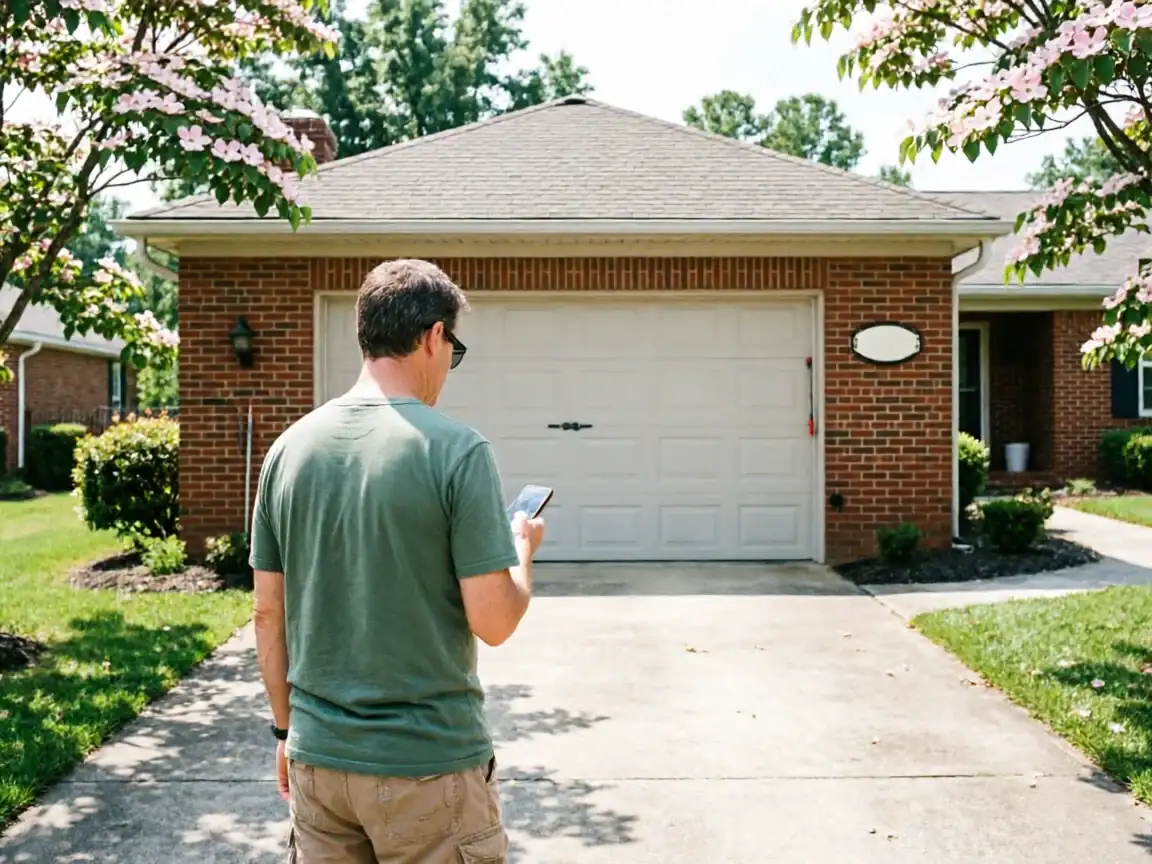
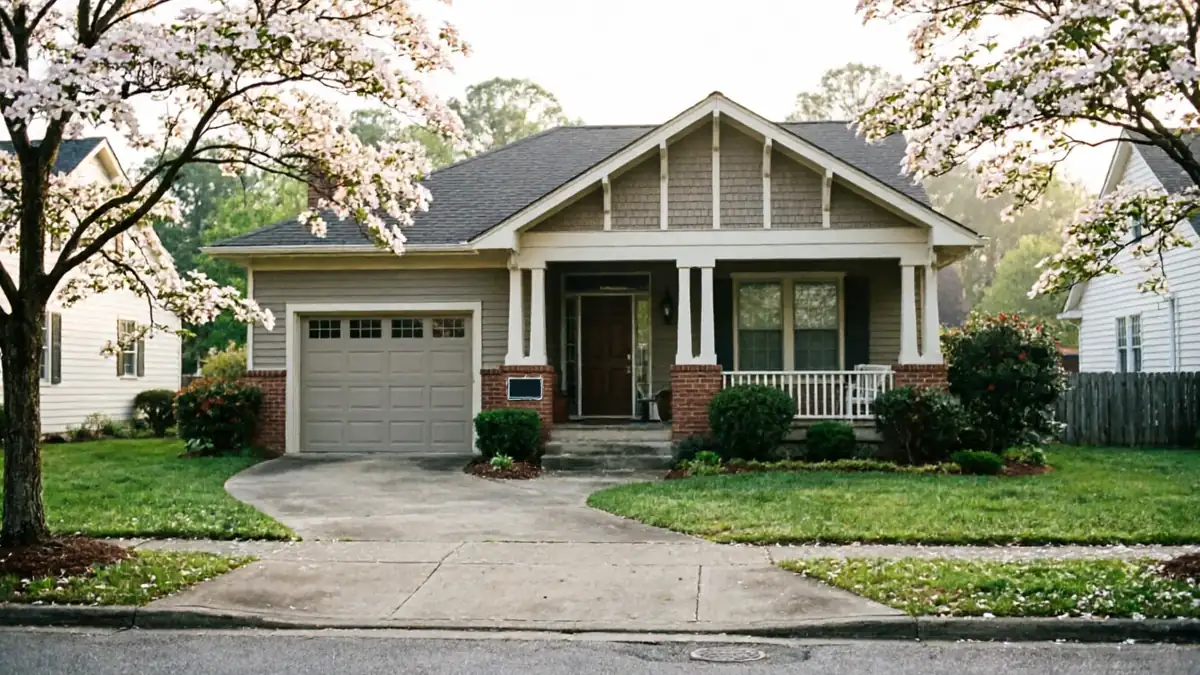
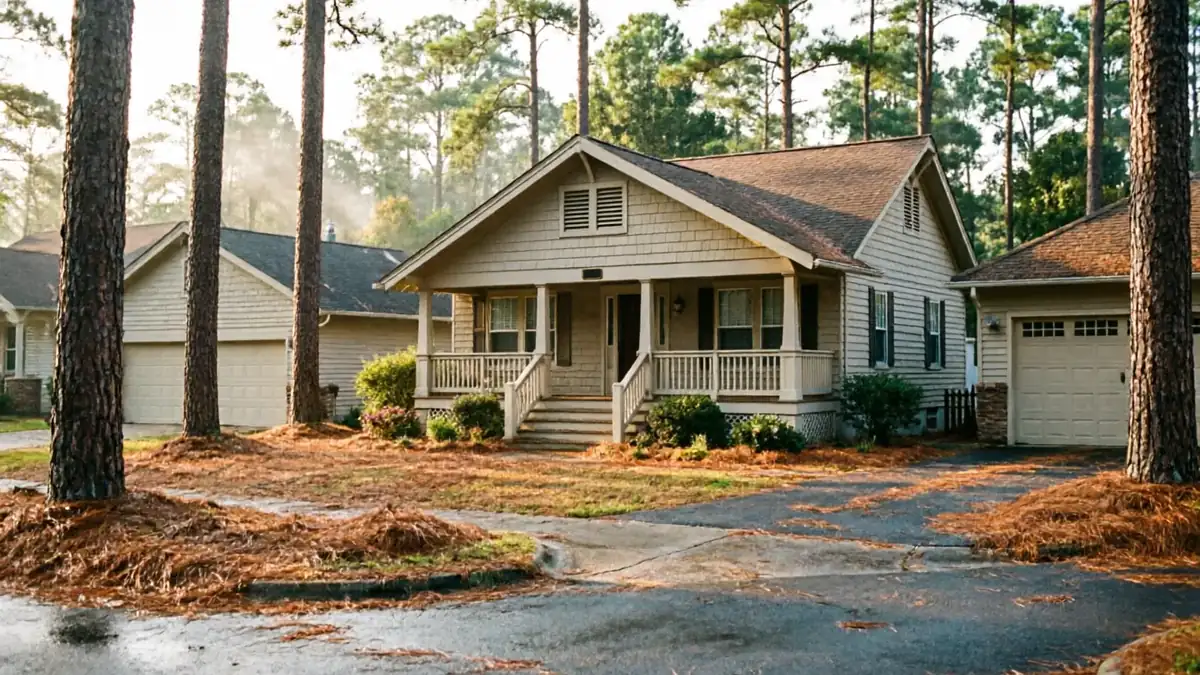
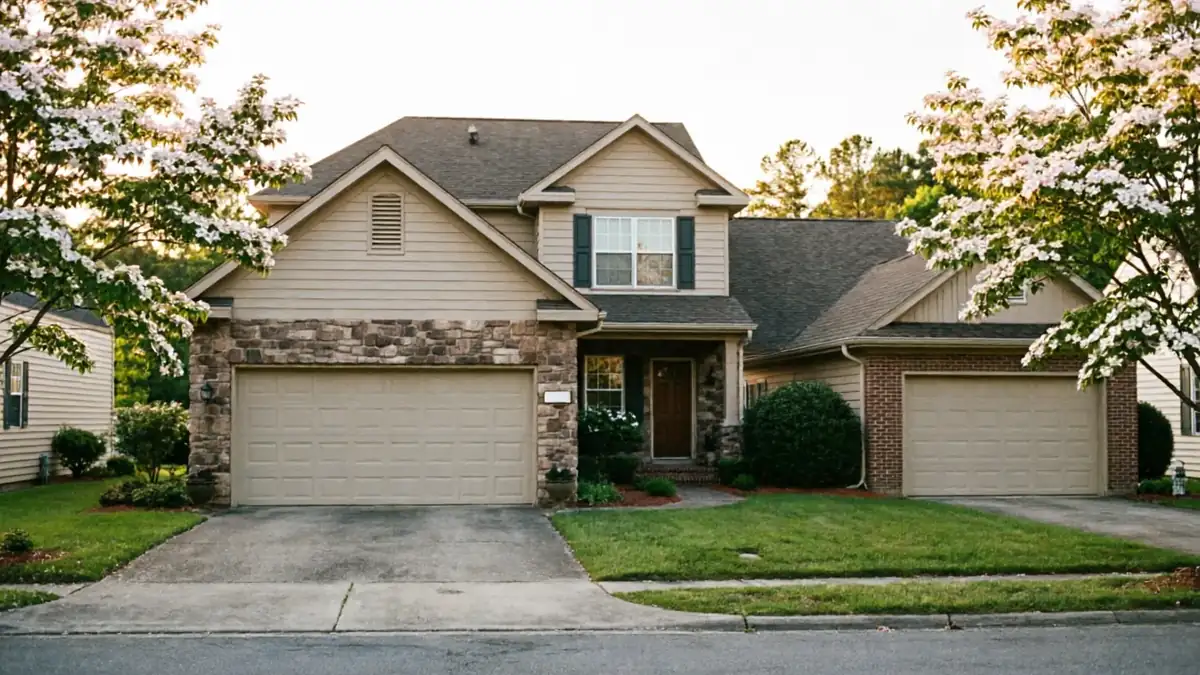
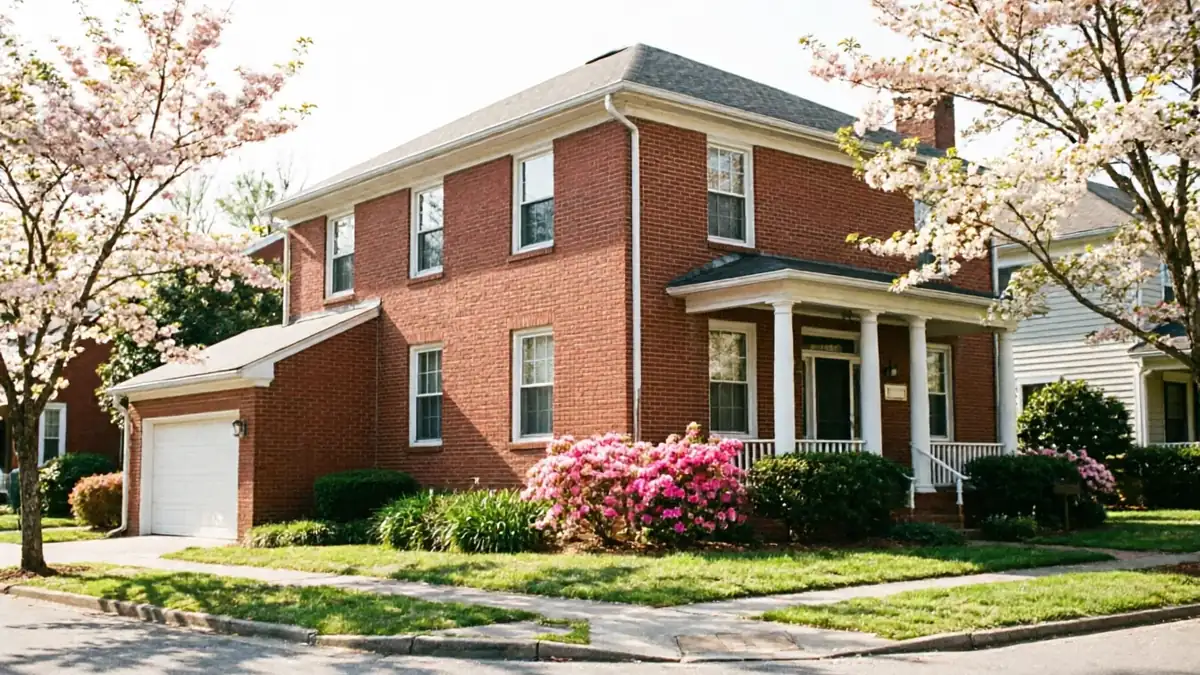
Sugar Hill skews newer than a lot of what we see across the wider service area
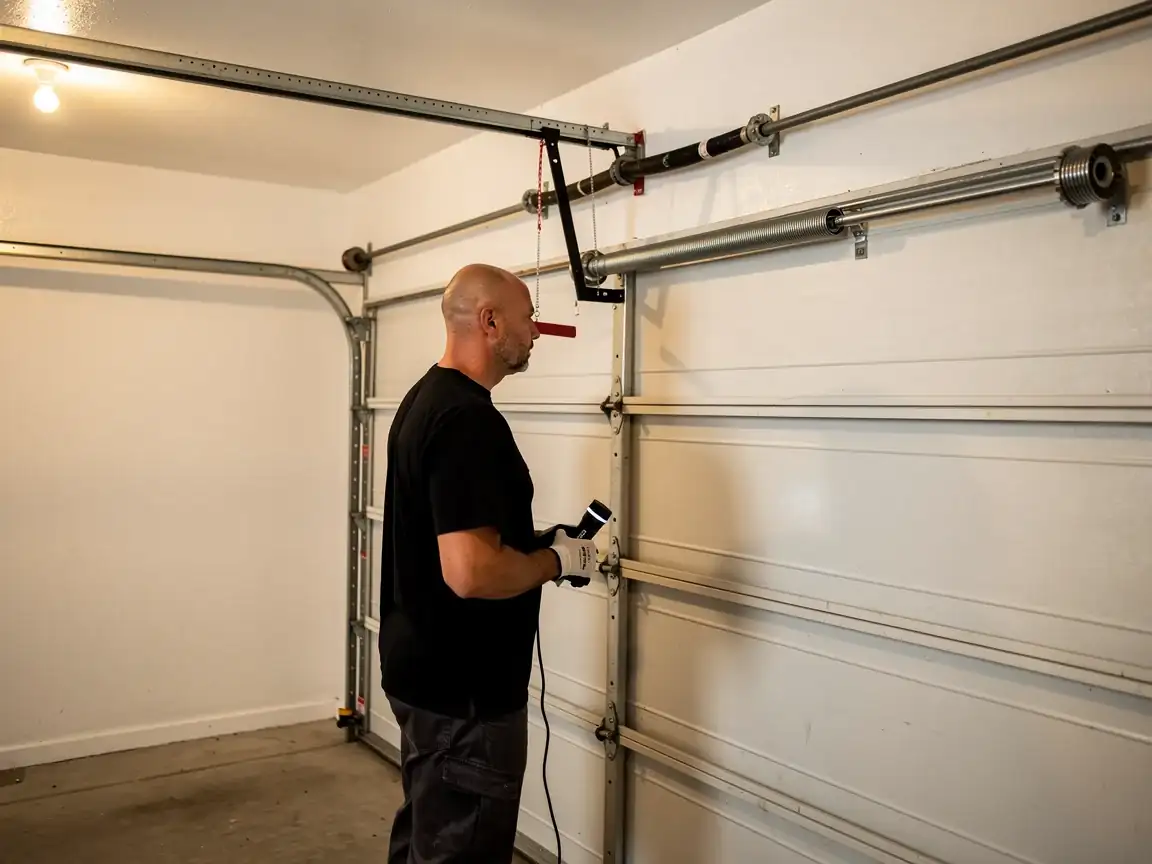
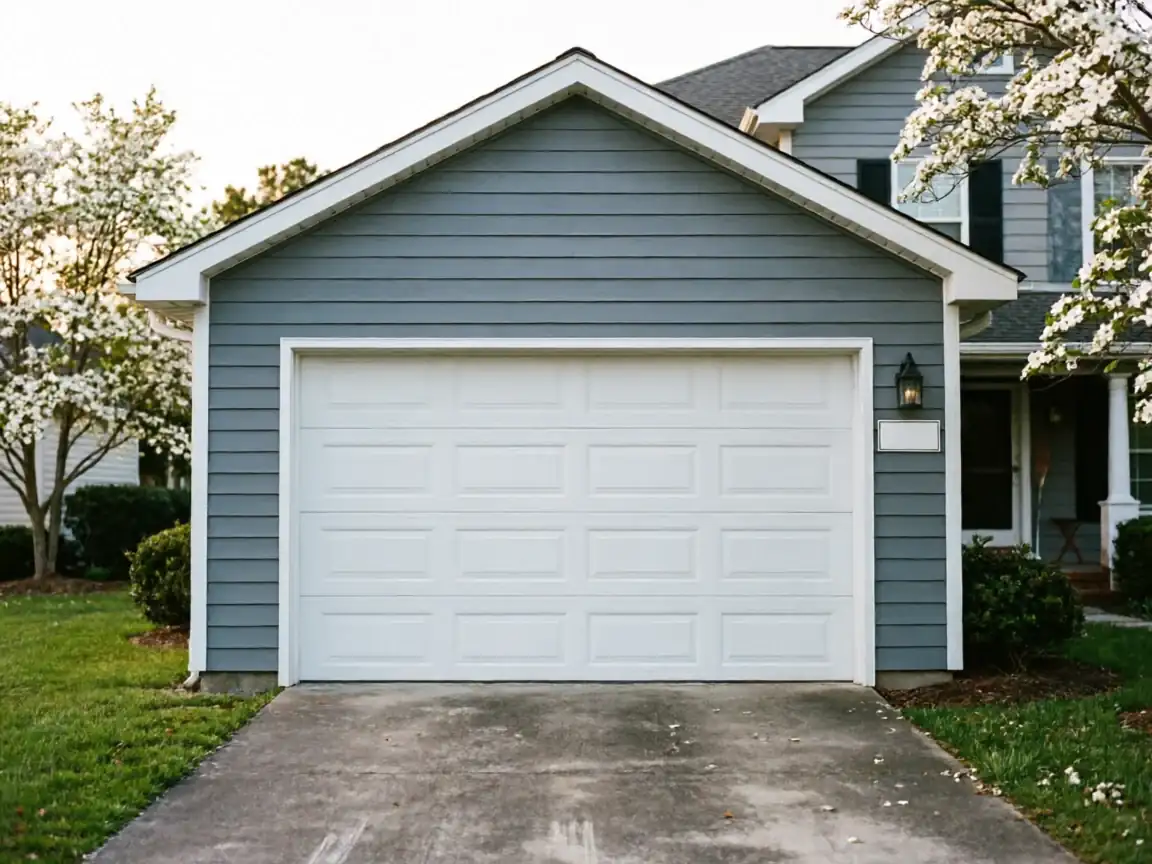
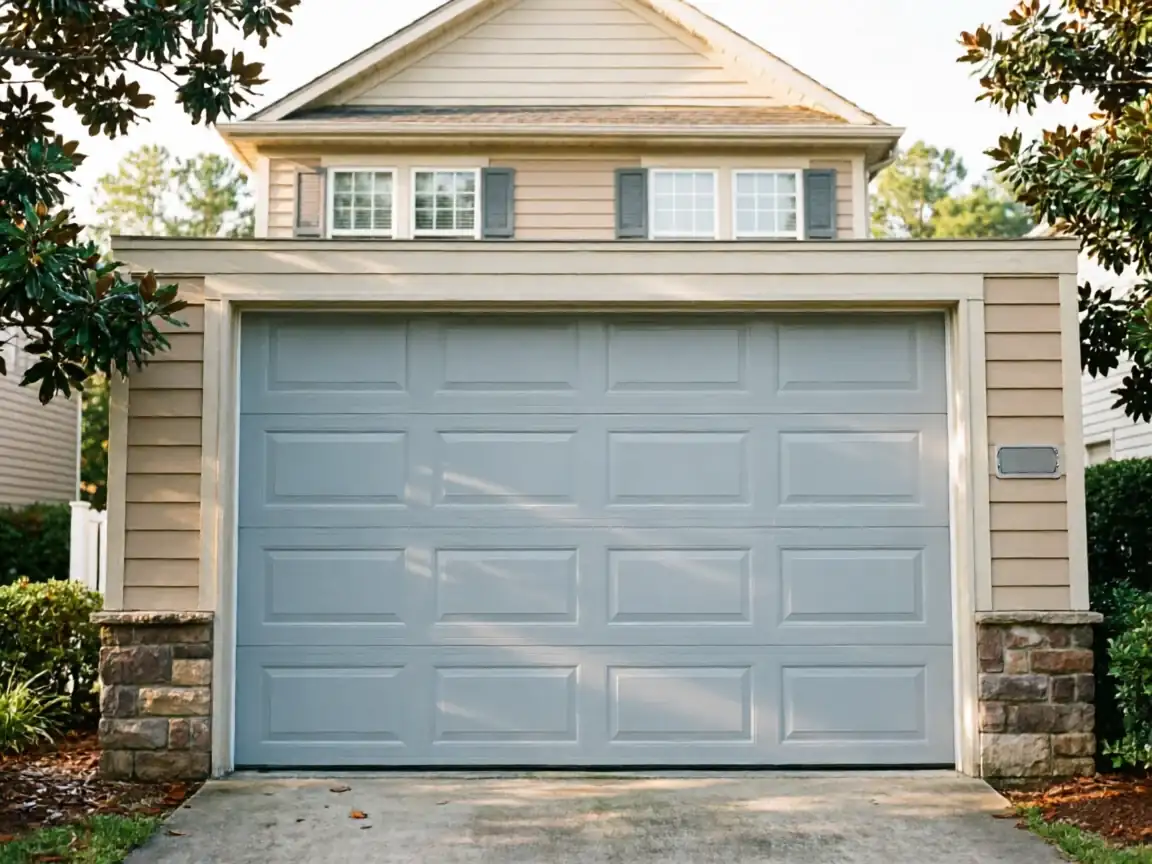
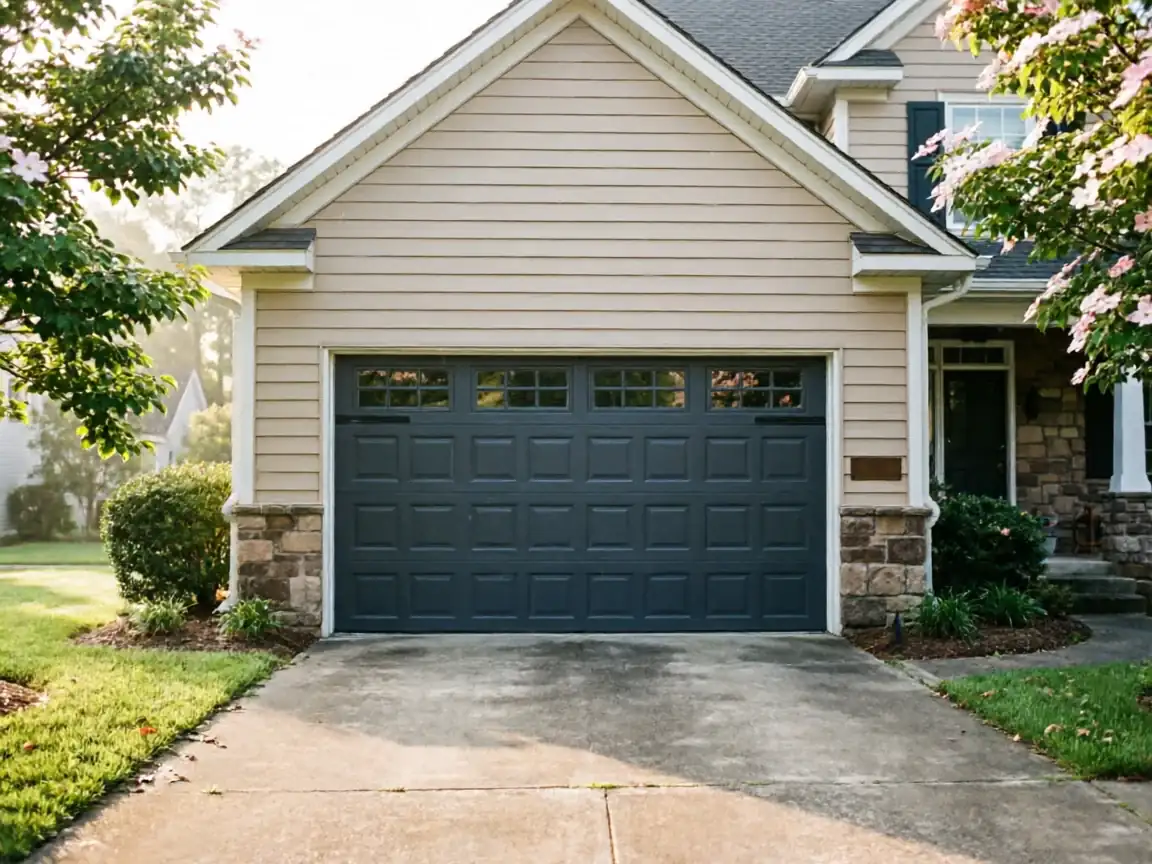
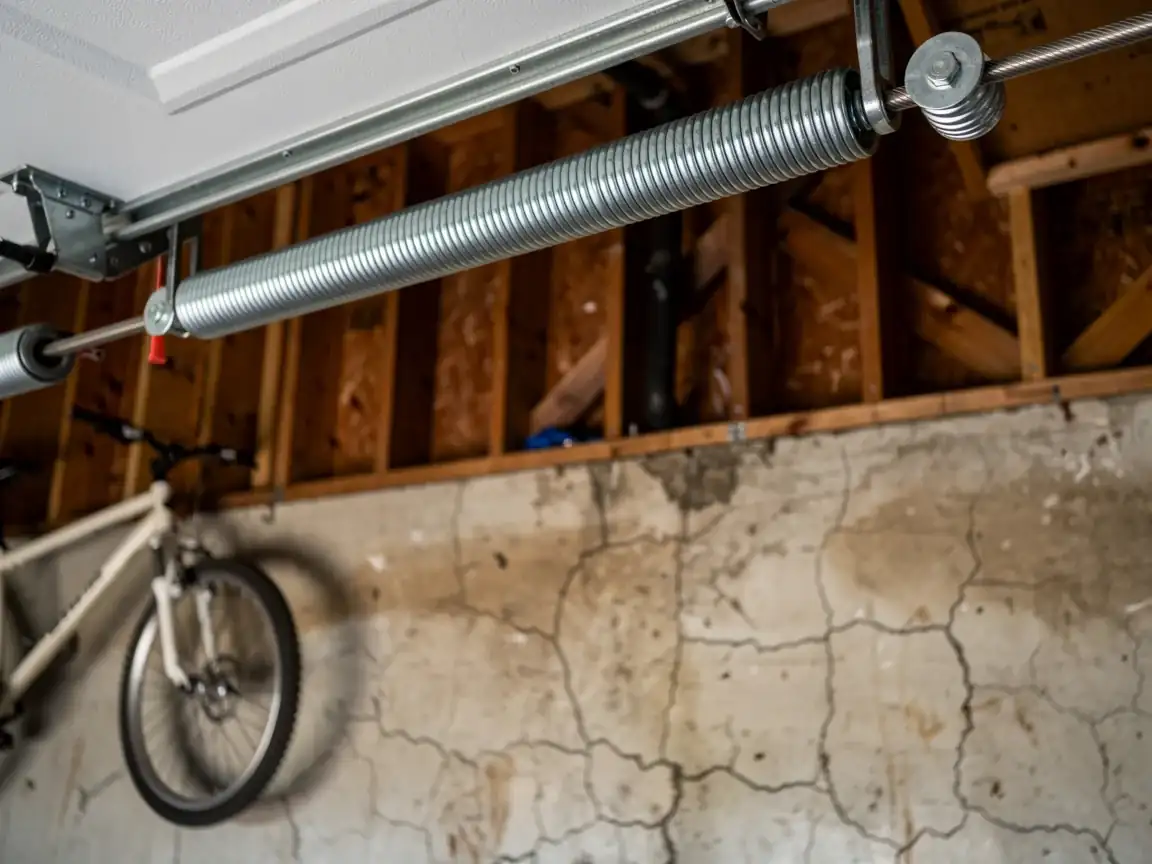
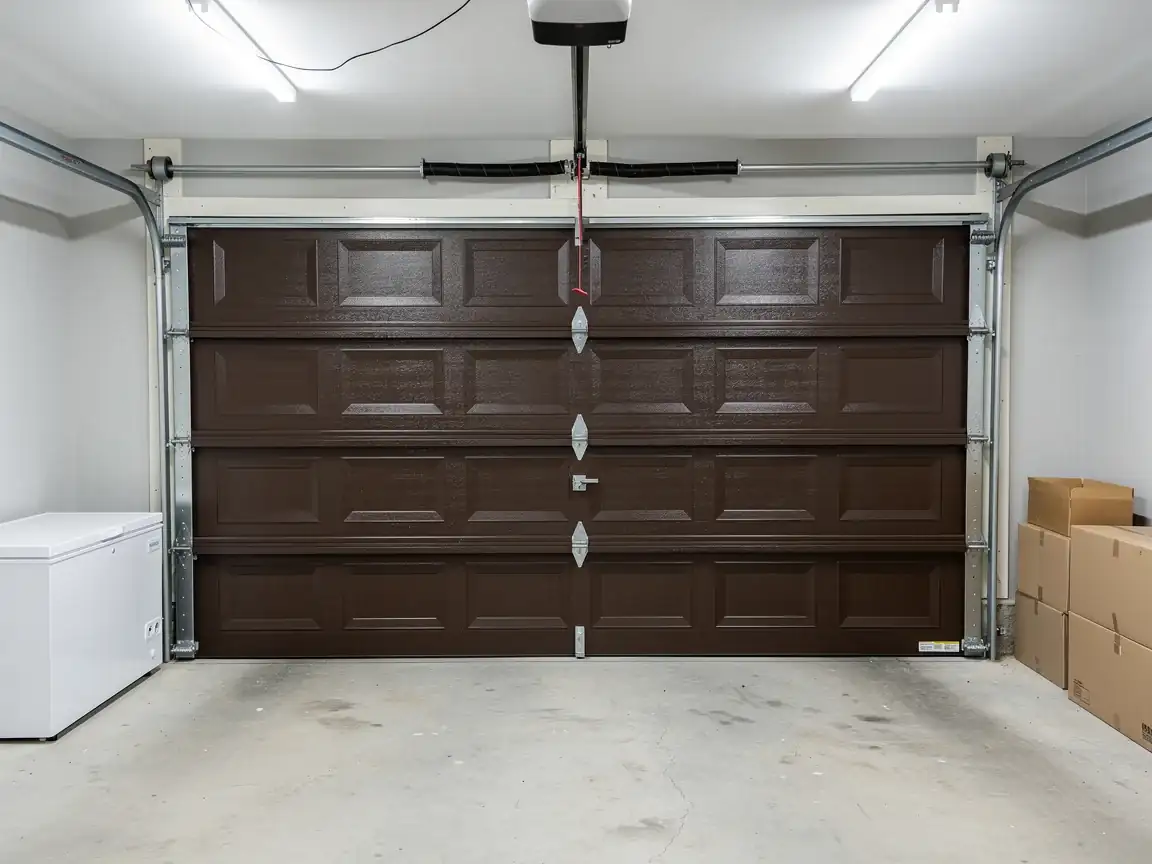
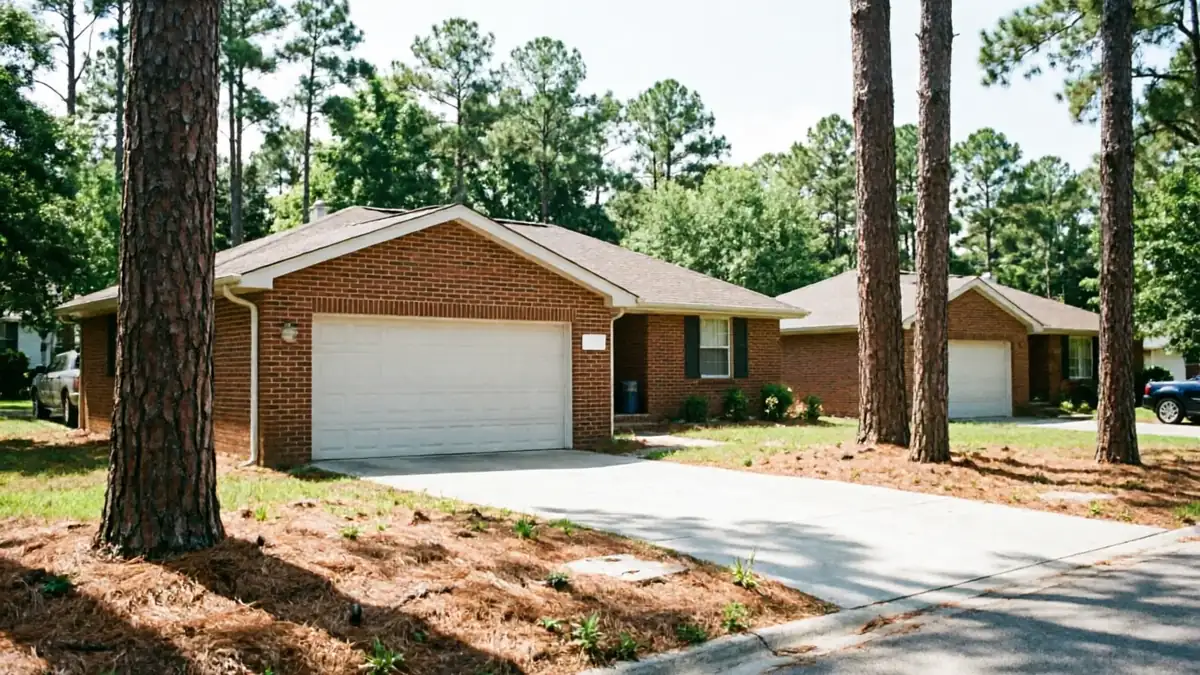
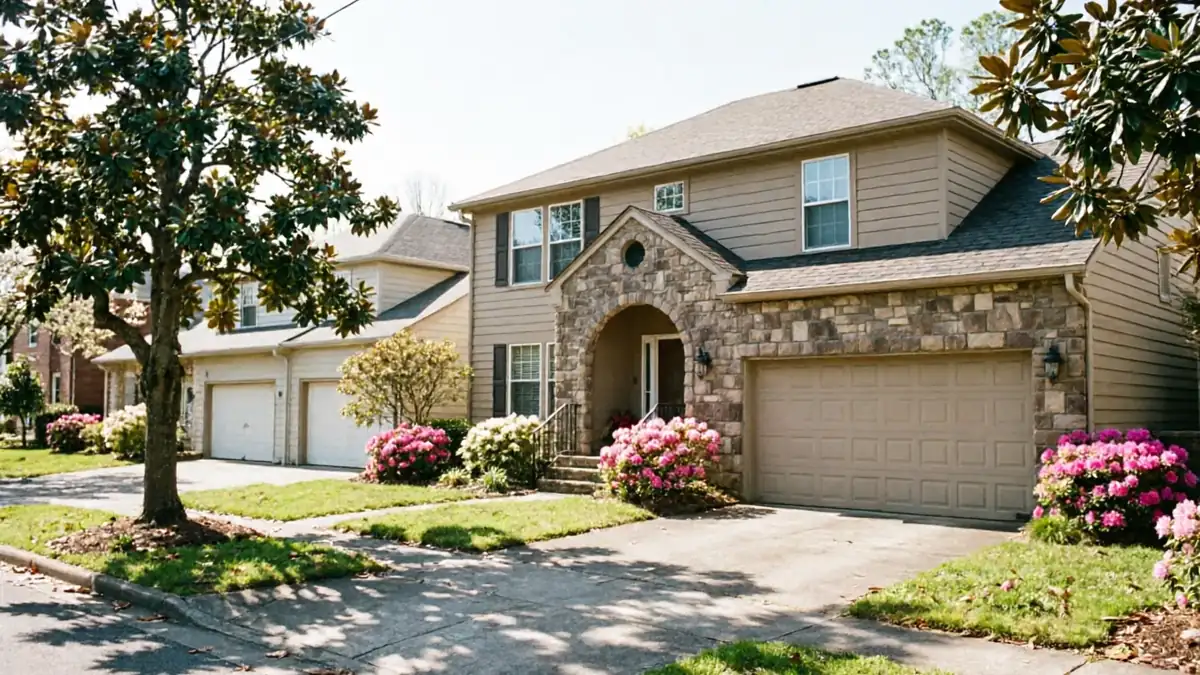
The median year built here lands around 2002, while the broader footprint we cover runs from 1951 to 2007 with a median closer to 1984 and most of the stock dating to the 1980s and 90s. That gap matters. A neighborhood built in 2002 is working with steel sectional doors, torsion springs mounted on a center shaft, and factory photo-eye sensors as standard equipment, not something bolted on later.
With roughly 8,545 households in Sugar Hill and a median income near $99,479
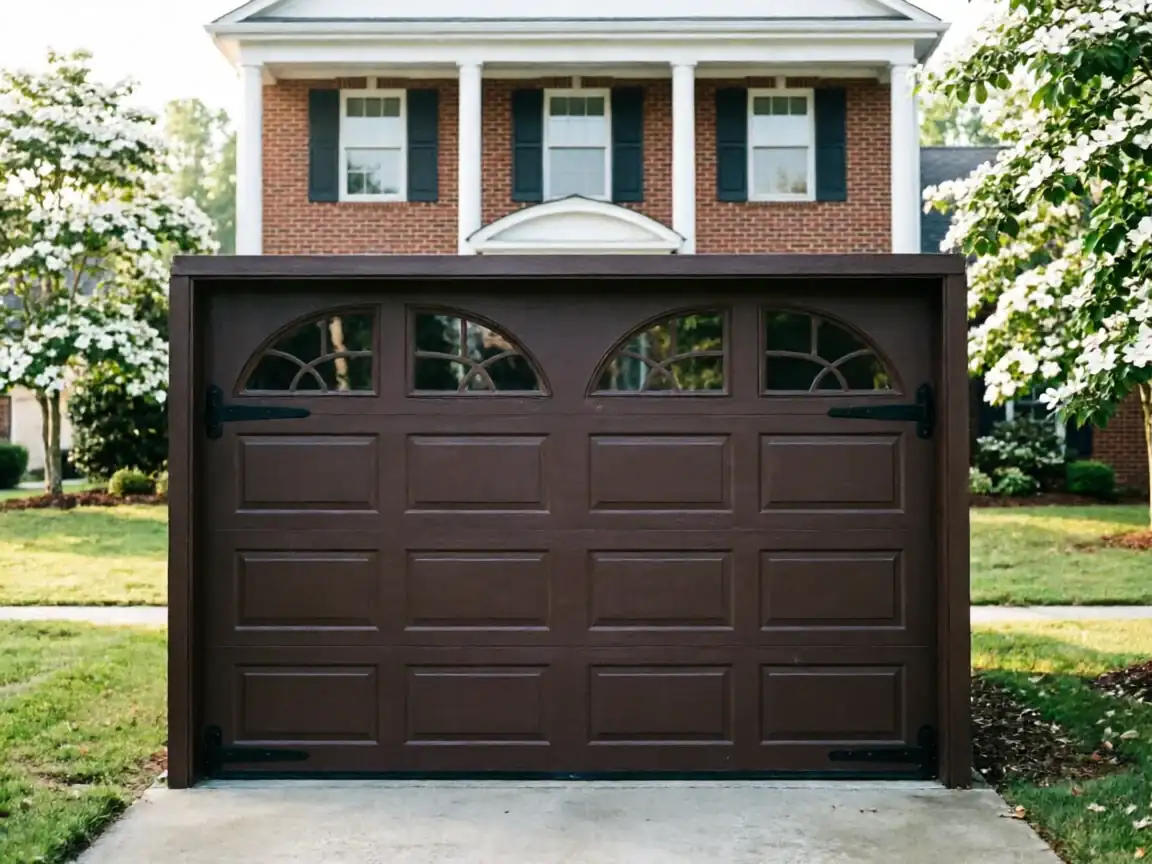
We're usually looking at mid-size two-car openings on standard 7-foot headroom, not the oversized or custom doors you'd find on older estate lots. Across the full service area there are about 119,545 households and 36,048 owner-occupied houses, so Sugar Hill is one piece of a much bigger picture, but it's a piece with its own build pattern. The door on a 2002 house and the door on a 1984 house fail in different ways, and that's the point of this page.
- 8,545 households
- $99,479 median household income
- 119,545 households
The Drive Over
We run out of Alpharetta, and Sugar Hill sits about 14 miles from there. That's close enough to get a truck out for a same-day look in most cases, though we don't promise a response window here that we can't back up - if you need an exact time, ask when you call rather than assume.
The region falls in a cold-moderate climate band, which means winter mornings can stiffen up steel rollers and nylon rollers alike, and a spring that's already marginal will often announce itself on the first cold snap rather than in July. That's a weather pattern, not a Sugar Hill quirk by itself, but it's worth knowing before you decide a noisy door in January is nothing.
Old Streets and New Ones
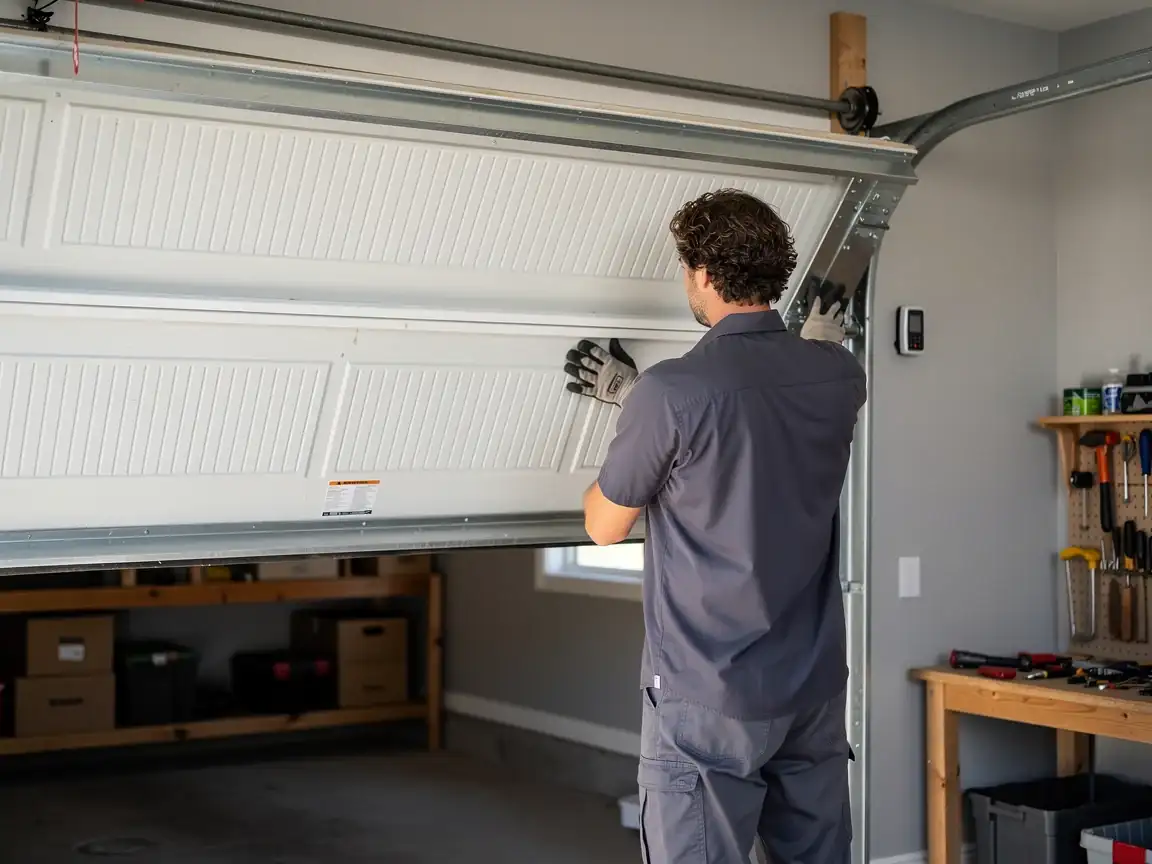
Sugar Hill is one of nineteen named areas we track inside this service territory, sitting at roughly the same 14-mile mark as Holly Springs and a bit farther out than Peachtree Corners, Berkeley Lake, or Mountain Park at 8 miles each. That spread means the door hardware we carry on the truck has to cover a wide range of ages in a single day - a 1980s torsion setup on one call, a 2002 factory system on the next.
Within Sugar Hill itself, you'll find pockets that match that 2002 median build almost exactly, and the hardware in those homes is still mostly original: steel torsion springs rated for a standard door weight, factory openers with the chain or belt drive common to early-2000s construction. We're not naming specific streets because we don't have a verified list of them - only the broad pattern tied to the build year. What we can say is that a house built right around 2002 is old enough now that its first opener and first spring set are reaching the end of a normal service life, which is a different conversation than the one-piece door problems you get in 1960s stock.
How That Shows Up in the Door
On a house from around 2002, the failures we expect are opener-side
Logic boards that stop responding to a remote, photo-eye sensors knocked out of alignment by a stored bike or a shifted shelf, and worn nylon rollers that start out quiet and end up clattering through the track. Torsion springs from that era are usually still original and starting to show fatigue - not broken yet, but cycling slower and louder than they did new.
That's a different repair list than you'd write for a door from the 1980s
Where galvanized springs and heavier steel rollers tend to go the full distance but the opener is the weak link instead. We size springs and openers to the door and the house's age, not to a generic chart, which is why we ask the build year before we ask much else. One limit worth stating plainly: if a spring or track part is a discontinued factory part from that build era, it can take longer to source than a standard stock item, and we'll tell you that up front rather than guess at a delivery date.