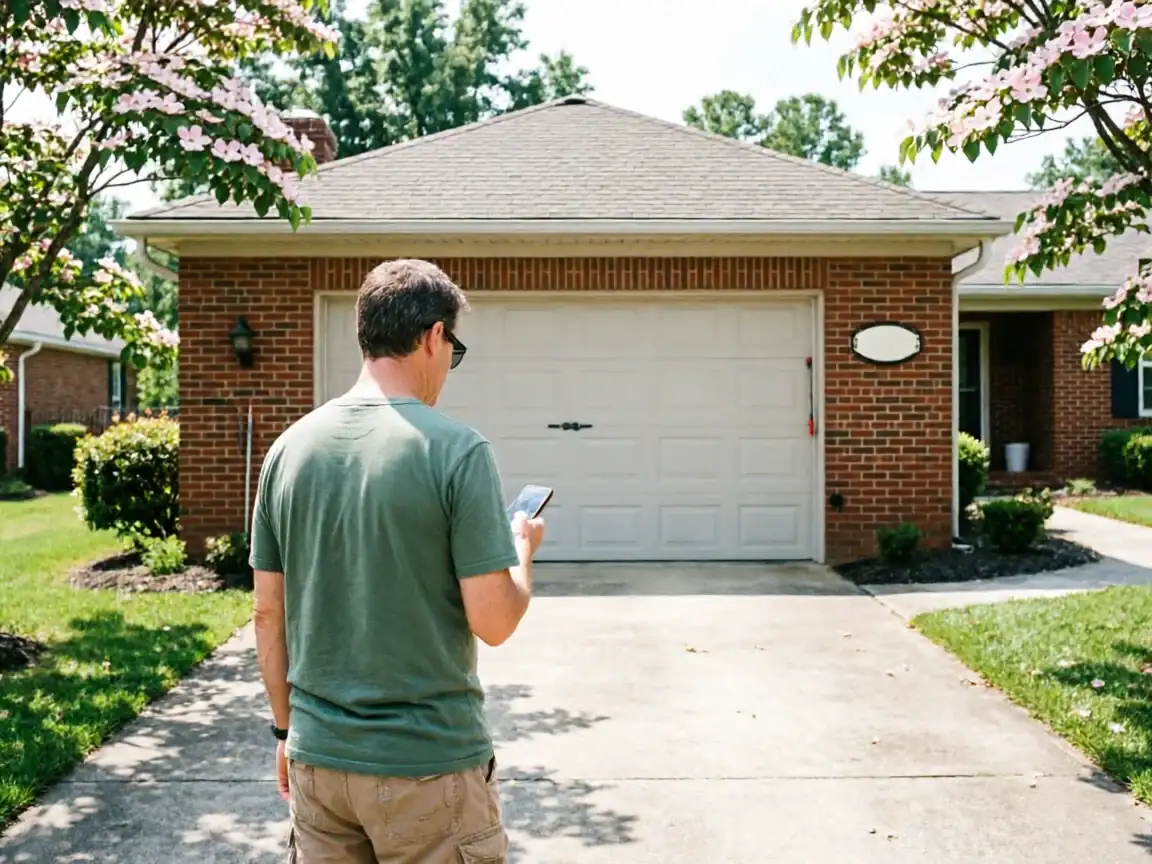
The Symptom
Most garages in Sugar Hill went up around 2002
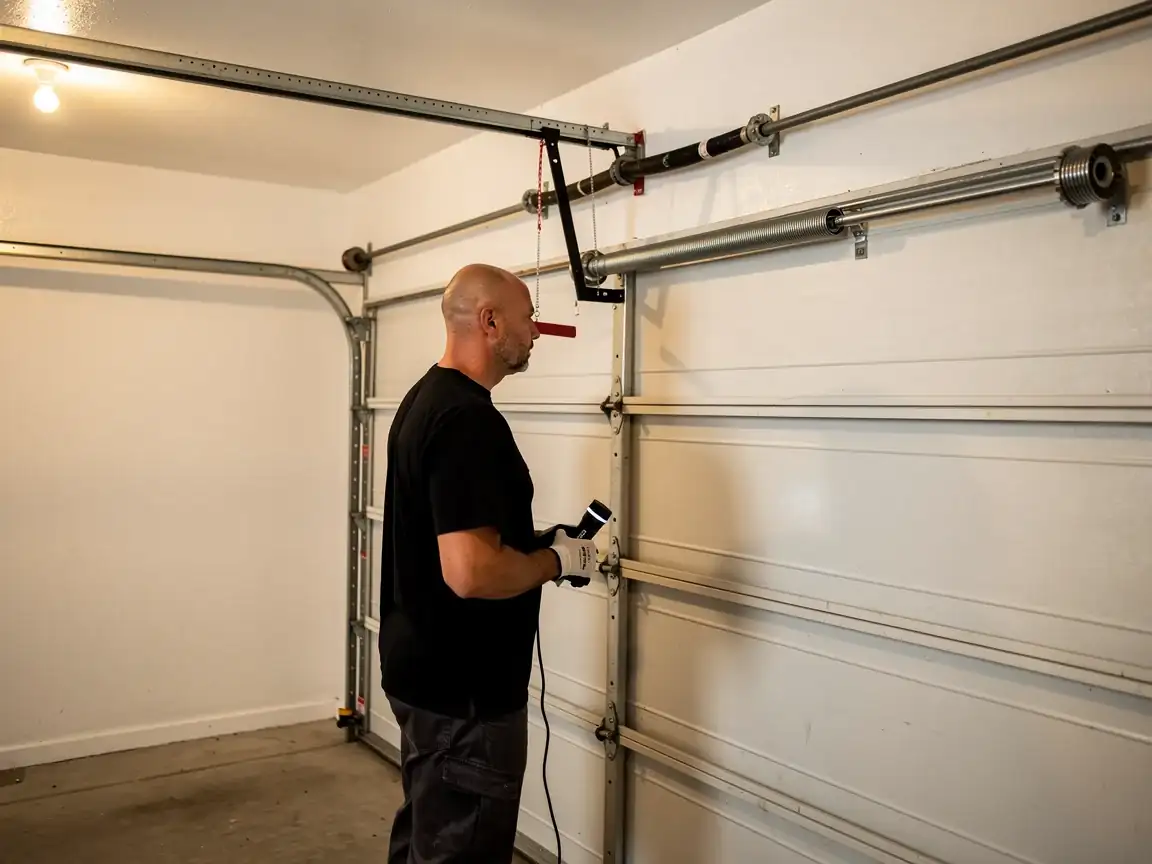
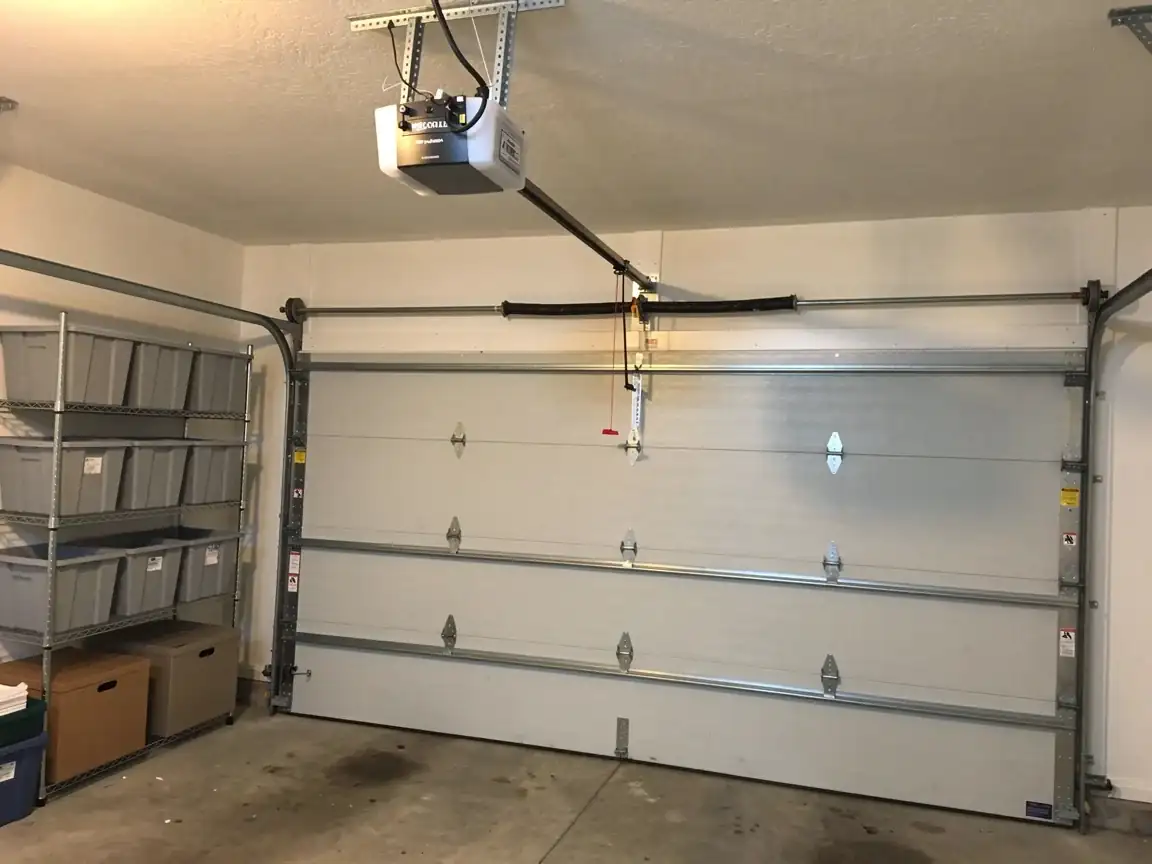
And that number matters more than any other on this page. A door and opener installed when a house is built don't last forever - torsion springs are usually good for somewhere around 10,000 cycles, and a door opening twice a day for twenty years is well past that math. What you see first is a door that feels heavier than it used to, or an opener straining and grinding where it used to run quiet.
The other thing that shows up at the twenty-year mark is the skin itself
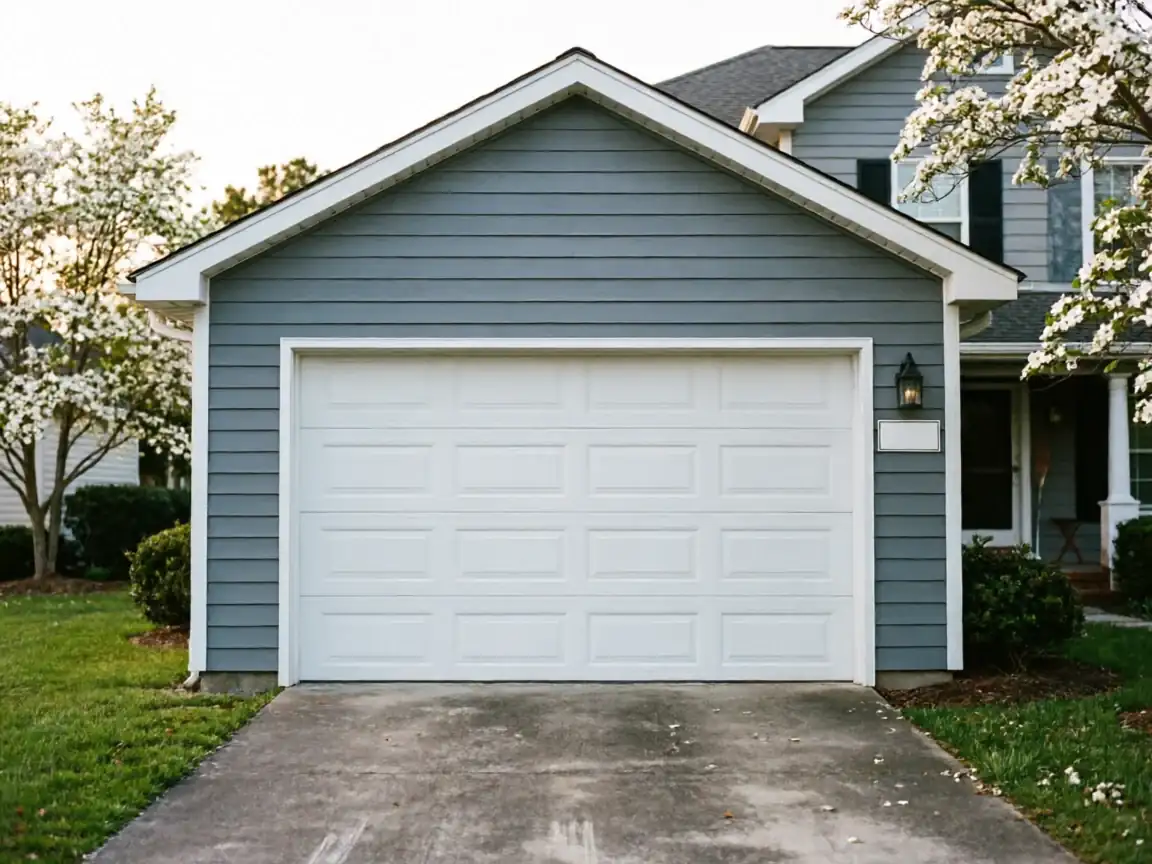
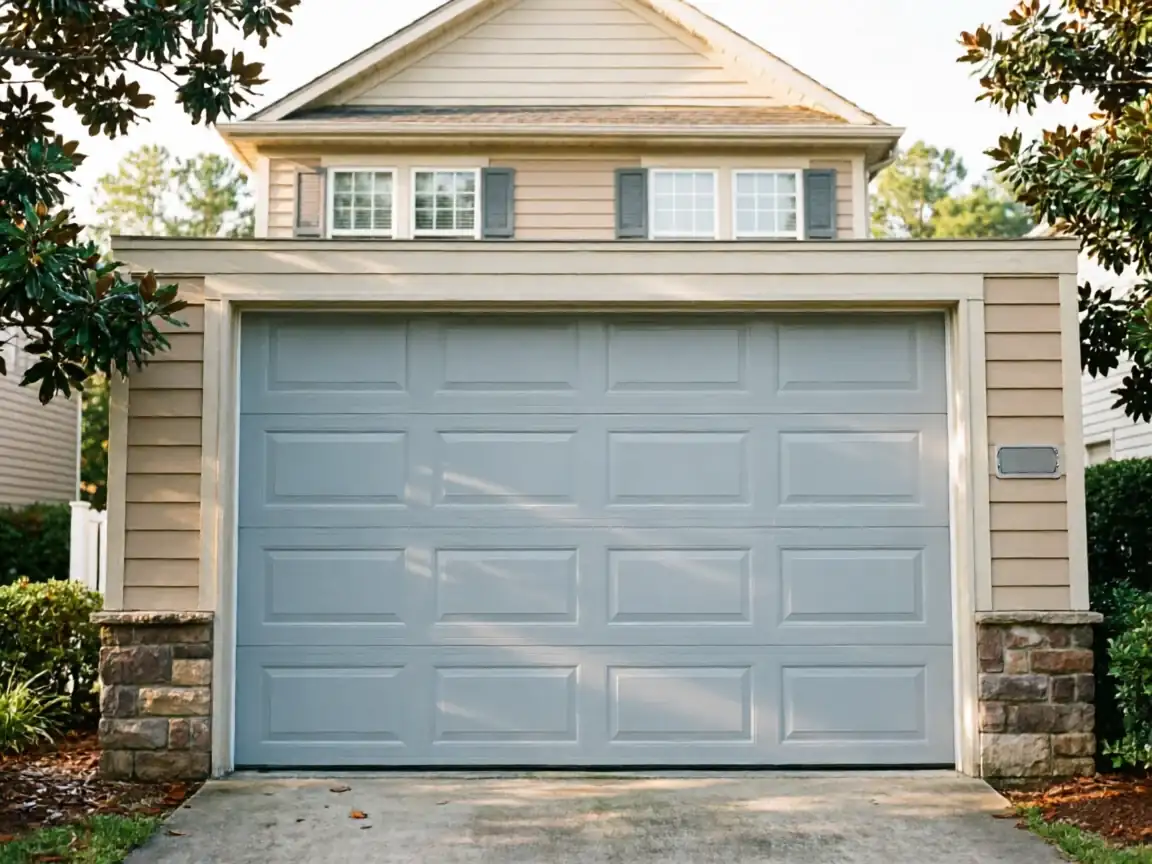
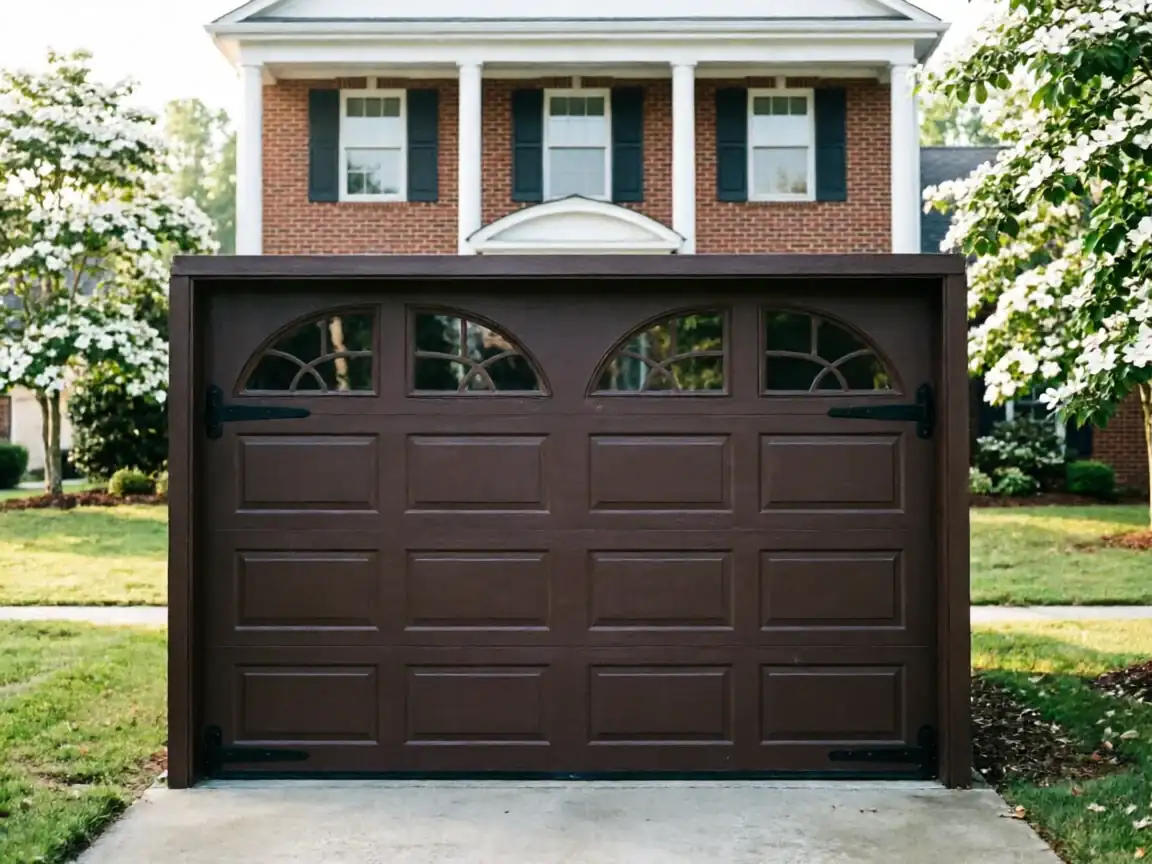
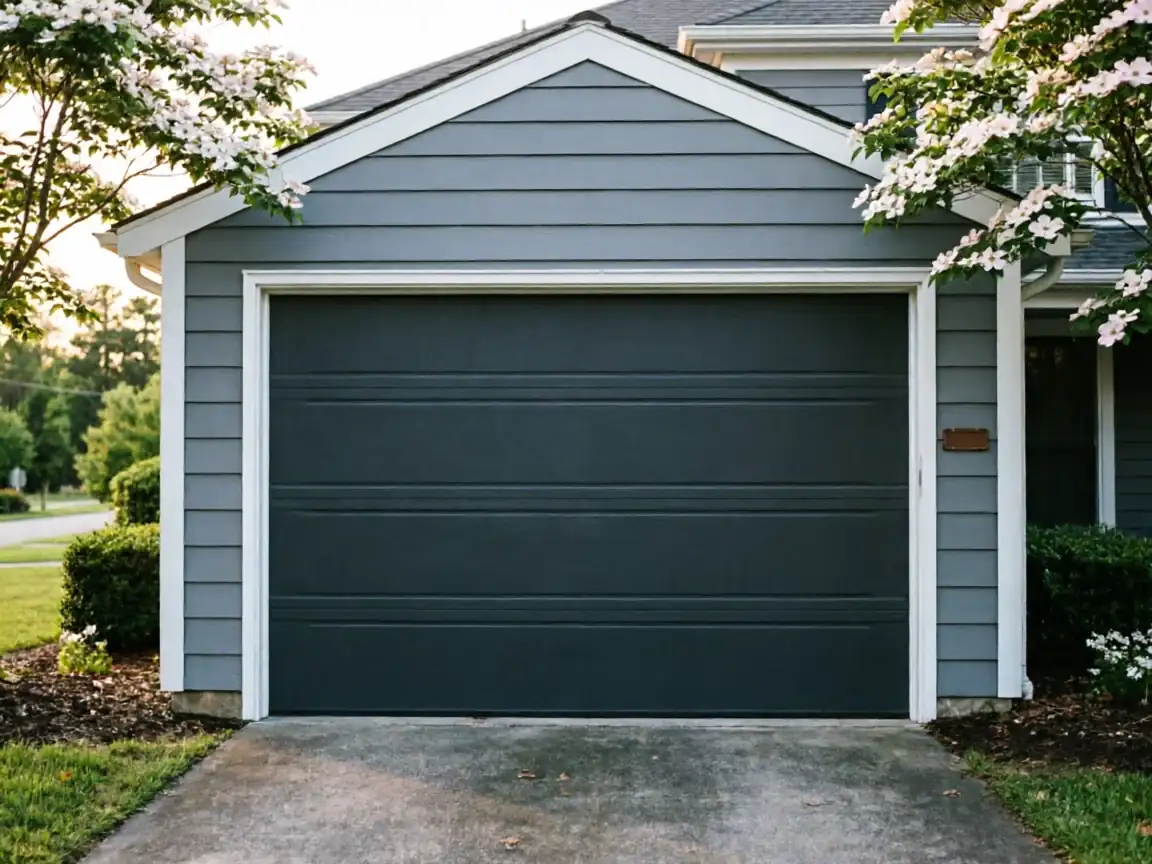
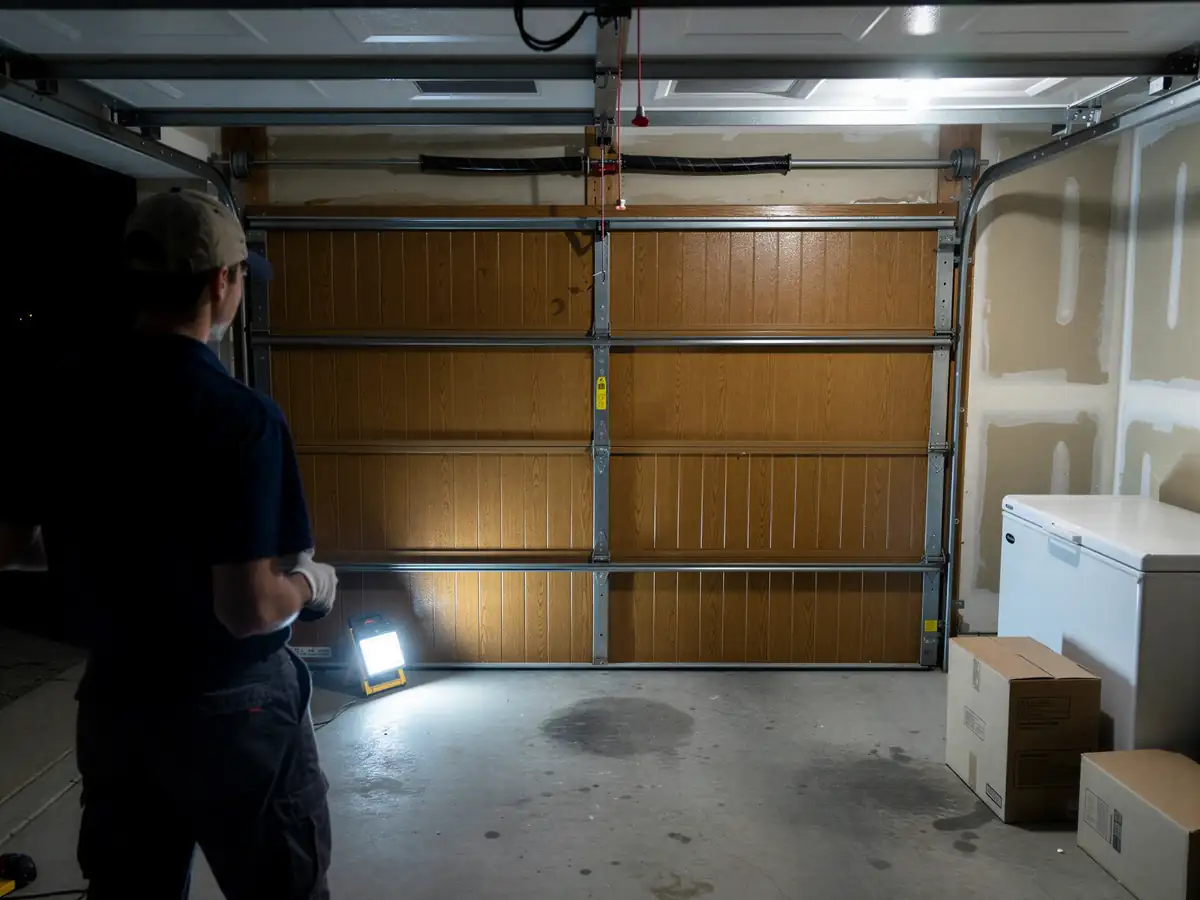
Builder-grade steel sectional doors from that era were usually single-layer or thin double-layer, with foam that's degraded and sagged inside the panel. You'll feel it as a draft along the bottom seal or see it as a door that dents if a bike leans into it wrong. None of that means the opener motor or the track is bad - it just means the door itself has aged out, and in a lot of Sugar Hill garages, that clock ran out a while back.
This isn't a universal repair-or-replace rule for every house in the area
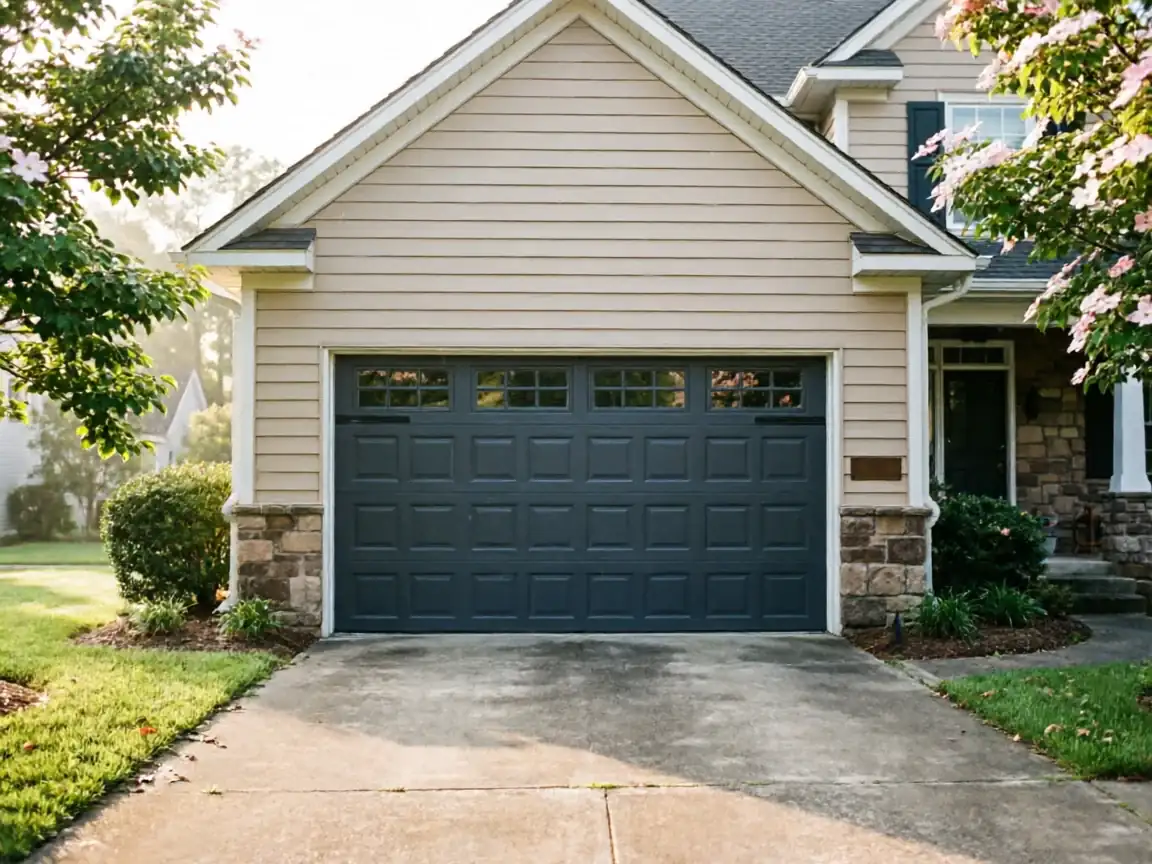
Some owners had doors swapped out already, some are on original hardware. But if nobody's touched the door since the house was built, 2002 is close enough to now that replacement is worth pricing before you spend more on patch repairs to a door that's at the end of its run anyway.
Time on the Job
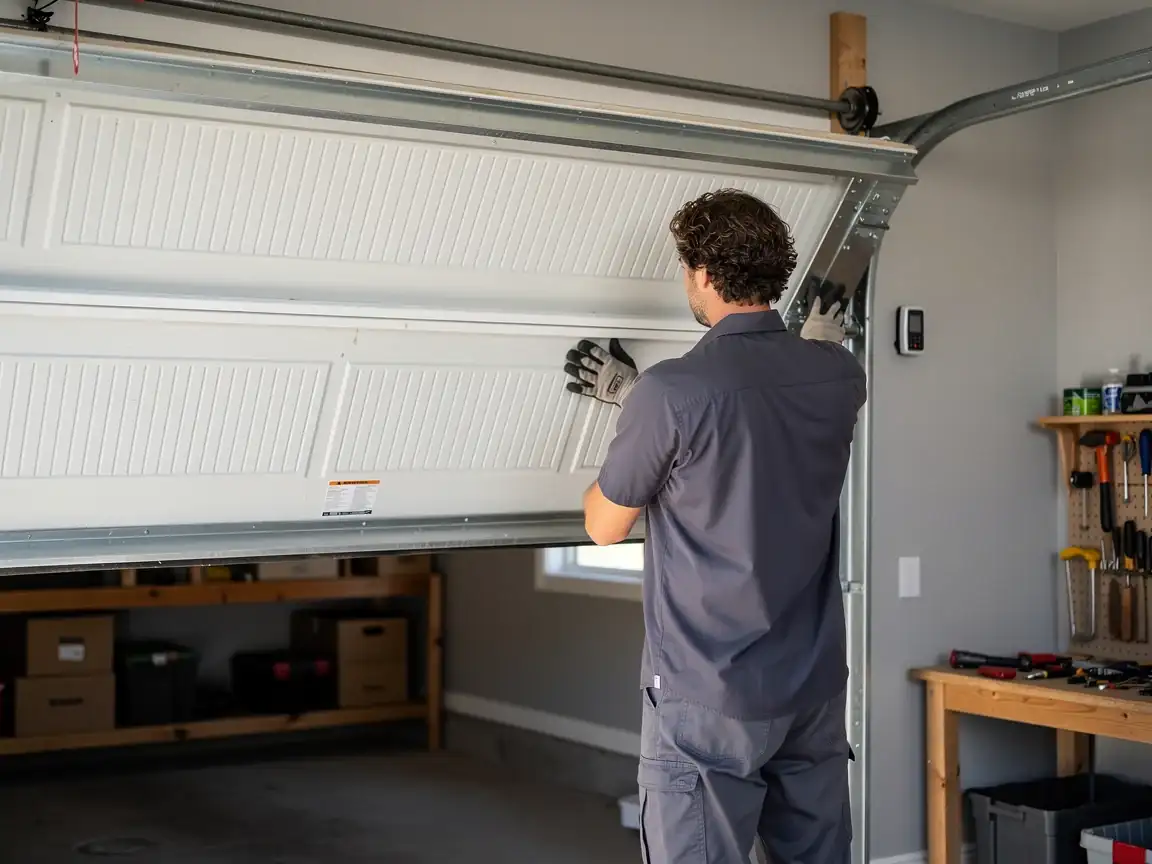
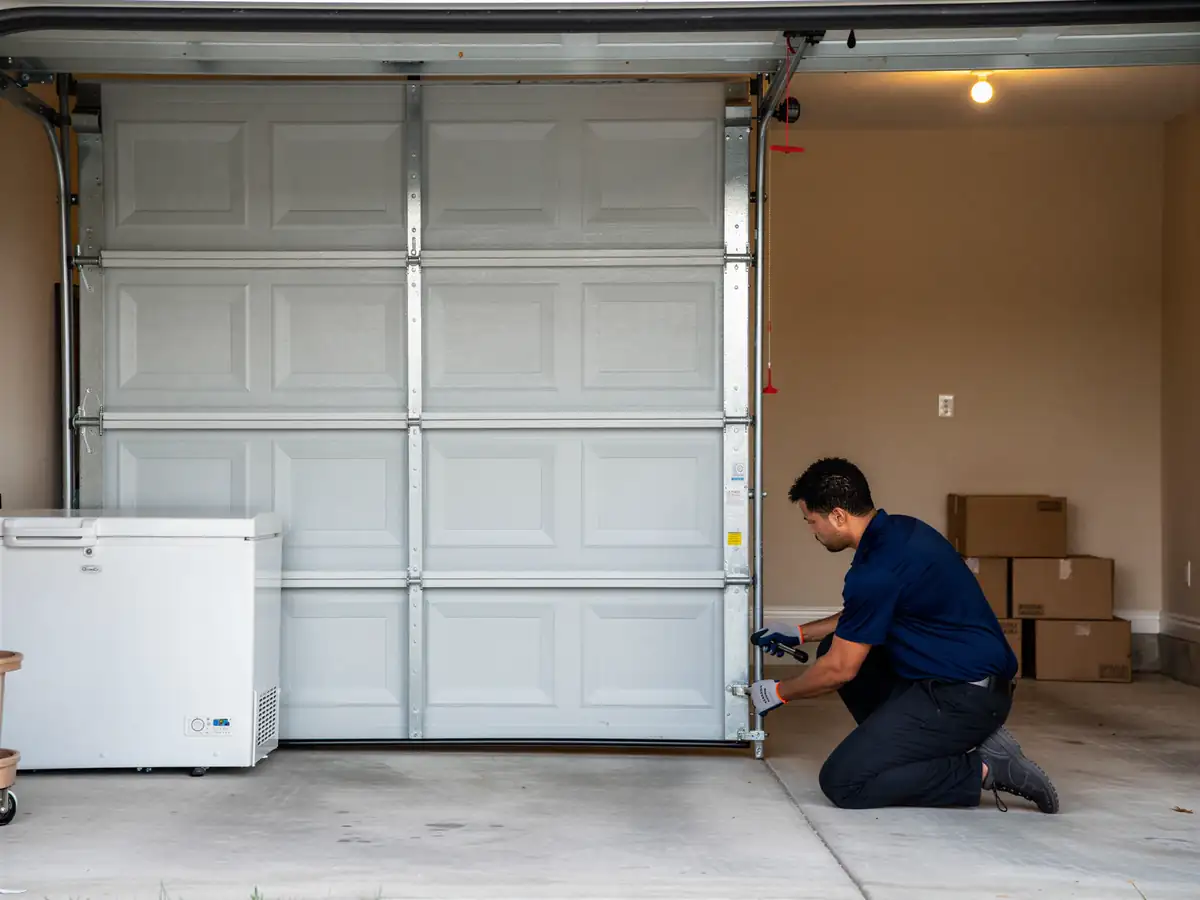
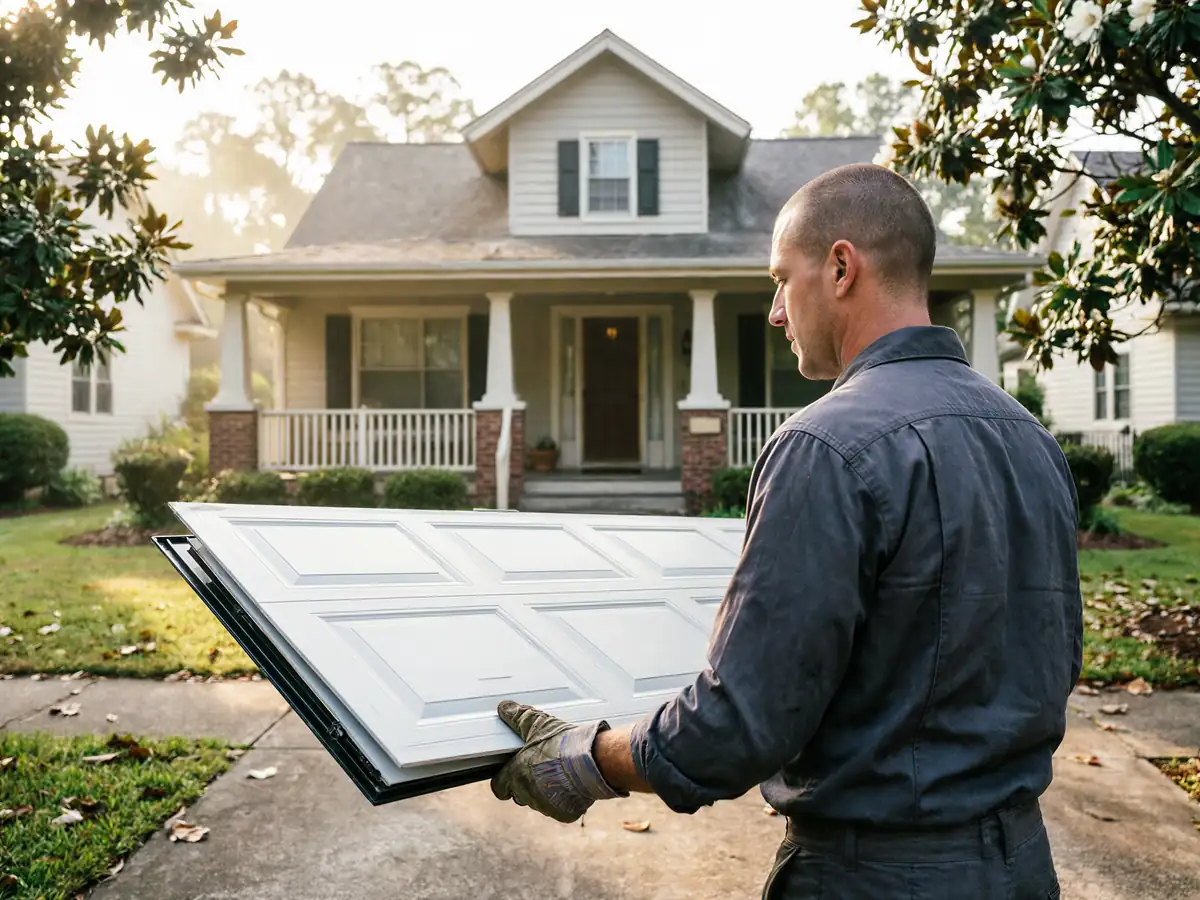
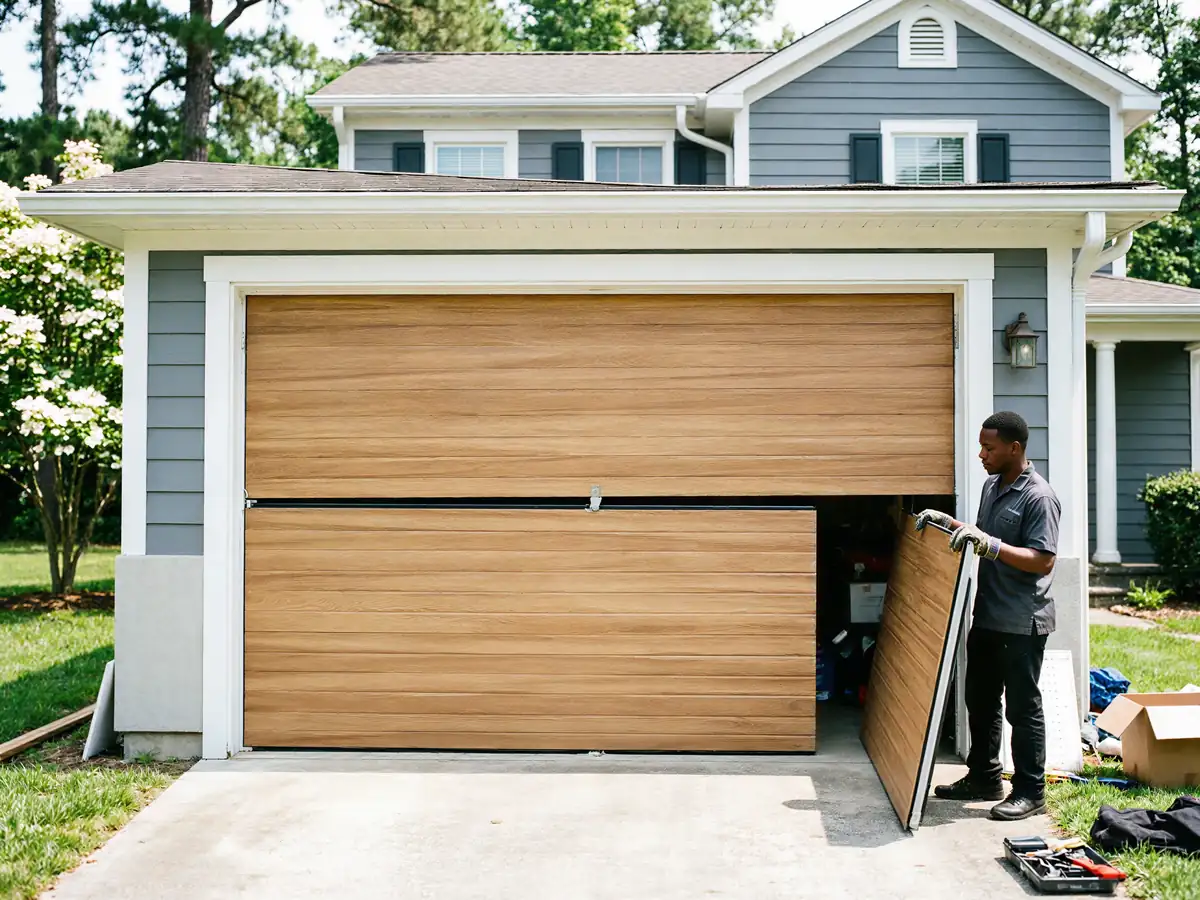
A straightforward single door swap - same size opening, new door, new springs sized for it - is usually a one-day job once the door itself is on hand. Double doors and anything that needs structural work around the opening take longer, and we'll tell you that up front rather than guess on site.
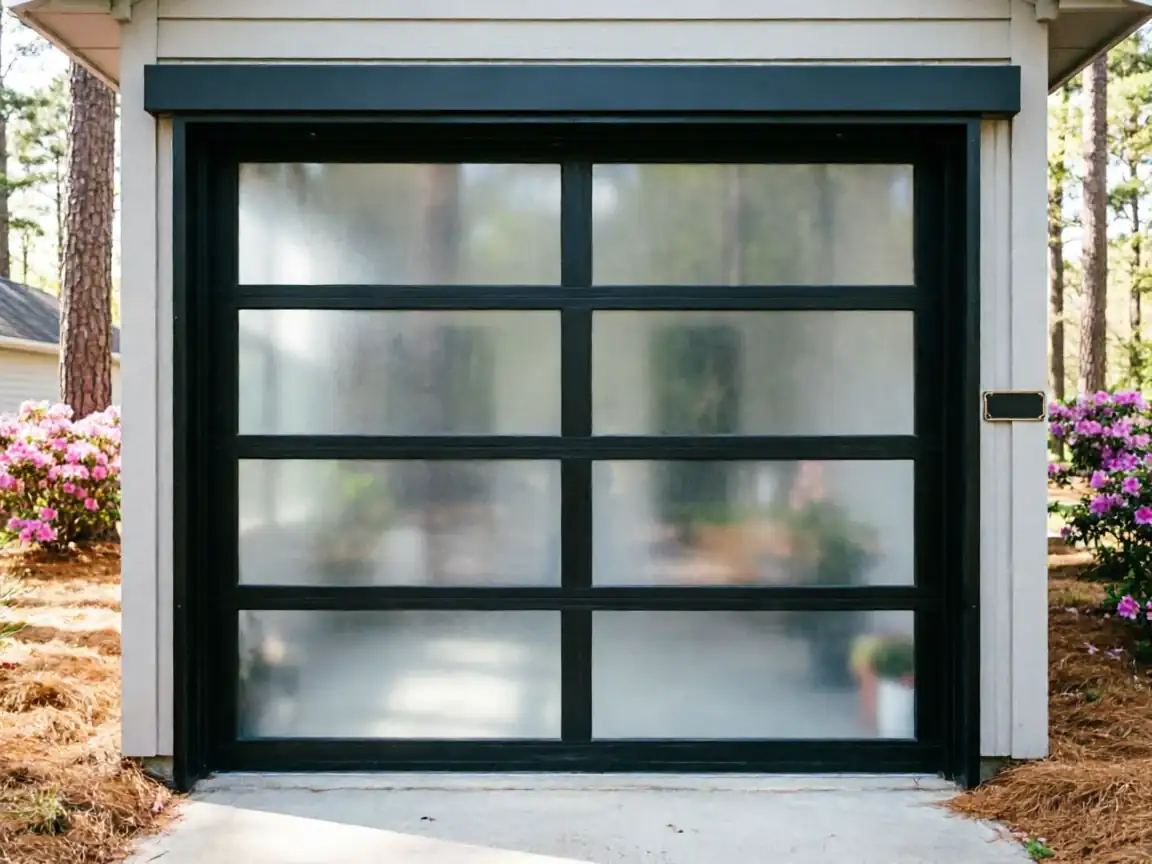
Where the schedule actually slows down is the door itself. Custom widths, specific insulation packages, or a color that isn't a stock finish all come from the manufacturer on their timeline, not ours. If you want something standard, we can usually get it faster. If you want something specific to the house, plan for a longer lead time between the quote and the install date. We'll give you a real number once we know what you're ordering - we won't promise a date before the door is actually on the truck.
What You Pay
We don't publish a flat price here because the range on a new door install is wide - it depends on the door size, the insulation level, whether the opener gets replaced too, and whether the existing track and framing are reusable or need work. A single door with a basic non-insulated panel costs less than a double door with an insulated steel face and a new belt-drive opener.
What we can tell you is what drives the number up or down. Reusing a sound opener and track keeps the bill lower. A door that needs insulation because it backs onto a living space, or because you're tired of the cold coming through in January, costs more up front but less to heat around over the years. We'll walk the actual garage, measure the opening, and give you a written number before anything gets ordered - not a phone estimate.
What Causes It Around Here
This area sits in a cold-moderate climate band
Which means winters cold enough that an uninsulated steel door turns the garage into an icebox, but not cold enough that anyone built for it as standard back in 2002. That's the gap a lot of these original doors fall into - fine for the climate they were sold into decades ago, less fine now that attached garages get used as workshops, gyms, or extra storage that needs to stay above freezing.
Temperature swings are also hard on springs and hardware that are already two decades old
Metal fatigues faster with repeated expansion and contraction, and a spring that's marginal in September can snap on the first hard cold morning. None of this is specific damage from a storm or an event - it's just the slow wear that comes with an aging door in a climate that isn't gentle on steel and torsion wire.
Getting It Booked In
We run out of Alpharetta, and Sugar Hill is about 14 miles from the shop, so we build that drive time into the schedule rather than treat it as an afterthought. You'll get a specific appointment window, not a vague half-day guess.
Booking starts with a quick conversation about what you've got now - door size, age, whether the opener is staying or going - so we can bring the right hardware on the first trip instead of discovering mid-job that we need a part that's back at the shop. For a full install, we'll usually want to see the opening in person before locking in a final price, since framing and headroom vary house to house even within the same neighborhood and same build year.
The Complications
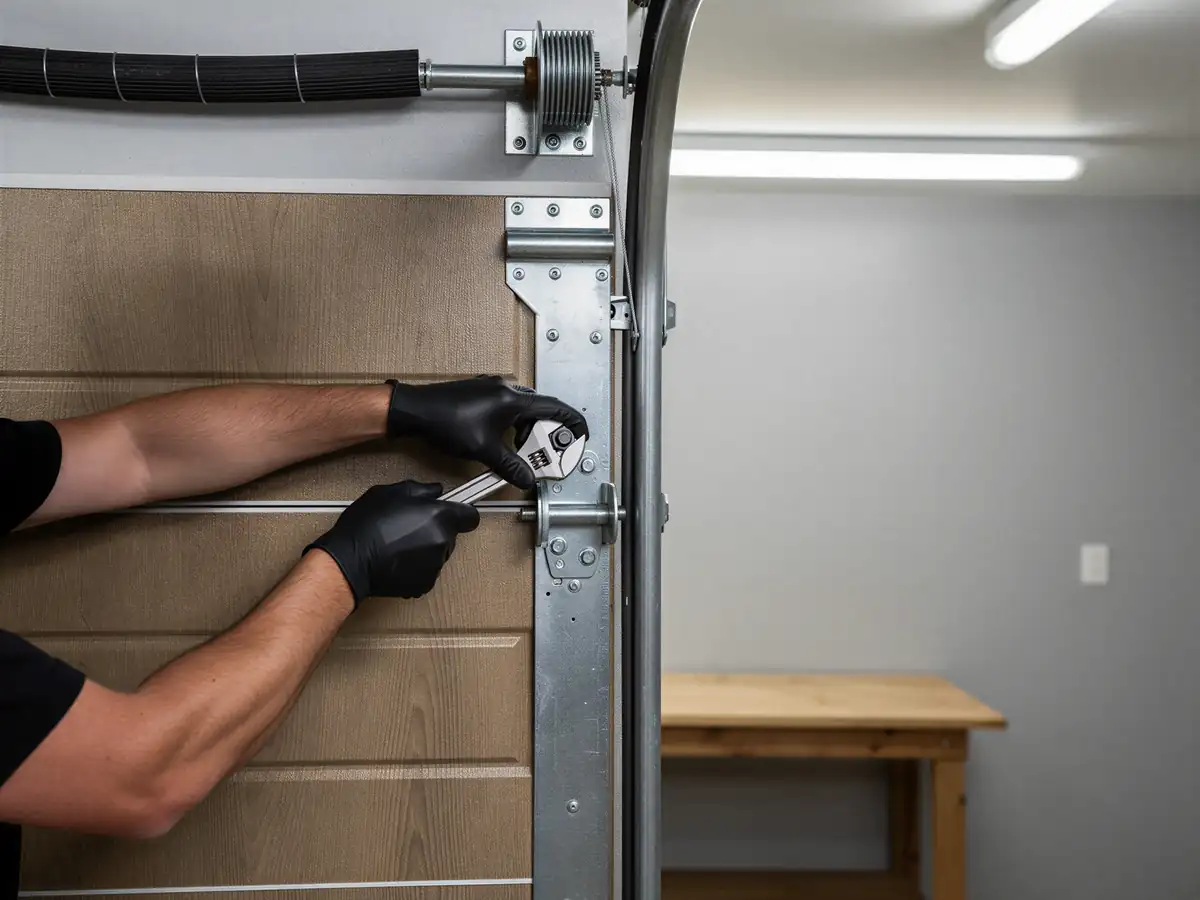
The most common complication on a 2002-era door swap is headroom and track clearance that doesn't match current hardware standards. Garages built in that period weren't always framed with modern torsion spring setups in mind, and fitting a new door sometimes means adjusting the track mount or the header, not just bolting a new panel where the old one was.
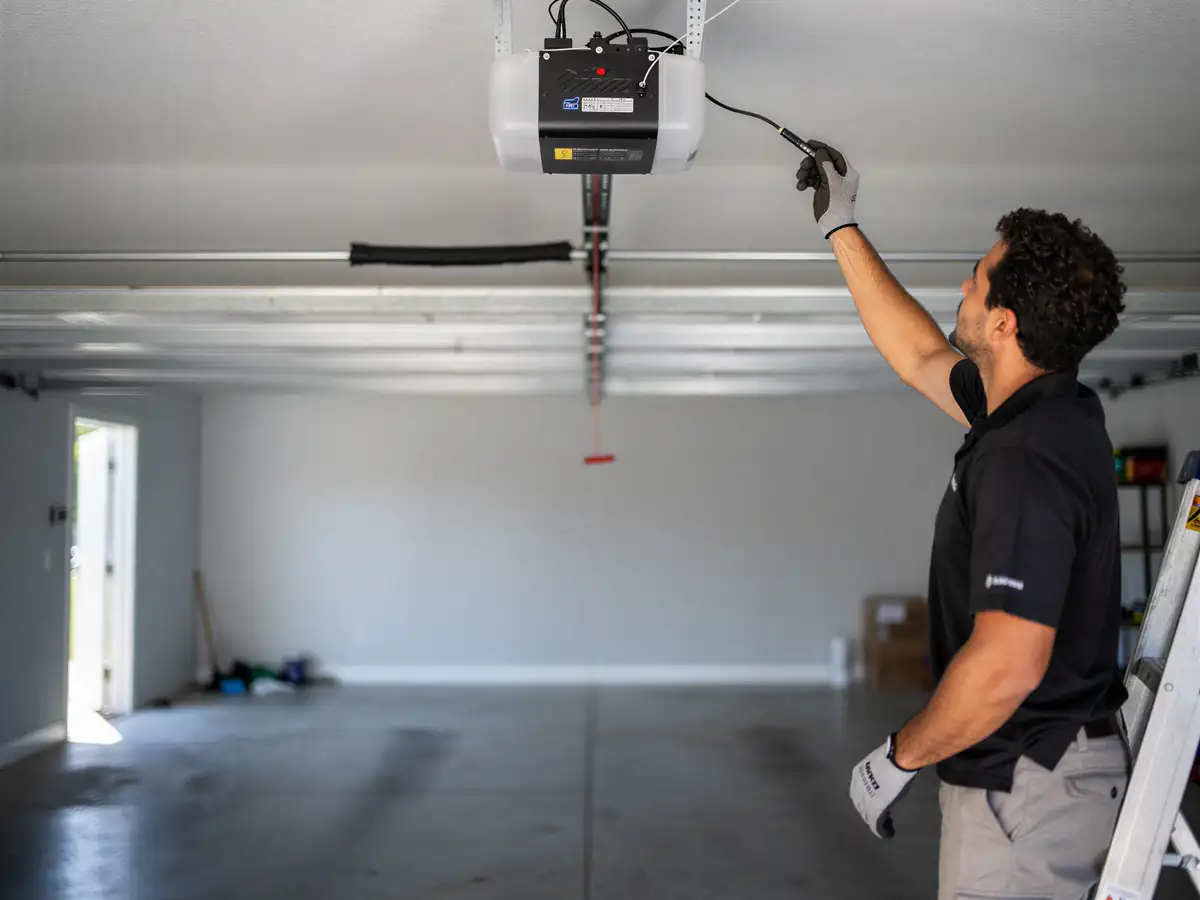
The other complication is the opener. If the door is original, the opener usually is too, and a twenty-year-old opener often isn't worth pairing with a brand new door - the safety sensors and reverse mechanisms on older units don't meet the same standard as what's sold now. We'll flag that rather than install a new door on an opener we wouldn't trust.
One honest limit: we don't do structural framing work beyond the garage opening itself. If the issue is the header or the wall framing and not the door hardware, that's a carpentry job, and we'll say so instead of taking it on.