What Is Going On
When we get a call, the first thing we're doing is figuring out what decade the door is fighting
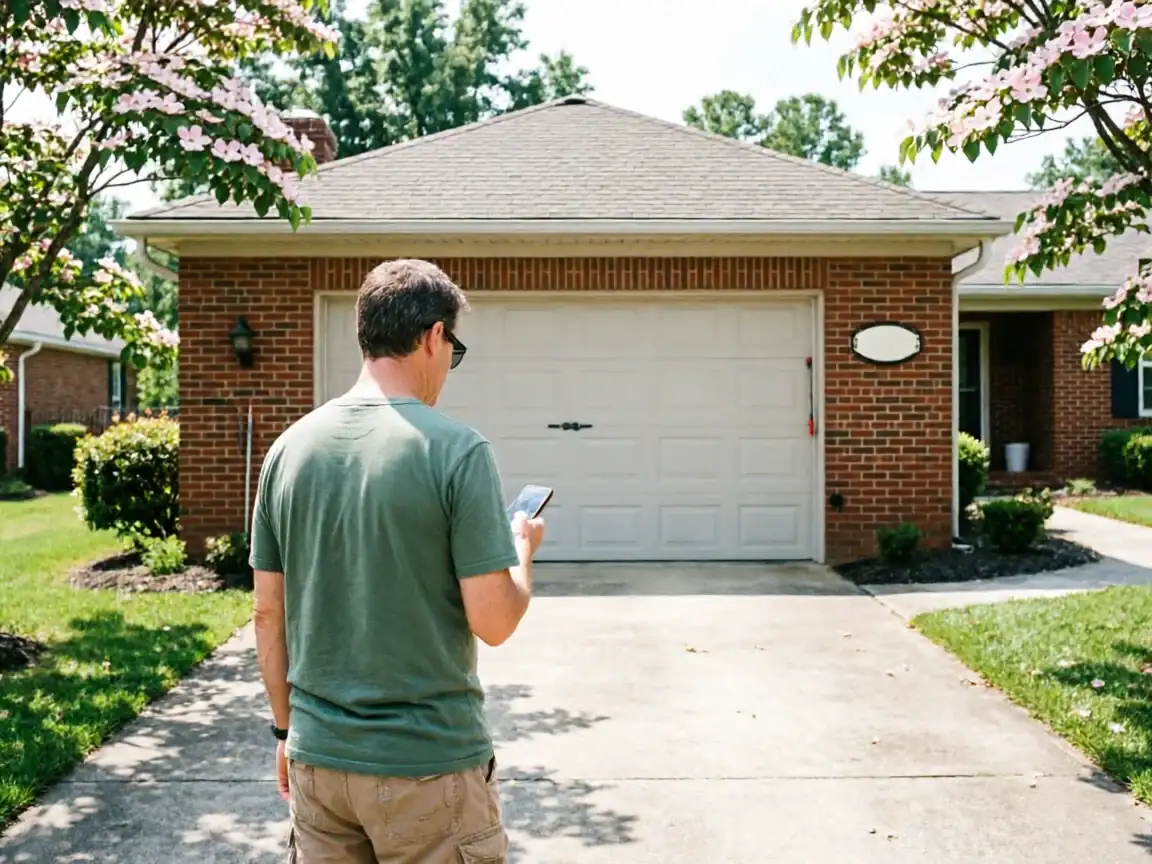
Most of the doors we open calls on here went up between 1951 and 2007, and the bulk of that run falls in the 1980s and 90s. That matters because a door from that era usually has the original torsion spring, the original cable drums, and sometimes the original opener, all of it quietly wearing down a little more each winter.
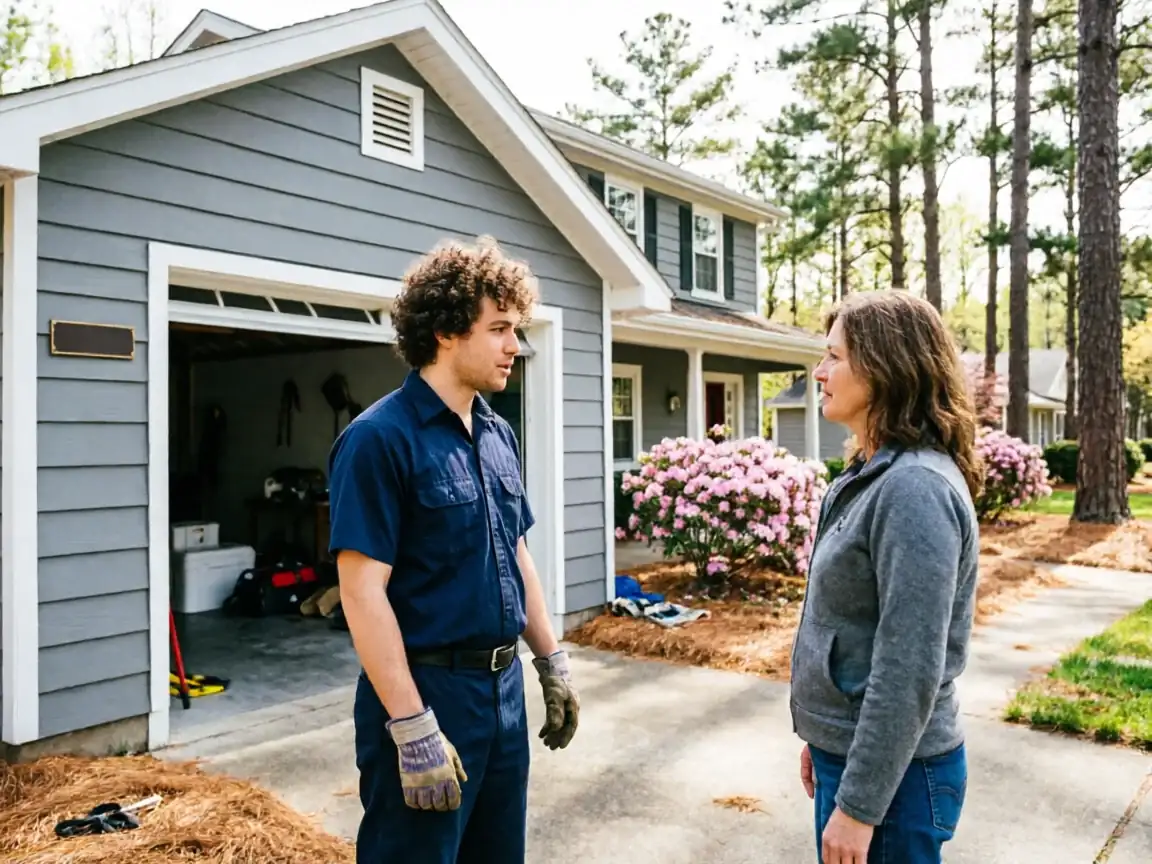
A service call means we look at the whole system, not just the symptom you called about
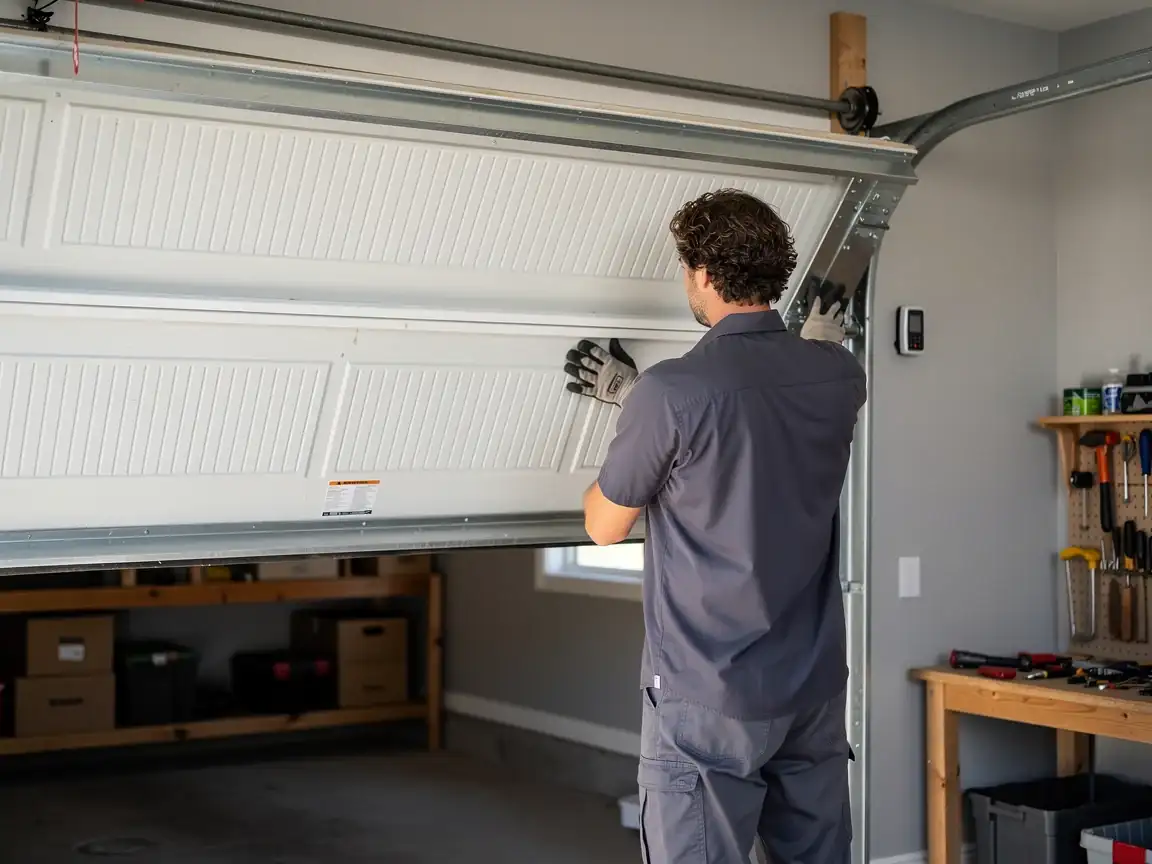
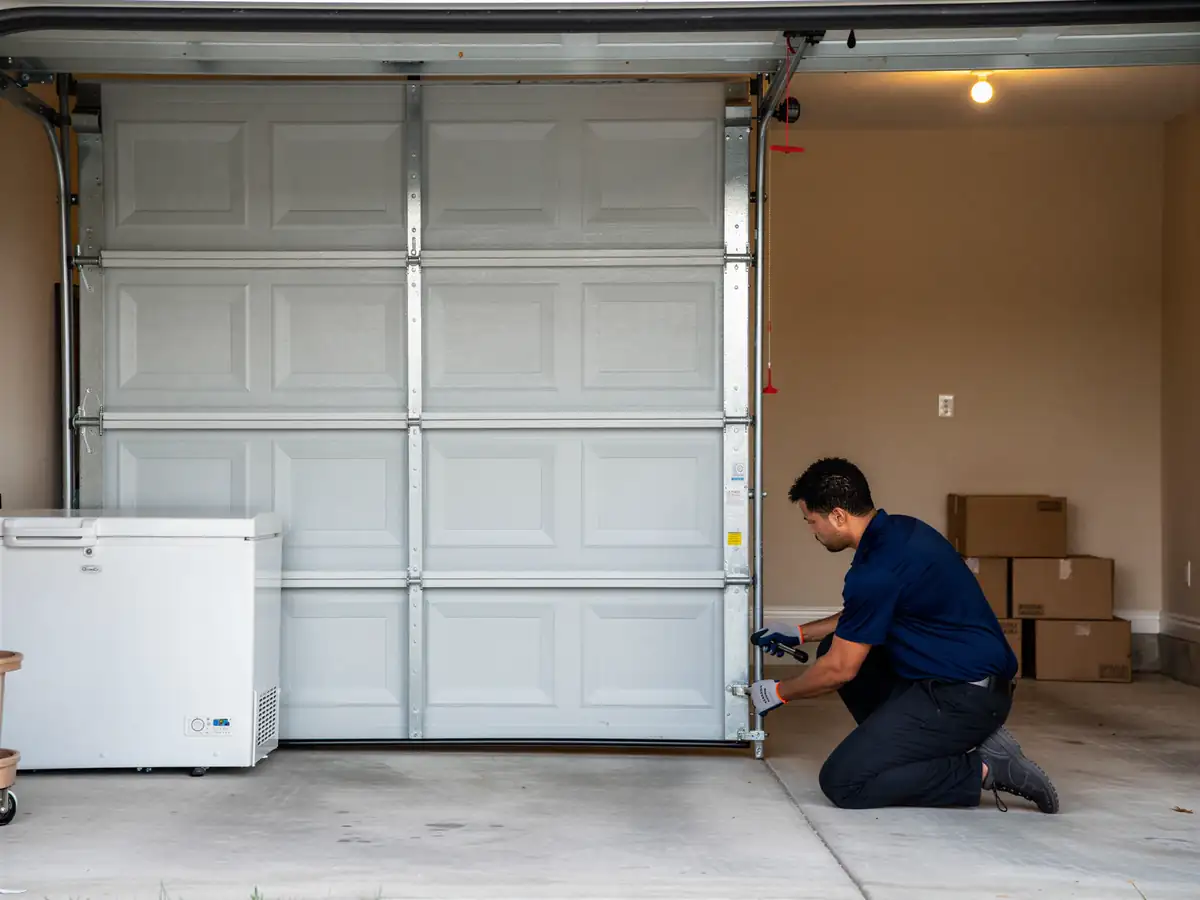
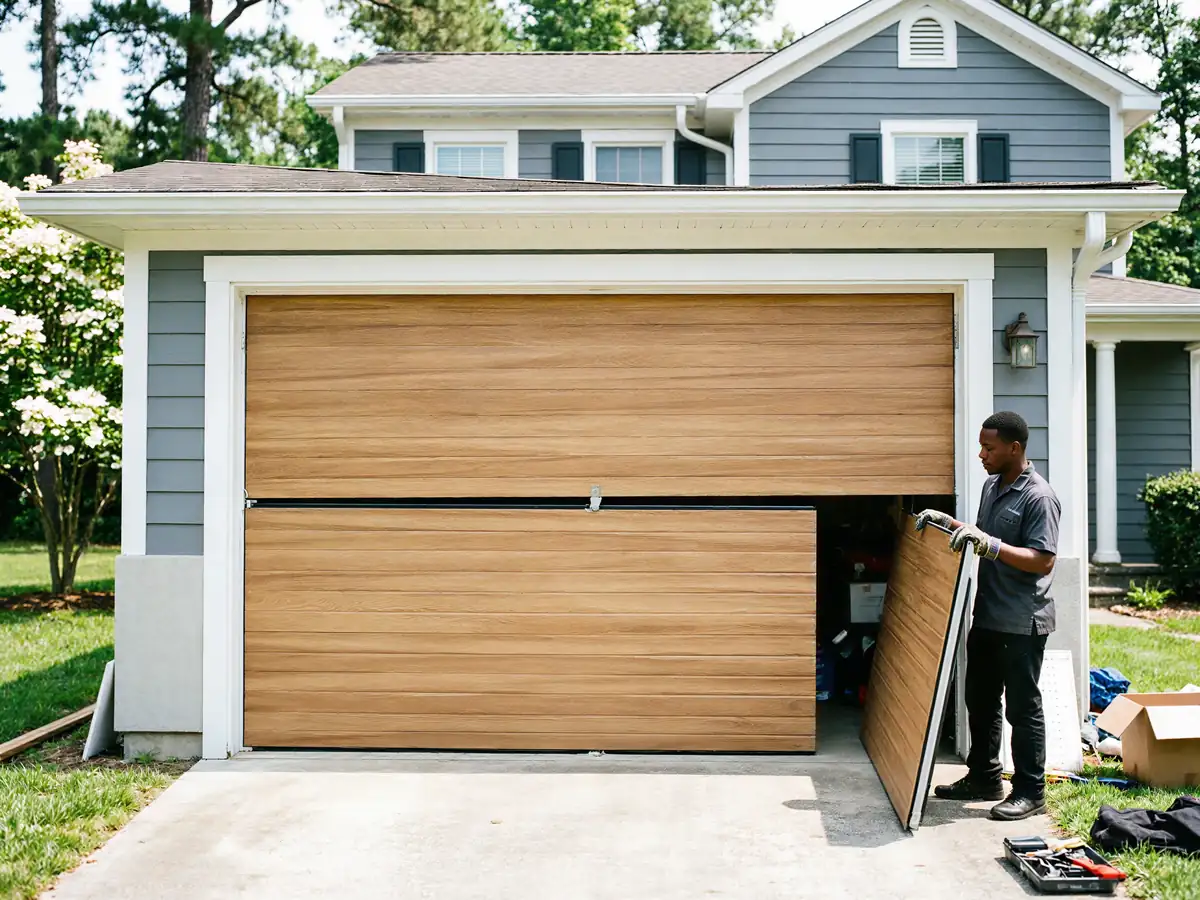
A door that won't open might actually be a broken spring, a bent track, worn rollers, or a drum that slipped on the shaft - and on a house from this stretch of the housing boom, it's often more than one of those at once because the hardware has simply been working the same amount of time.
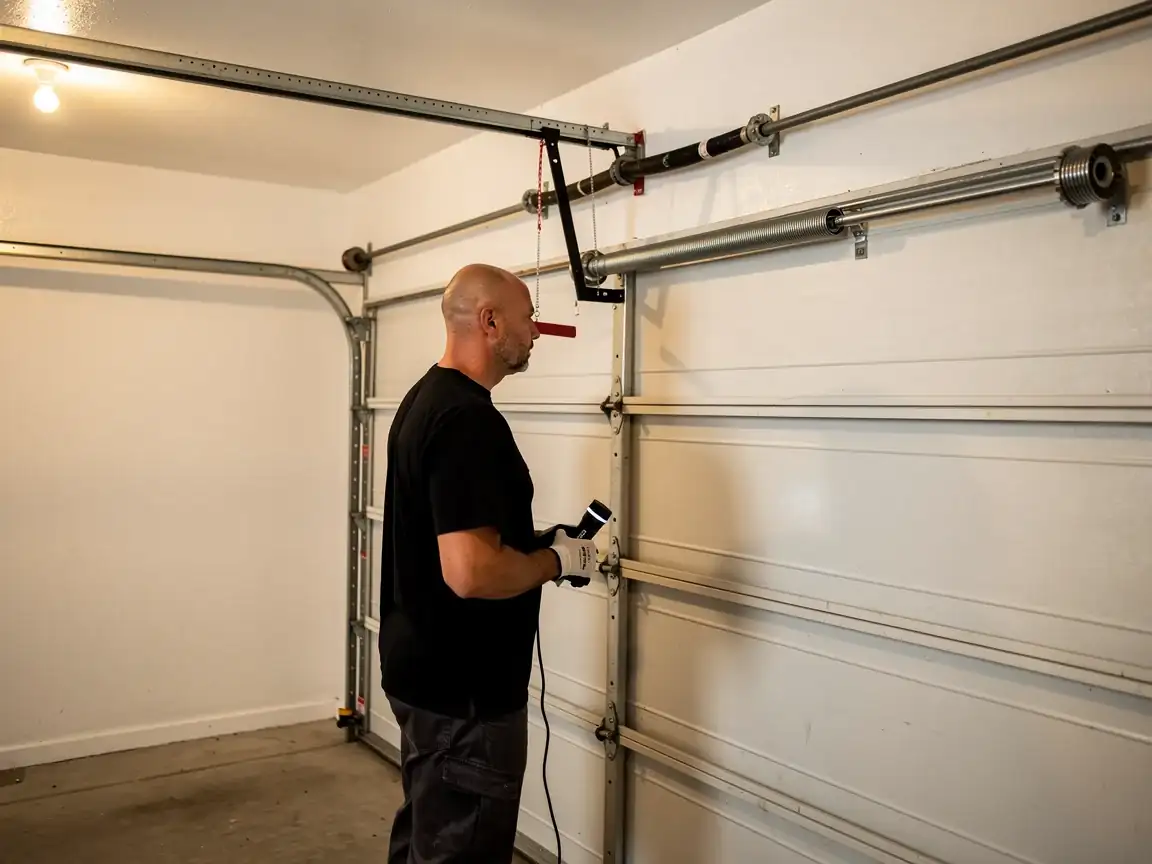
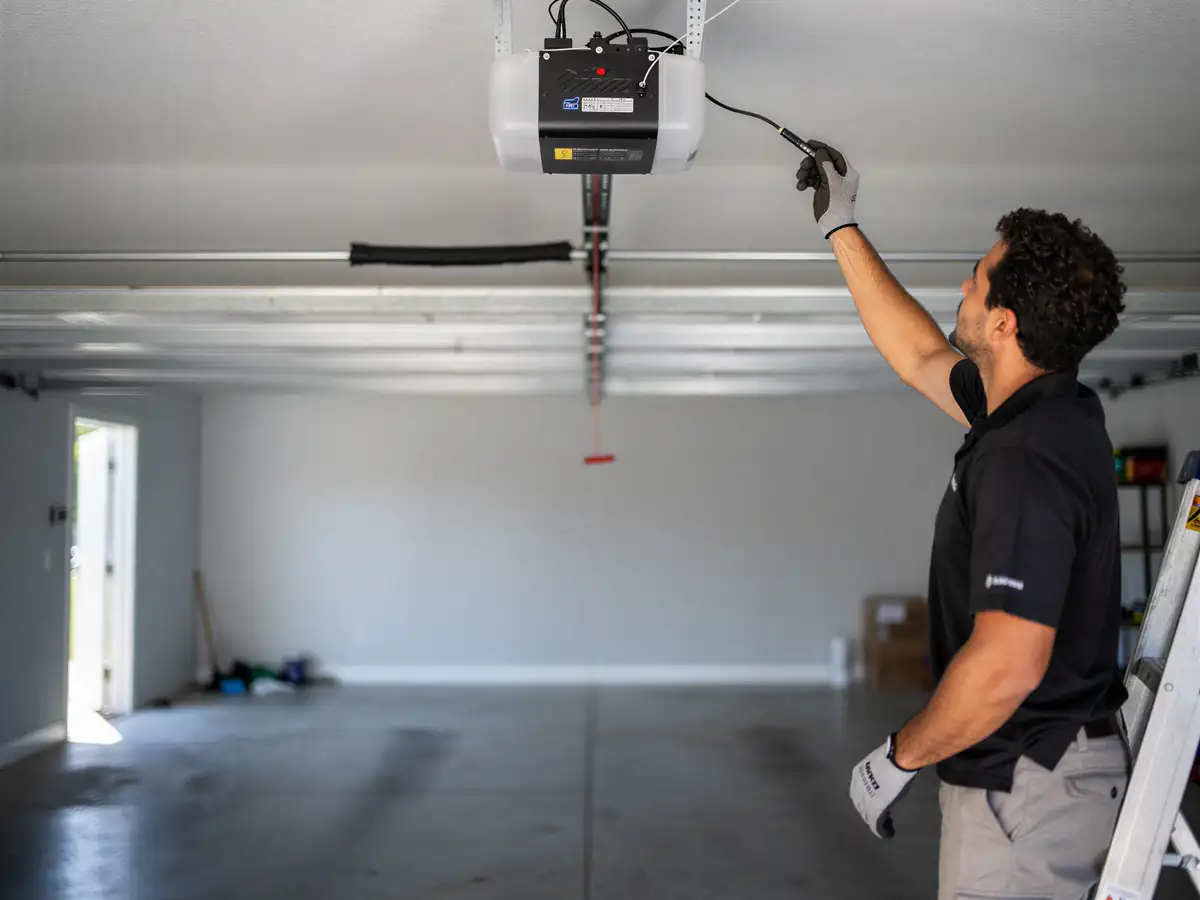
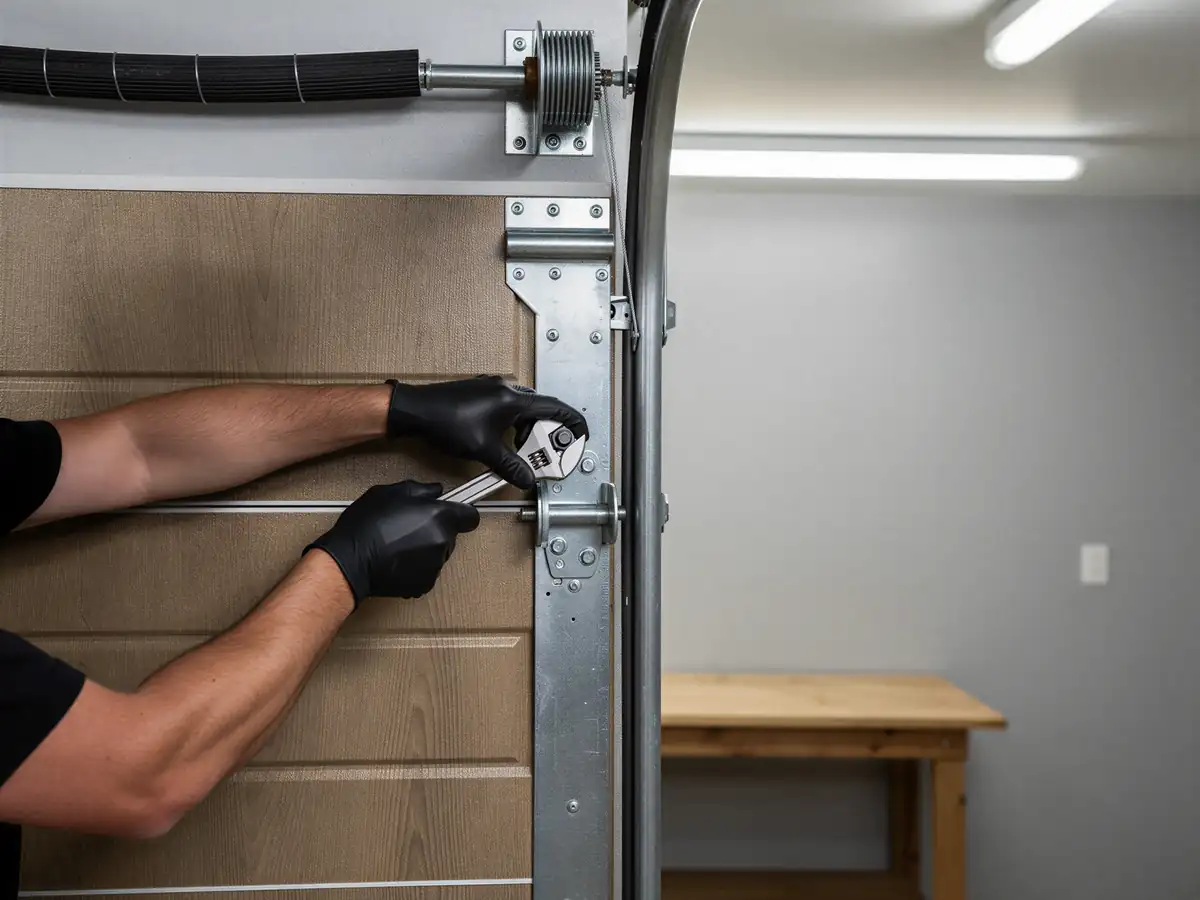
We check the springs, the cables, the tracks, the rollers, the hinges, the opener's force and travel settings
And the balance of the door itself. On an older door we're also looking for the kind of wear that doesn't show up until you're standing next to it - hairline cracks in a cable, a drum groove worn smooth, a spring that's stretched past its rated coil count.
What Changes With the Season
That same 1980s-and-90s stock shows up across all 19 of the communities we cover, not just one pocket of town, which means the seasonal pattern we see is consistent. Steel contracts in the cold and expands in the heat, and a spring that's been cycling for three decades doesn't flex back the way a new one does.
In the colder months we see more broken springs, because cold metal is less forgiving on the last few winds of a coil that's already fatigued. In the warmer months we see more opener issues - sensors drifting out of alignment, belts and chains loosening as the garage itself warms up during the day and cools at night.
A door installed when this area's housing boom peaked - sometime in the mid-1980s - is now pushing forty years on its original hardware, and that's the door most likely to show you a seasonal symptom instead of a clean break. It'll open slower in January, squeal more in July, and eventually just stop.
What the Weather Here Does to It
Alpharetta sits in a moderate cold climate band, not a deep freeze, which means the strain on a torsion spring here is steady rather than extreme. We don't see the kind of sustained sub-zero stretches that snap springs by the dozen in a single week, but we do see the slower version of that same wear - repeated freeze and thaw cycles that tighten and loosen metal fittings a little at a time.
That moderate-cold pattern is part of why so many of the doors we service are original to houses built in the 1980s and 90s. The hardware isn't being destroyed in one event; it's being worn down over four decades of ordinary seasonal swing. Condensation inside an unheated garage during cold mornings can also rust a bottom bracket or a hinge pin faster than people expect, especially on a door that's never been lubricated.
With 36,048 owner-occupied houses in the service area, a lot of them are hitting the same spring-replacement window at once, simply because they were built in the same stretch of years and have been sitting through the same weather ever since.
When to Get Help
Call before the door fails completely if you notice it sagging on one side, making a popping sound, or taking noticeably longer to open than it used to
Those are signs the spring or cables are close to the end, and catching it before a full break usually means a simpler, cheaper repair.
If the door won't move at all and you hear a loud bang beforehand, that's almost always a broken spring
Don't force the opener, since that can damage the drums or cables further. Get it looked at the same week.
One honest limit: if a spring size or opener part isn't something we keep on the truck
We may need a day or two to get it in, especially for older or less common hardware still found on some of the original 1980s and 90s doors in this area. We'll tell you that up front rather than guess at a timeline. For anything that sounds like grinding, scraping, or the door binding in the track, it's worth a call rather than waiting to see if it gets worse - on hardware this old, it usually does.