What Causes It Around Here
Most of the housing stock in this service area went up between 1951 and 2007
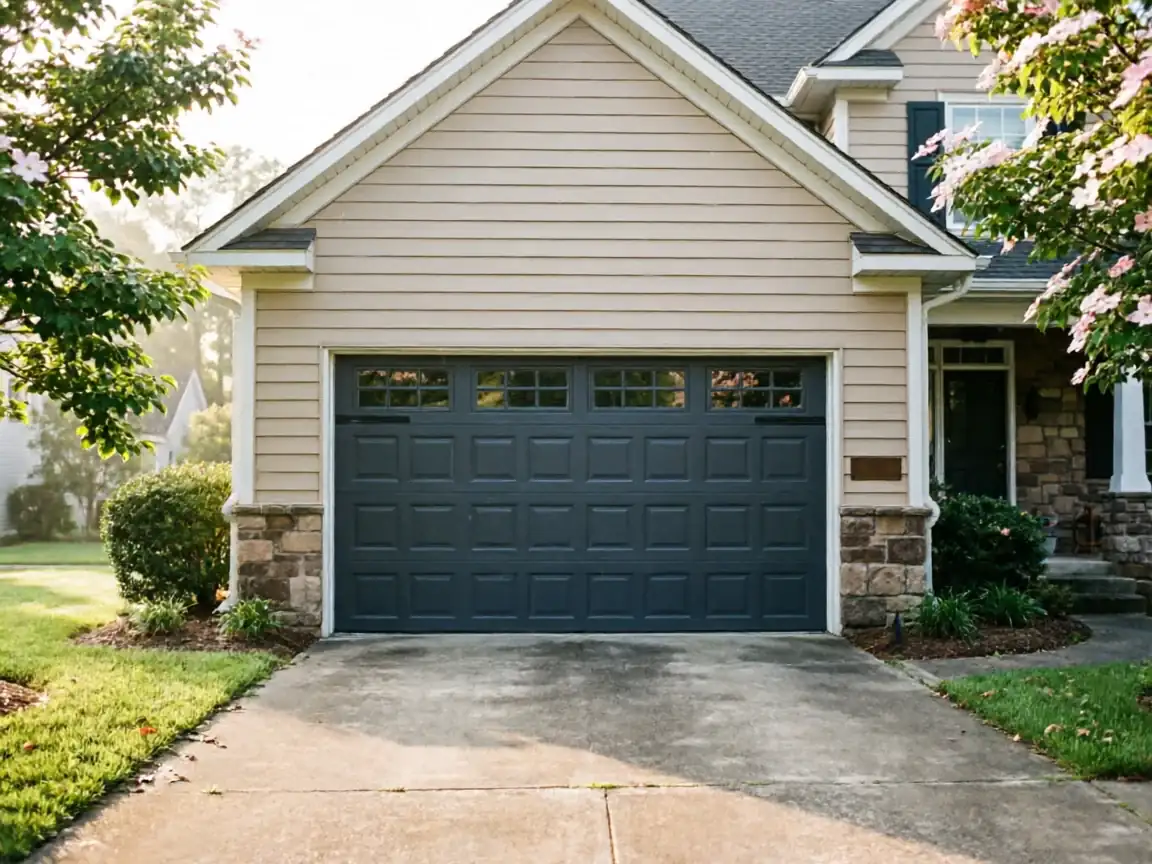
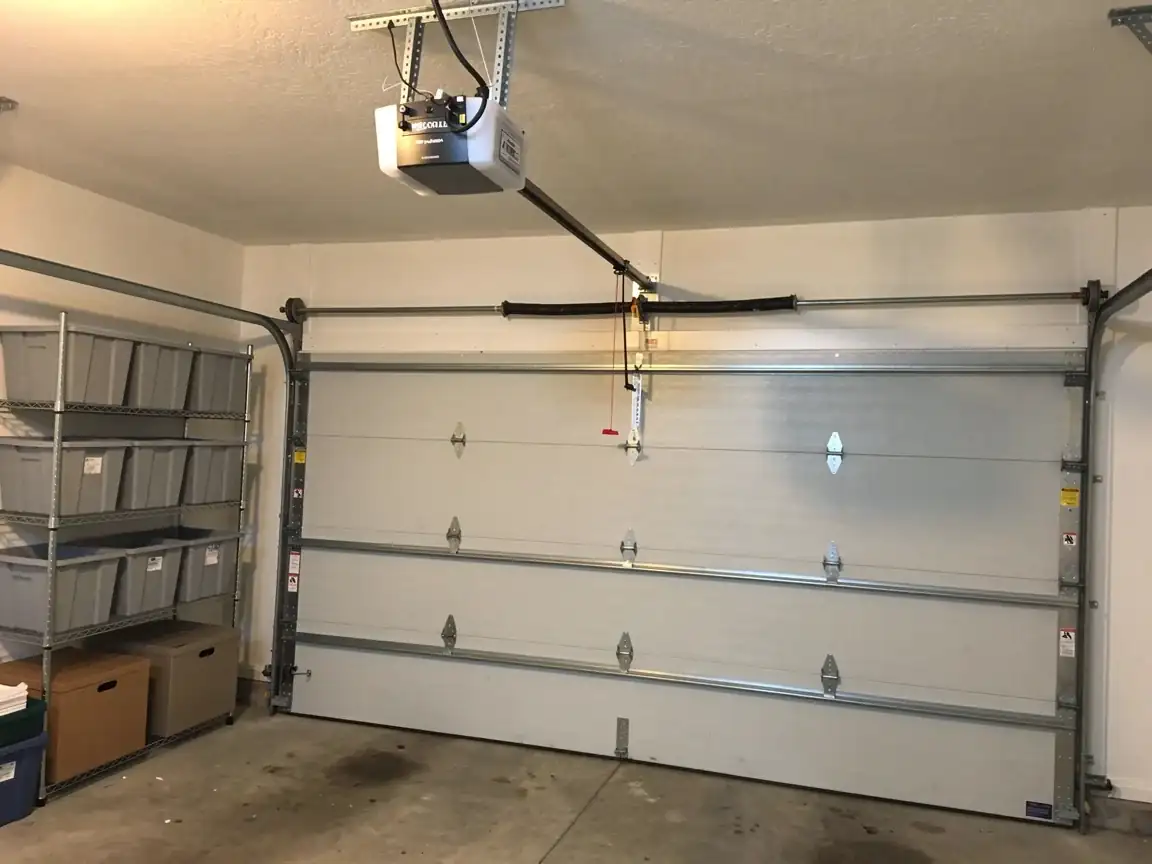
With the median build year sitting around 1984, and the bulk of it concentrated in that 1980s-90s wave across the nineteen communities we cover. Doors from that era were steel, often 24-gauge, and the bottom two panels take the brunt of everyday abuse: a trailer hitch backed in too far, a basketball, a kid's bike pedal. Thinner steel from that period dents easier than what's sold today.
The cold-moderate climate here adds a second failure path
Panels expand and contract through freeze-thaw swings each winter, and on doors already 30-40 years old, the seams between panel and hinge start to separate or rust through from the inside out, especially on north-facing garages that never fully dry out after a wet week. You'll see it as a panel that bows slightly or won't sit flush against the weatherstrip anymore.
- 40 years
We also see impact damage that's purely mechanical
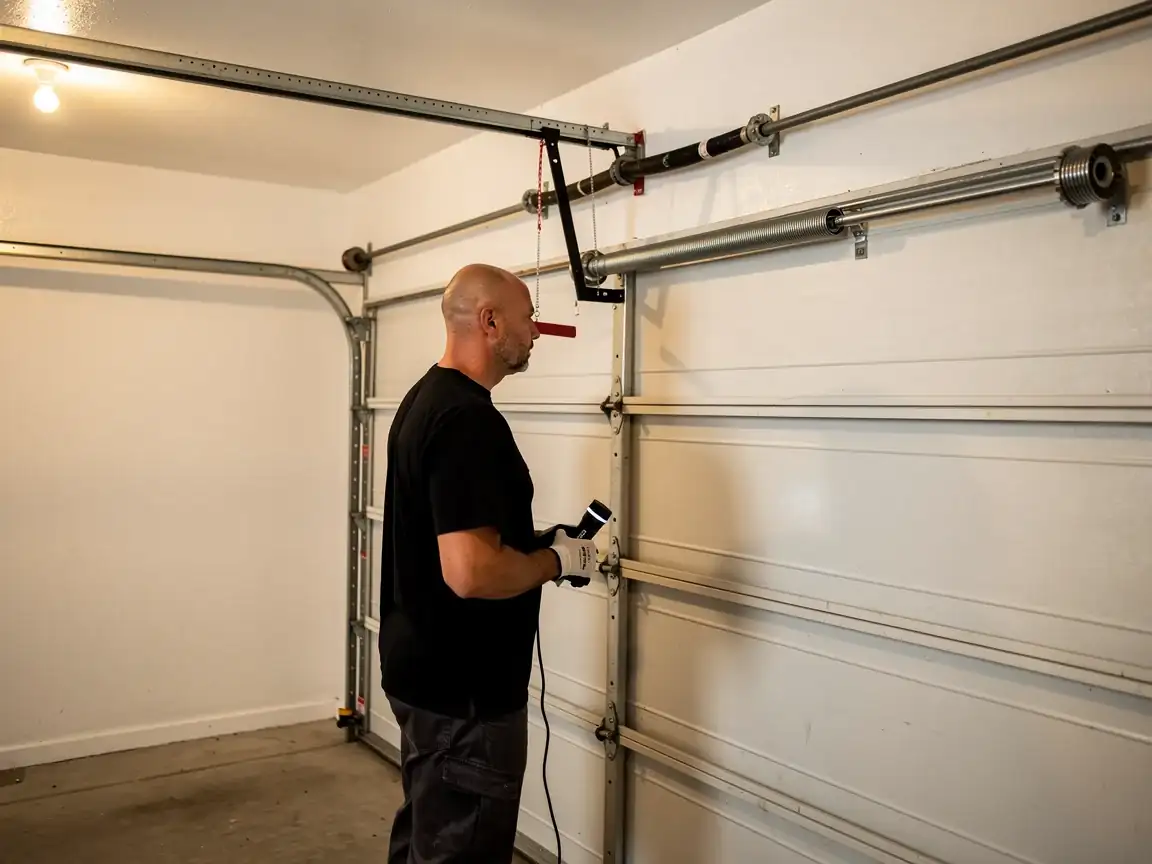
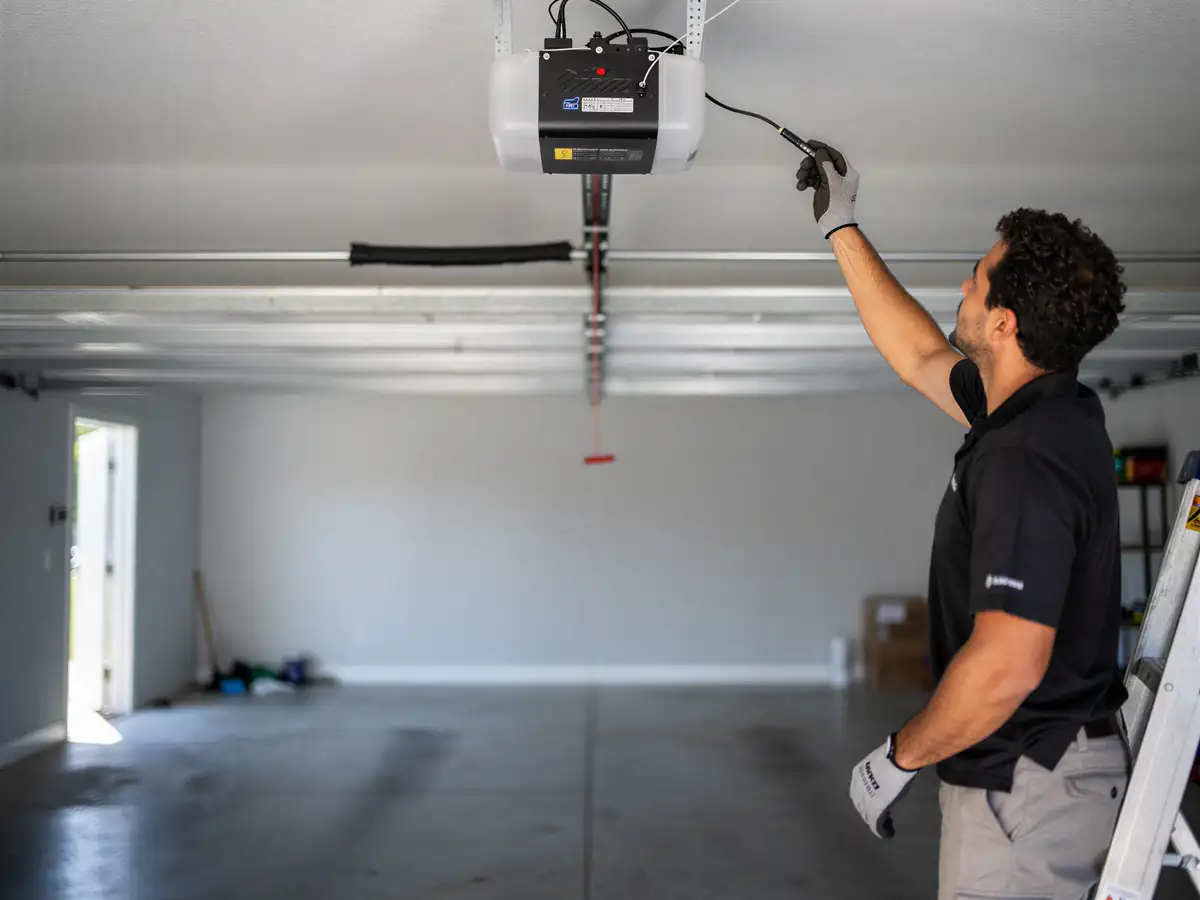
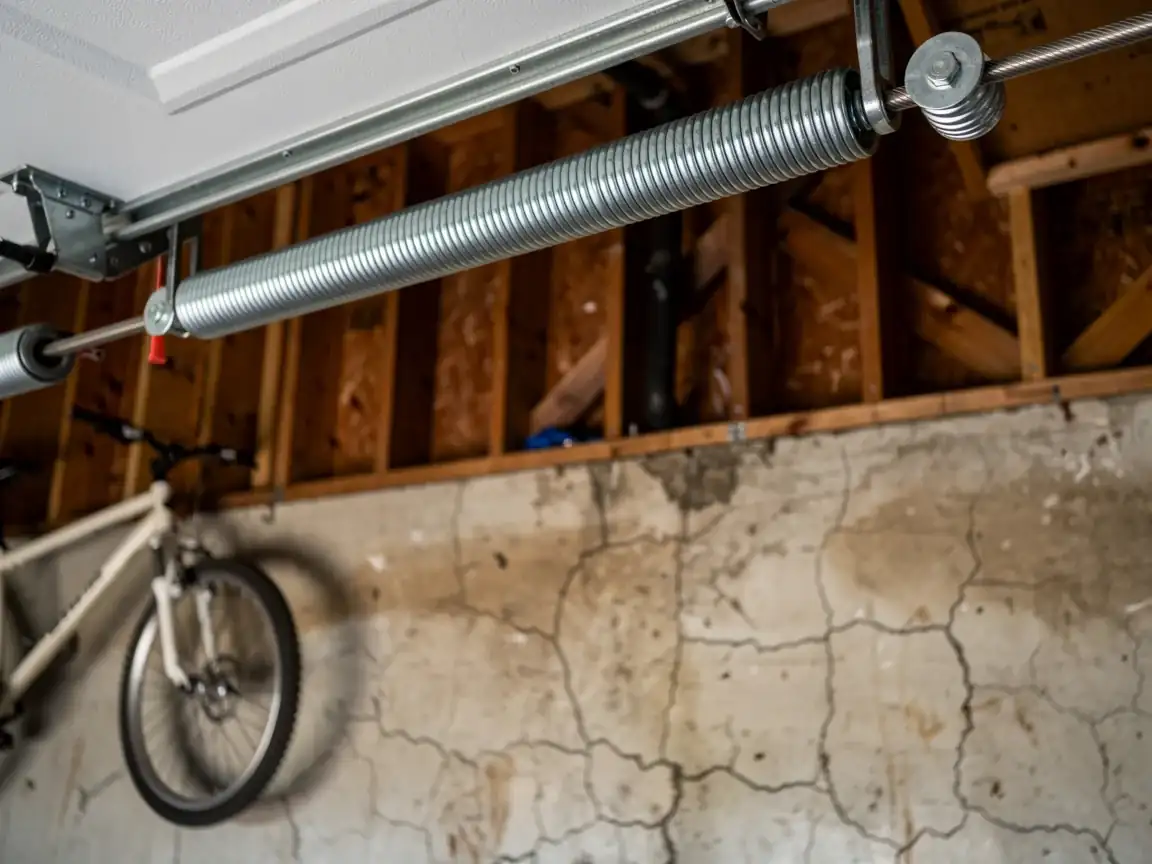
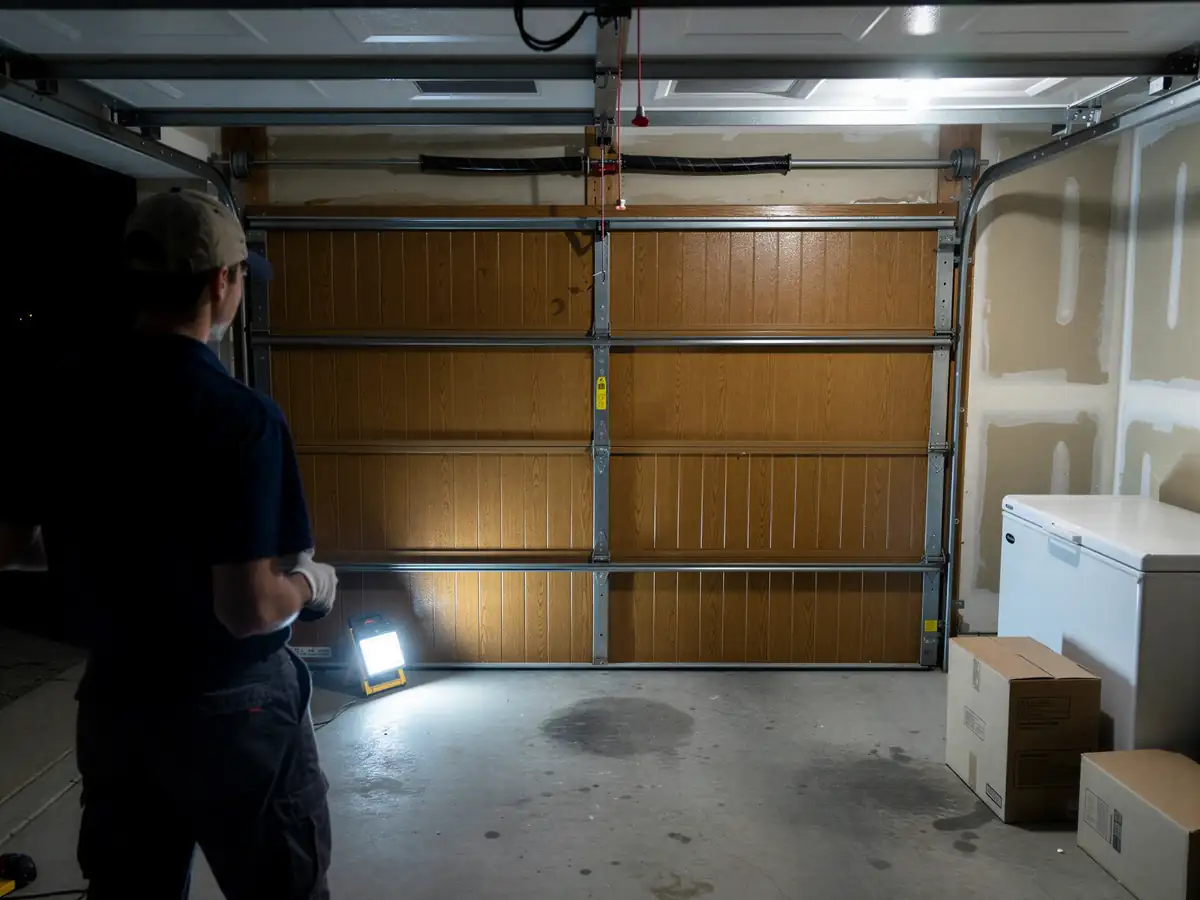
A spring that lets go and the door drops hard, cracking a panel on the way down, or a track that's bent just enough to rack the whole section sideways. Either way, the panel is the part that shows the damage even when something else is the real cause.
Parts We Carry
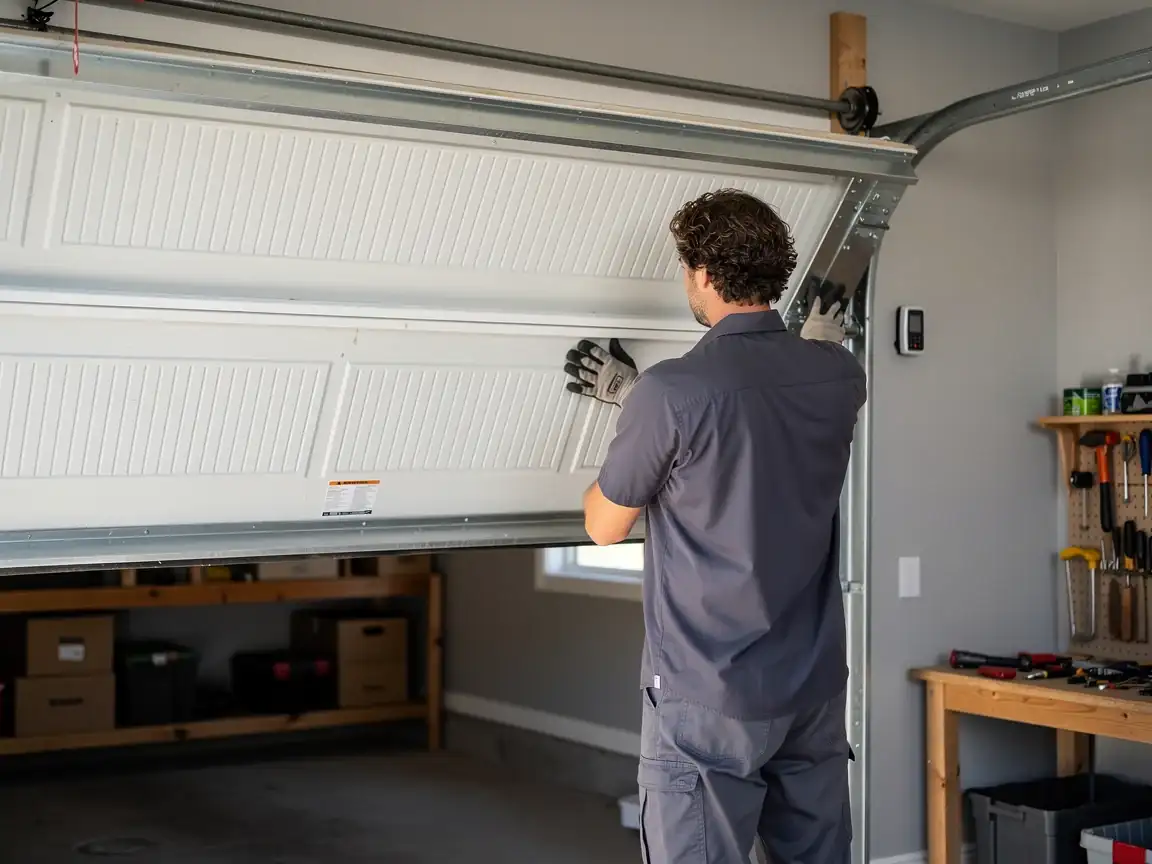
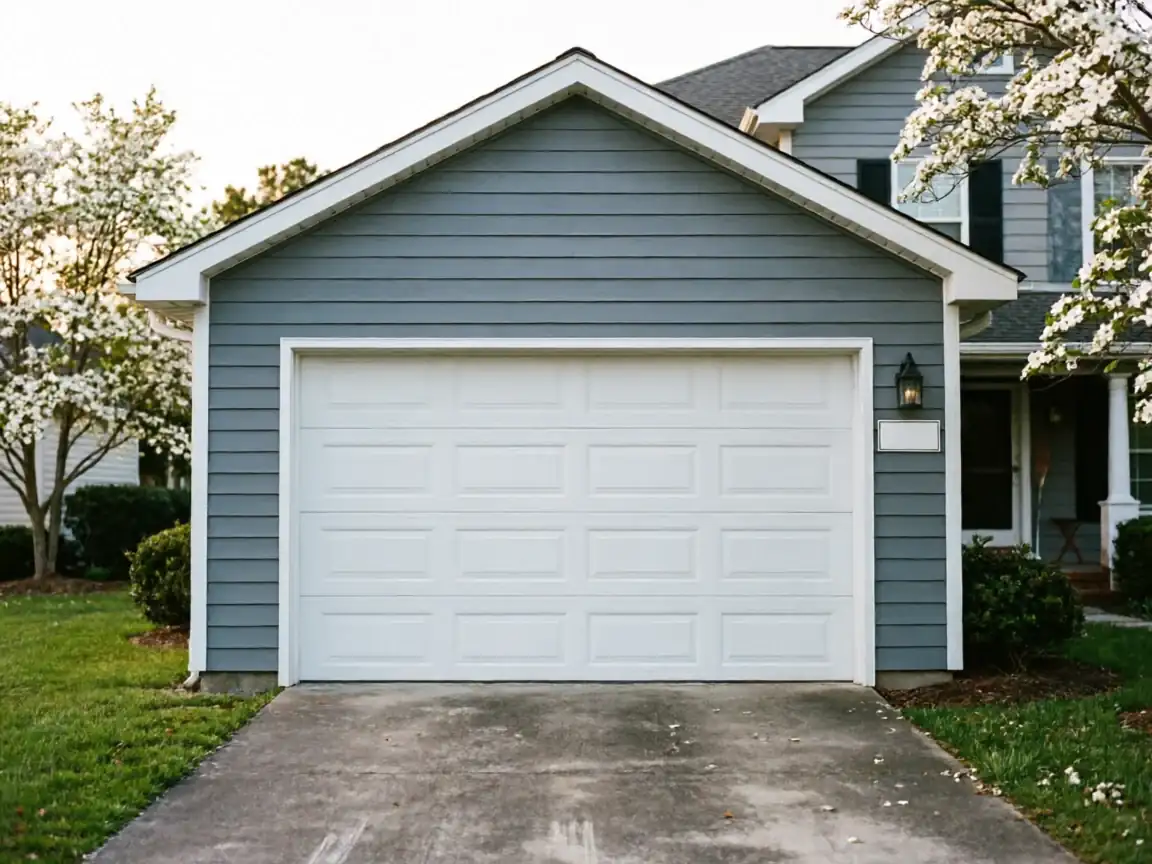
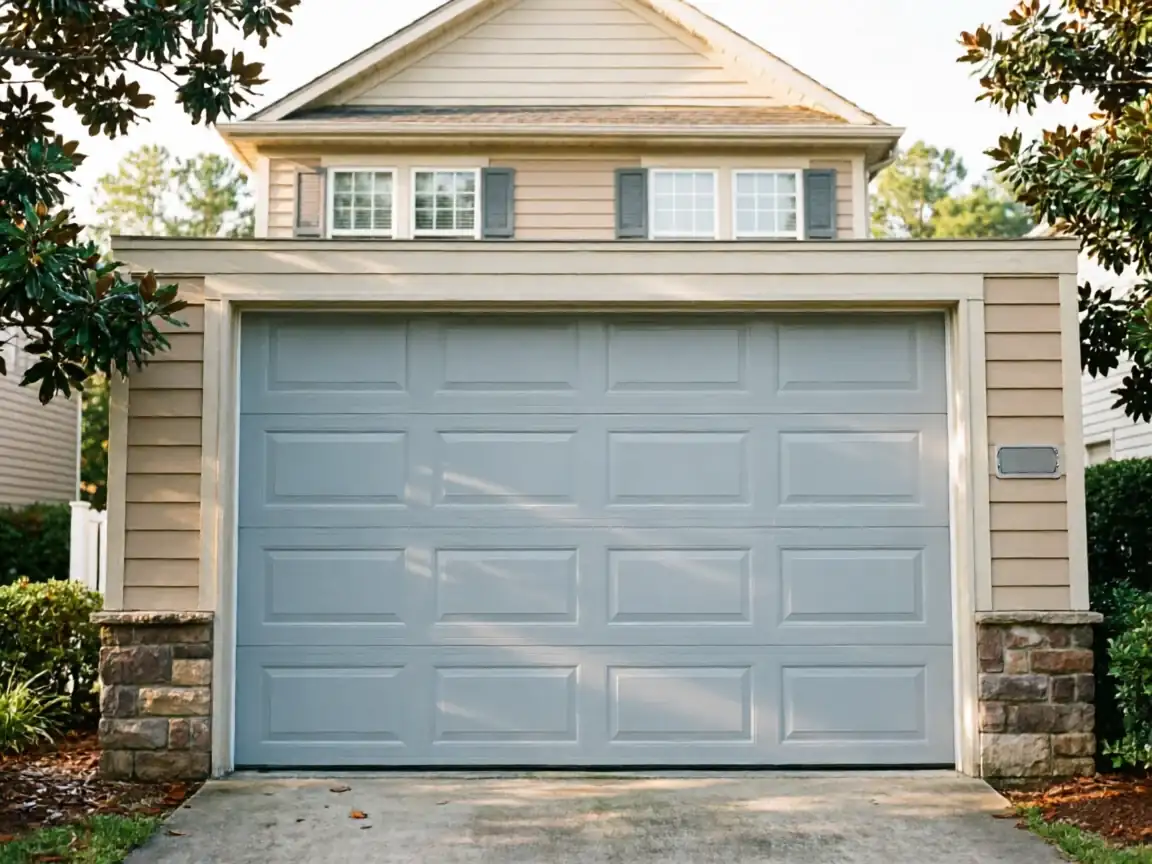
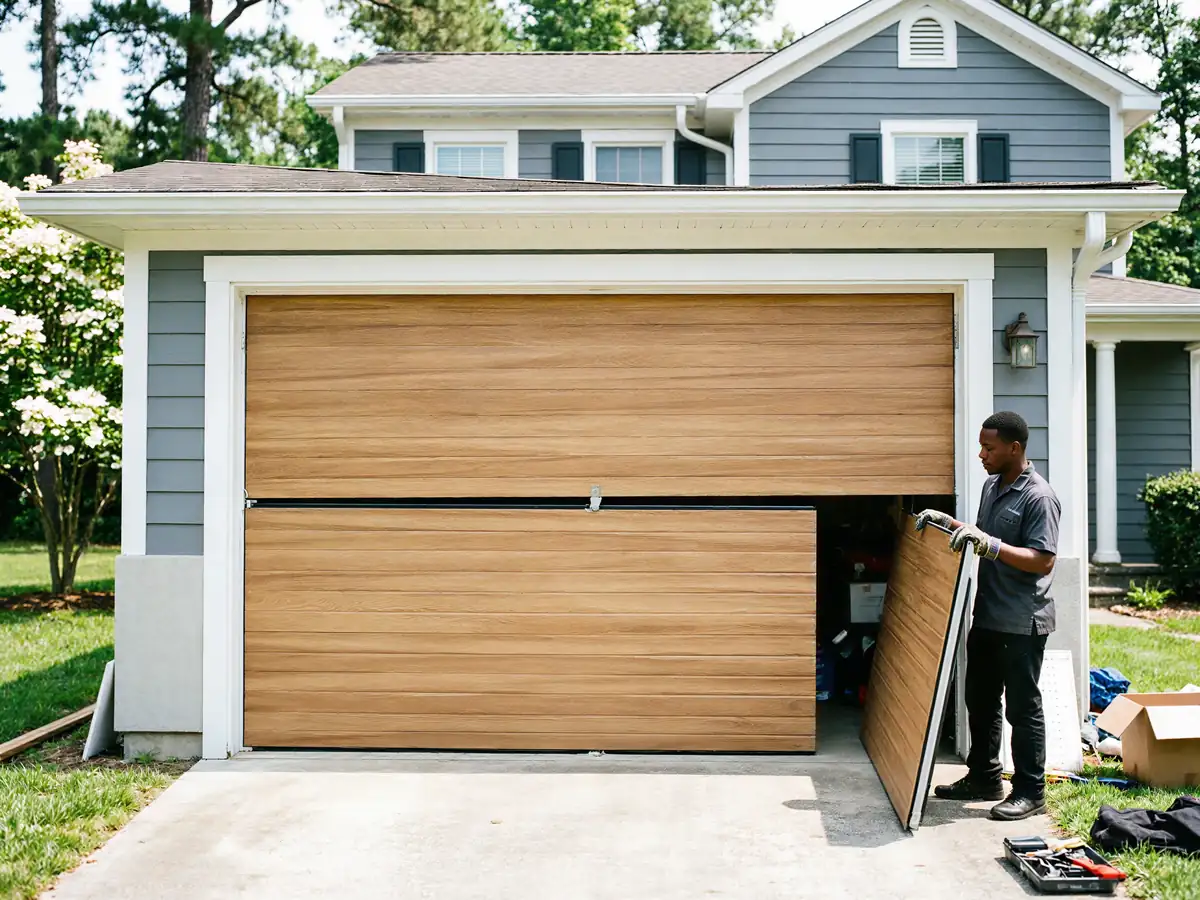
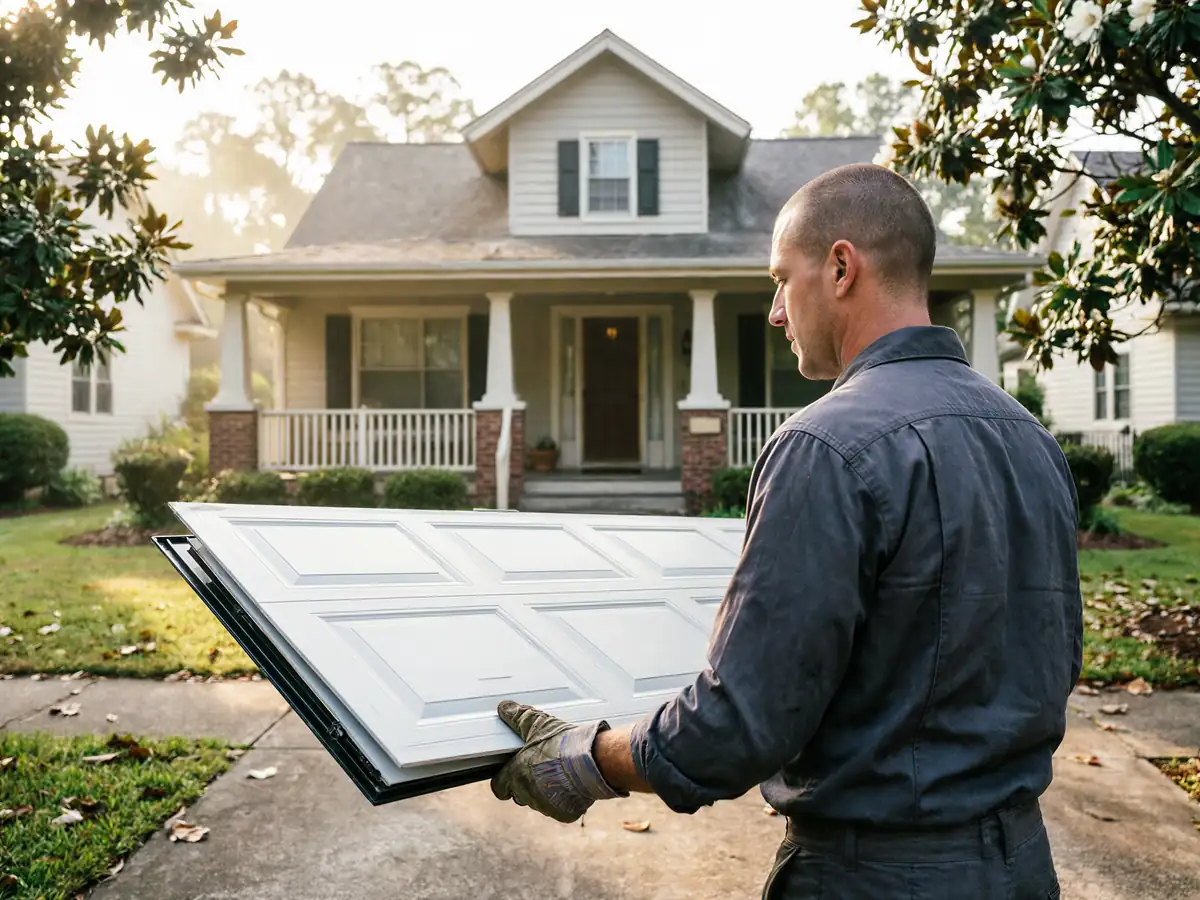
Because so much of the local stock dates to the 1980s and 90s, we stock panel sections sized to match the steel and wood-composite doors common from that build era, not just current model-year doors. That matters because a lot of those older doors are out of production, and matching a single panel on a 1986 door to a 2024 replacement line doesn't work - the ribbing profile and section height are different.
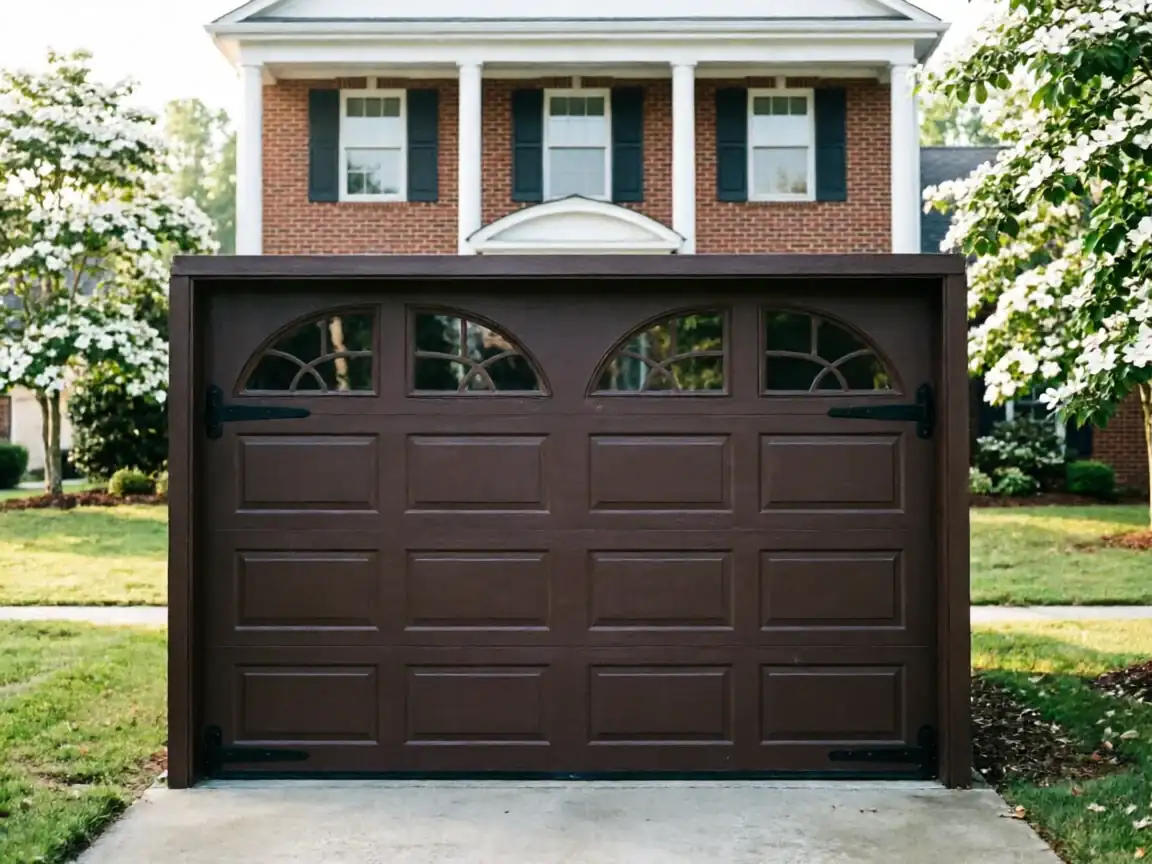
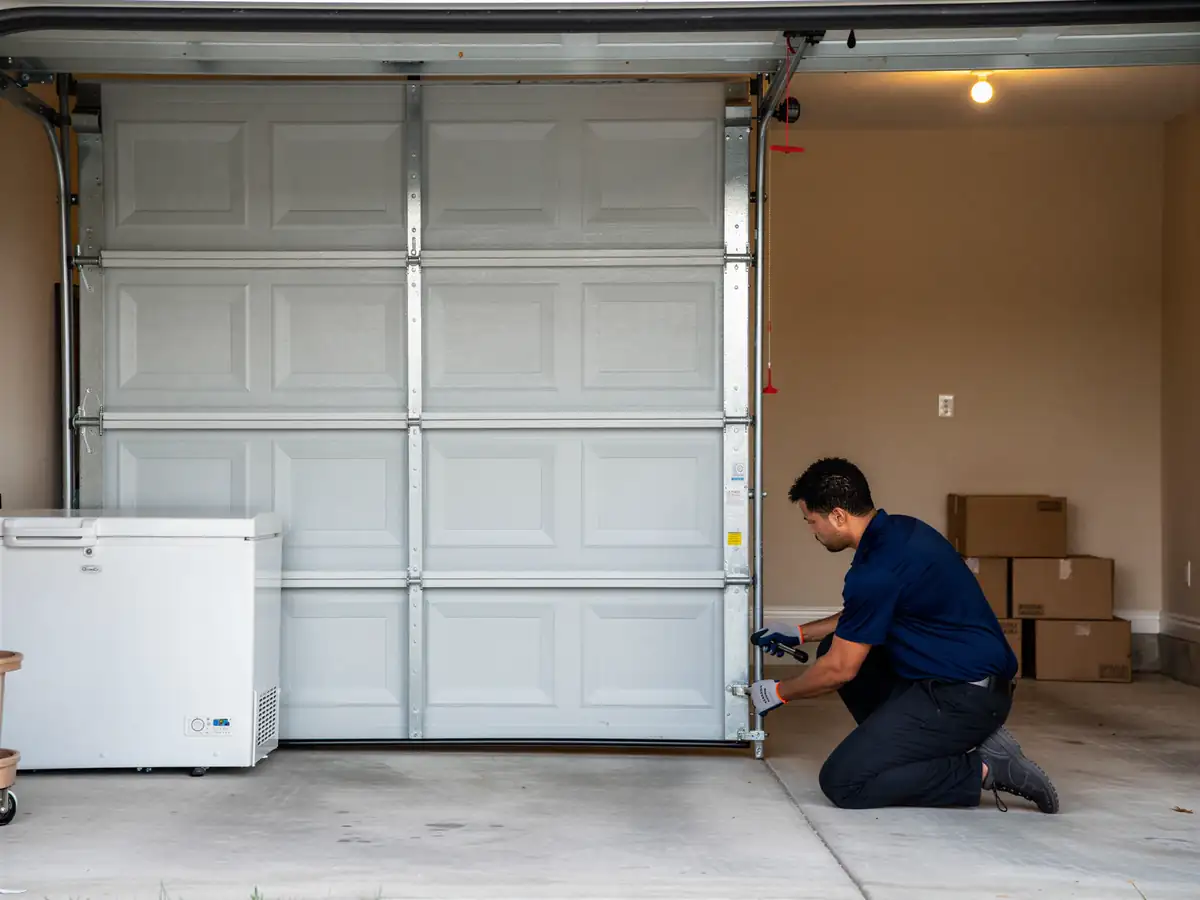
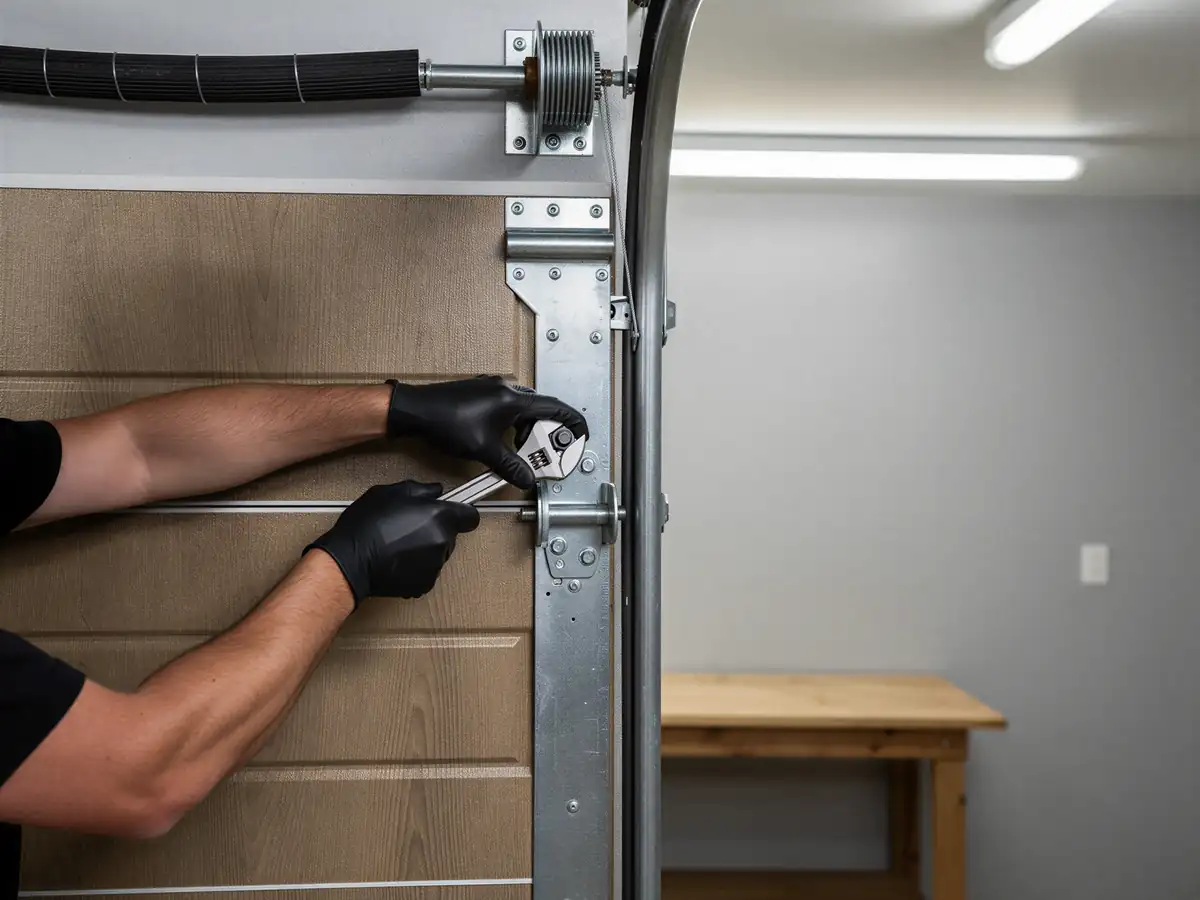
We carry steel panel sections in the standard heights used across this service area's housing stock, plus matching hinges, end stiles, and the fasteners specific to older track hardware. For doors old enough that an exact match isn't available anywhere, we'll tell you that up front rather than ordering a part that won't line up - that's one limitation worth knowing before you call.
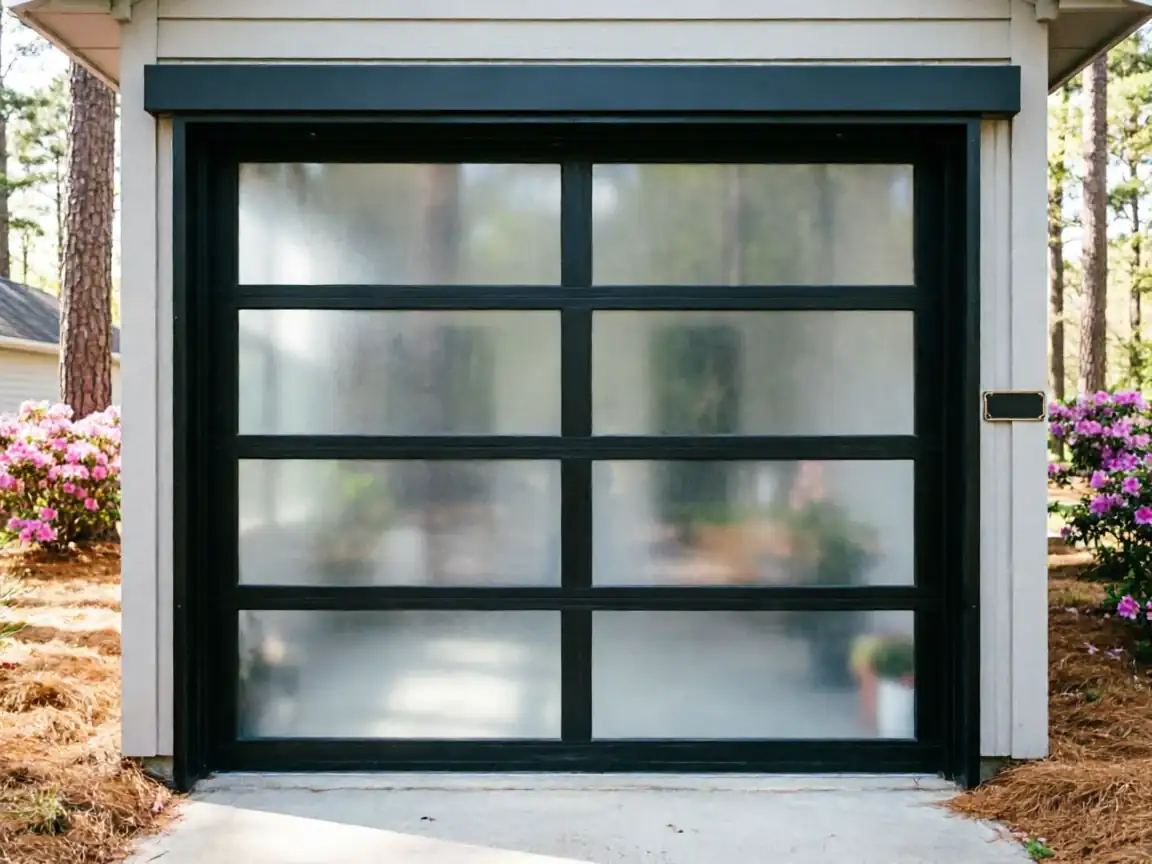
We don't stock custom wood or carriage-style panels; those are special-order through the door manufacturer and the lead time is out of our hands. For standard steel sections, most jobs don't require that wait.
What You Pay
Panel replacement cost depends on how many sections are damaged, whether the door is still in production, and whether hinges or end stiles took damage along with the panel itself. A single bottom panel on a common steel door costs less than matching panels across a full section run, and doors old enough to need a non-matching replacement panel (a different color or slight texture mismatch) run cheaper than a factory-matched one.
We give you the number before we start, not after. If a full section run turns out to cost close to what a new door would run, we'll tell you that too - sometimes replacement makes more sense than chasing a match on a door built decades ago.
The Symptom
The giveaway is usually a visible dent, crack, or a seam that's pulled apart at a hinge point
Sometimes it's quieter: the door doesn't sit flush at the bottom anymore, or you can see daylight at one corner that wasn't there before. On older doors, rust bleeding through the paint along a panel seam is often the first sign that the steel underneath is thinner than it should be.
If the door still opens and closes on track and the opener isn't straining, a panel issue is usually isolated
It's a cosmetic and weatherproofing problem more than a safety one. But if a damaged panel is also bowed enough to rub the track, or if it happened because a spring broke and the door dropped, that's a different call and we'll tell you if the panel is the smaller of two problems.