What Causes It Around Here
The fault we see most in North Decatur isn't a worn-out modern opener board
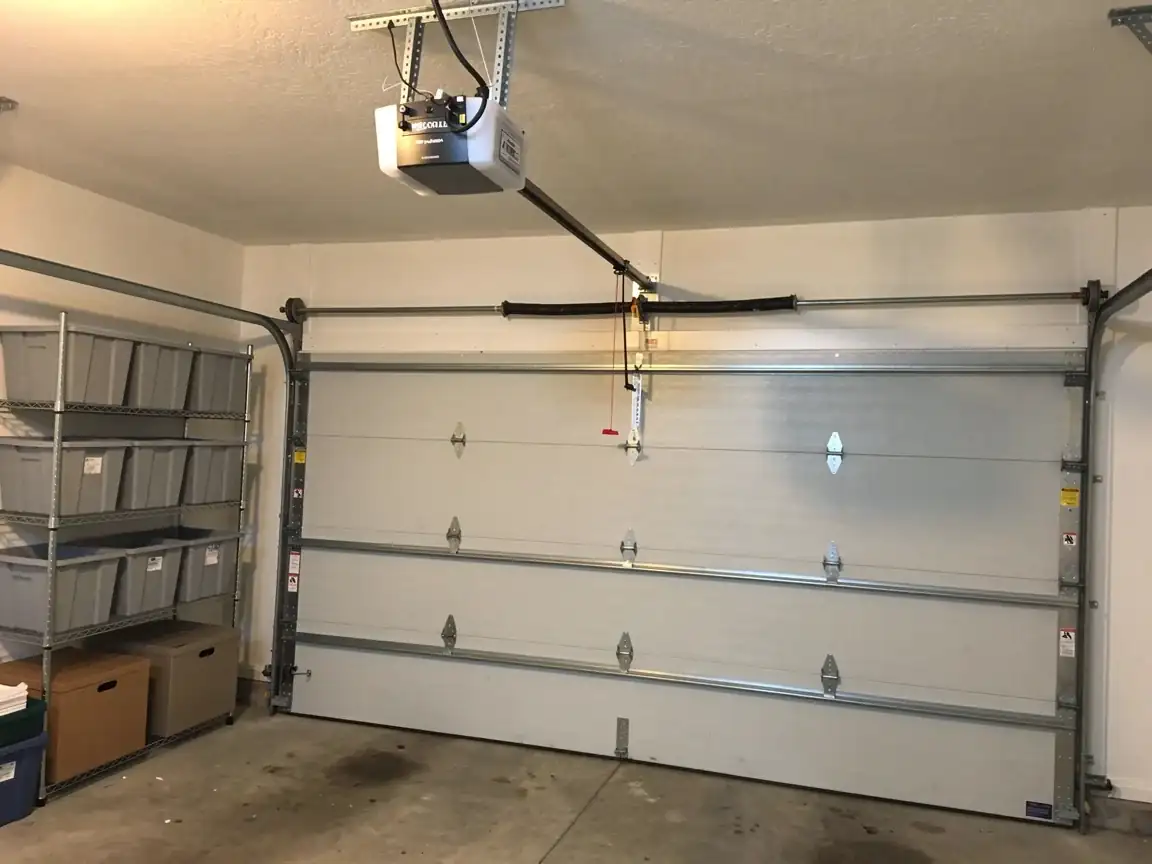
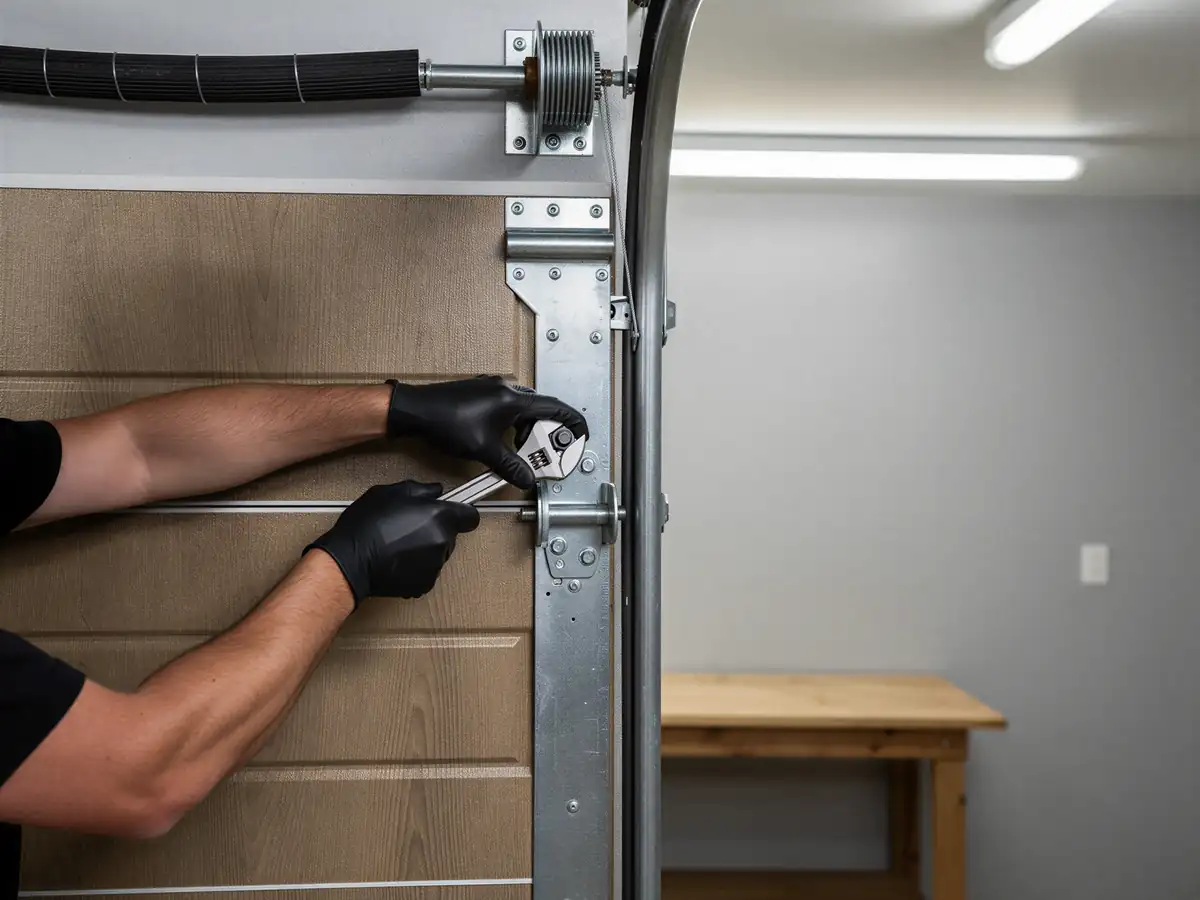
It's a spring or cable that was never built to last this long in the first place. The housing stock here centers on 1974, a full decade ahead of the broader service area's 1984 median, which puts a lot of these garages on their second or third spring set already, often installed by whoever was cheapest at the time rather than matched to the door's actual weight.
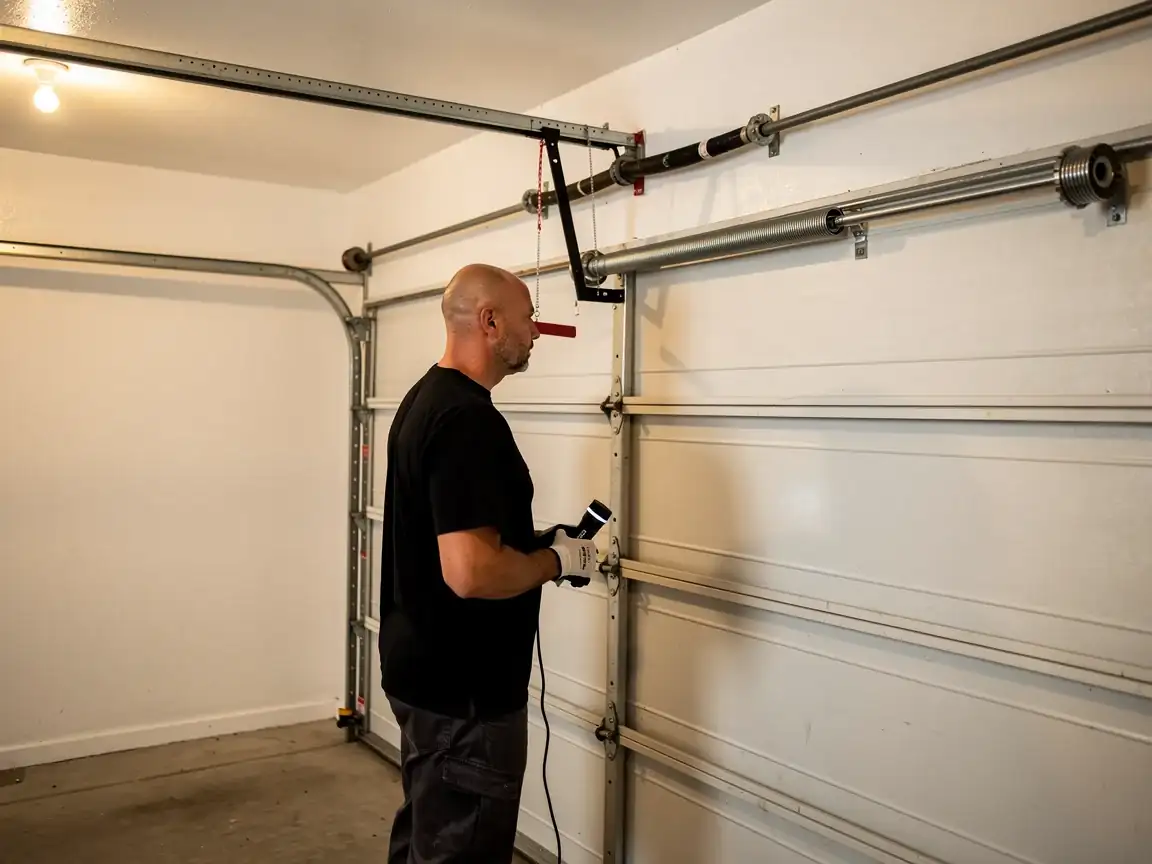
That 1970s build era usually means single-layer steel doors, lighter-gauge track, and in some cases extension springs instead of torsion
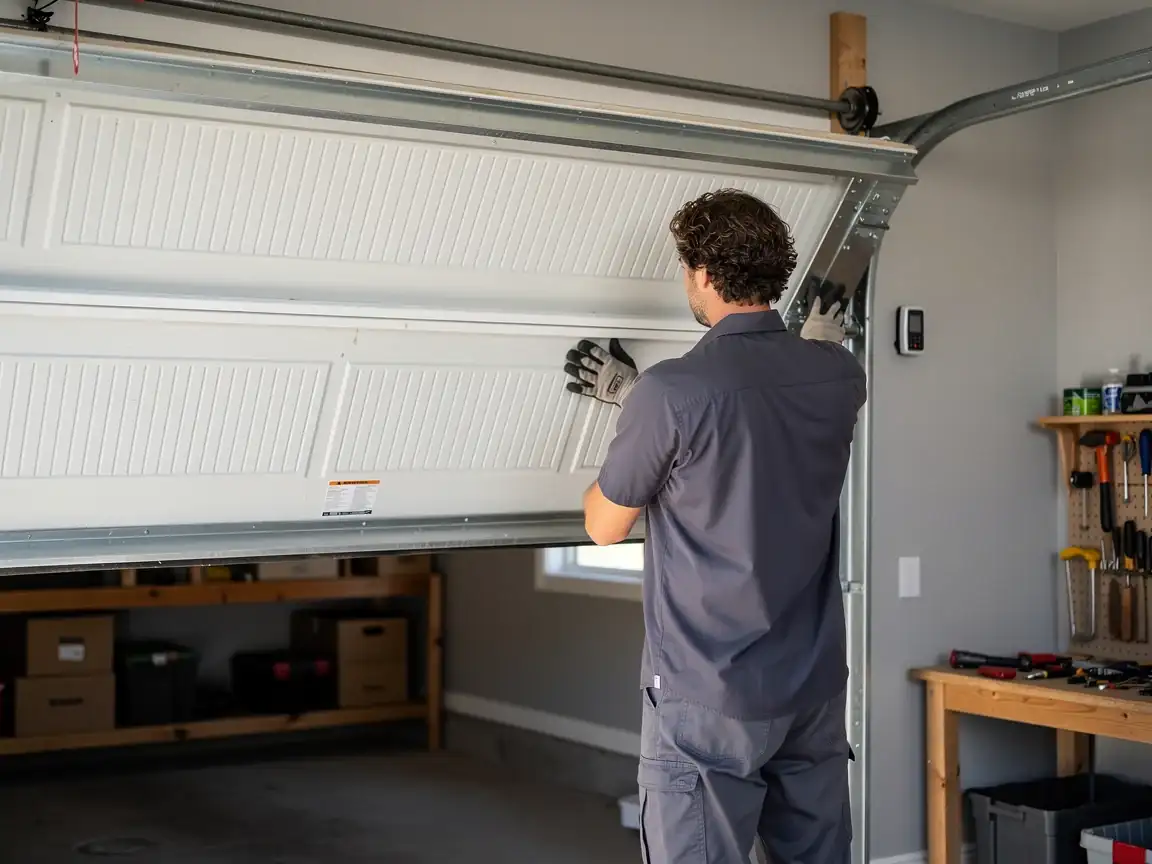
A setup that was standard then and is genuinely more failure-prone than what went into homes built after the 1980s. When one of those springs lets go, it tends to take a cable or a bottom bracket with it, which is why a "stuck door" call from this part of town is more likely to turn into a two-part fix than a single bent track.
We're not going to tell you every door here is original
Plenty have been replaced - but the base rate of older hardware is higher than in the newer pockets of the service area, and it shapes what we expect to find before we even open the truck.
Getting It Booked In
North Decatur sits about 18 miles from our shop in Alpharetta, which is one of the longer runs we make. We don't keep a crew stationed out this way, so a call here gets scheduled against the rest of that day's route rather than dispatched on its own - we're straightforward about that up front instead of promising a window we can't hit from this distance.
What we ask for on the phone doesn't change because of the drive: the door's age if you know it, whether it's stuck open or stuck shut, and whether a spring has visibly snapped. A snapped torsion spring with the door down is safer to leave alone than a door stuck halfway up - tell us which one you've got and we'll tell you whether it's safe to wait until the truck's on its way.
Time on the Job
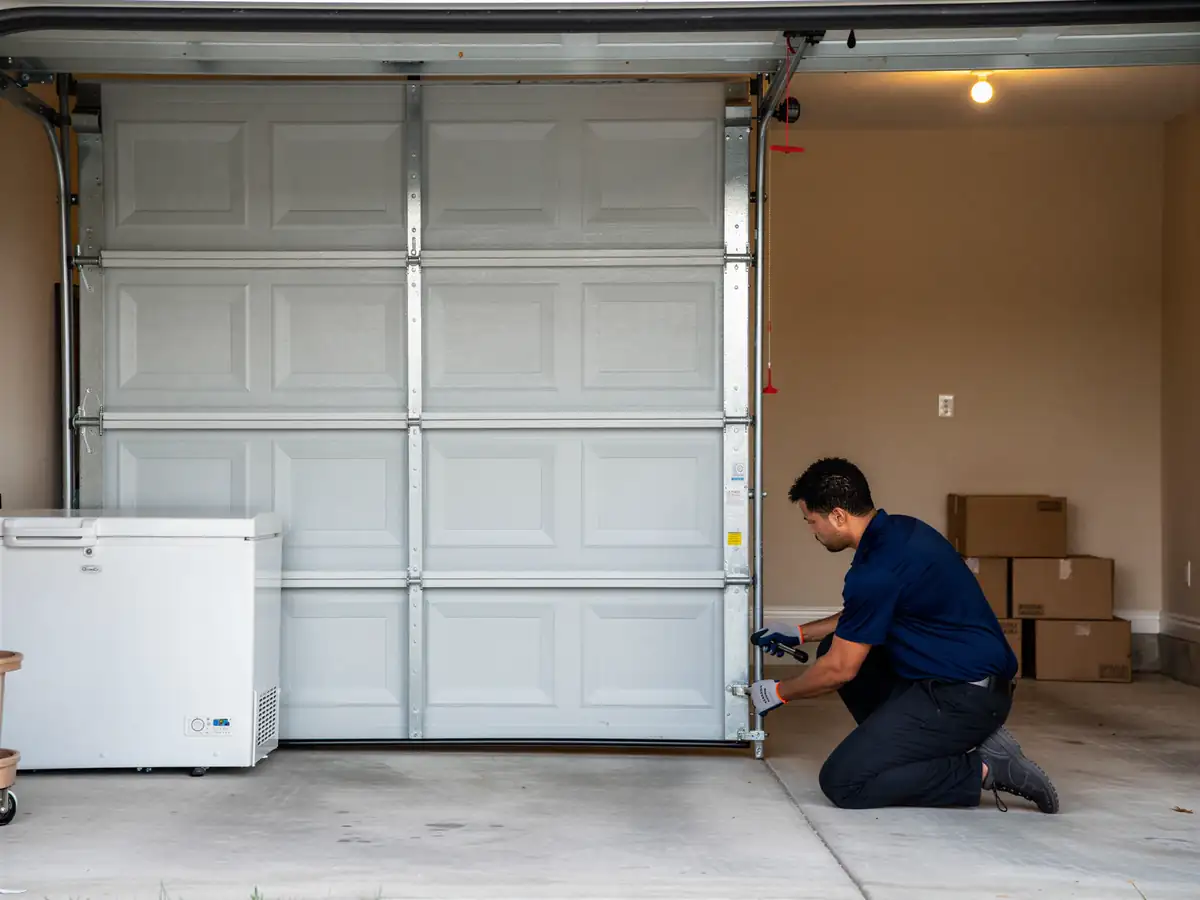
A straight spring replacement on a single-car door is a different job from a cable off the drum on a double door with a 1970s-era extension system, and we won't quote a flat number before we've seen which one we're dealing with. What we can say is that older extension-spring setups, common in homes from this build era, take longer to inspect because the pulleys and safety cables that should be there sometimes aren't - a lot of these systems predate the safety-cable requirement that came later, so part of the visit is adding what's missing, not just fixing what broke.
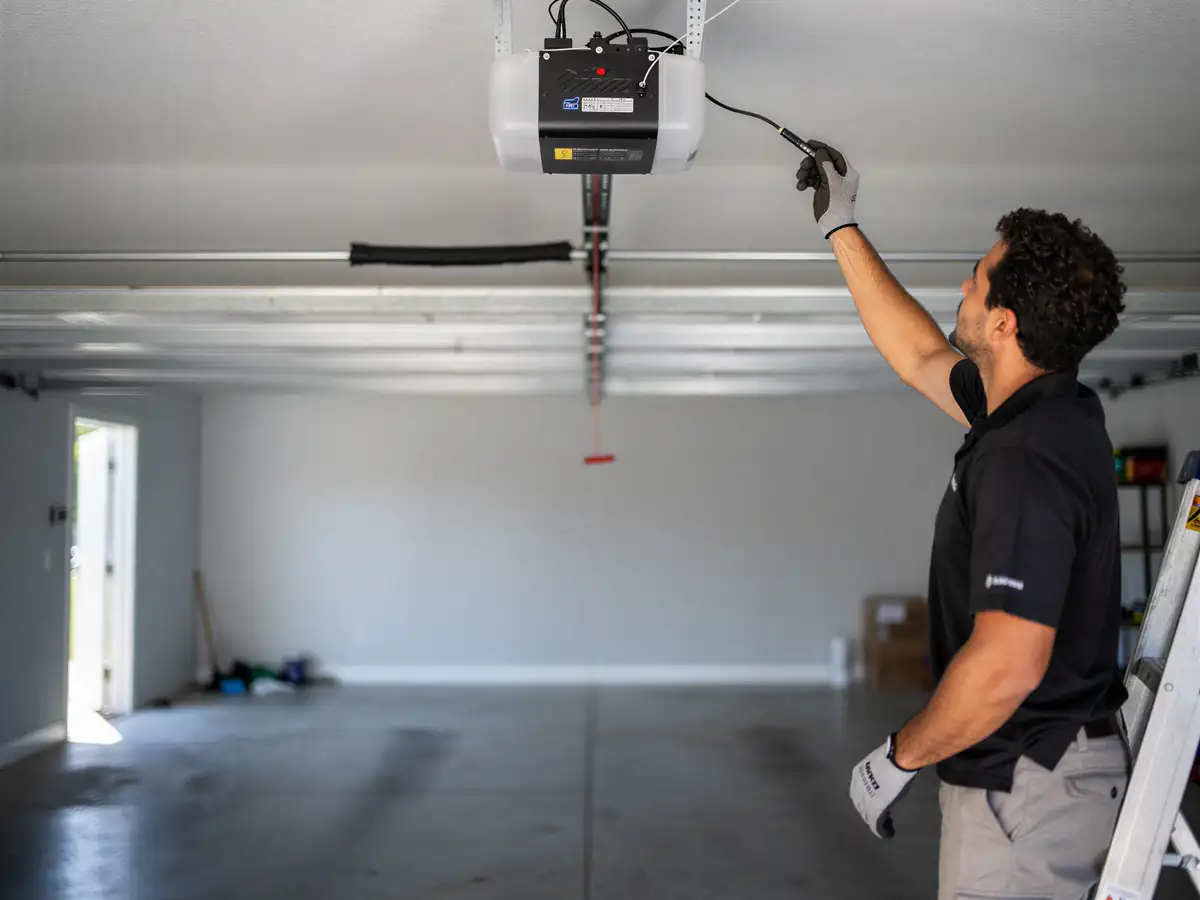
If the opener itself is original to a 1970s install, it's almost certainly been replaced at least once already, so we're usually working on a newer motor paired with older track and hardware - which means diagnosing the actual cause takes a bit more looking before any part gets swapped.
The Complications
The biggest complication in this part of the service area is age mismatch
A newer opener bolted onto 50-year-old track, or a replacement spring sized for the wrong door weight by a previous repair. We find this more here than in newer construction simply because there've been more decades for mismatched parts to accumulate.
Winters in this part of Georgia run cold-moderate rather than severe
But repeated freeze-thaw cycles still stiffen up old nylon rollers and dry out lubricant on hardware that's been in place since the 1970s, which is part of why older doors in this area bind up or stick more than newer ones even without a dramatic failure.
One honest limit: if your door and opener are both original to a 1970s build
We'll generally tell you straight that patching it piece by piece is throwing money at parts that were never matched to begin with, and full replacement is the better call. We'd rather say that upfront than keep billing small fixes to an old setup.
Parts We Carry
Because so many calls out here involve extension springs rather than torsion, we carry common extension spring sizes on the truck along with safety cables for systems that were installed without them - a detail specific to how many homes in this area were built before that became standard practice. We also stock standard rollers, cables, and drums that fit the lighter-gauge track typical of early-1970s doors.
What we don't carry on the truck is obsolete torsion hardware for doors that have been discontinued for decades - if your door needs a part that specific, we'll need to source it before we can finish the job, and we'll tell you that at diagnosis rather than after we've started.