Getting It Booked In
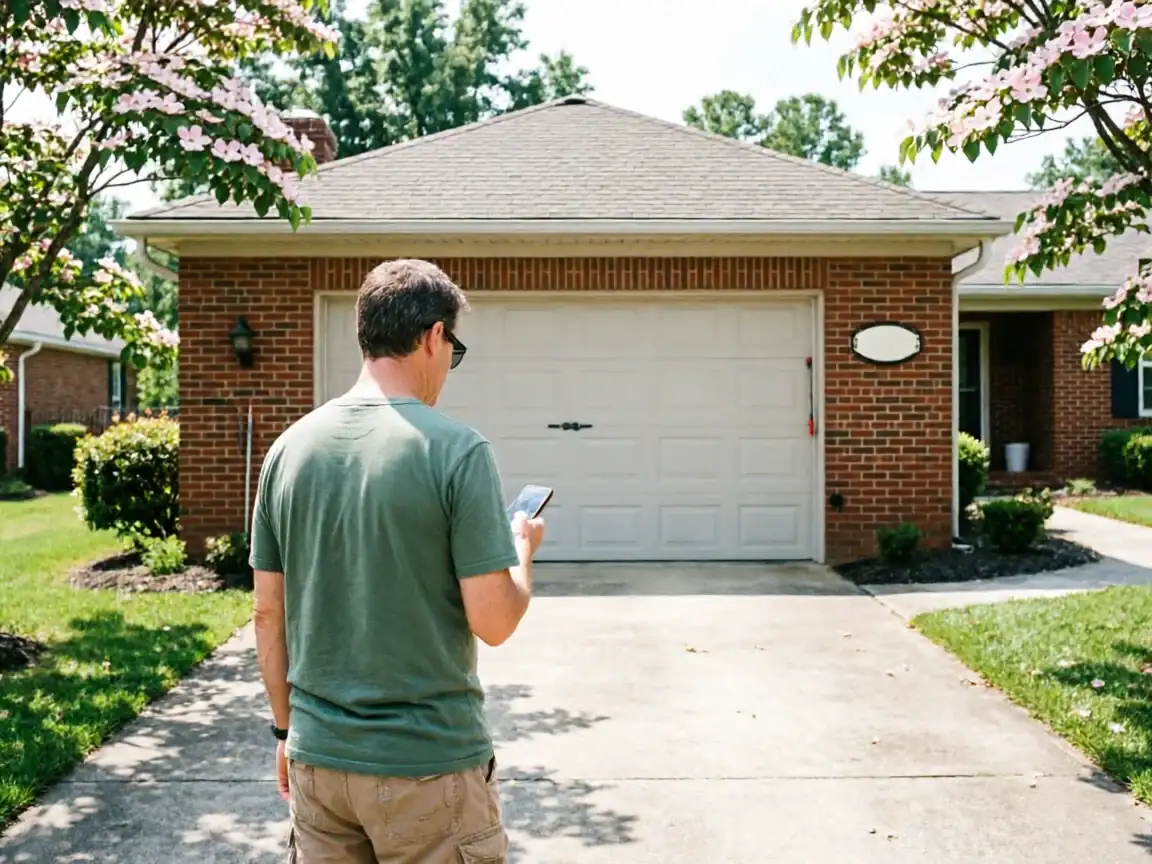
We run this job out of Alpharetta, about 19 miles from Scottdale
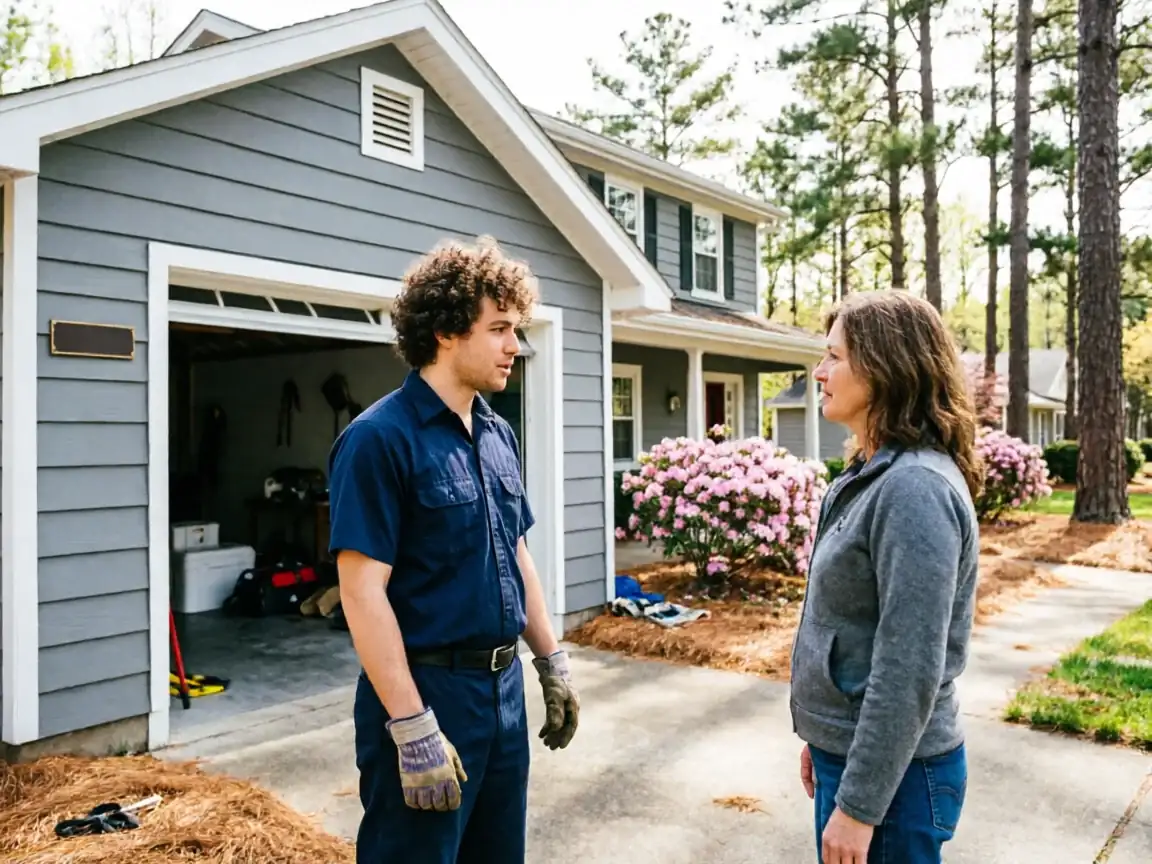
That's the honest limitation up front: there's no branch or drop box here, so a new-door install gets scheduled as a dedicated trip, not a drive-by add-on between other calls. That means we book the measurement and the install as two planned visits rather than same-day walk-ins - we need to confirm opening width, header clearance, and track type before a door and hardware get ordered, because a door built for a 1984 opening doesn't always match what's sold off the shelf today.
- 19 miles
Once we've got measurements, we order the door to match the opening rather than cutting the opening to match a stock size
For a township of about 3,750 households, most of the housing stock here falls in a narrow build window, so we're not guessing at what we'll find when we pull the old door off its track. That consistency actually speeds up scheduling - we know roughly what we're walking into before the truck leaves Alpharetta.
- 3,750 households
The Symptom
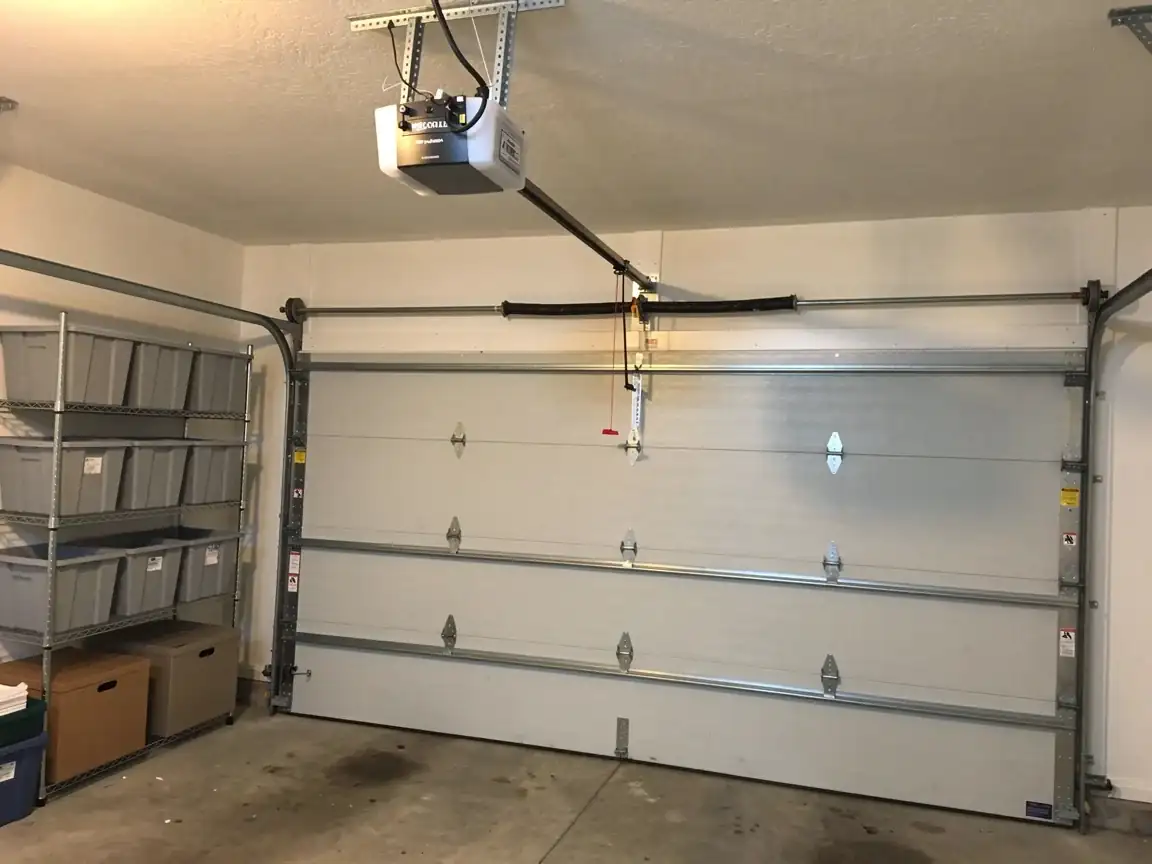
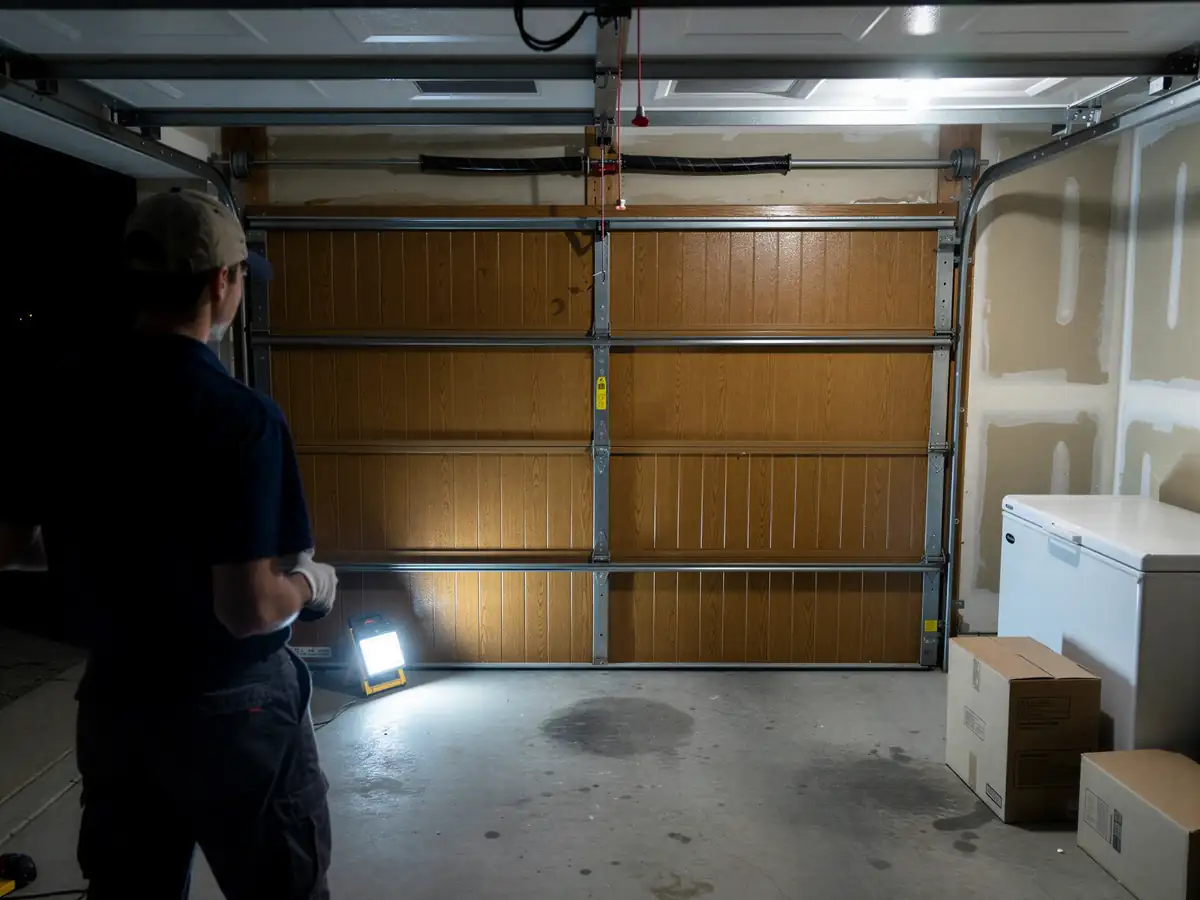
The doors we pull off Scottdale garages are almost always single-layer steel, non-insulated, hung on the original torsion spring sized for that door's original weight - not for whatever heavier door might've been swapped in later. With a median year built of 1984, these panels are pushing 40 years old. Steel of that vintage dents easily, doesn't seal well at the bottom, and the spring that's still on there was never rated for a modern insulated replacement.
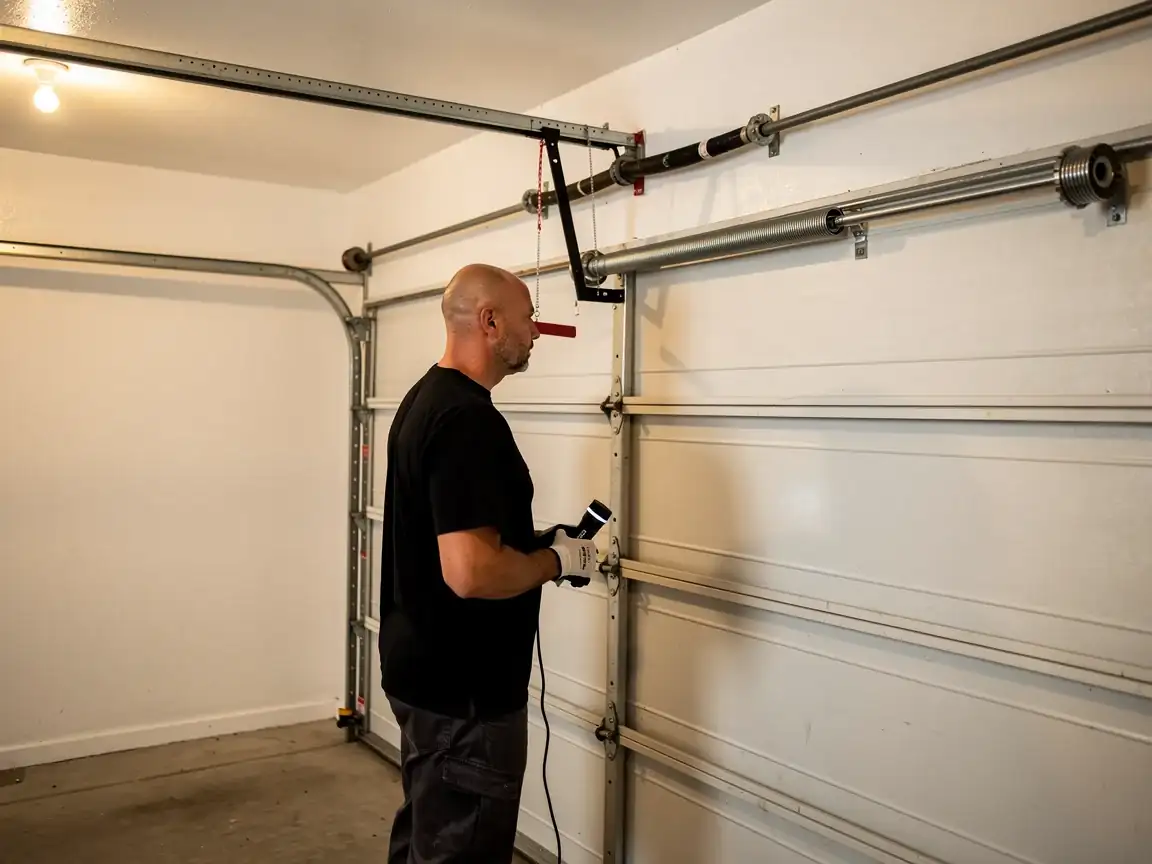
The tell isn't always a door that won't open. More often it's a door that opens unevenly, drags on one side, or bangs down the last foot of track because the spring has lost tension relative to the door's actual weight. On a house this age, that's not a fluke - it's what 40 years of cycling an original spring looks like. When we quote a new install, we're replacing the spring to match the new door's weight, not reusing what's there, because that mismatch is exactly what causes early failures on the next door too.
The Complications
Scottdale sits in a cold-moderate climate band, which matters more at install than people expect. A door from 1984 was built to a different insulation standard than what's sold now, and swapping in a new insulated steel or composite door changes how the opening seals - weatherstripping, bottom seal, and sometimes the header flashing all need to match the new door's thickness, not the old one's.
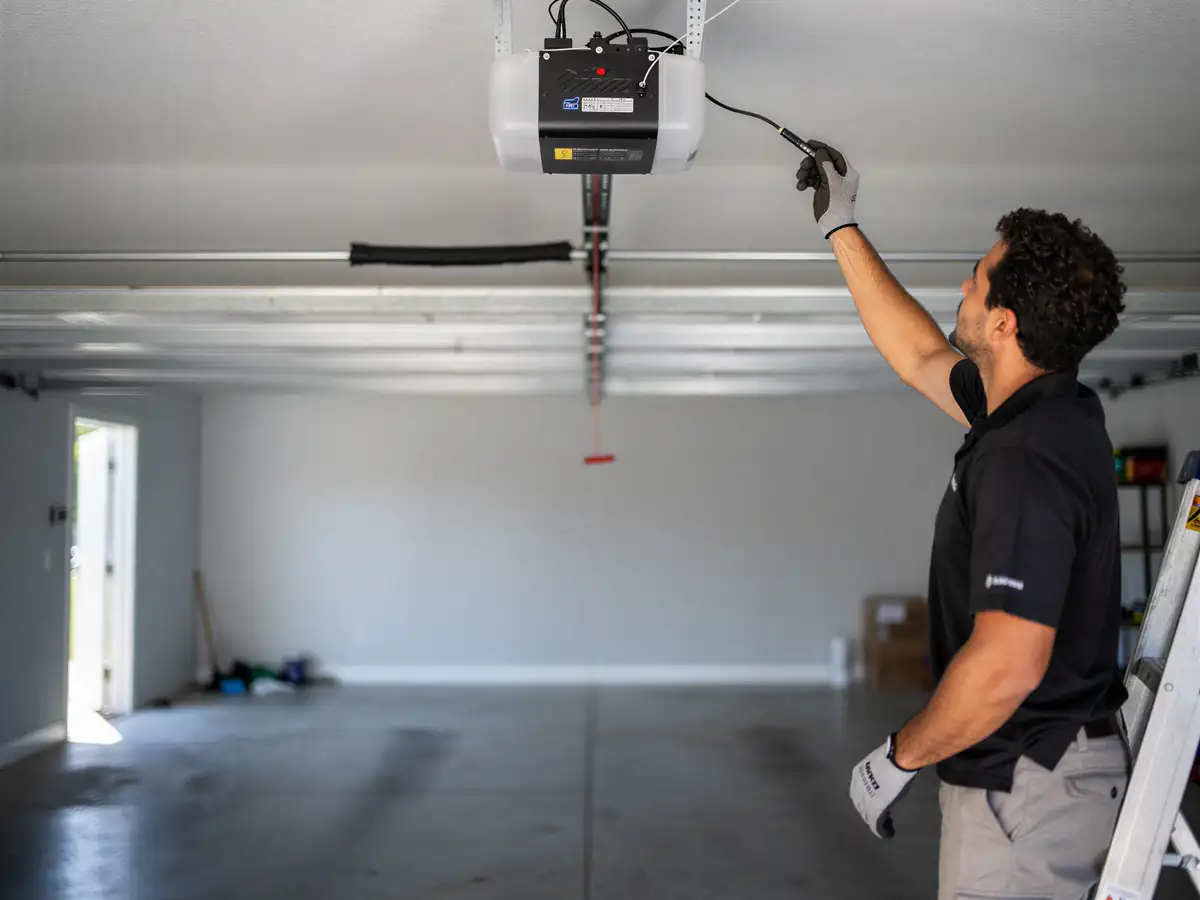
The other complication is hardware mismatch. Houses in this build era often have side-mounted torsion springs and older track profiles that don't line up with current opener brackets. If you're adding a new opener at the same time as the door, we check that the rail and mounting points are compatible before we show up with both - otherwise it's a second trip for a bracket that doesn't exist in the current product line. We'd rather flag that at the measurement visit than discover it mid-install.
Can You Do This Yourself
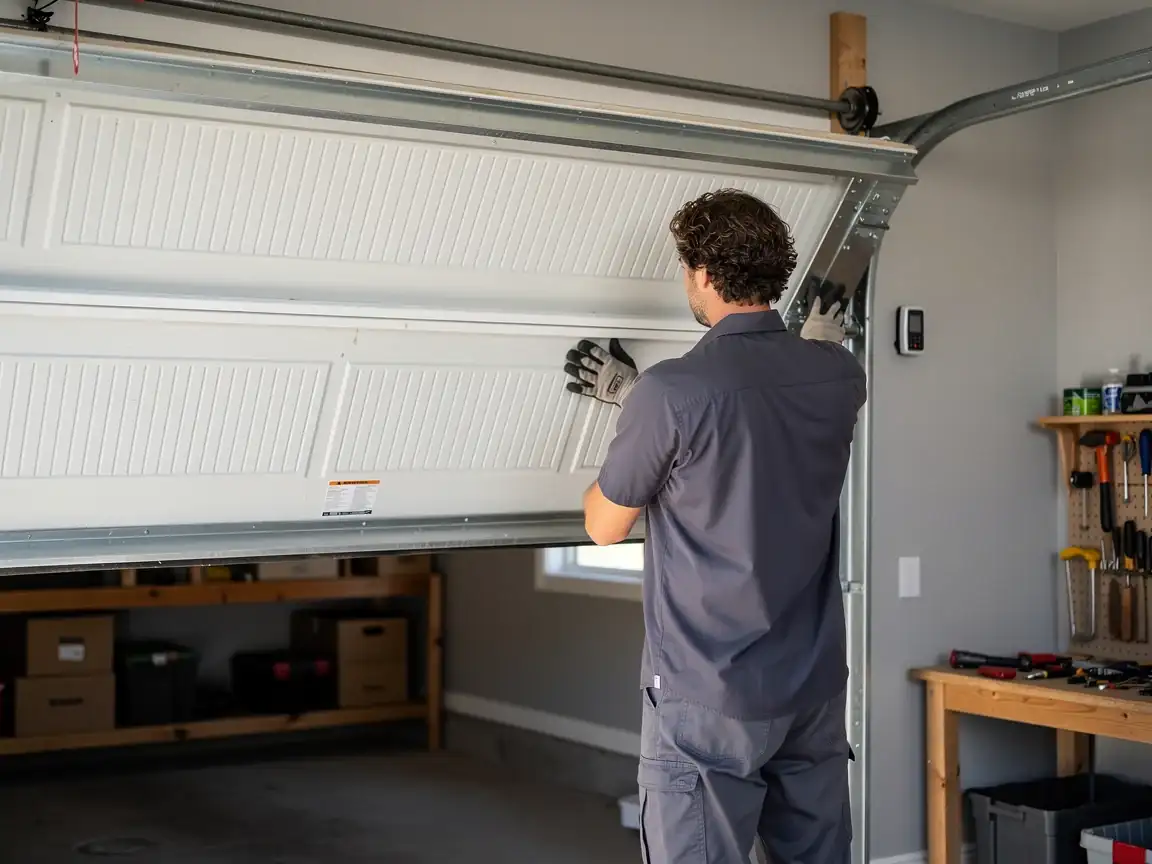
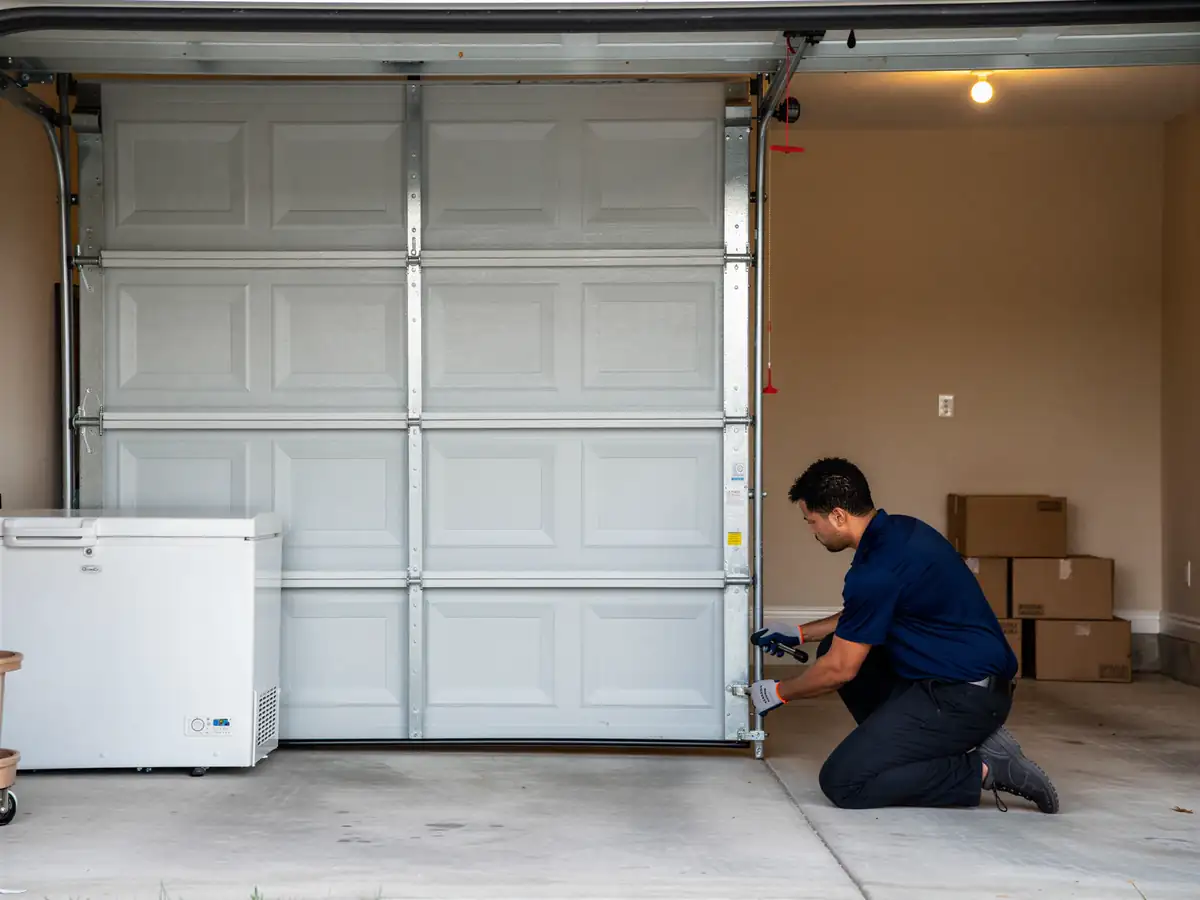
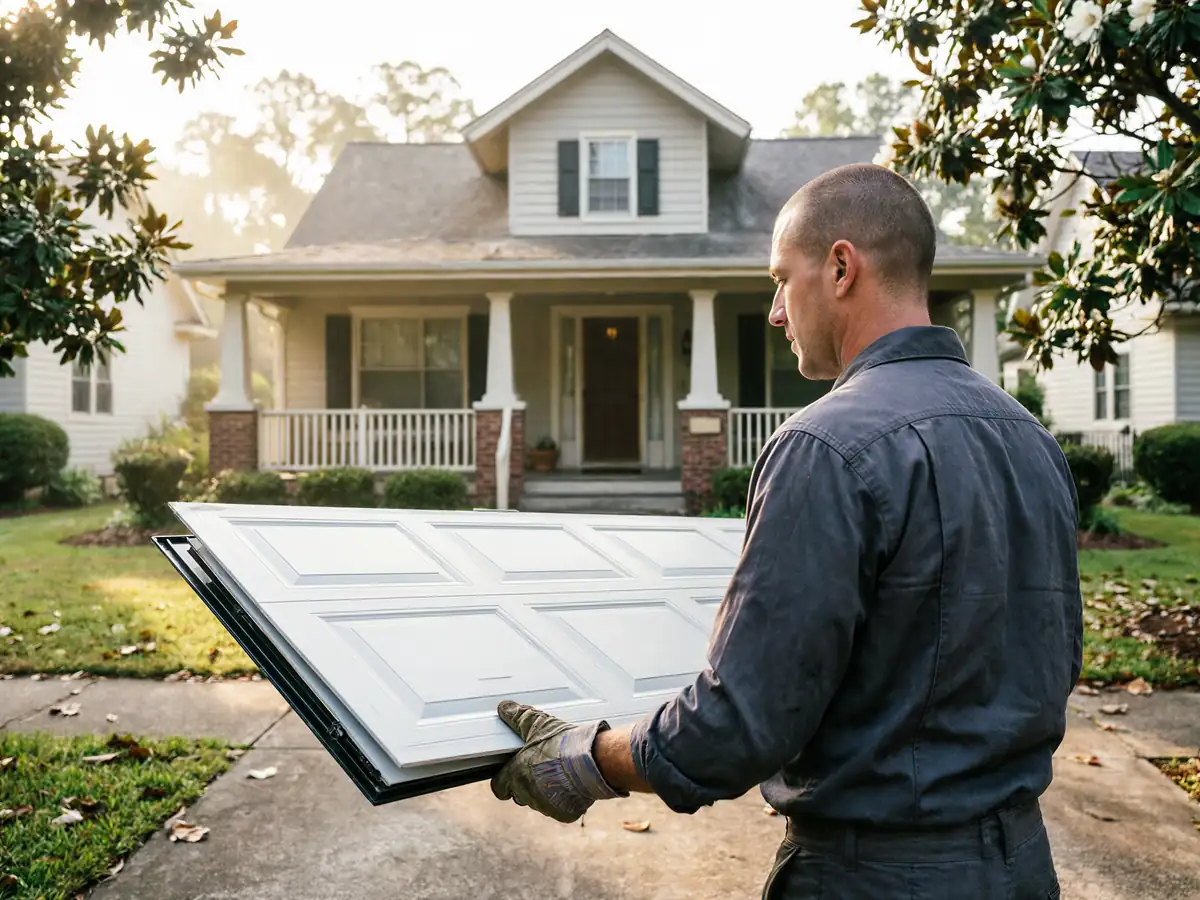
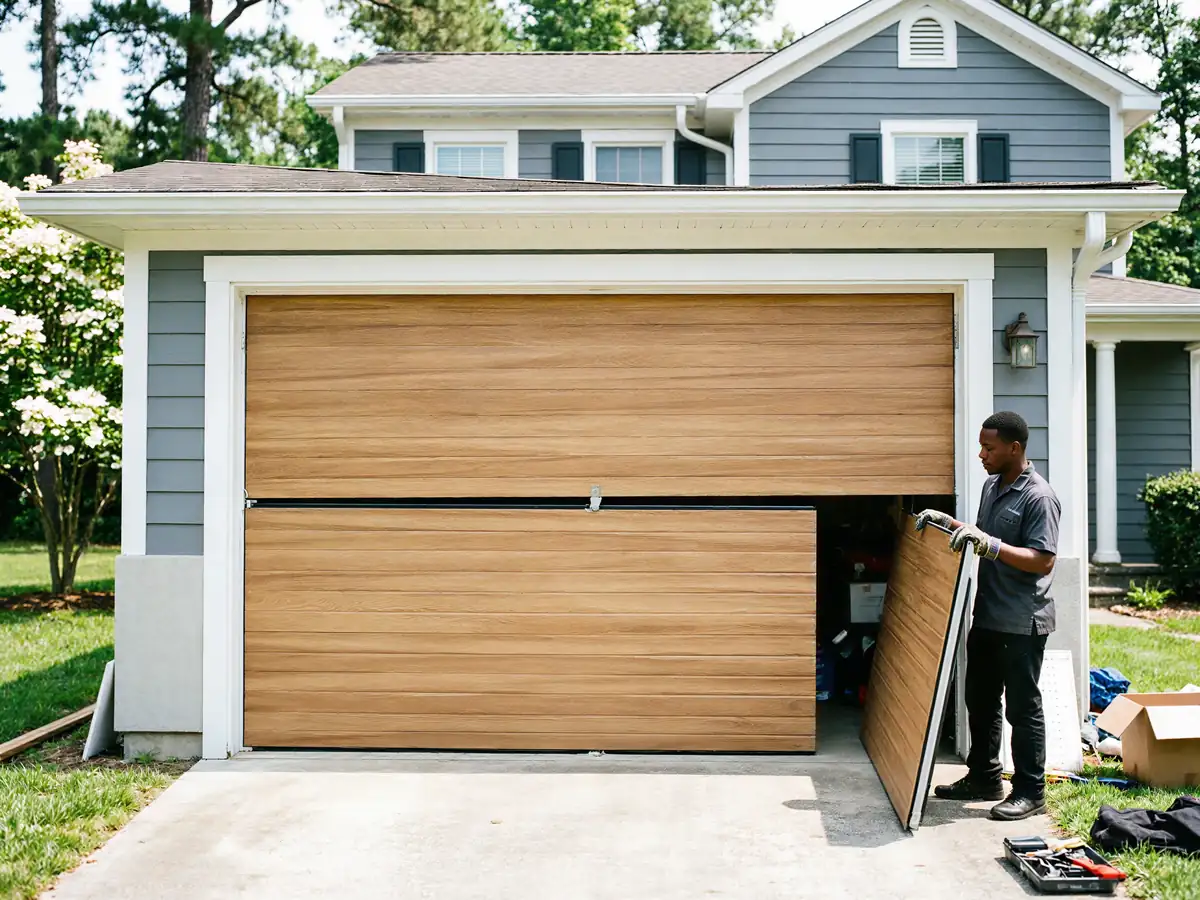
Pulling the old door panel off is the easy part
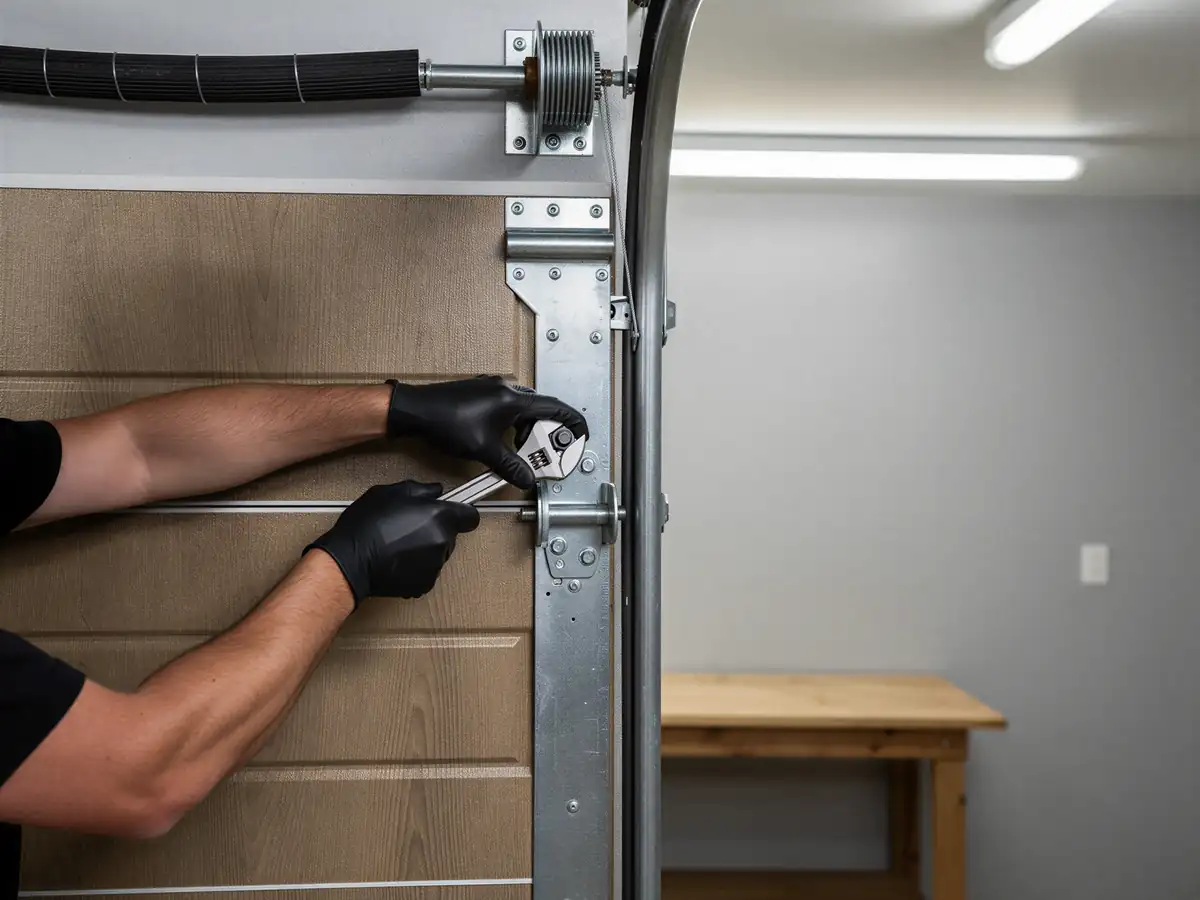
Setting torsion spring tension on a new door is not - it's the one step in this job that puts people in the ER every year, and it doesn't get easier because the house is older or the door looks simple. If you want to handle the trim work, the weatherstripping, or painting the jamb yourself, that's fine and it saves nothing we'd charge for anyway.
Where we'd tell you to stop is spring winding and track alignment on a double-wide door
The spring on an older torsion system is often undersized for a new insulated door, and winding the wrong spring to the wrong tension is how people lose fingers or get hit by a bar under load. If the existing track is bent or the header isn't square - common on houses this age - that's also not a DIY afternoon. Know where your own stopping point is before you start.
What You Pay
We don't have a flat number to quote here, because what a new door costs depends on size, insulation level, and whether the opener's being replaced at the same time - none of that is fixed until we've measured. What we can say is that Scottdale's median household income runs around $82,778, somewhat below the wider service area's $91,308, and that tends to shape which door tier people choose: solid steel over composite, standard R-value over the highest insulation option, a basic chain-drive opener over a belt-drive.
We're not going to upsell a door heavier than your existing opener or track can handle - if the budget points to a standard steel door, we'll spec the spring and opener to match that door, not push you toward something the house doesn't need. That keeps the job honest and keeps a 40-year-old header from carrying weight it wasn't built for.