The Symptom
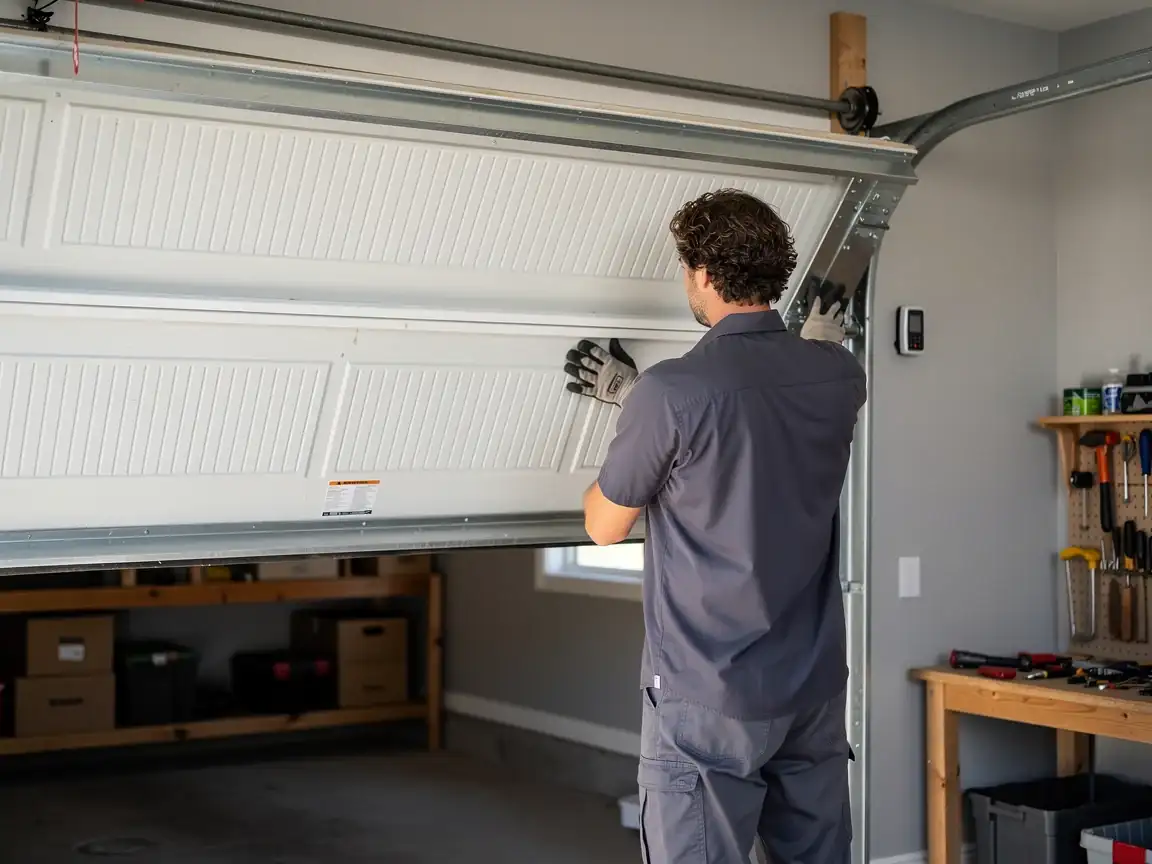
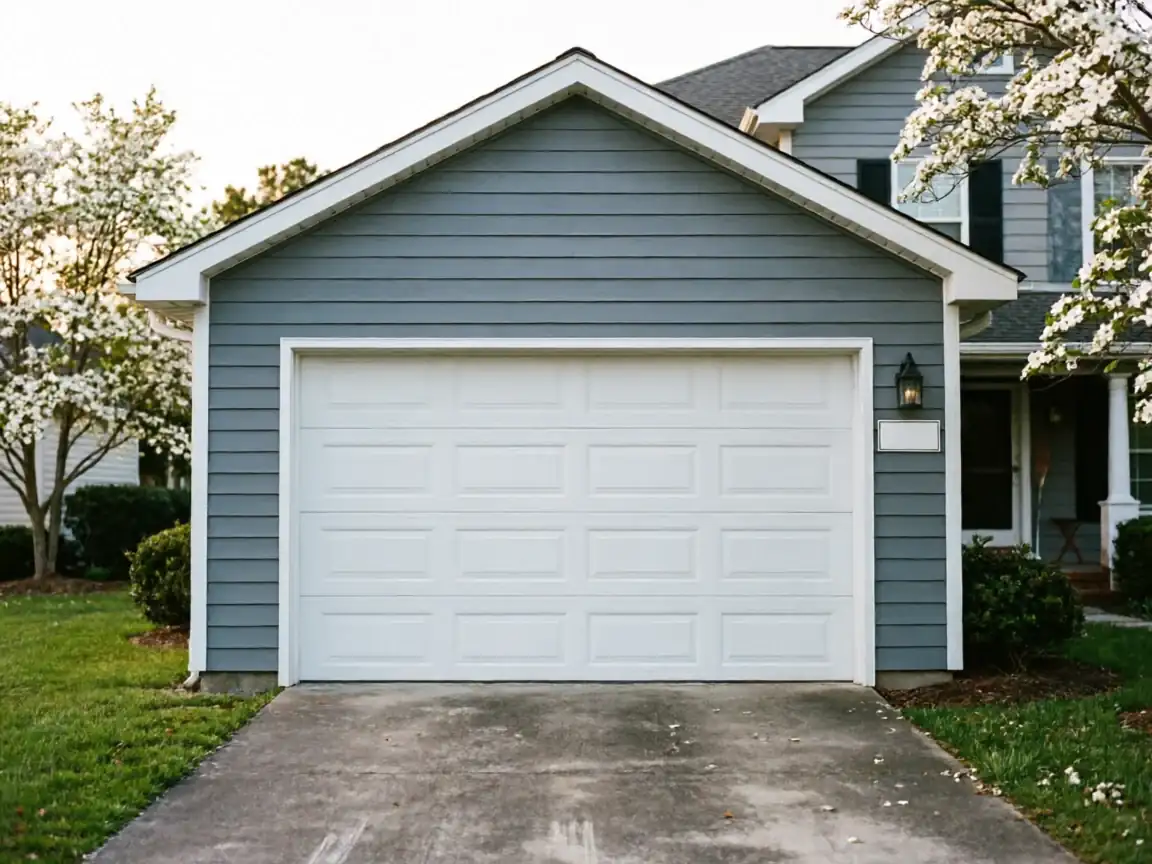
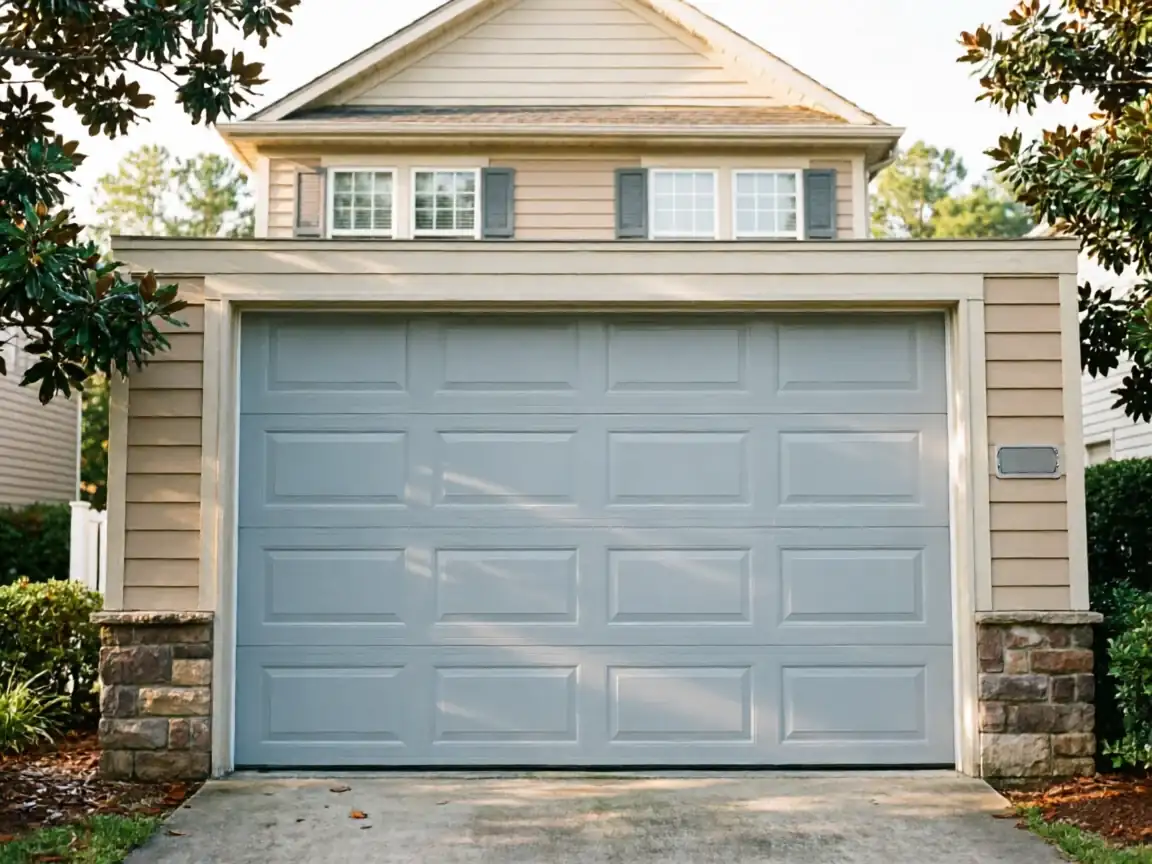
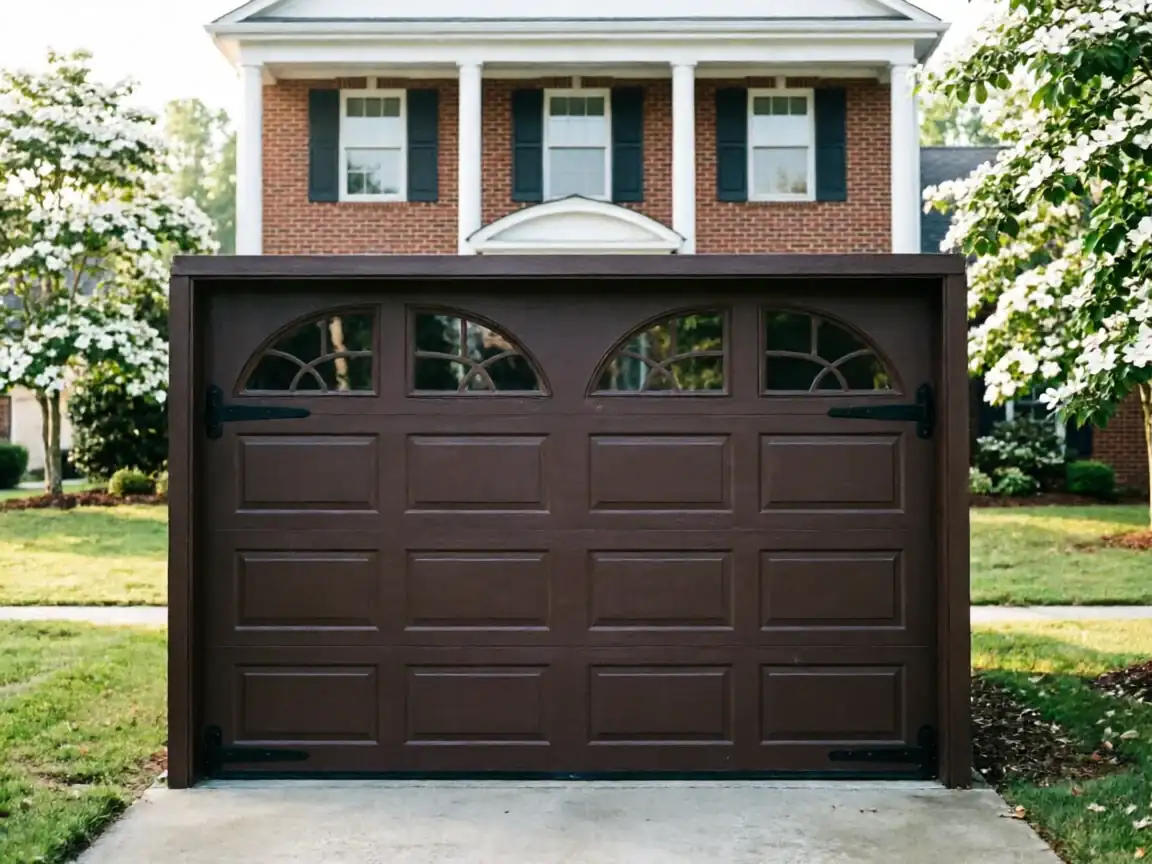
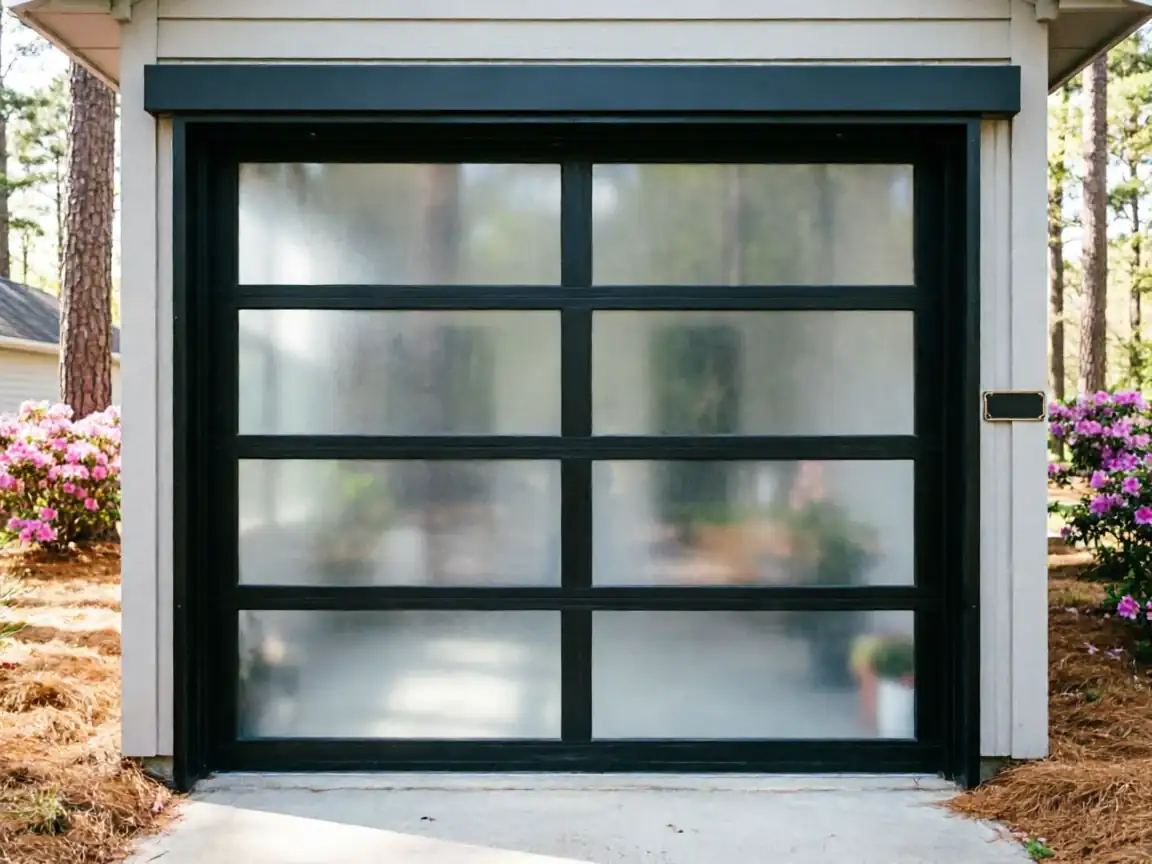
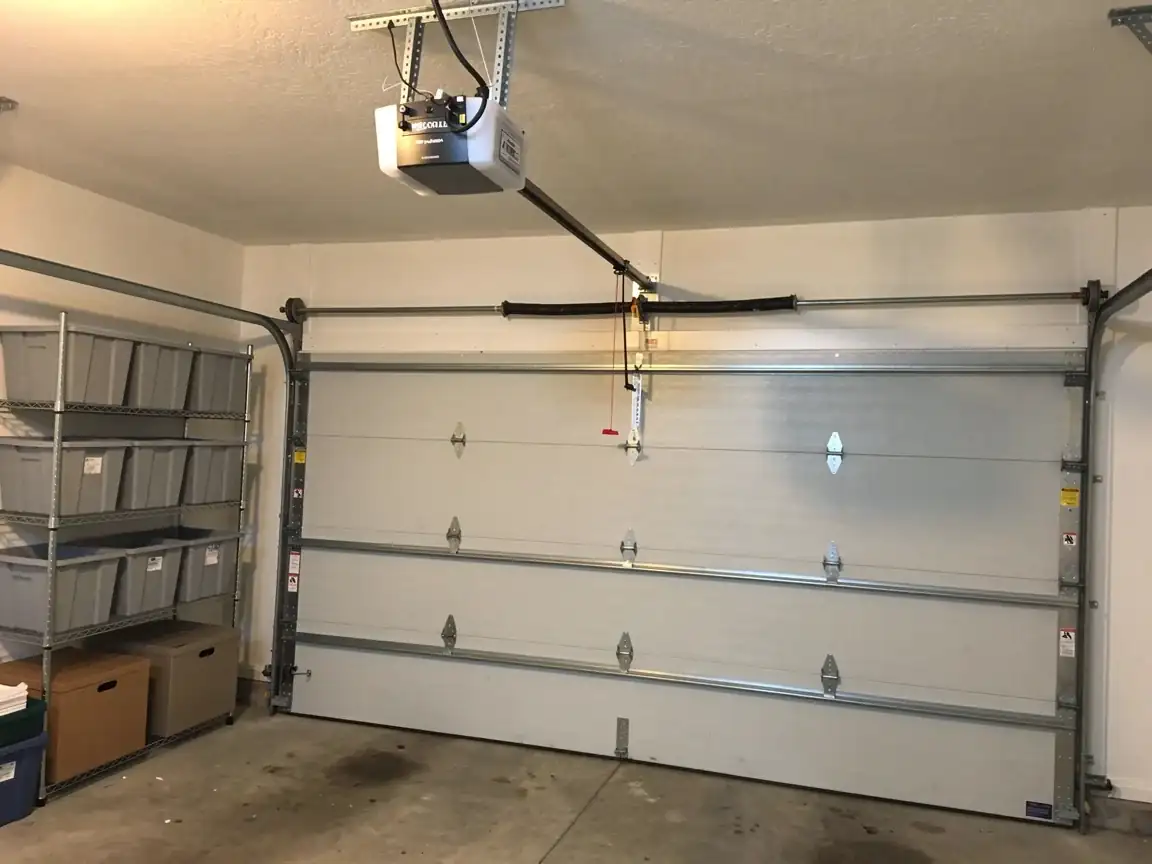
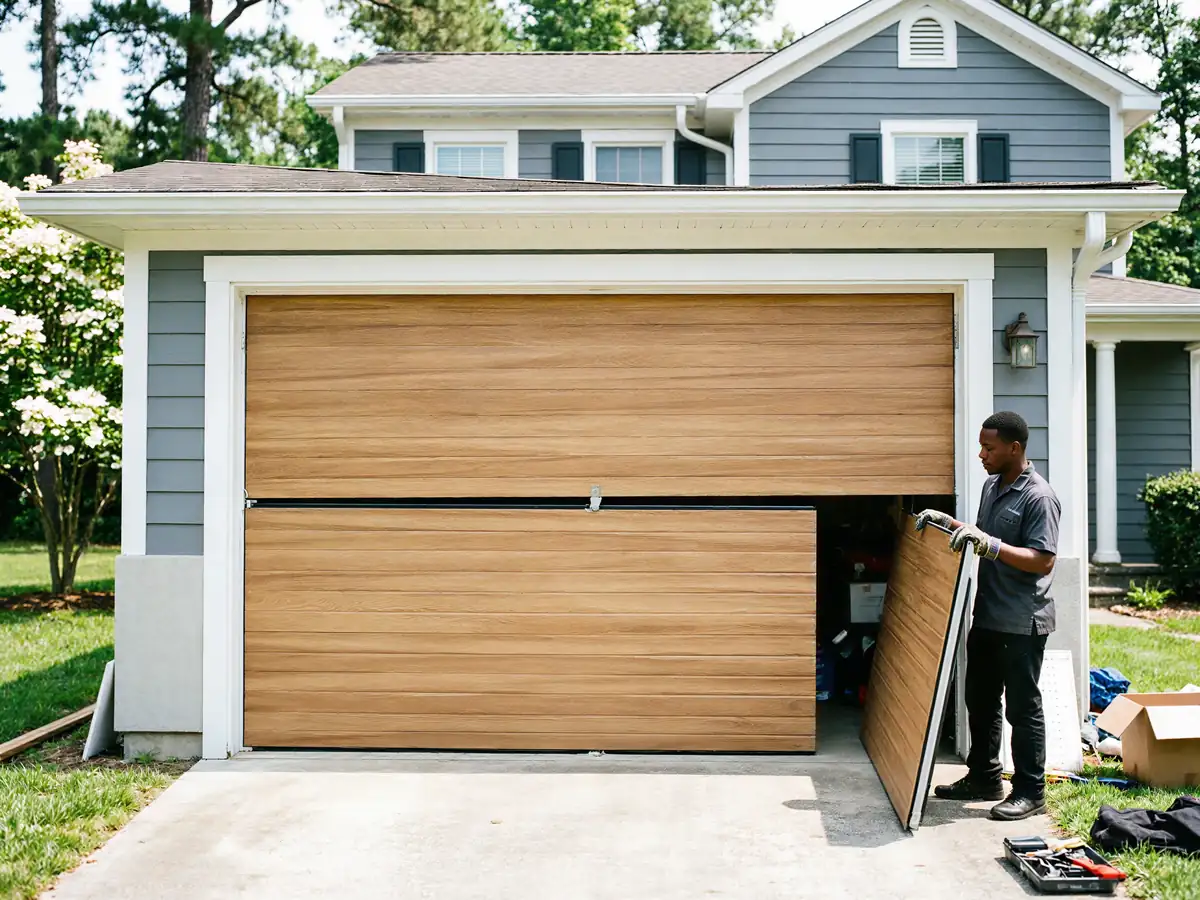
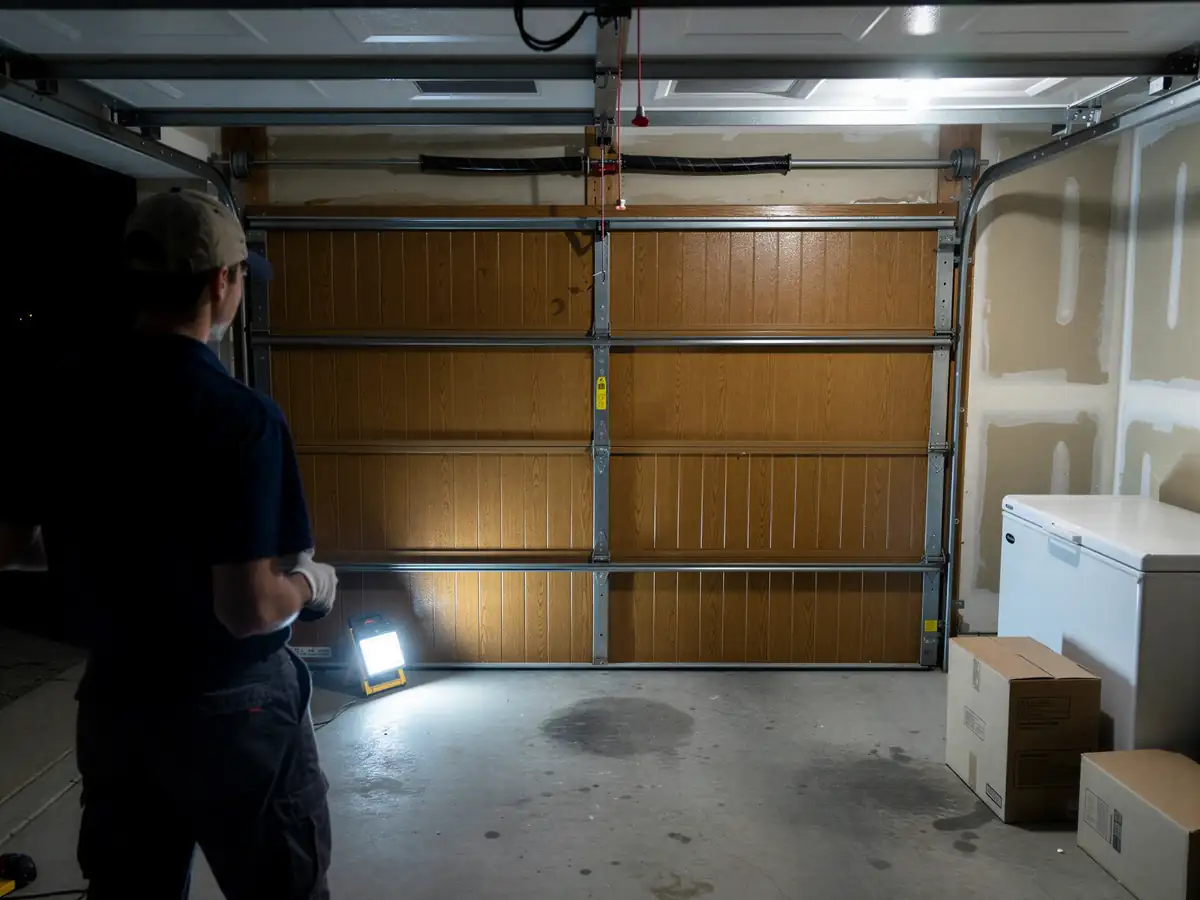
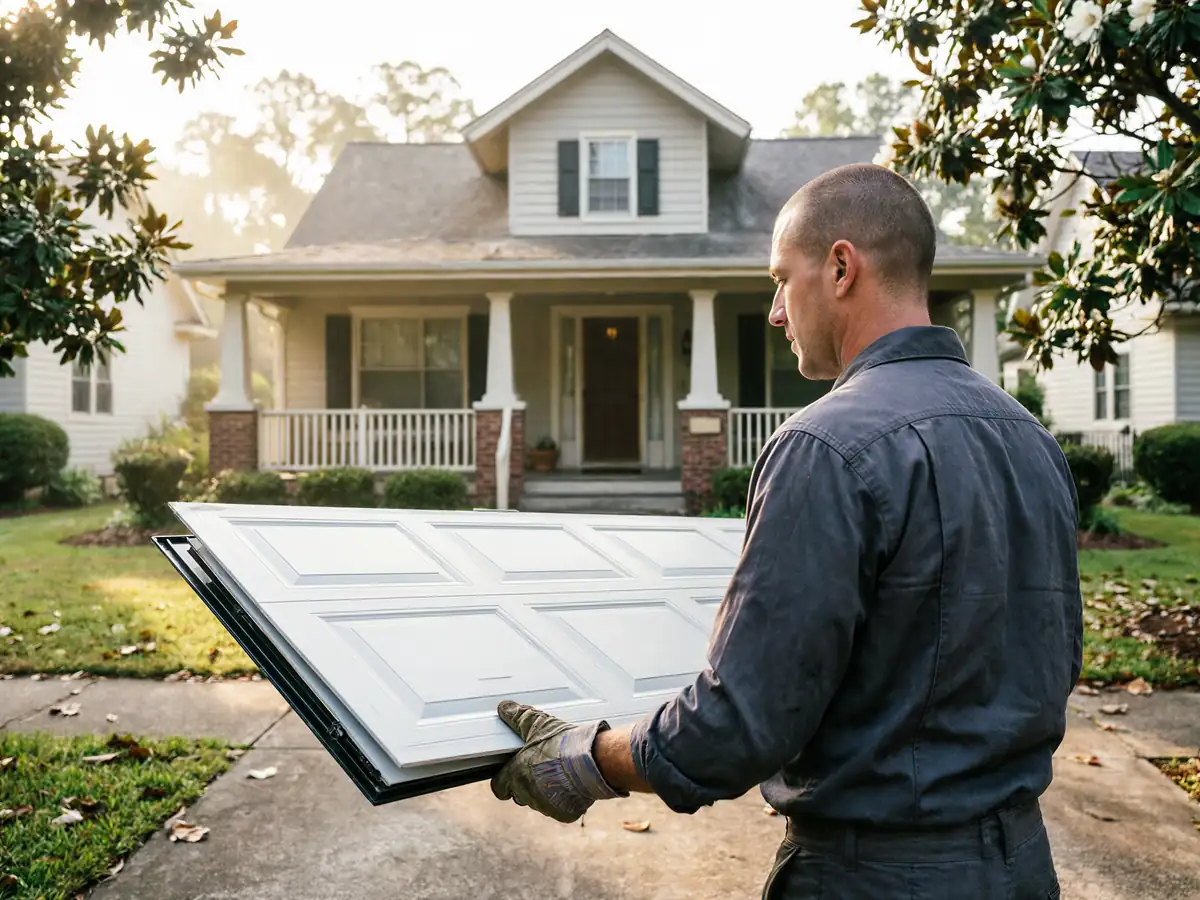
A dented or bowed panel on an 1980s-era door usually shows up as a visible crease across one section, sometimes with the steel skin pulling away from the foam core behind it. On doors from this build window, that core is often a thinner foam than what's used in newer doors, so a hit that would just scuff a modern panel can crack the whole section clean through. You'll also see warping along the bottom panel specifically - in a cold-moderate climate like this one, repeated freeze-thaw cycling on a panel that's already lost paint or sealant at the seams tends to accelerate that kind of bow. If only the bottom section is affected and the rest of the door tracks straight, you're usually looking at a single-panel swap, not a full door.
The Complications
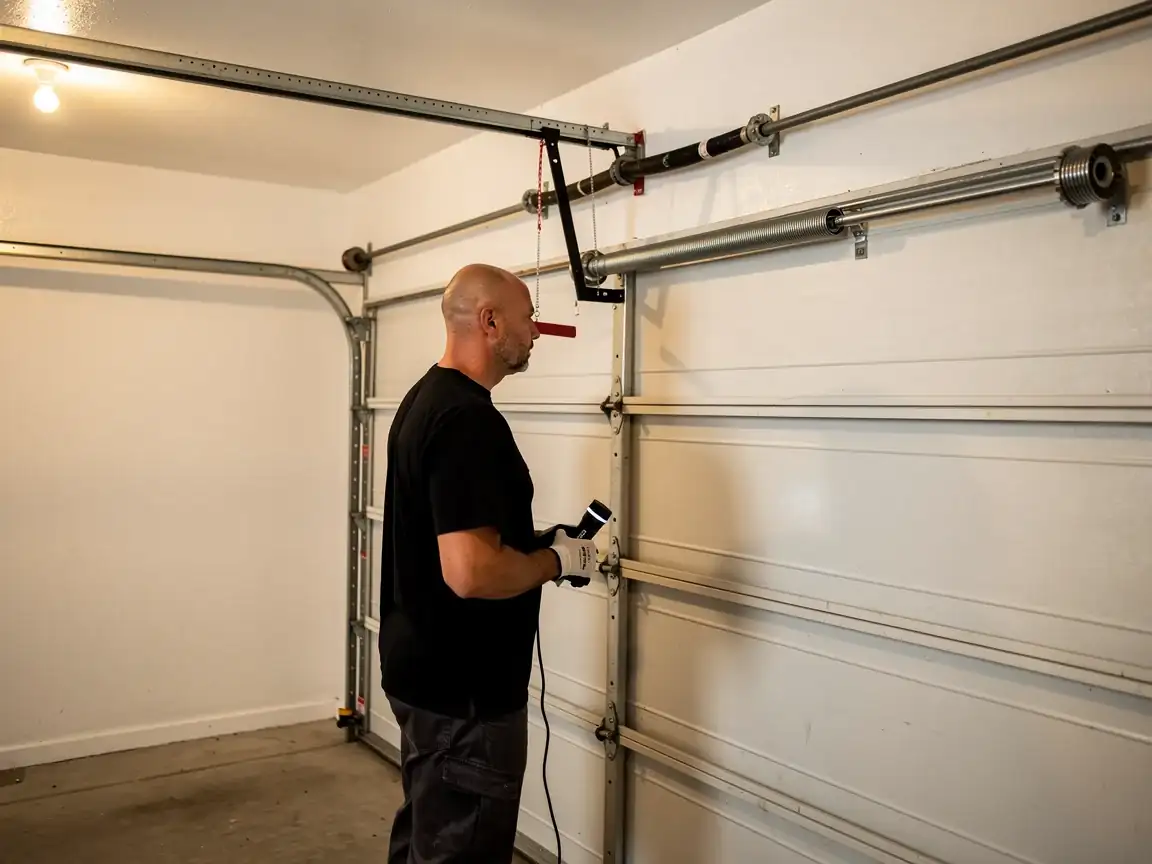
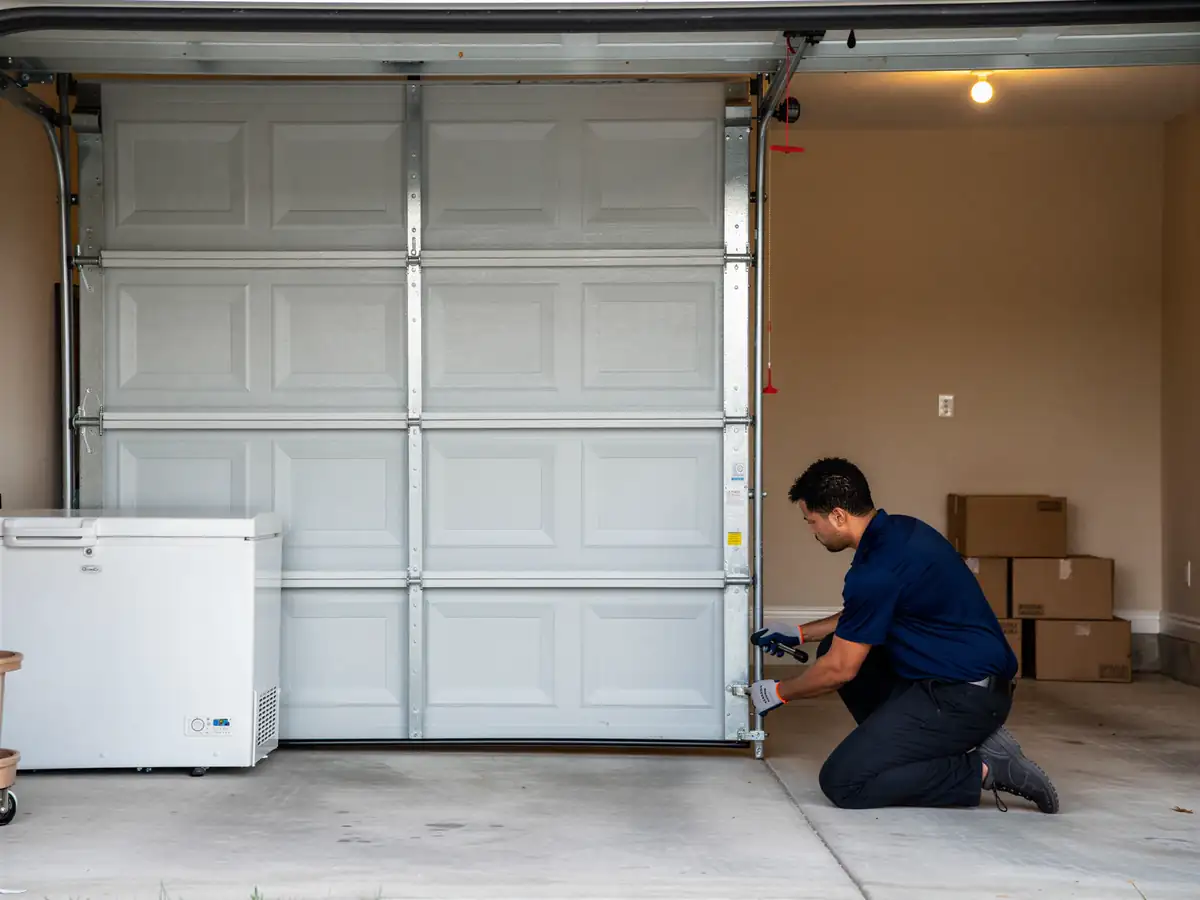
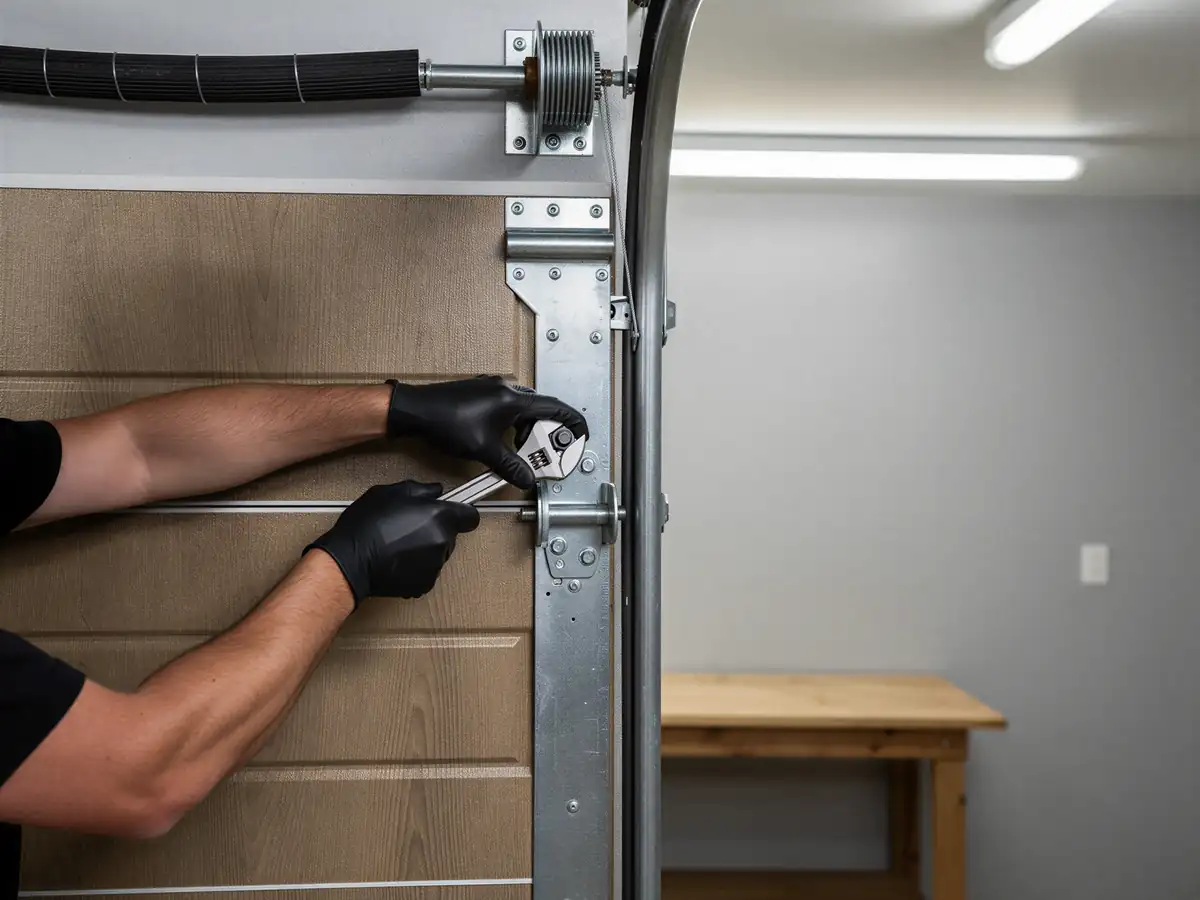
The complication with houses built around 1984 is sourcing. Panel profiles from that era aren't always still in production, so an exact color and rib match sometimes means special-ordering from a supplier rather than pulling stock off a shelf. We won't pretend every panel is a same-week fix - lead time on a discontinued profile can run longer than people expect, and that's worth knowing before you commit to a repair date. The other wrinkle is hardware. Torsion and extension spring setups from this build window were sized for the original panel weight, and a replacement panel that's even a little heavier or lighter than spec can throw off spring tension across the whole door, not just the section you're fixing. We check spring sizing against the new panel before we hang it, because skipping that step is how a one-panel job turns into a door that won't balance right.
What You Pay
We don't have a flat number to quote here - panel cost depends on whether a matching profile is in stock or needs ordering, and whether the spring setup needs rebalancing after the swap. What we can say is that households in this part of the service area run a bit below the broader area's median income, which is part of why we try to flag the repair-versus-replace line early: if a 1984-era door needs its second or third panel in a few years, putting that money toward a full door instead of chasing discontinued panels is sometimes the better call. We'll tell you straight which side of that line your door sits on before any work starts.