Getting It Booked In
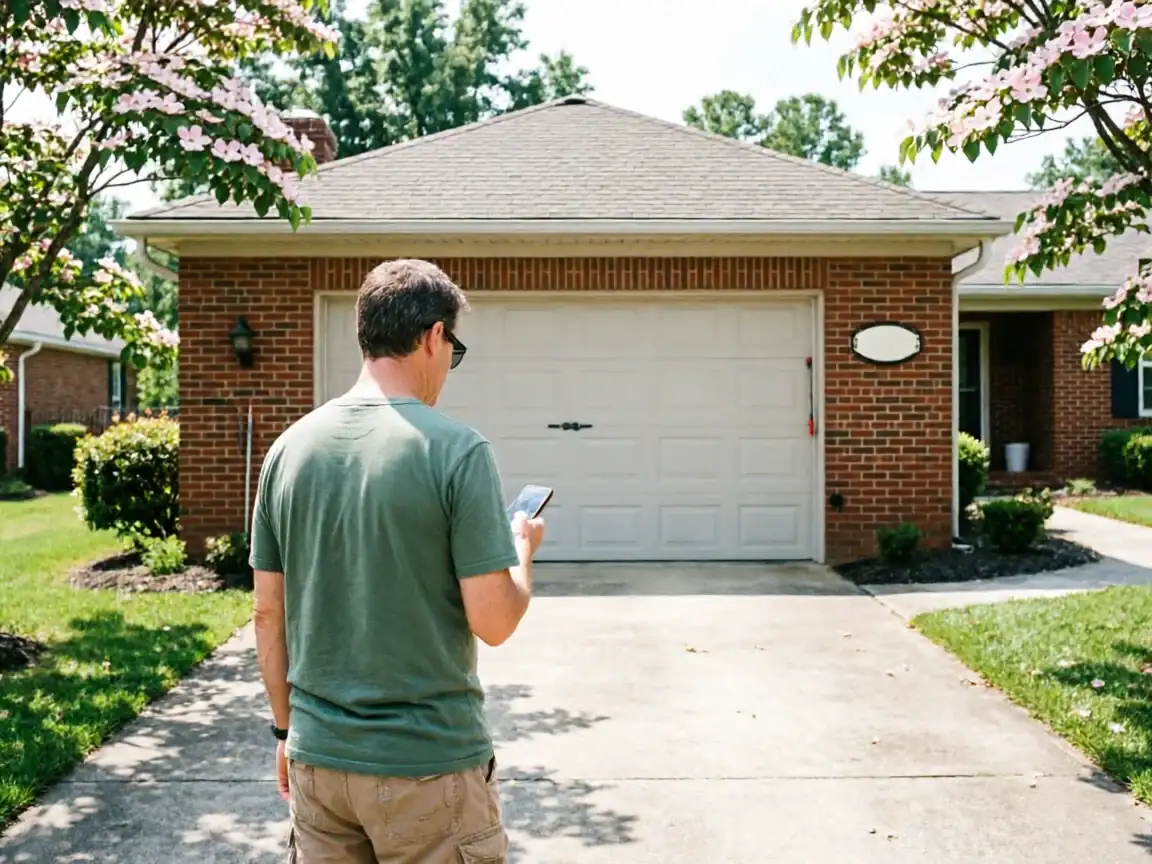
Chamblee sits about 13 miles out from our shop in Alpharetta
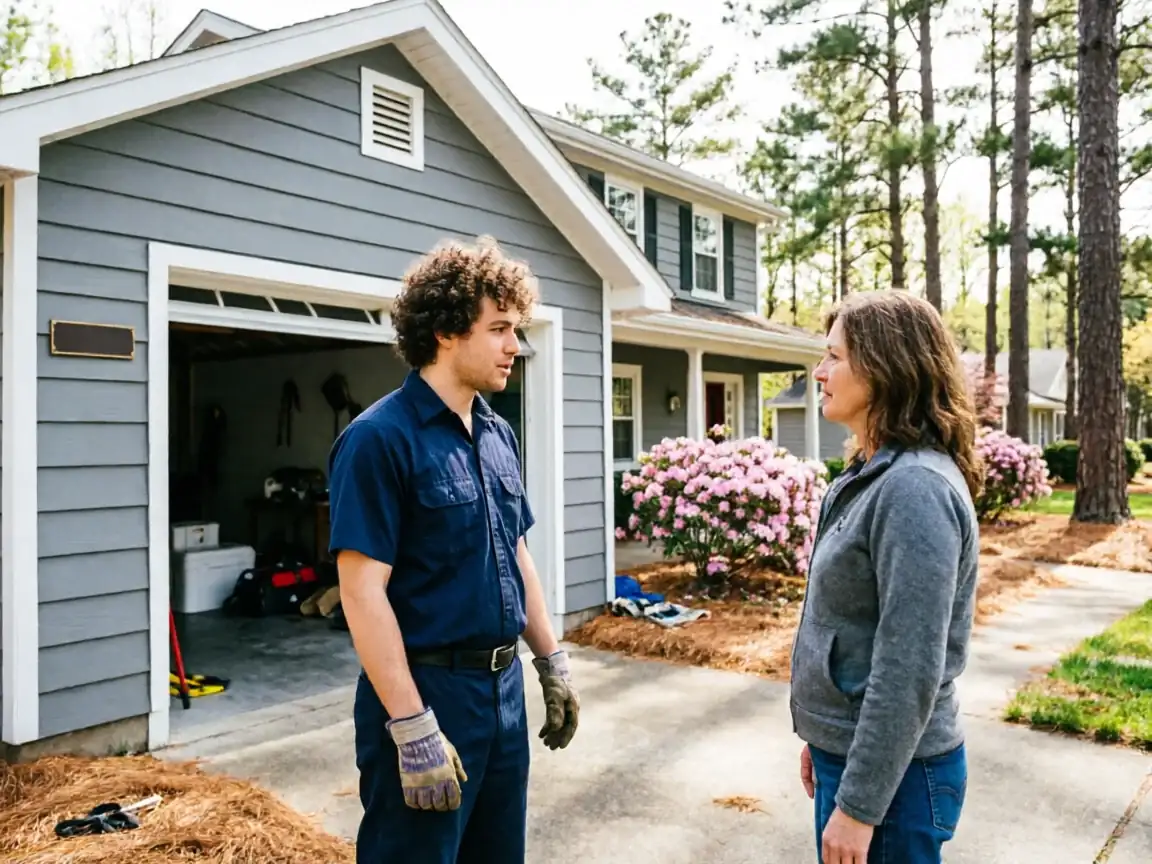
So when you call for maintenance we're not swinging by on a whim between jobs closer to home. We build the visit into the route, which means we ask a few more questions up front - what year the door went in if you know it, whether it's ever been serviced, whether the opener grinds or hesitates. That lets us bring the right springs and rollers instead of guessing.
- 13 miles
We don't run a branch or a drop-in counter in Chamblee itself
Every truck comes from Alpharetta, so we're straightforward about the drive being part of the job, not an inconvenience we hide. If you're booking a tune-up for a door that's never had one, say so when you call - a first maintenance visit on original hardware from the early 1980s usually takes longer than a routine check on a door that's been serviced every couple of years, and we'd rather plan for that than rush it.
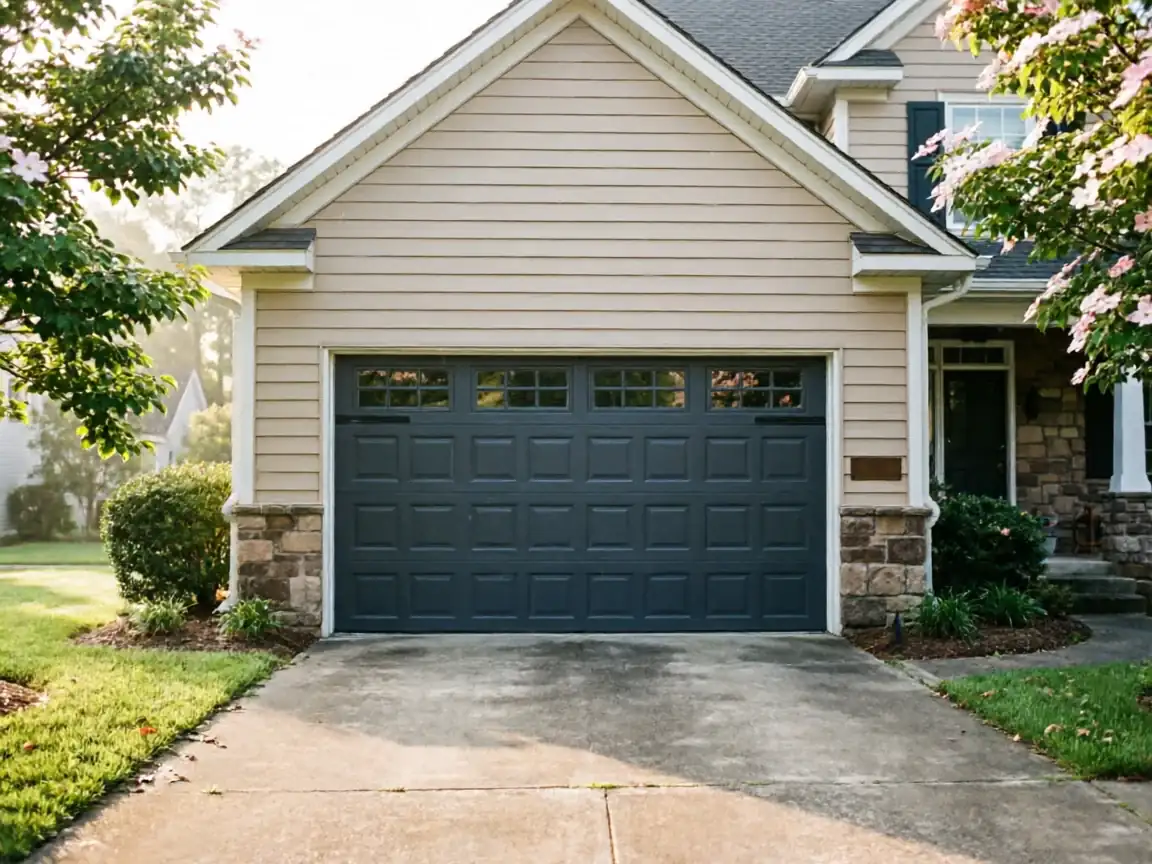
Most of the houses we see calls from in Chamblee are older than the newer construction closer in toward Alpharetta
And that changes what we pack on the truck before we ever leave.
Can You Do This Yourself
Some of it, yes. Wipe down the tracks and look for rust or bent spots. Check that the rubber weatherstrip on the bottom panel hasn't cracked and let daylight through - in a cold-moderate climate that seal matters more than people think. Lubricate the rollers and hinges with a garage-door-specific lubricant, not WD-40, which washes grease out rather than adding it. Test the auto-reverse by placing a 2x4 flat on the ground under the closing door; it should reverse on contact every time.
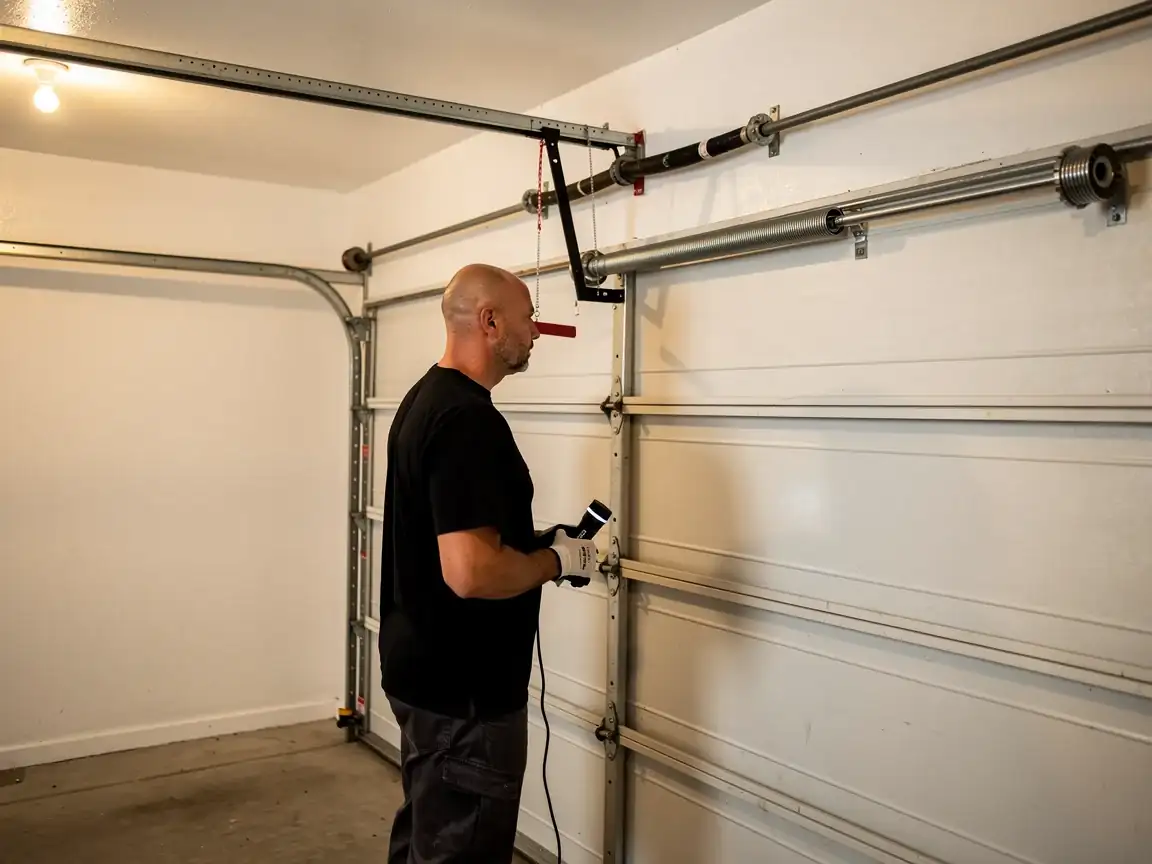
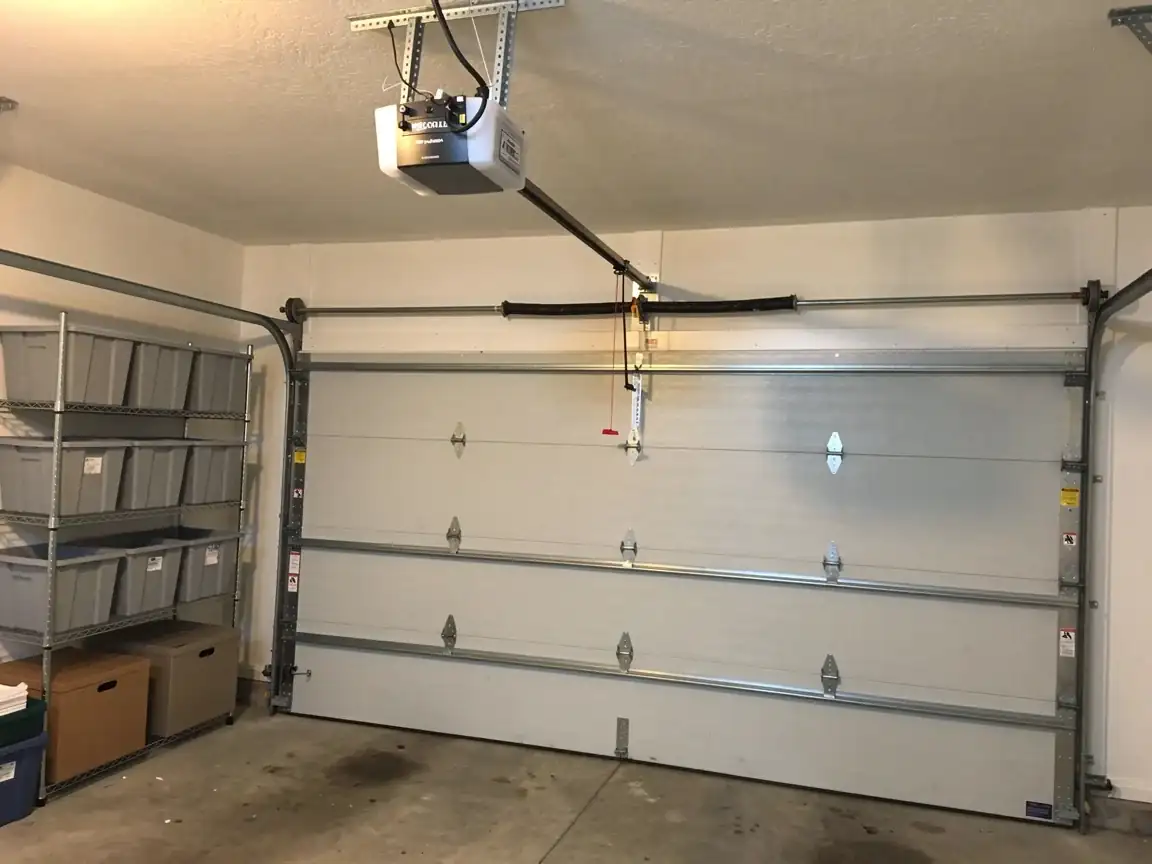
What we won't tell you to touch is the torsion spring. On a door hung around 1981 that spring has been under full tension for roughly four decades, and the hardware holding it - end bearing plates, the center bracket - ages right along with it. These store enough energy to break a bone or worse if the winding bar slips. We get calls after someone's tried it themselves and the spring unwound wrong on a 1980s-era door; it's not worth the gamble.
If your door is original to the house and has never had the hardware touched, that's exactly the situation where a professional eye matters more than a how-to video.
How We Fix It
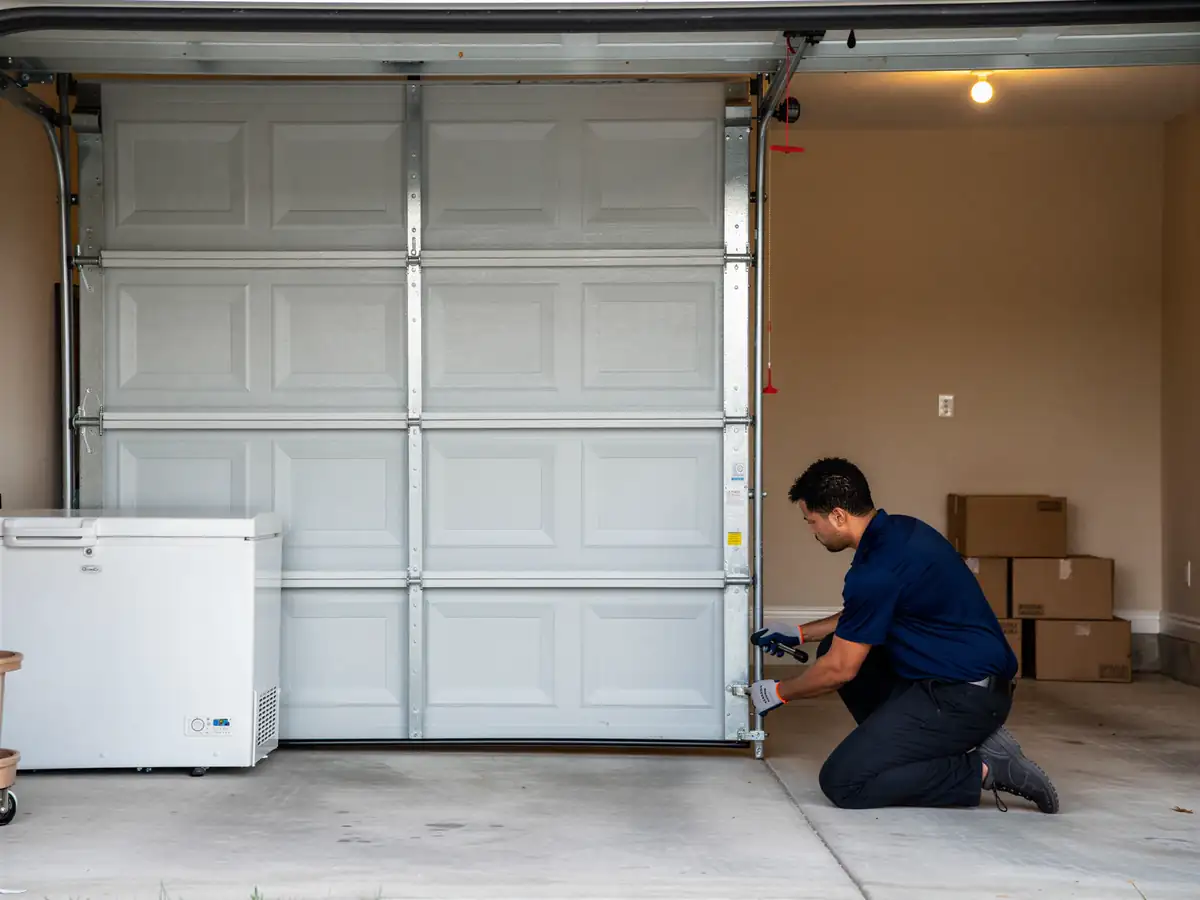
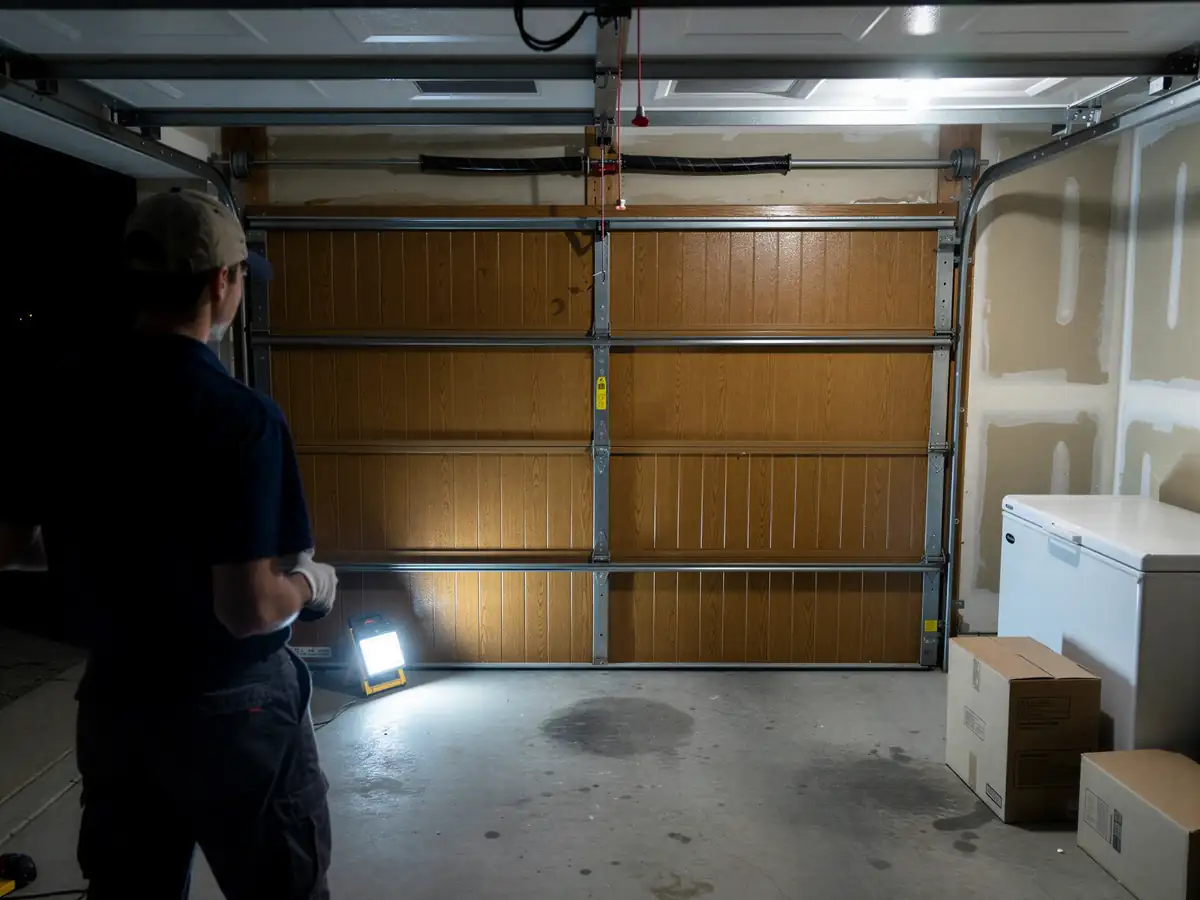
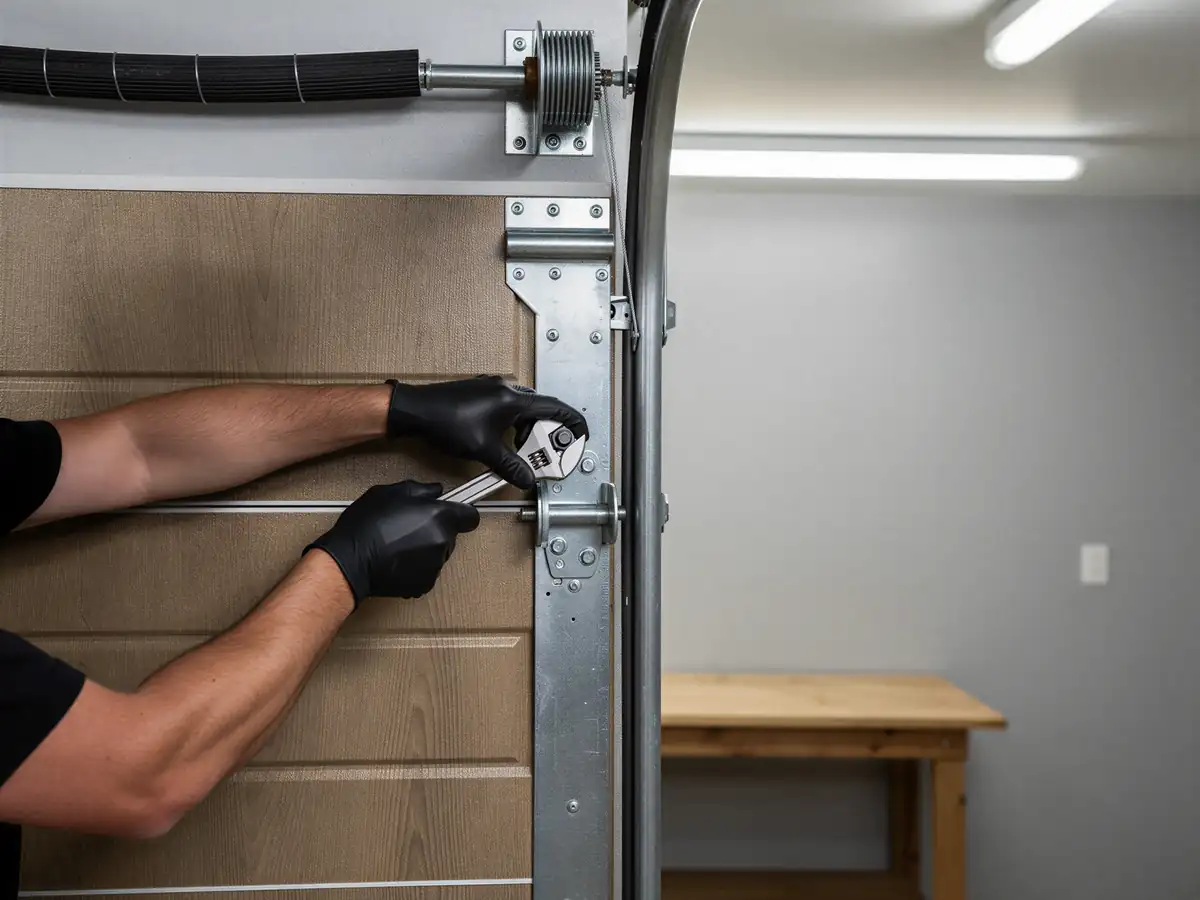
A maintenance visit on a Chamblee door starts with the thing most owners never see: the spring and cable tension. On hardware from the early 1980s, tension drifts over the years even without a failure, which throws the door's balance off and makes the opener work harder than it should. We check that first, adjust it if it's off, and inspect the cables for fraying at the drum - the most common early failure point on cable this old.
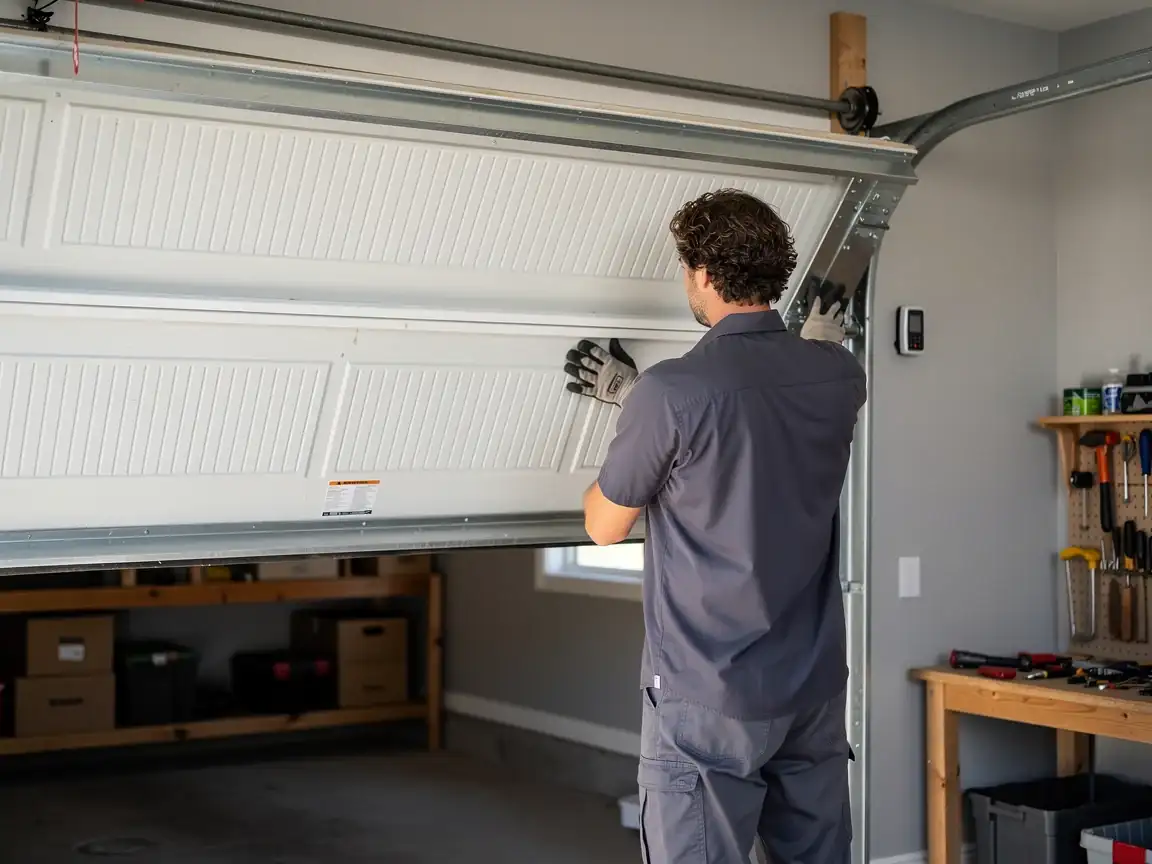
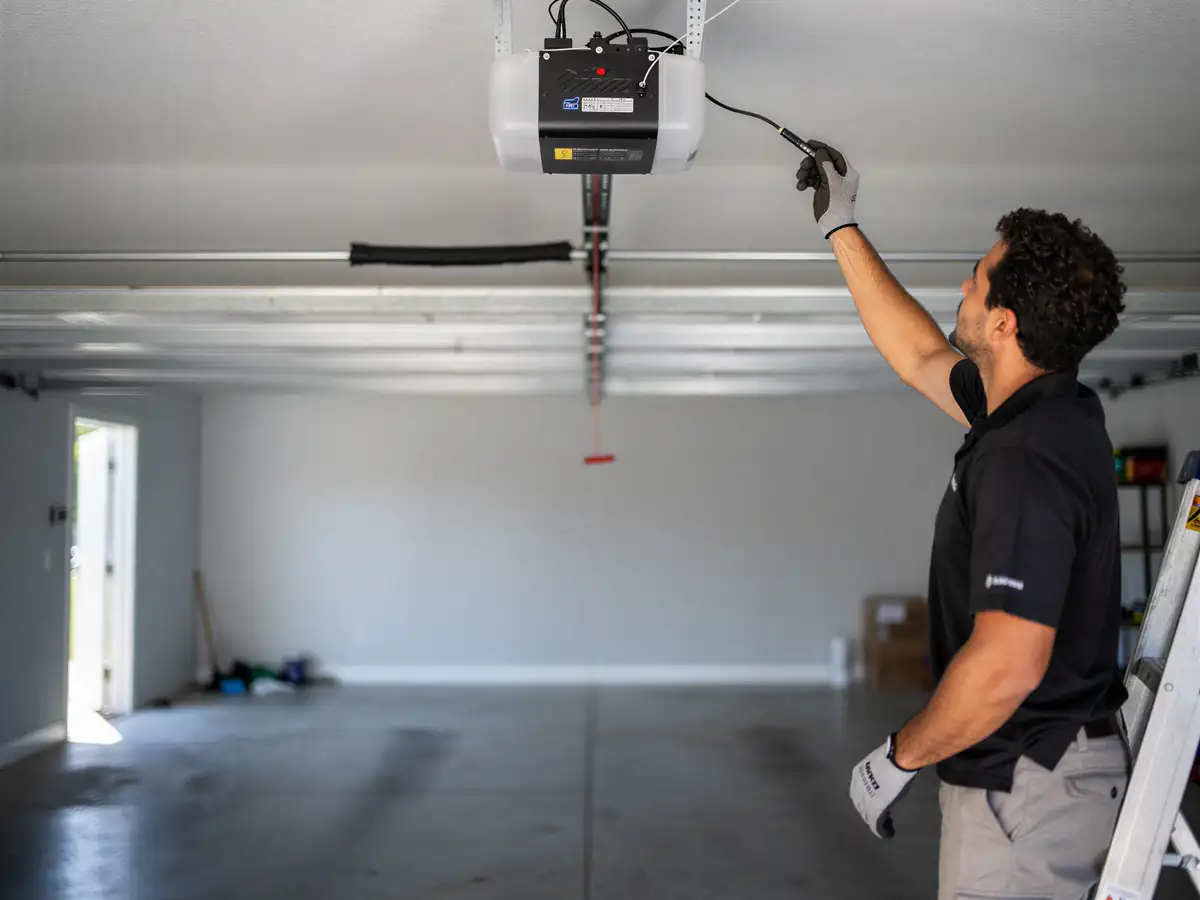
From there we run through the rollers, checking for the flat spots and cracked nylon that show up after a few decades of use, and the track alignment, since a door that's been slightly out of true for years tends to wear the rollers unevenly on one side. We test the opener's force settings and the safety reversal, tighten the hardware on the track brackets, and lubricate every moving part.
We don't replace parts that don't need it just to pad the invoice. If a roller still turns smoothly and shows no wear, it stays. If the torsion spring is original and we can see rust pitting or flat spots in the coil, we'll tell you plainly that it's closer to failure than service, and talk through what replacing it now versus waiting looks like.
What Causes It Around Here
Chamblee's housing stock centers on 1981, a few years ahead of the broader service area's 1984 median
Which puts a meaningful share of doors here into their fifth decade on original hardware. That's long enough for torsion springs to fatigue, for galvanized cable to fray at the drum, and for steel rollers to flatten on one side from years of slightly uneven track alignment nobody noticed.
The climate here is cold-moderate rather than severe
So we're not dealing with the extreme swings that crack panels outright. The wear we see is slower and steadier: temperature swings through the winter months stiffen old lubricant and tighten metal-on-metal tolerances just enough that an already-fatigued spring or a dry roller finally gives out on a cold morning instead of a mild one.
Income plays into this too, in a quiet way
Chamblee's median household income runs around $81,774, somewhat below the $91,308 median across our full service area. We see more owners here choosing to maintain a door through its original hardware as long as it's safe to do so, rather than replacing early - which makes the maintenance visit itself carry more weight than it does on newer doors closer to Alpharetta.
Parts We Carry
We carry torsion springs sized for the single and double doors common on homes built through the 1980s and 90s, along with steel and nylon rollers to match whichever your door originally had. Galvanized lift cable and the end bearing plates that wear out alongside it are on the truck too, since those rarely get replaced on their own - if one's failing, the other usually isn't far behind.
What we don't stock is every discontinued opener logic board or a specific obsolete track profile from a manufacturer that's long since changed hands. On a door original to 1981, every so often we run into a part that simply isn't made anymore, and in that case we'll tell you straight that a full hardware swap makes more sense than chasing a part that might take weeks to source. That's not a sales pitch - it's just where the parts supply chain runs out.
For most Chamblee calls, though, the springs, rollers, and cable we carry cover what's actually failing on hardware this age. We'd rather hand you a straight answer about what's on the truck than promise a part we'd have to order and make you wait on.