How We Fix It
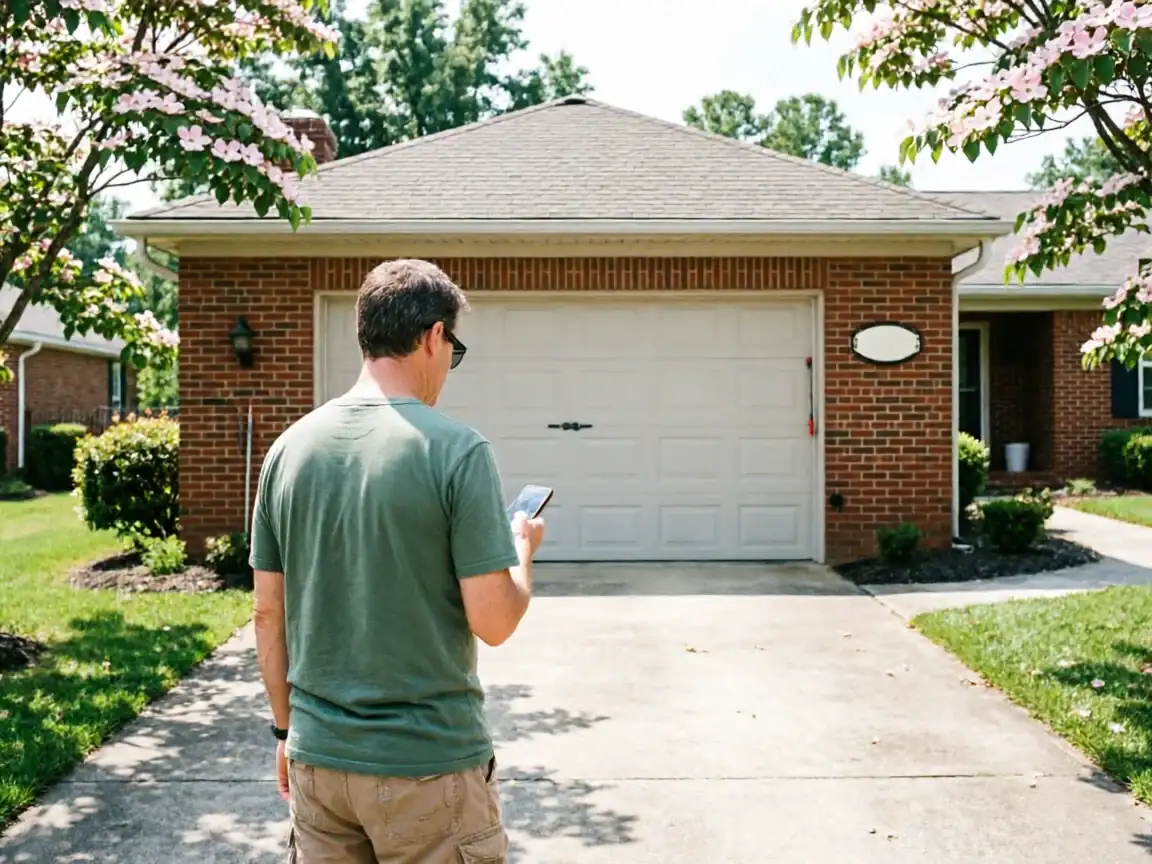
Peachtree Corners homes cluster around a median build year of 1988
A few years newer than the 1984 median across the wider Alpharetta service area, and part of the broader 1980s-90s wave that covers most of the 19 communities we reach. That matters when a truck rolls up. A door and opener installed in 1988 is old enough that the spring has cycled tens of thousands of times, but it's not the pre-1980 stock with oddball hardware that shows up closer to the service area's 1951 end of the range.
- 19 communities
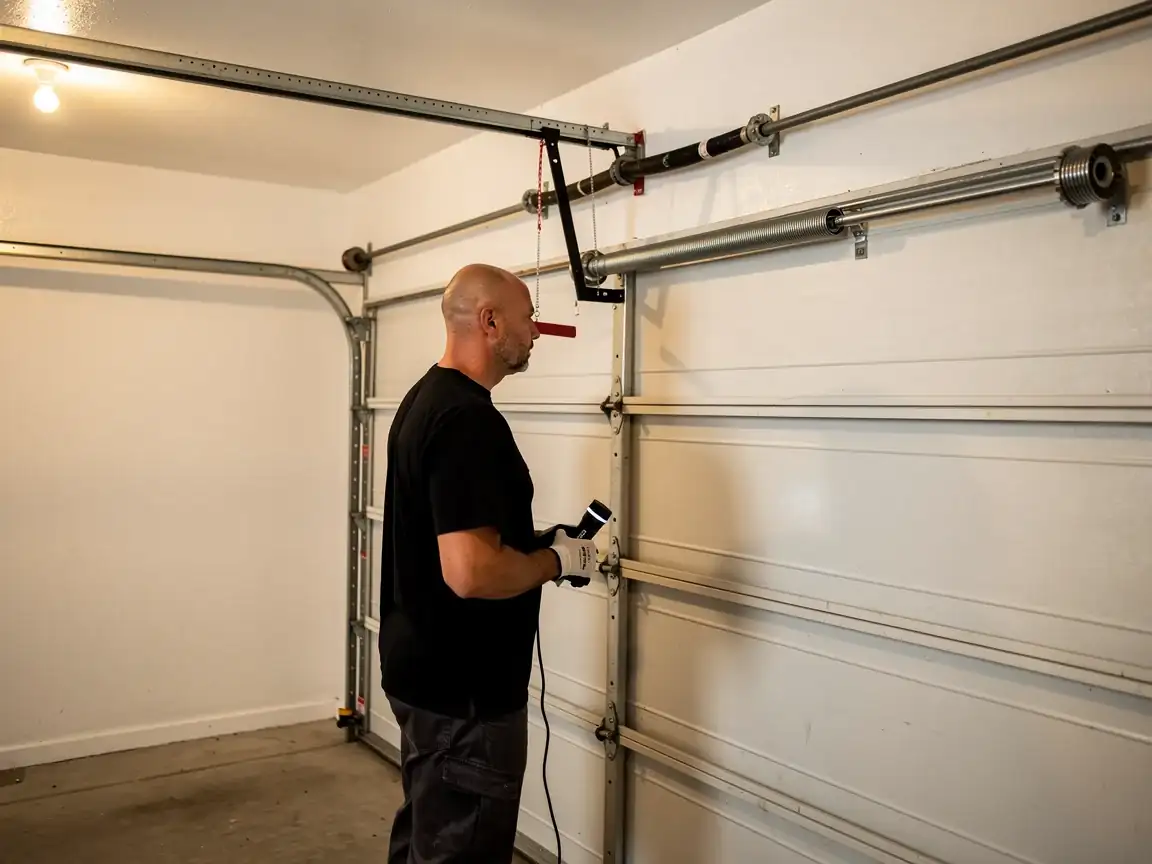
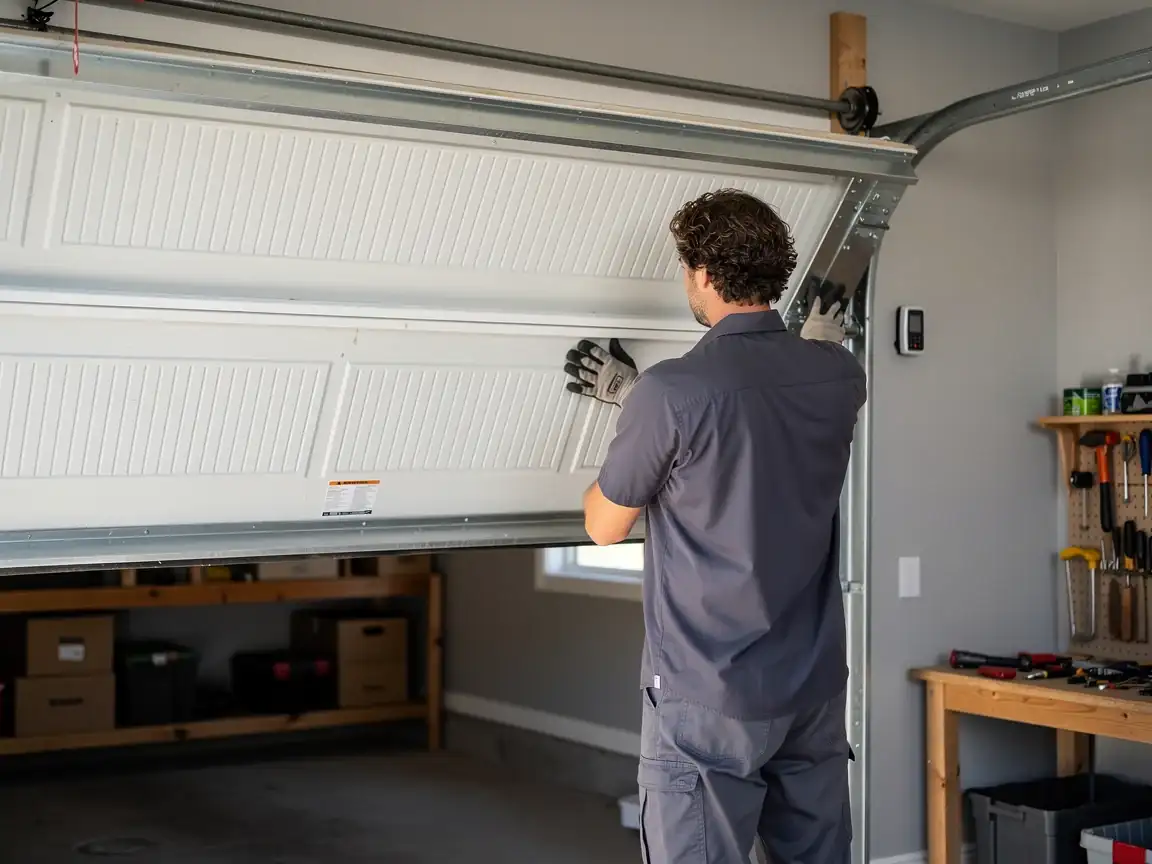
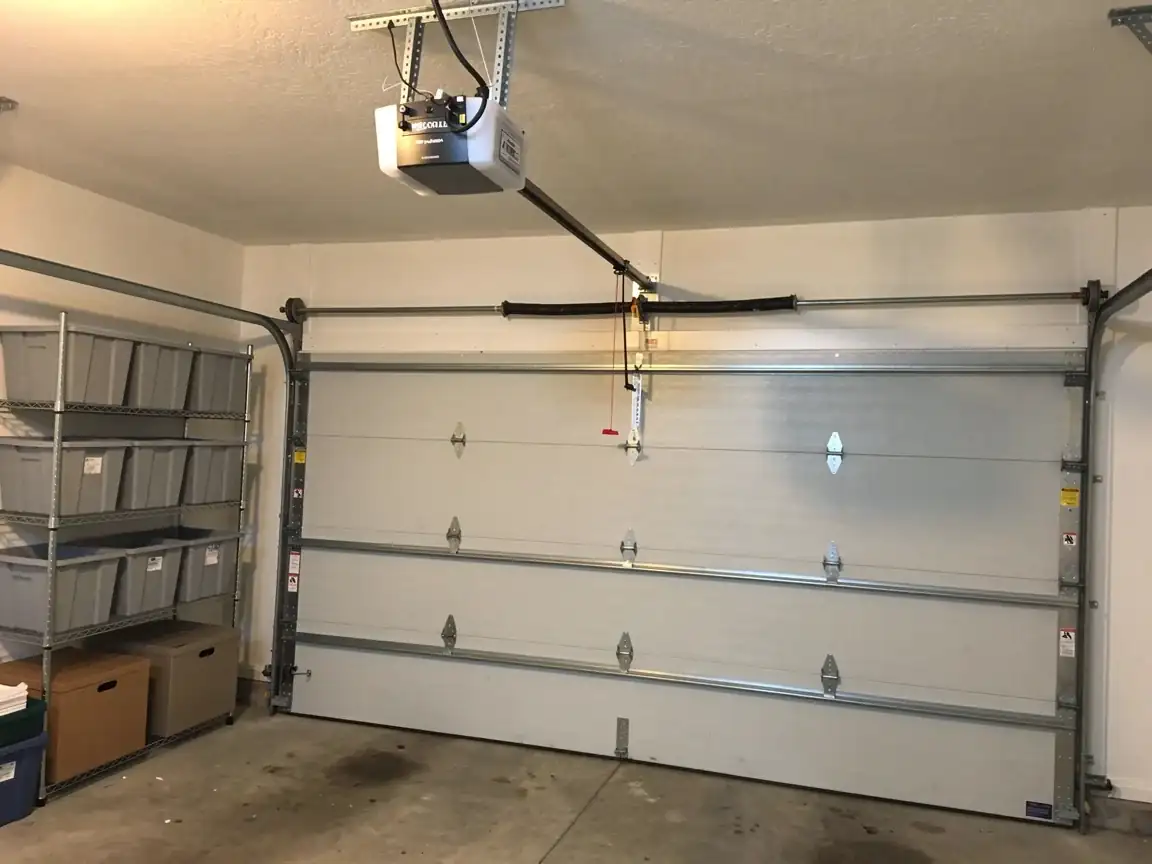
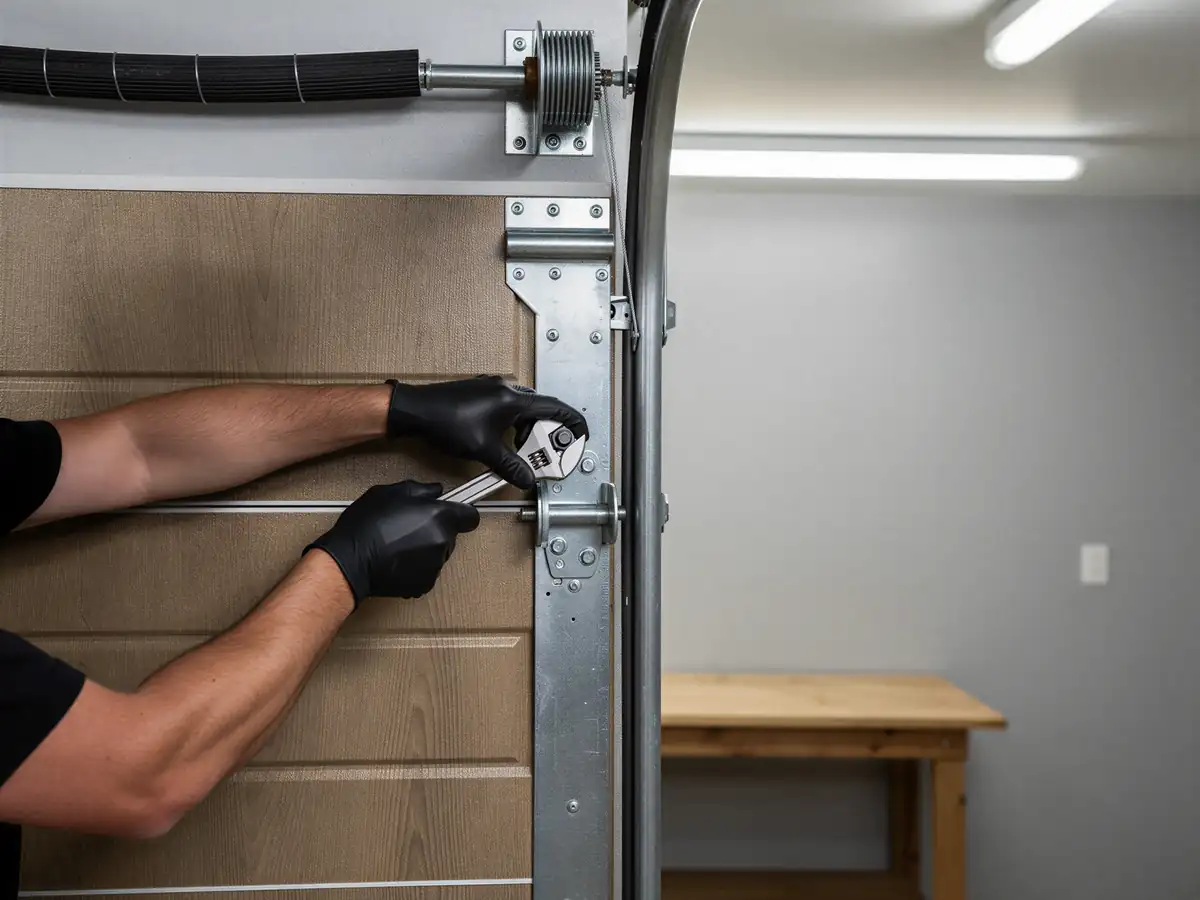
Most calls here are standard torsion spring jobs, steel panel doors with worn rollers
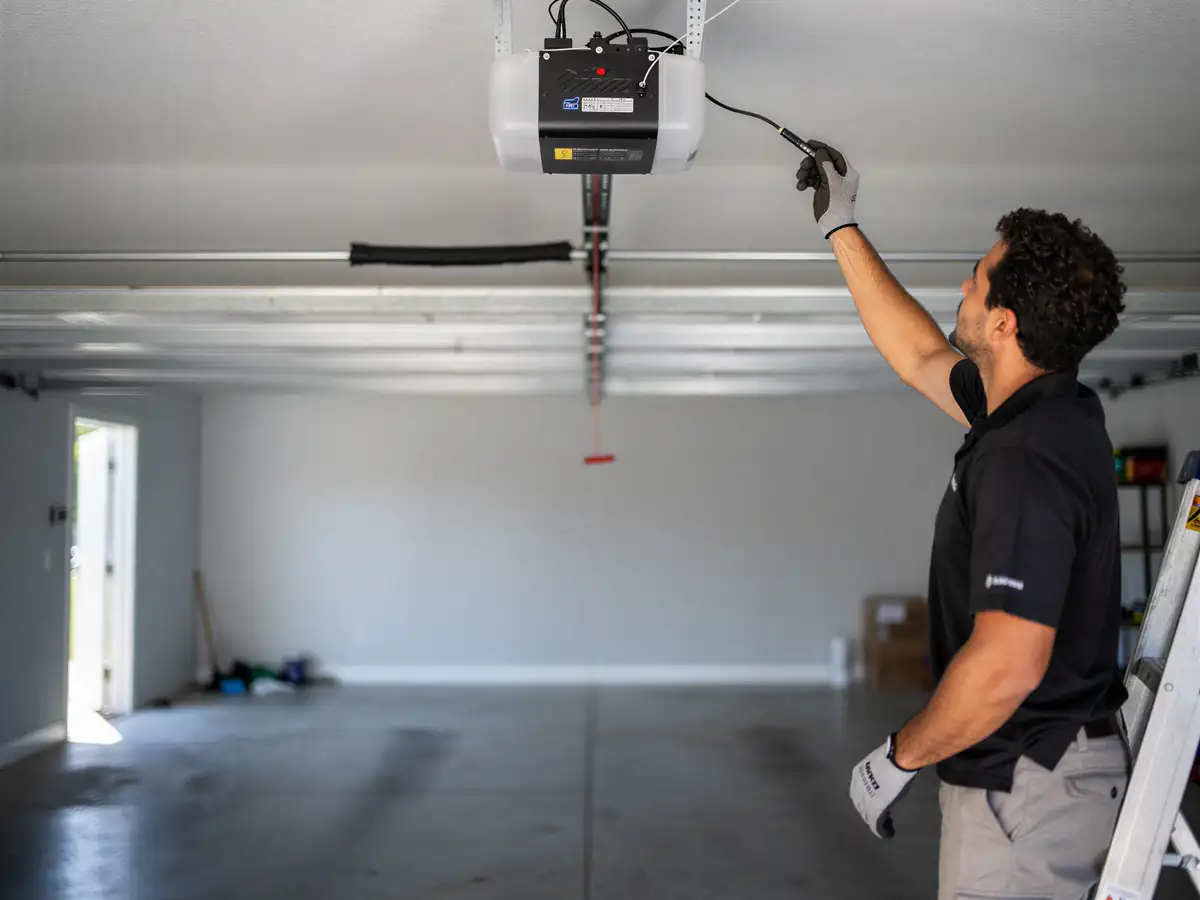
Or chain-drive openers that have outlived their gears. We carry the common spring sizes and roller types for that era on the truck. The one place we slow down: if the opener predates the safety-sensor requirements that came later, we don't bolt a new sensor kit onto old wiring and call it done - that opener gets replaced, not patched, because a mismatched safety system isn't worth the risk to anyone using that door.
What Causes It Around Here
The whole service area sits in a cold-moderate climate band, and Peachtree Corners feels that the same way its neighbors do - temperature swings through the year that expand and contract steel track, galvanized cable, and spring coil. A spring that's fine in August can snap on the first cold morning in January because the metal has been flexing under tension through every swing in between.
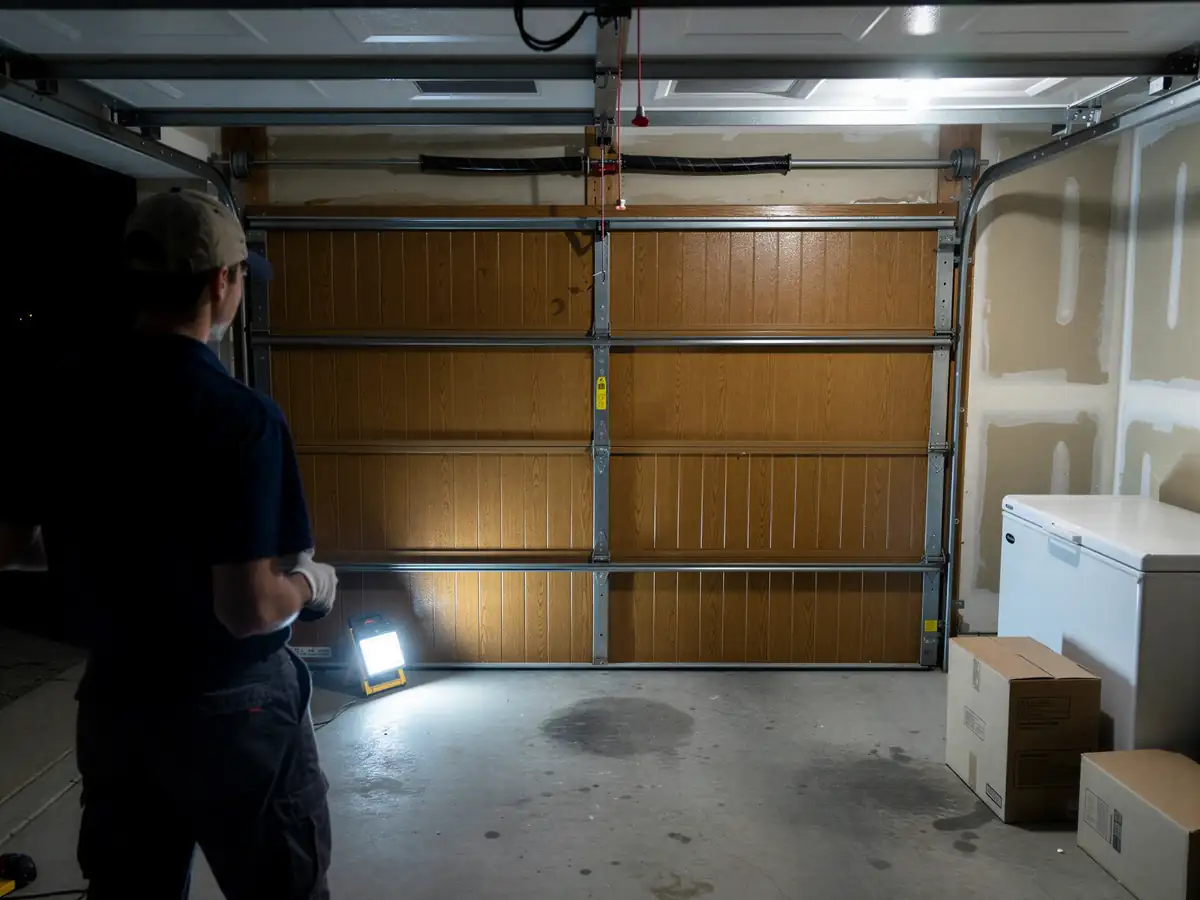
On 1980s-era doors specifically, we see a lot of track misalignment from decades of thermal movement plus original hardware that was never upgraded. Rollers that were steel from the factory, not nylon, wear faster and transmit more of that temperature stress into the opener's drive system. It's not dramatic - nobody's door usually fails on the coldest day of the year specifically - but the slow fatigue from thirty-plus years of seasonal swings is why a spring built for a 1988 house is due, or overdue, for replacement by now.
Time on the Job
We run this job out of Alpharetta, about 8 miles from Peachtree Corners - the same short run as Berkeley Lake and Mountain Park, and shorter than most of the rest of the service area. We won't quote a response time here because that's not something we commit to in writing without the dispatch numbers in front of us, and a number we can't back up isn't worth printing.
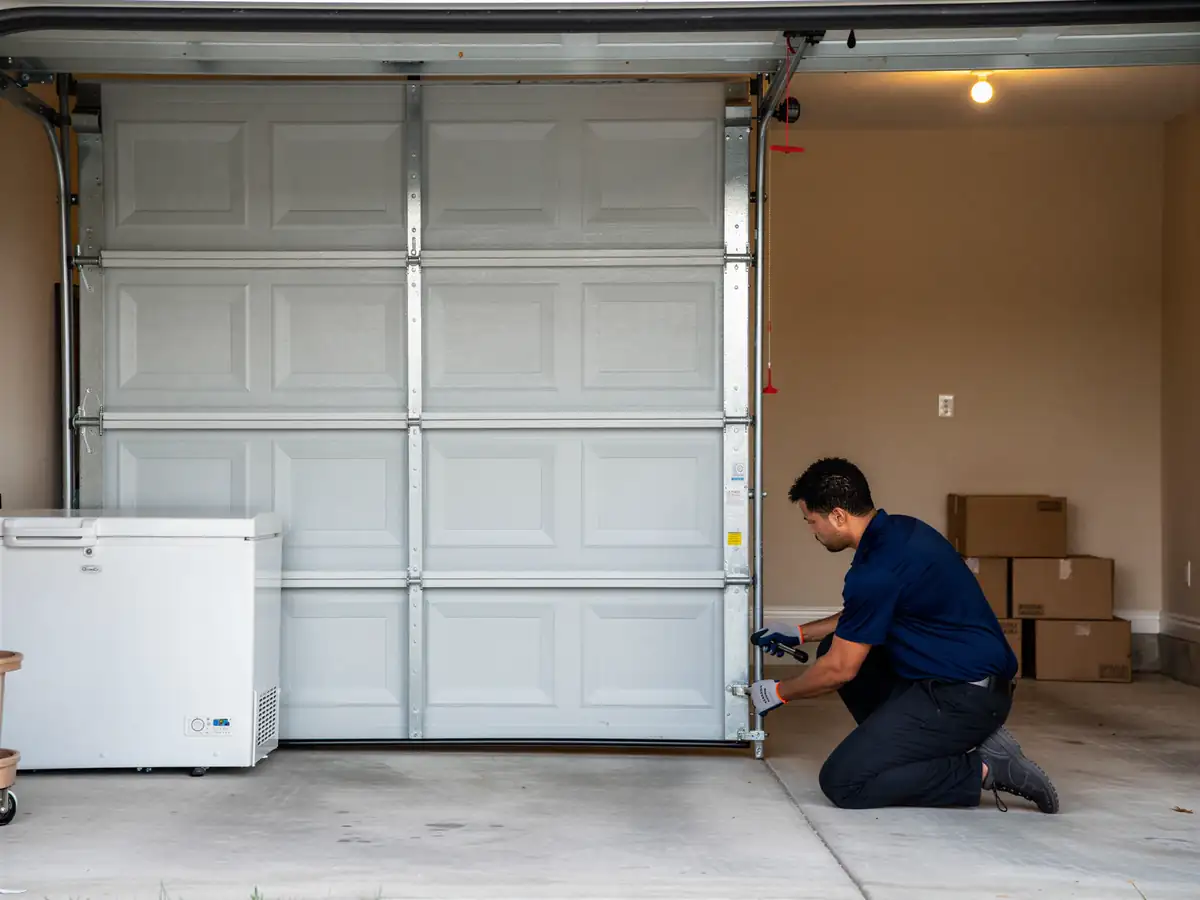
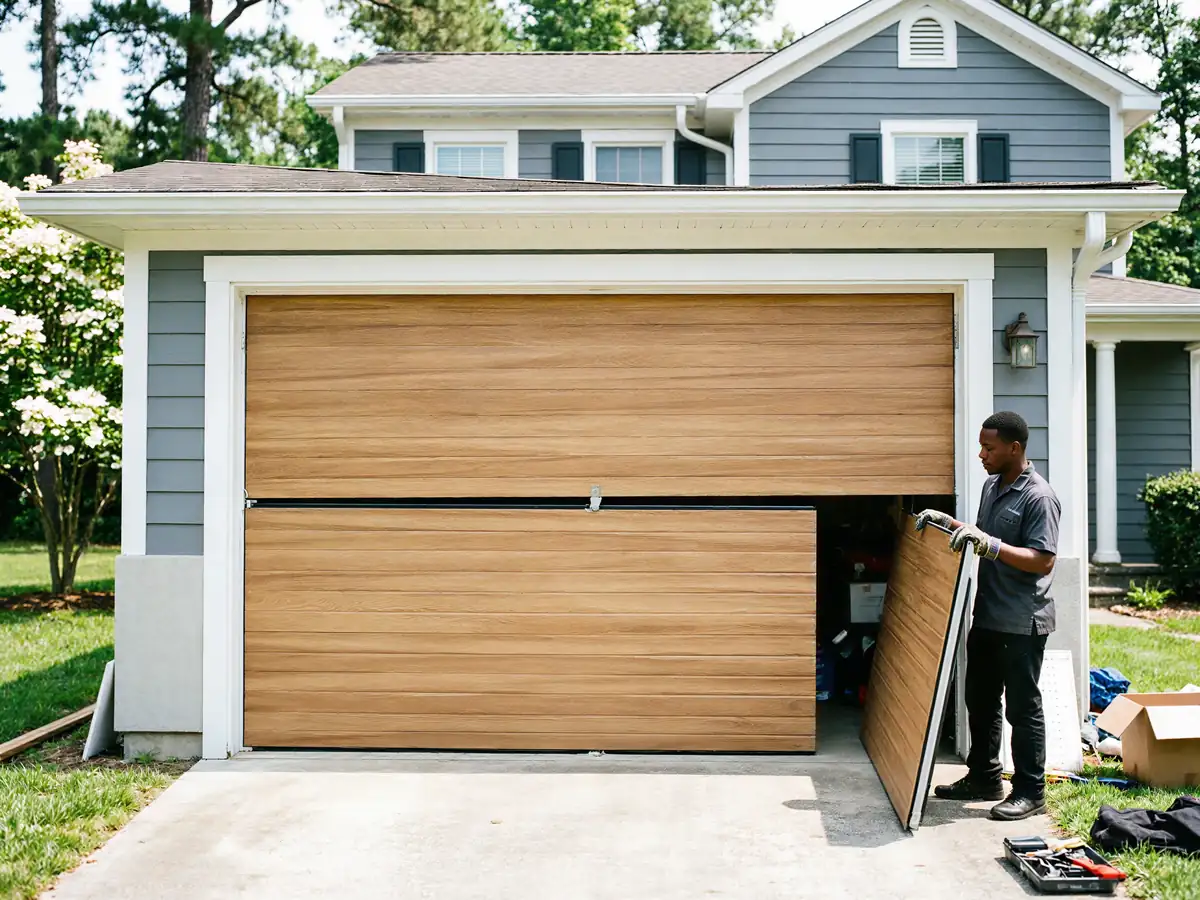
What we can say is that the job itself tends to be straightforward on this housing stock. A torsion spring swap on a standard double door is a same-visit fix in almost every case. An opener replacement takes longer if the existing wiring or wall control needs updating to match a newer unit, which happens more often on houses built before the mid-90s. We size up the job on arrival rather than guessing over the phone, because a door that looks like a simple roller fix can turn out to have a bent track underneath, and that changes the time on site.
What You Pay
We don't have a flat rate to publish here, and we're not going to make one up
What we can tell you is how the numbers in this area shape the kind of job you're likely facing. Median household income in Peachtree Corners runs $81,413, somewhat under the $91,308 median across the full Alpharetta service area - and across that wider area there are roughly 36,048 owner-occupied houses out of 119,545 households total, with Peachtree Corners' own 17,294 households making up one piece of that.
- 36,048 owner-occupied
What that means practically
This isn't a market where we see a lot of high-end custom door replacements driving up the average ticket. Most jobs on 1980s-built houses are repair-scale - a spring, a cable, an opener - not a full door swap. We'll give you the actual number for your door and your opener once we've looked at it, because quoting a price without seeing the hardware is a good way to be wrong in either direction.