How We Fix It
Peachtree Corners runs about 17,294 households
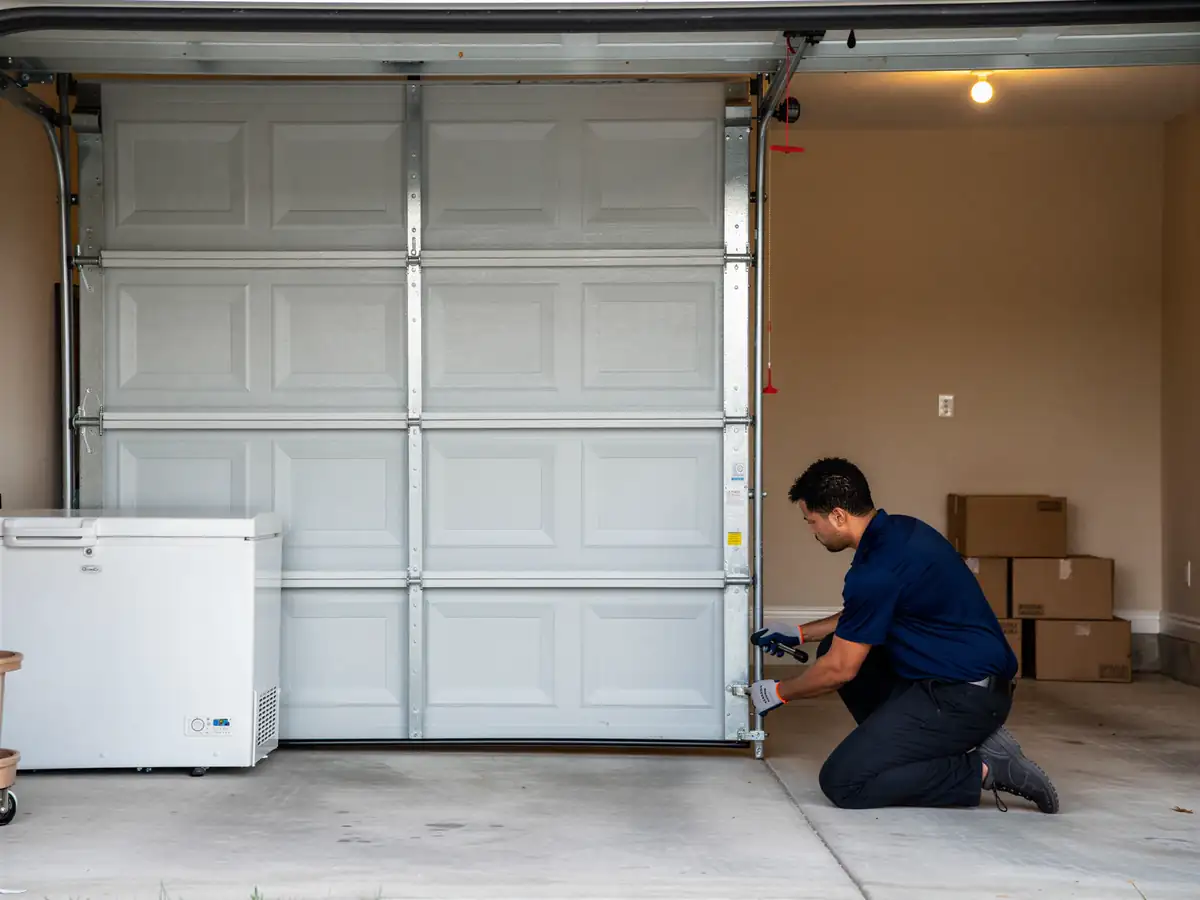
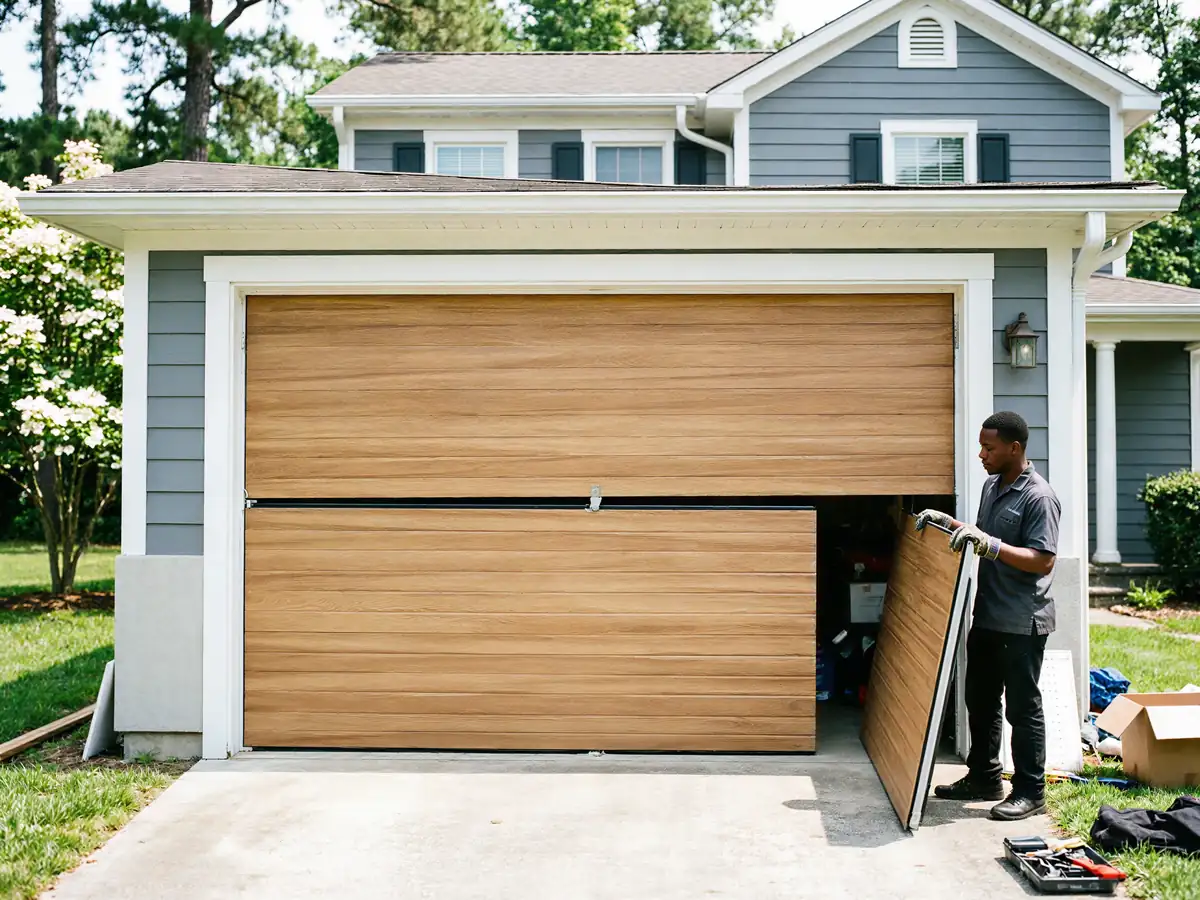
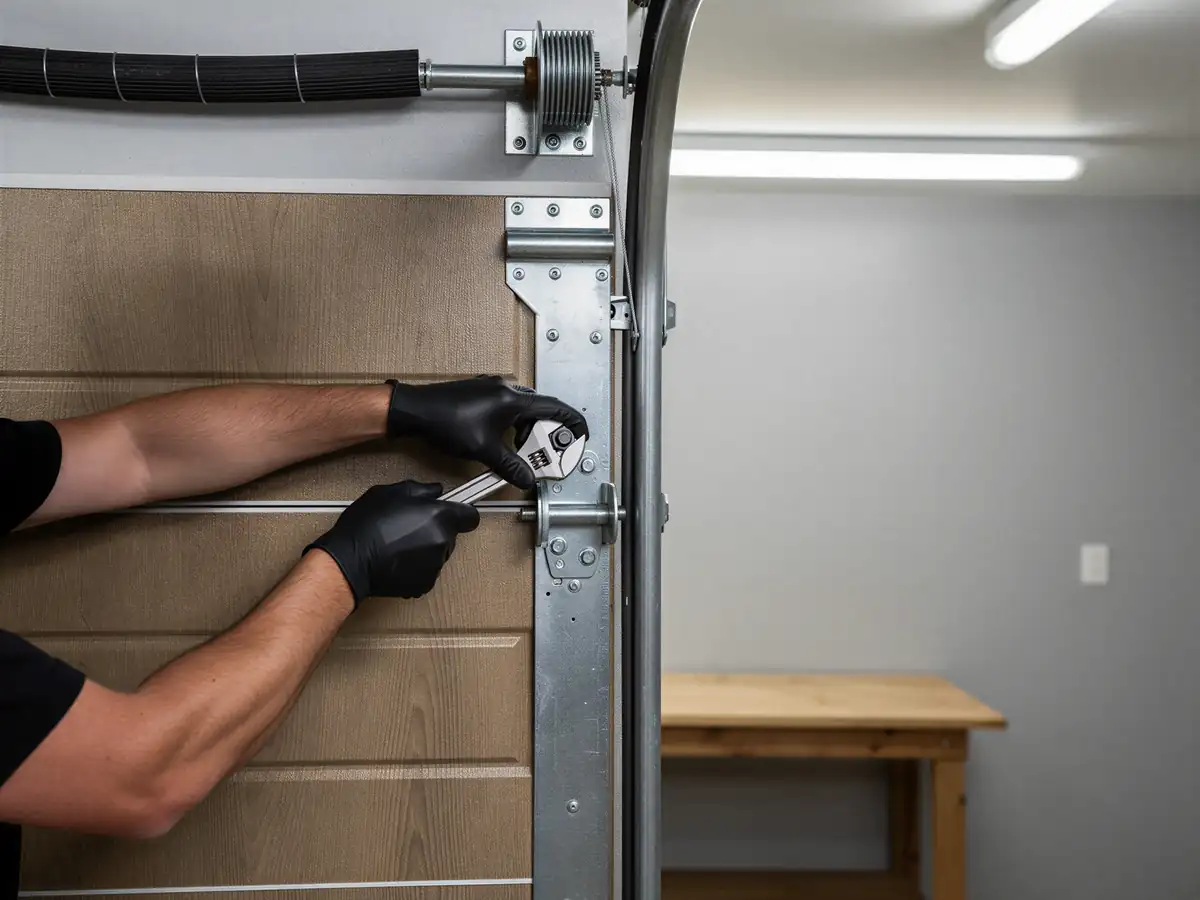
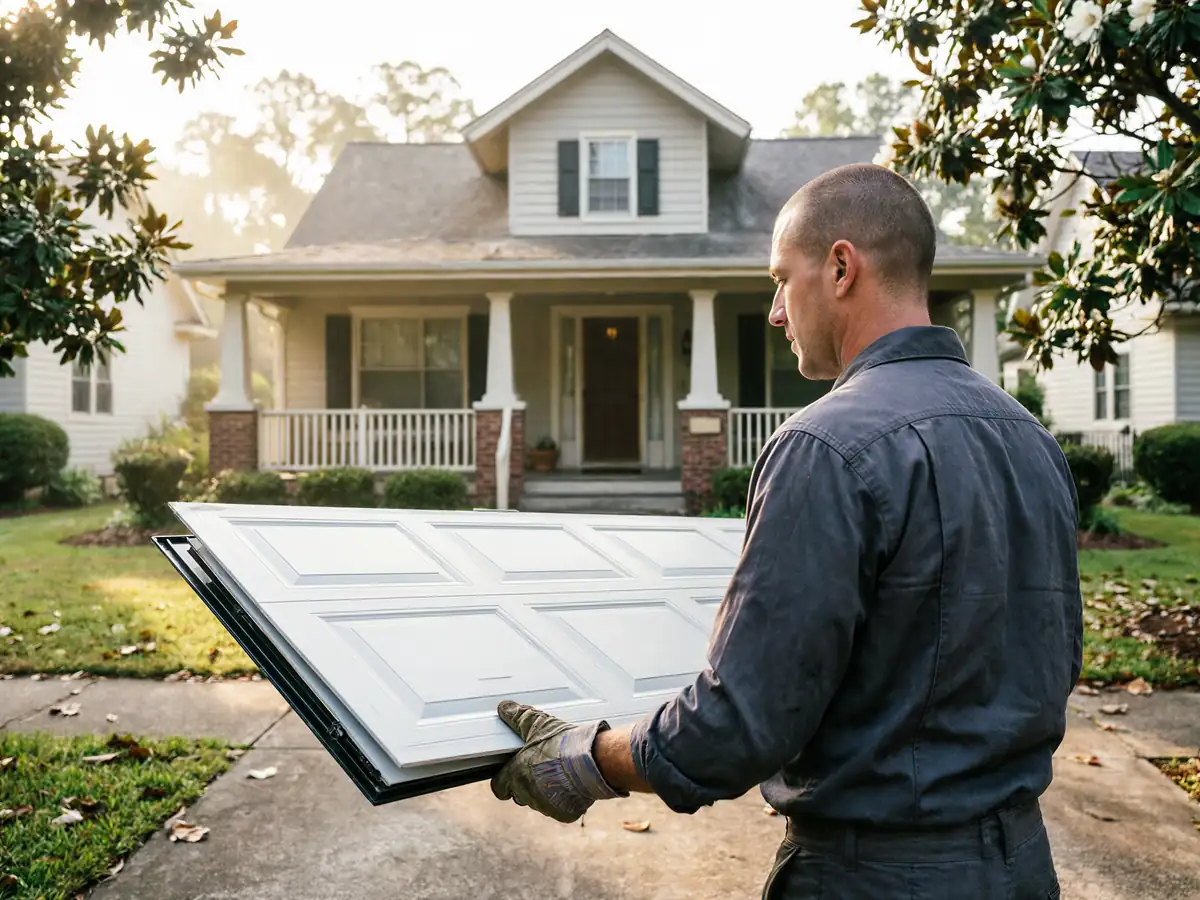
Which is enough volume that we see the same few failure patterns over and over rather than one-off oddities. Most of the job is matching: finding a panel that fits the track width and the hinge spacing on a door that's been out of production for a decade or more. We measure the section, check whether the color has faded enough that a single new panel will stand out next to the rest, and pull from stock that matches late-1980s steel door profiles where we can.
- 17,294 households
When we can't get an exact match, we tell you before we order anything
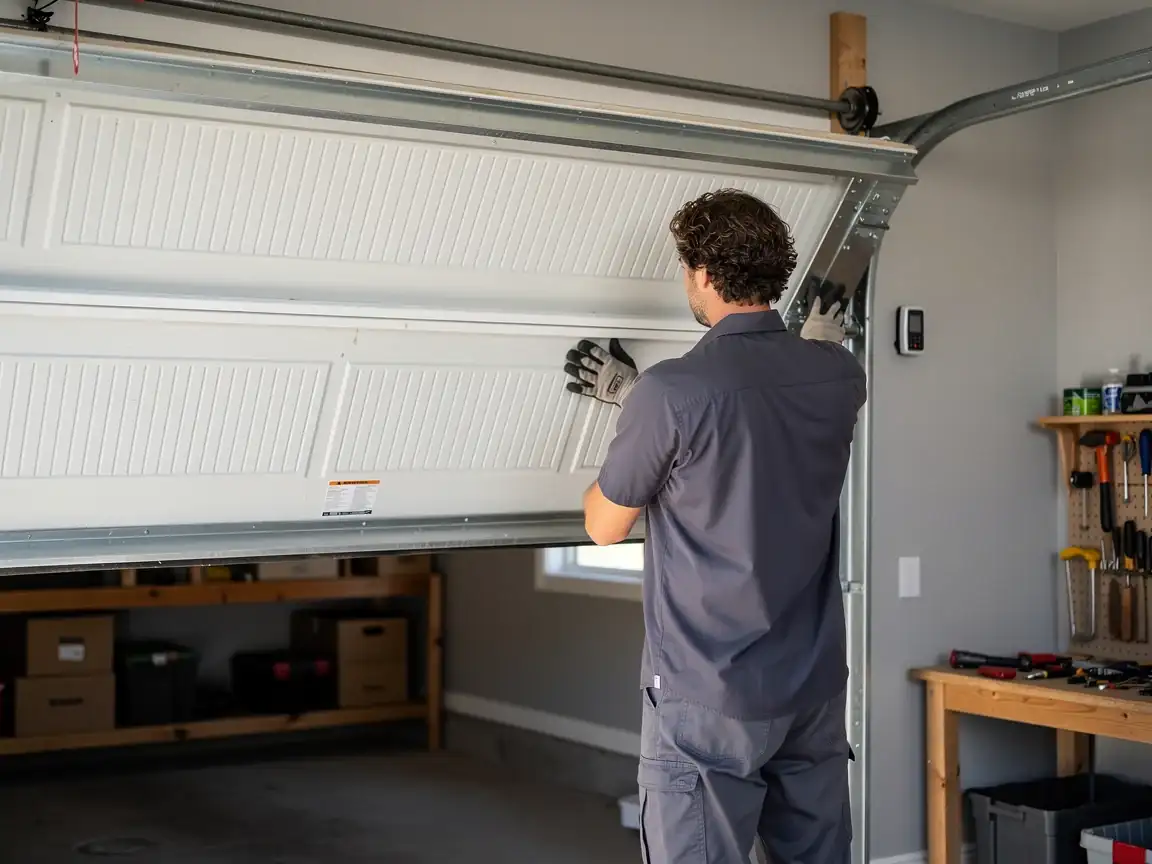
Sometimes the honest move is replacing two adjacent panels instead of one, so the seam and the finish line up - that costs more than a single panel but looks right instead of patched. We don't sell you a full door replacement just because a match is hard to find; if one panel will do the job, that's what goes on the truck.
We travel the 8 miles out from Alpharetta for this work
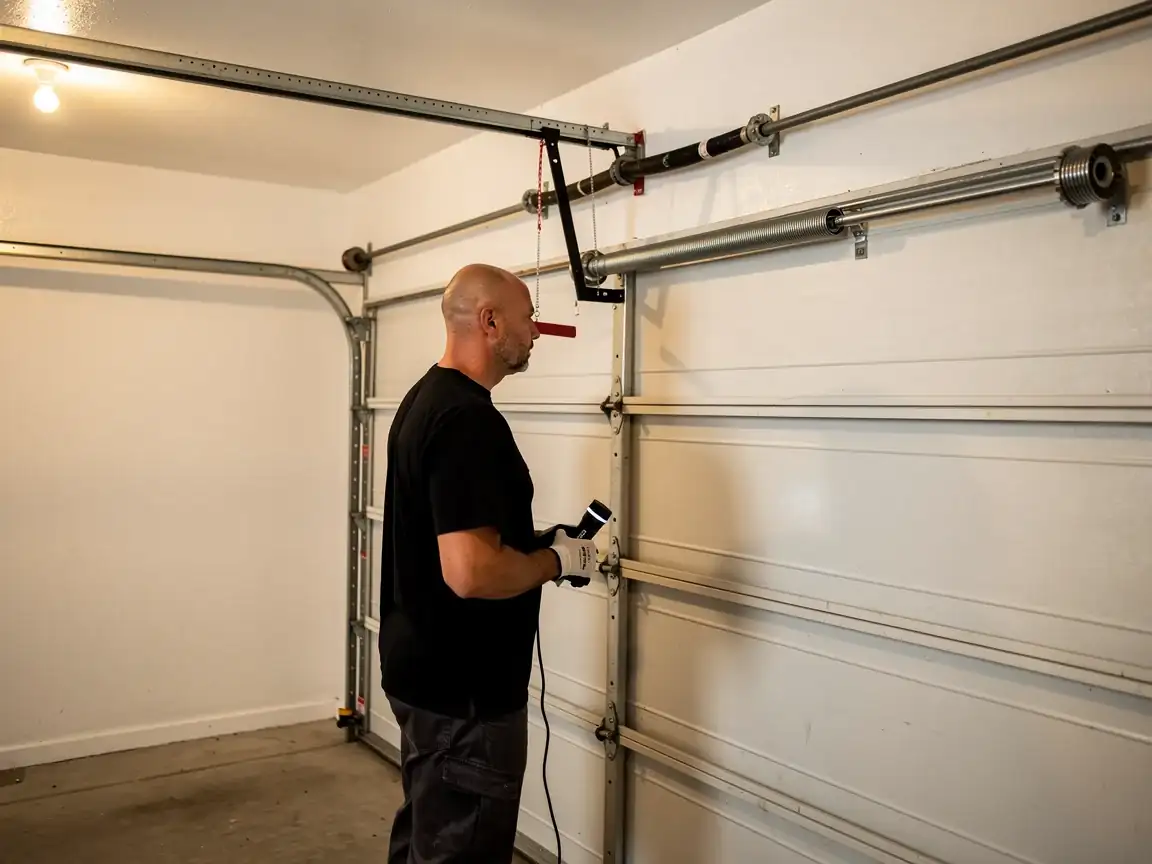
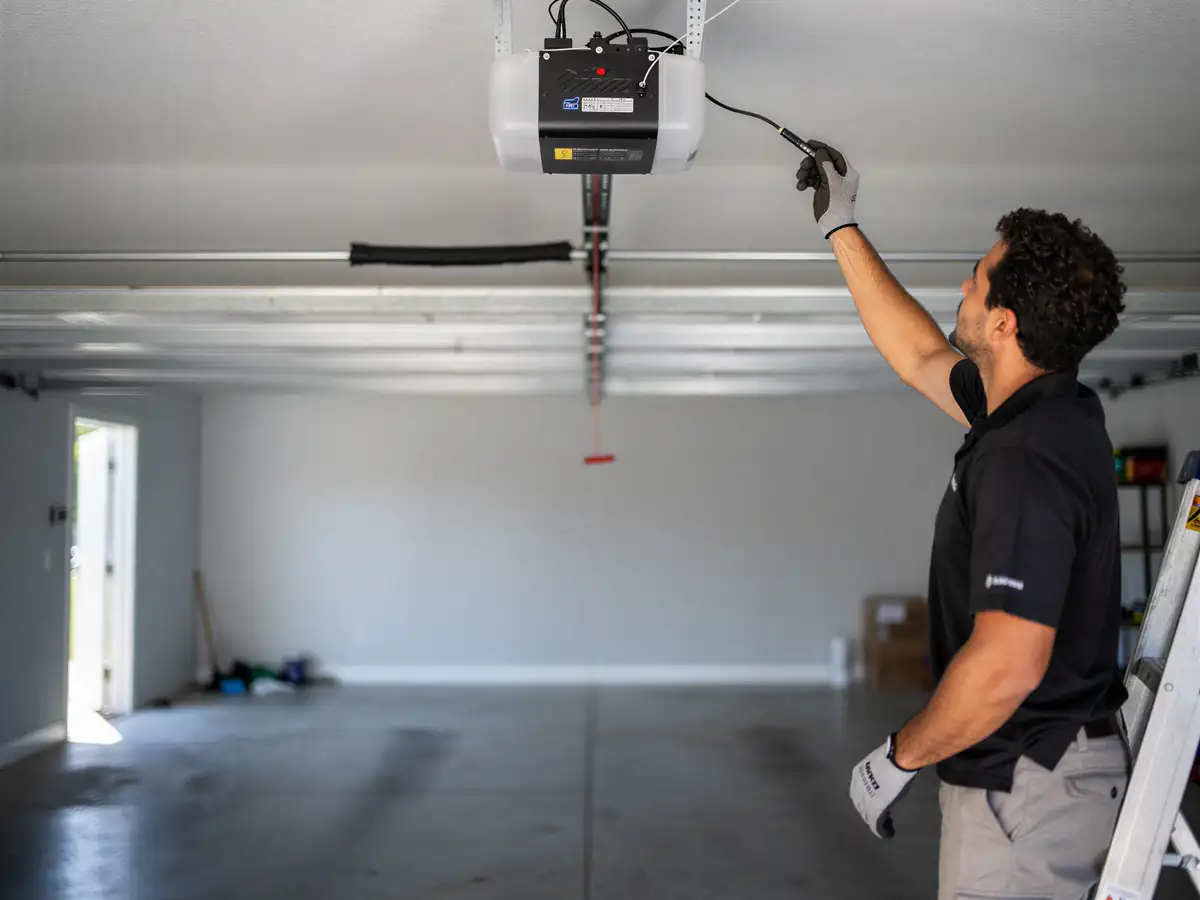
So we bundle panel jobs with a full hardware check - rollers, hinges, the bottom seal - since we're already there and a cracked panel is rarely the only thing wearing out on a door that age.
- 8 miles
What Causes It Around Here
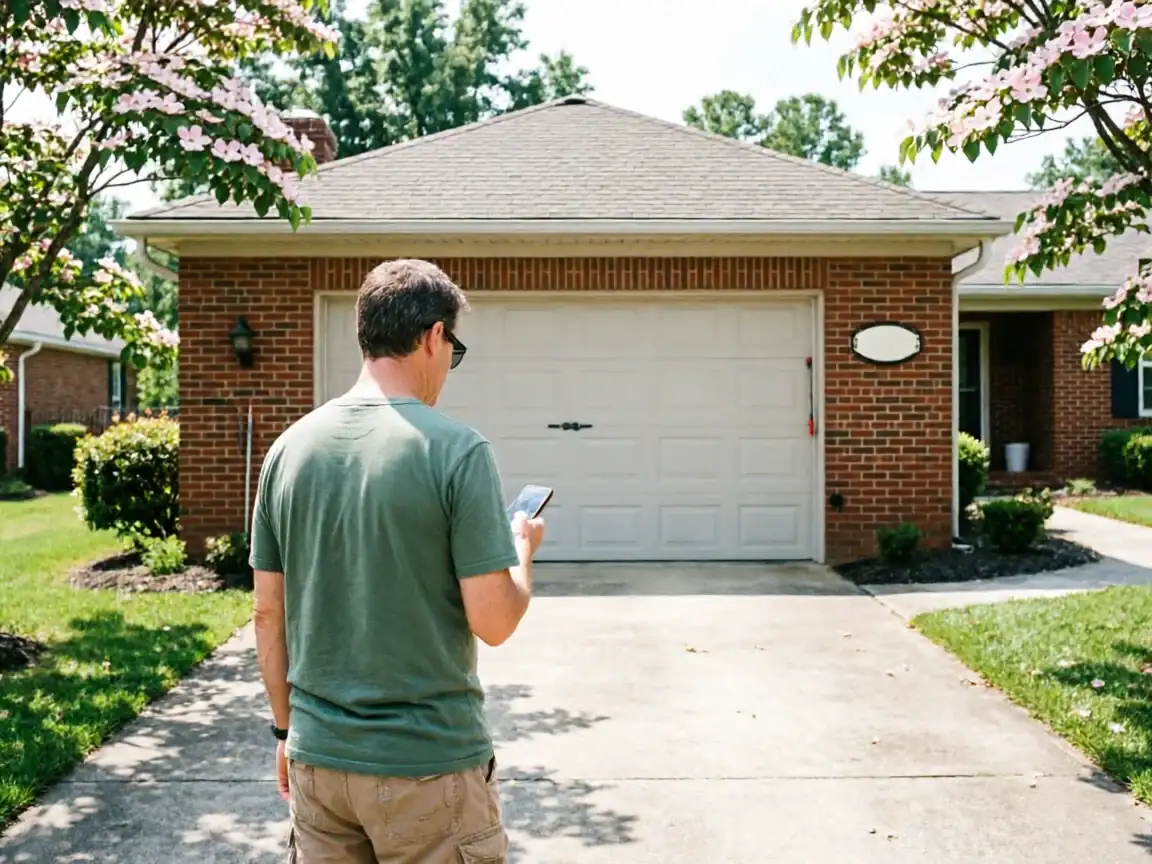
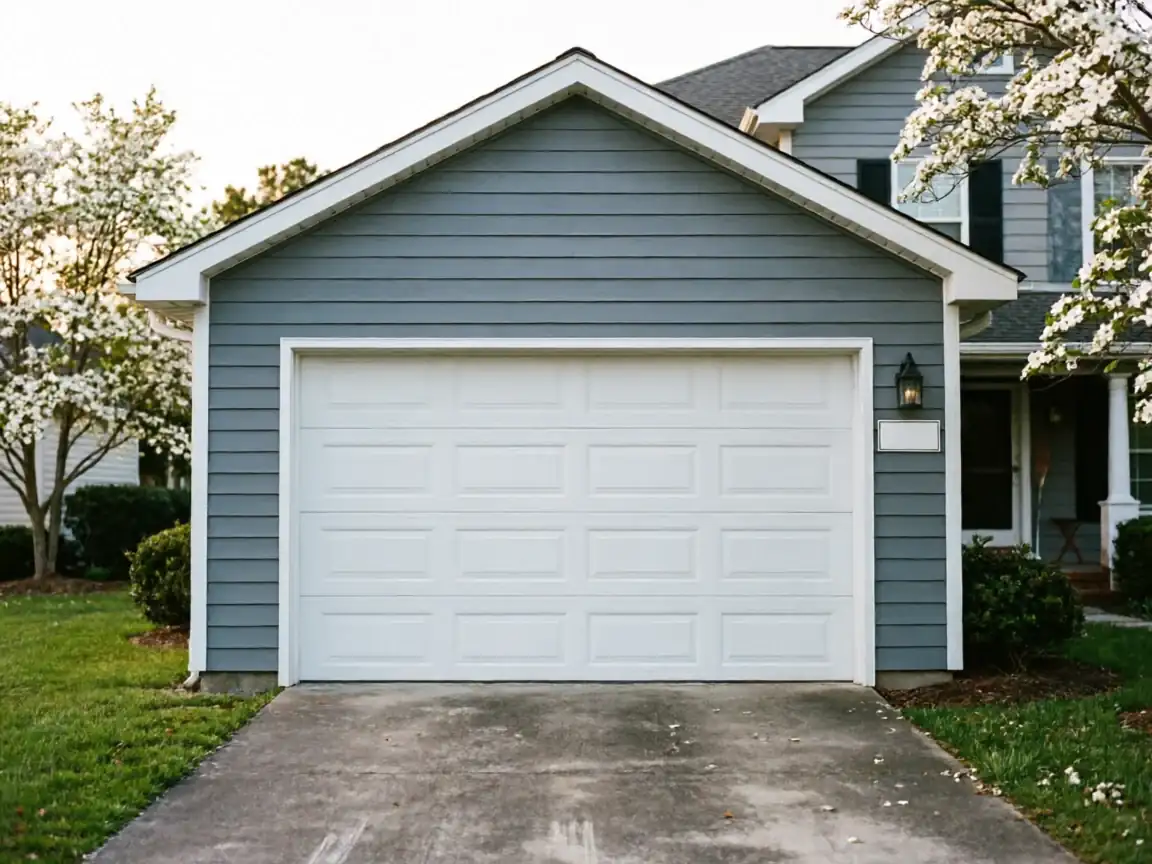
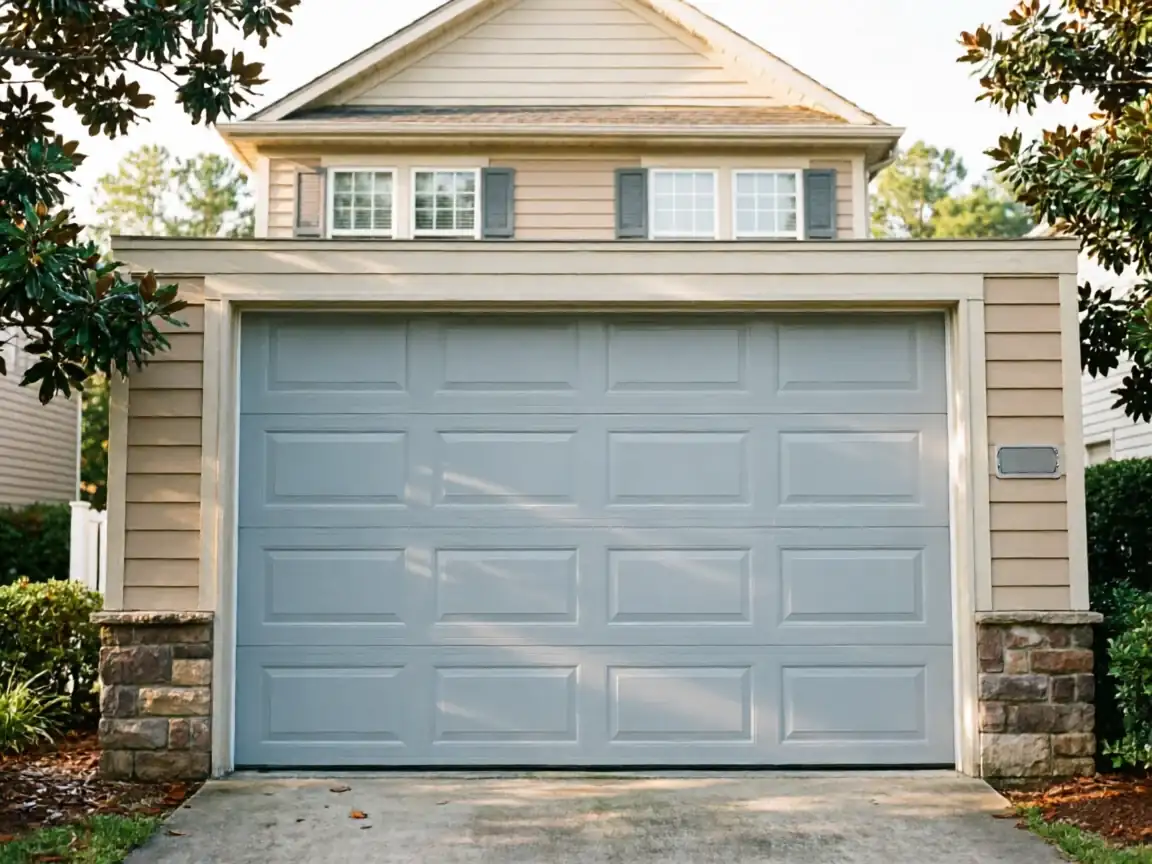
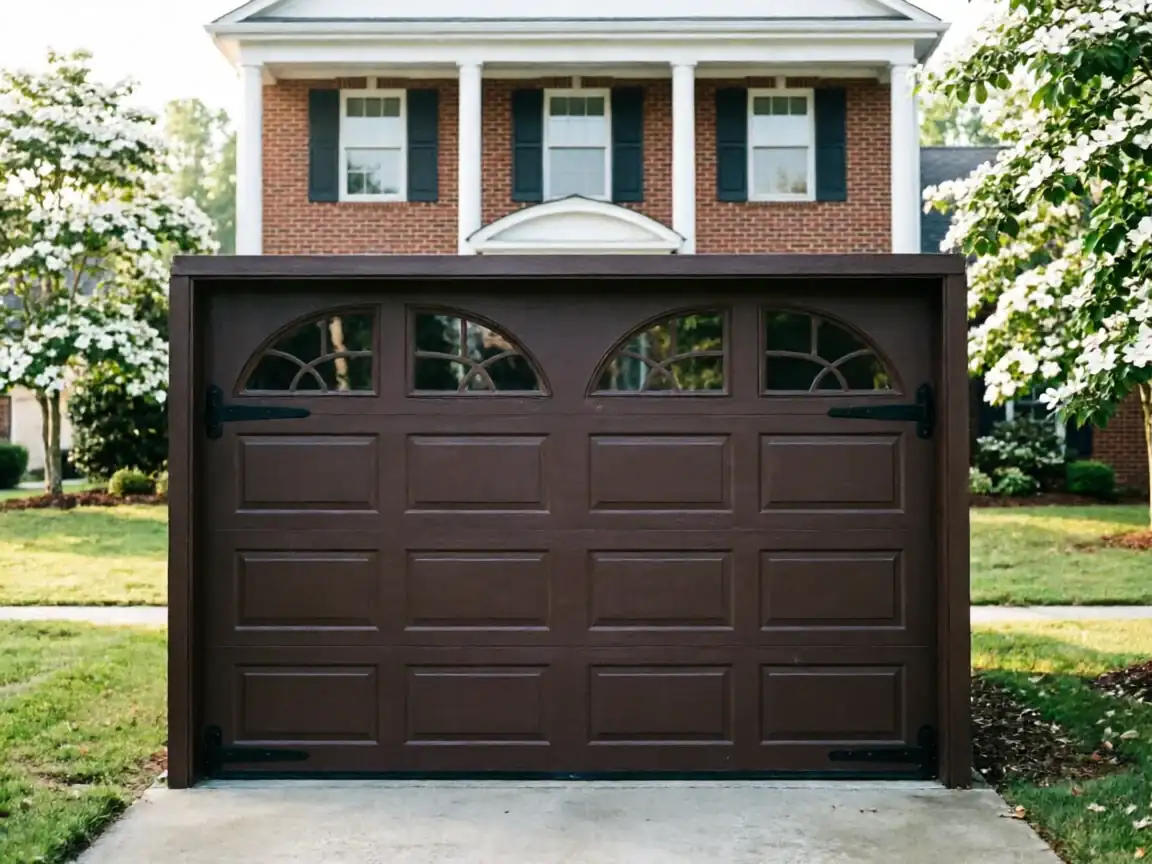
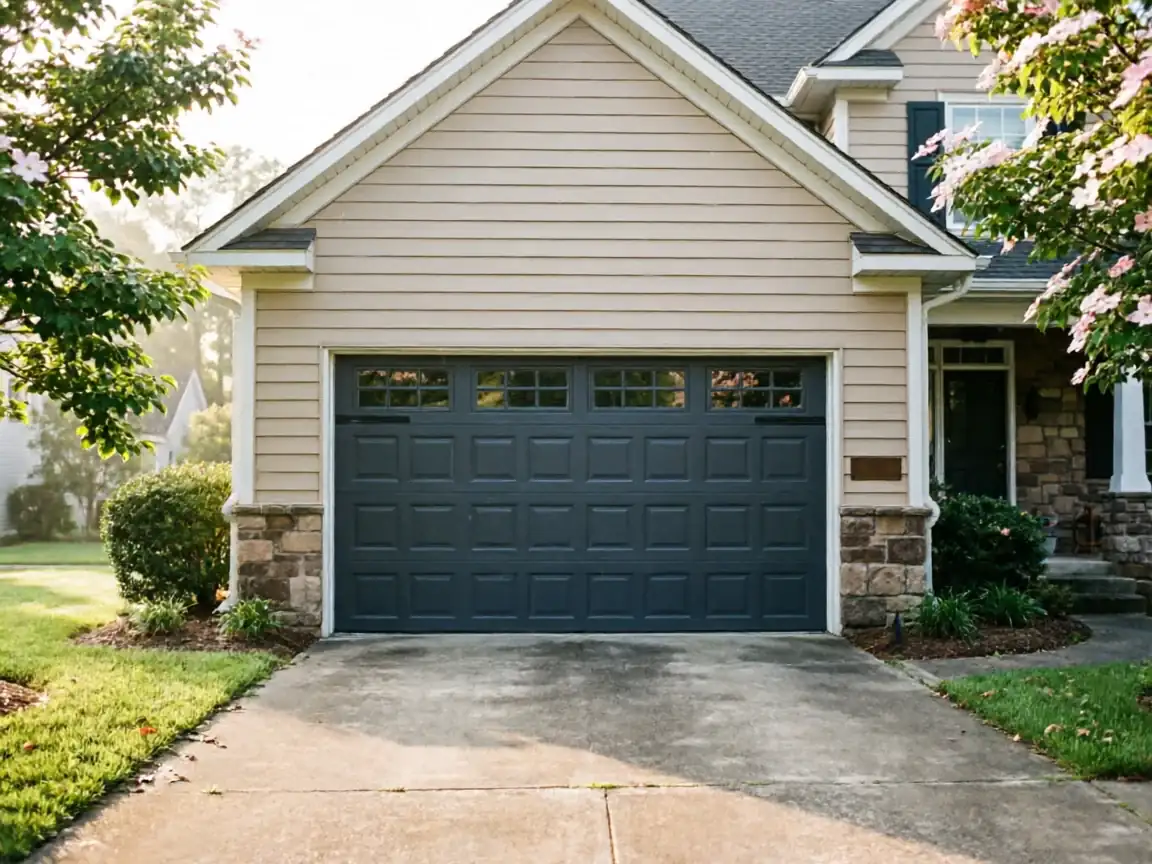
The housing stock in Peachtree Corners centers on a median build year of 1988, which puts a lot of original garage doors at 35+ years old. That generation of steel door used thinner gauge panels than what's sold today, and the bottom section - the one that takes the brunt of car bumpers, pressure washers, and ground moisture - is almost always the first to go. We see dented bottom panels and rusted-through bottom edges on these doors more than any other failure.
Georgia's winters aren't brutal, but the area sits in a cold-moderate climate band, which means freeze-thaw cycles still happen a handful of times a season. Moisture gets into a seam or a ding, freezes, expands the crack, and by spring the panel's curling at the edge. On a door built in the late '80s, that damage shows up as flaking paint and bubbled steel well before the rest of the door looks tired.
We also see impact damage - a trailer hitch, a bike rack, a kid learning to park - same as anywhere. But on a 35-year-old door, one hit panel is often the thing that finally makes a homeowner notice the whole door is due for attention.
Time on the Job
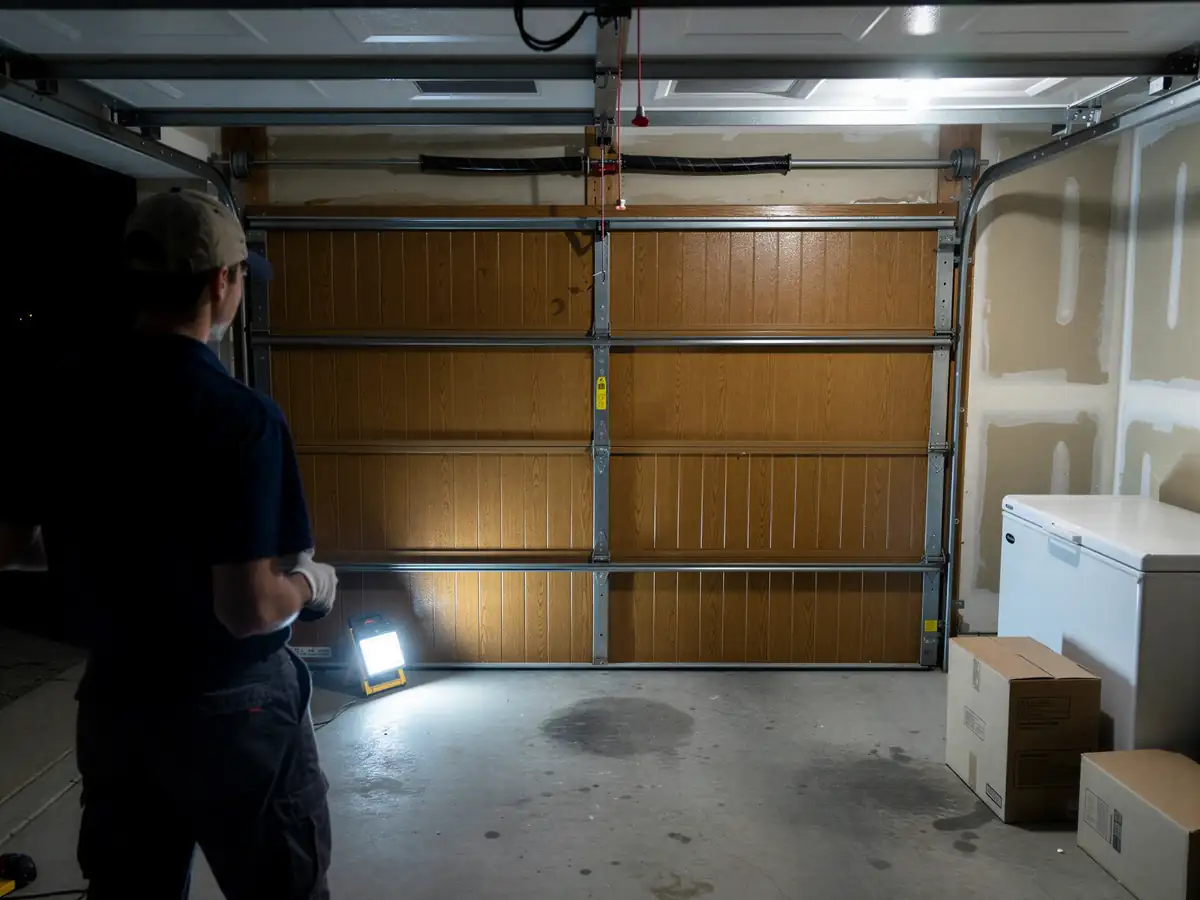
A single panel swap on a door with standard hardware is usually a half-day job once the right panel is on the truck. The slower part isn't the install - it's sourcing. If your door is a common builder-grade model from the late '80s or '90s, matching stock is often available and we can turn the job around quickly. If it's a less common brand or a custom color from that era, we may need to order the panel first and schedule the install once it arrives.
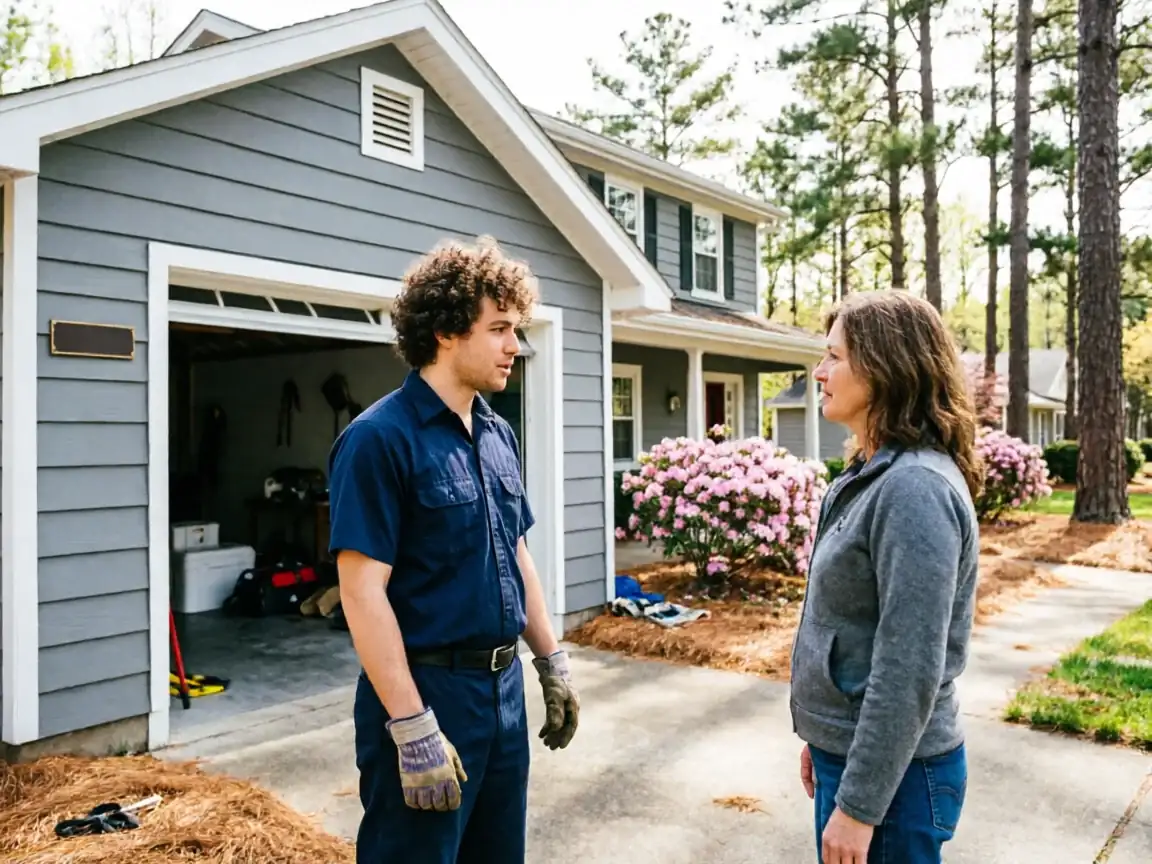
We'll tell you which situation you're in before we book the appointment, not after. There's no way to make a backordered panel arrive faster, and we're not going to promise a date we can't hit.
One limitation worth saying plainly: if the track is bent or the opener's been compensating for a sagging section for months, panel replacement alone won't fix the door. We'll flag that during the first look, because swapping a panel on a door with a bent track just means you call again in a few weeks.
What You Pay
We don't have a published price list for panel replacement to quote here
And we'd rather tell you that than guess at a number that doesn't hold up once we're looking at your actual door. Cost depends on whether the panel is in stock or has to be special-ordered, whether it's one section or two, and whether the color match requires a repaint versus a straight swap.
What we can tell you
Median household income in Peachtree Corners runs around $81,413, and most of the panel jobs we price here land in a range homeowners expect for a single-section repair rather than a full door replacement. We'll give you a firm number after we've measured the door in person, not over the phone.