The Symptom
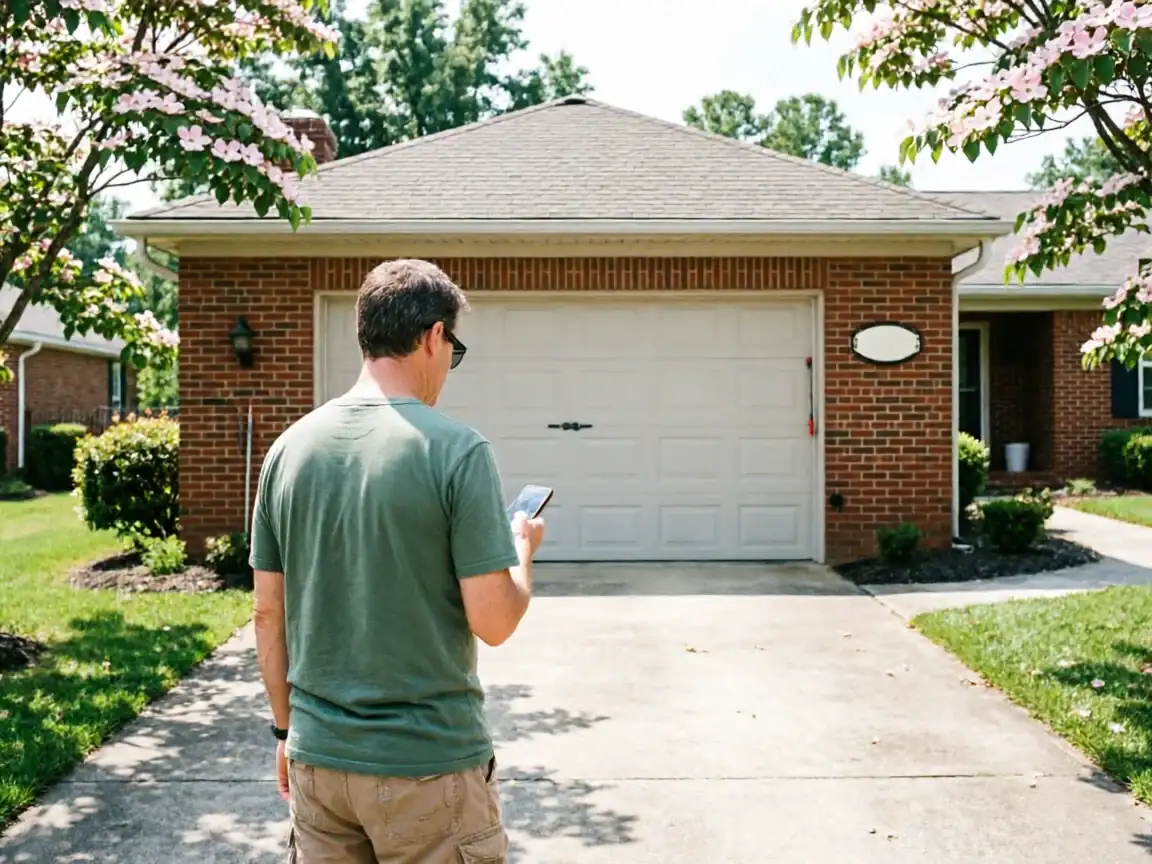
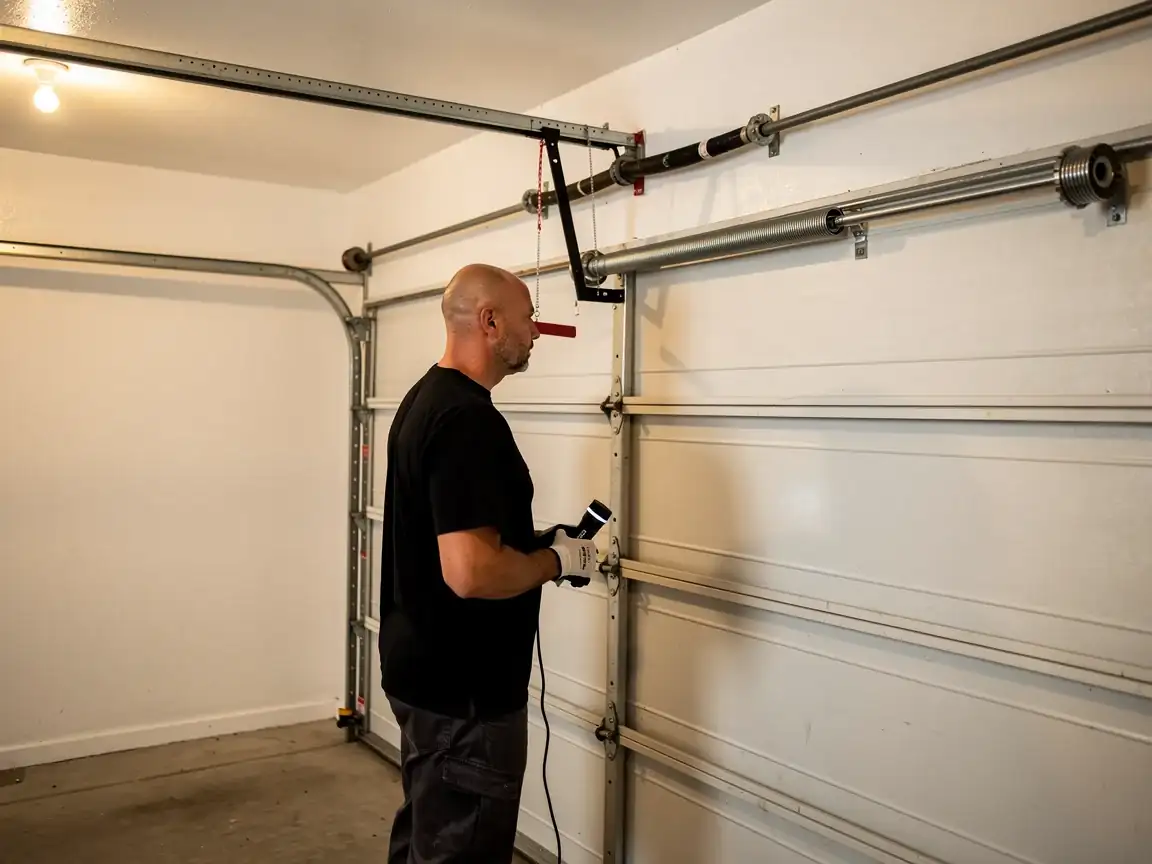
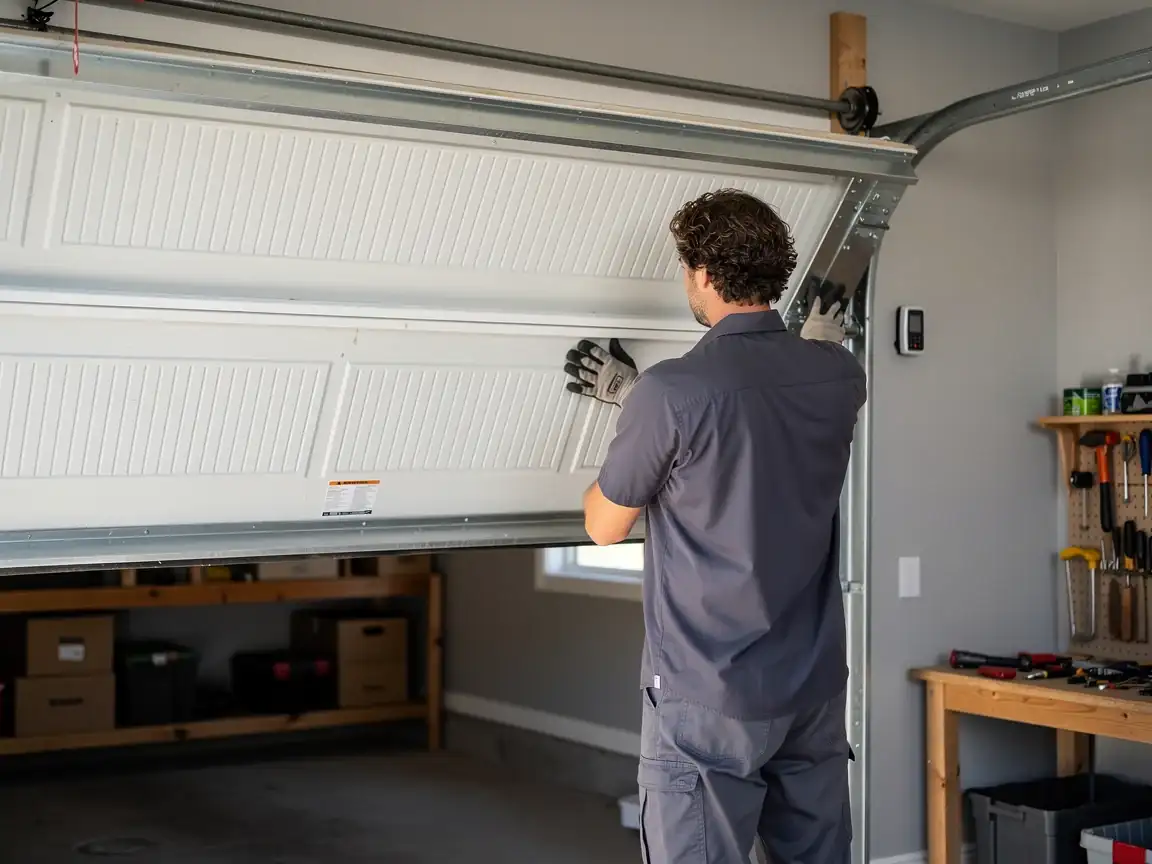
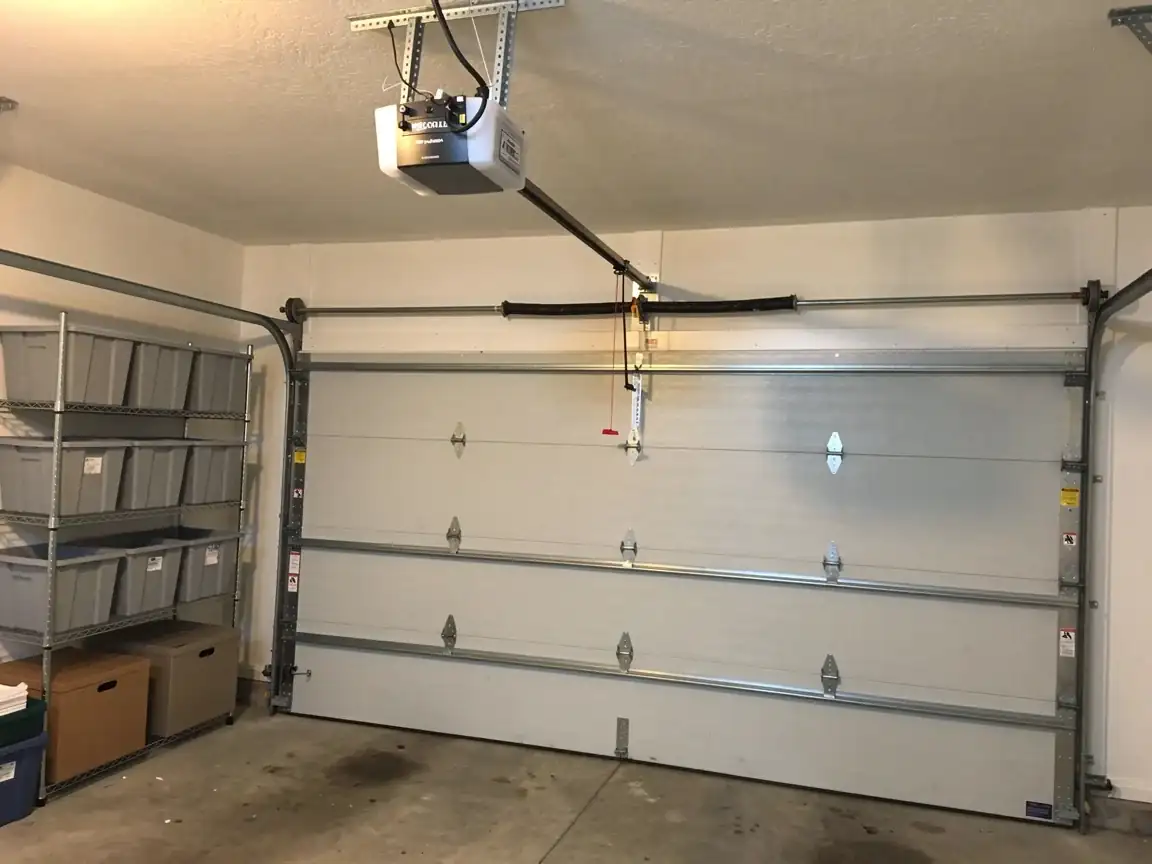
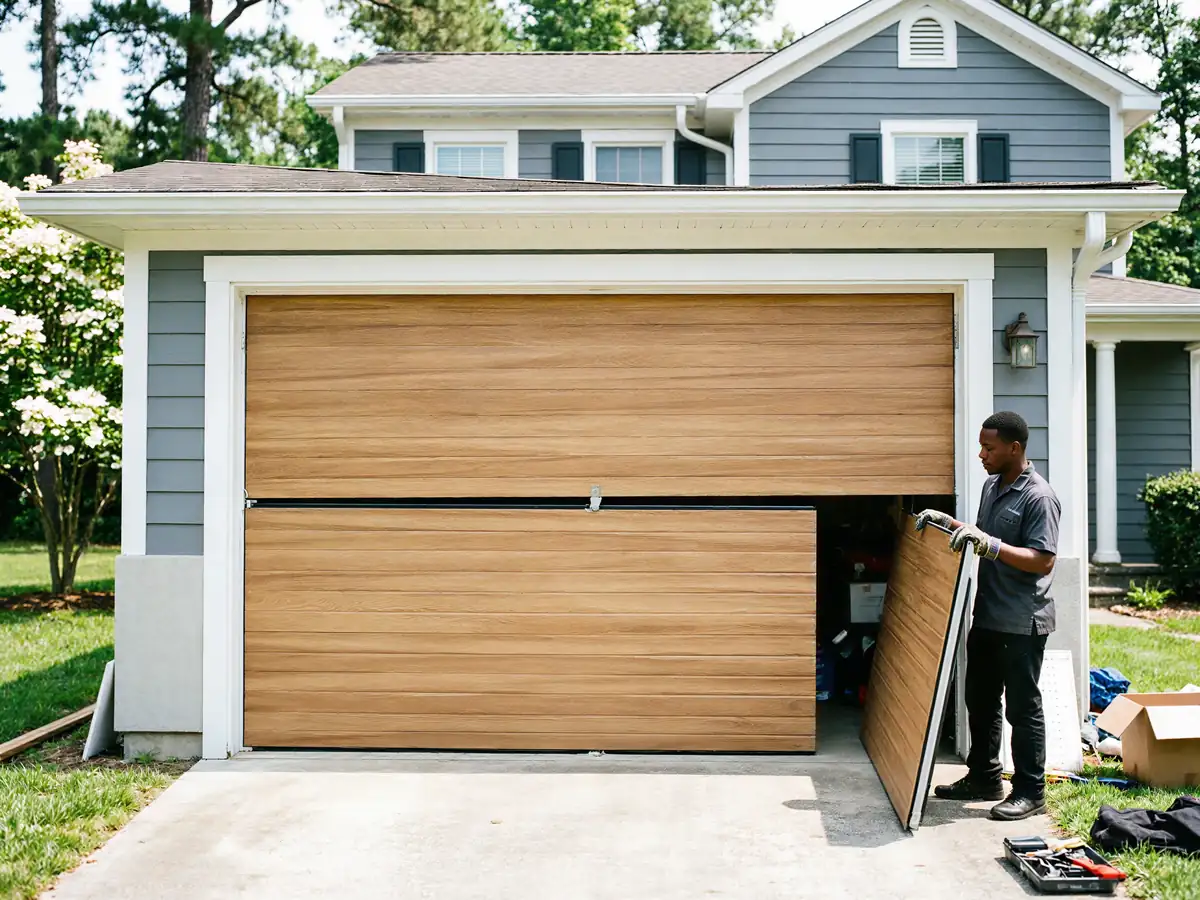
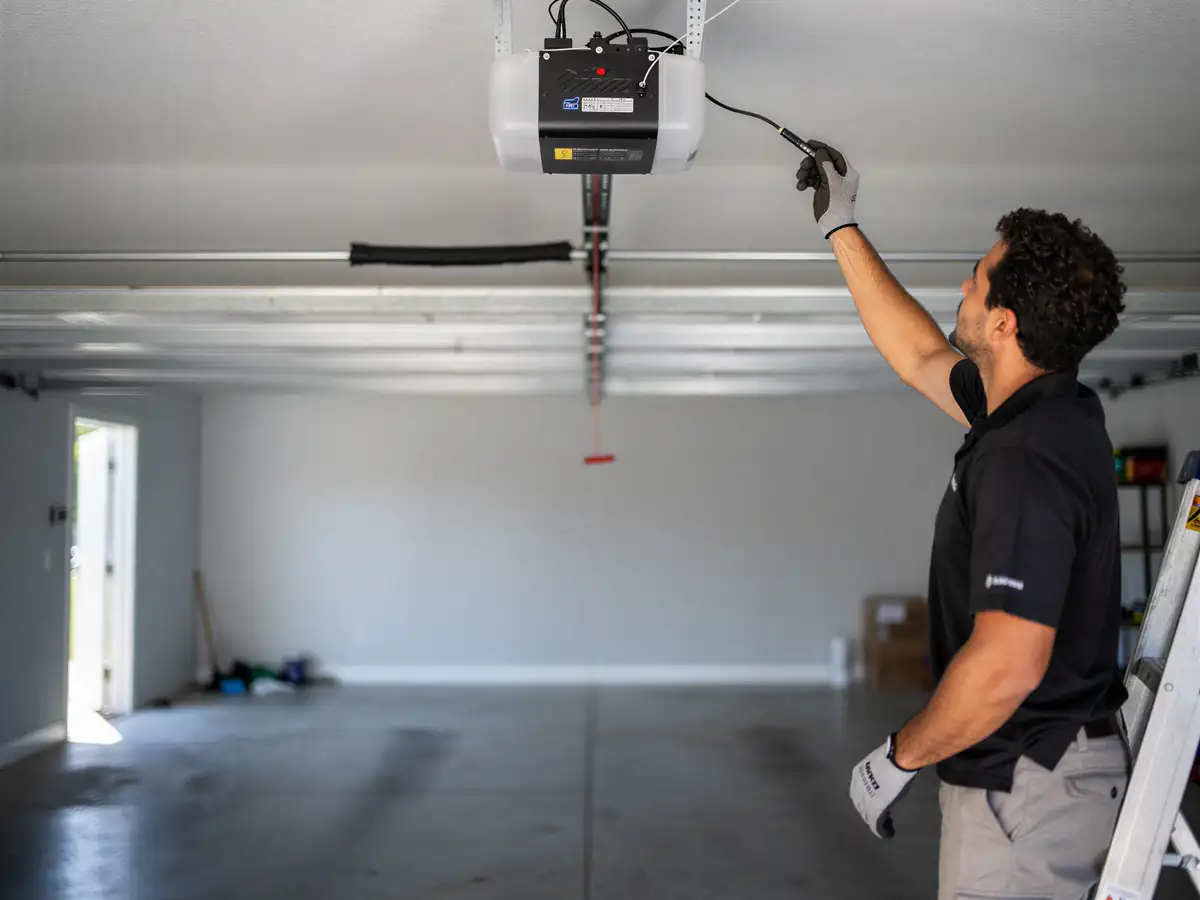
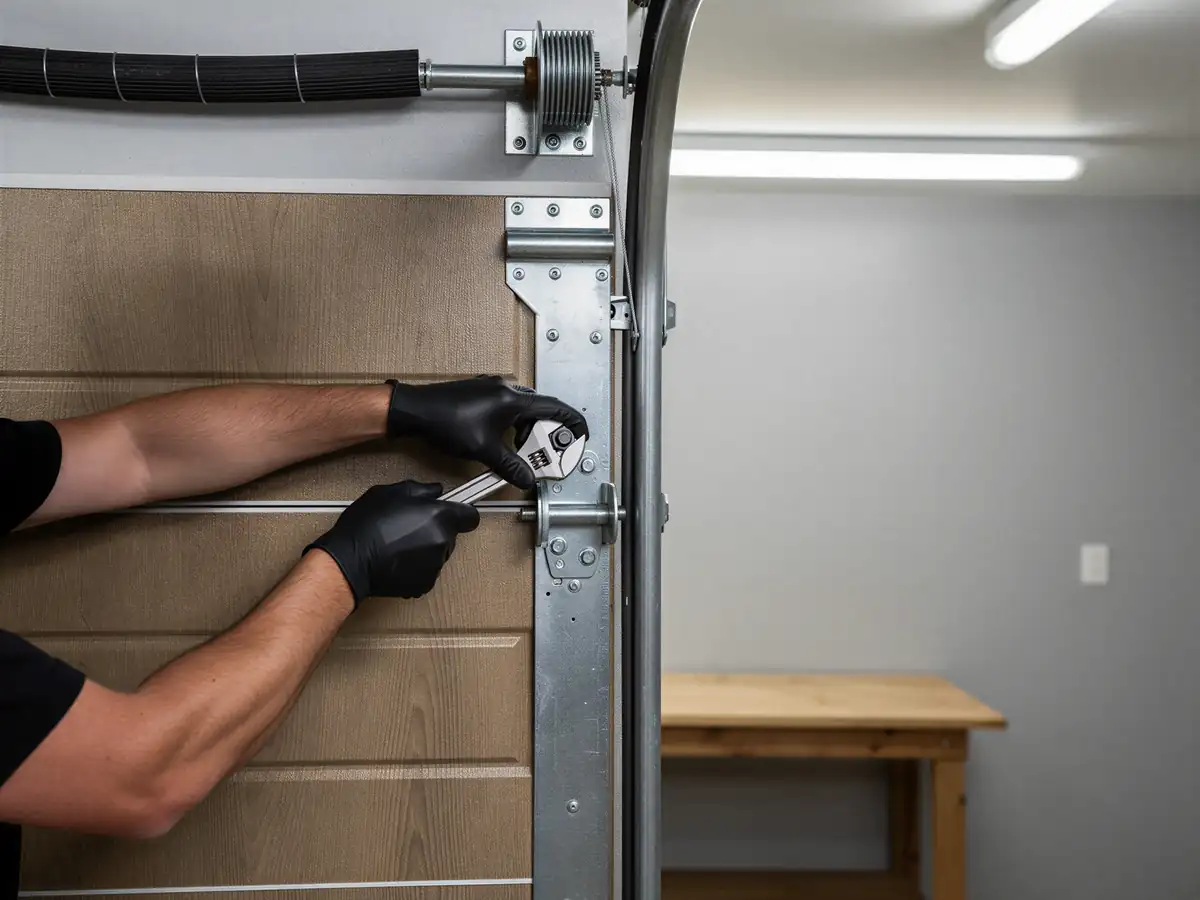
The complaint we hear most from this stretch of houses is a door that slams the last foot of travel instead of settling, or one that won't budge past halfway. On a home built in 1979, that's usually a spring that's lost tension gradually rather than snapped outright - which means the opener has been straining to make up the difference for months before anyone notices. You'll also see rollers that have worn oval instead of round on original hardware, since the nylon compounds from that era wear differently than what's made now. Cold mornings make it worse: this area sits in a moderate-cold climate band, and metal track contracts enough overnight that a slightly bent section catches where it wouldn't in July. If your door sounds fine in the afternoon but grinds or sticks at 7am, that's the track talking, not the opener. None of this means the door is done - most of these symptoms are a spring and roller job, not a full teardown. But ignoring the slam-shut symptom on an older spring setup is how a controlled repair turns into a cable replacement and a dented panel.
Parts We Carry
Because so much of Mountain Park's stock dates to 1979, give or take, we carry spring wire gauges that cover both the older torsion sizing and the newer standard most homes converted to during a prior repair. We stock standard roller and hinge sets, common cable lengths, and the sensor and logic board parts that fit the openers people actually installed here over the years. What we don't carry on the truck is obsolete track hardware specific to a handful of discontinued builder-grade systems - if your door still has its original 1970s track and it's bent rather than just worn, that part may need to be special-ordered, and we'll tell you that up front rather than force a fix that won't hold. At $95,678 median household income for this area, above the $91,308 figure across the wider territory, we see more owners choose a clean replacement over a patched repair once a spring job turns into a track-and-drum job - it's often close to the same cost once labor's counted twice.