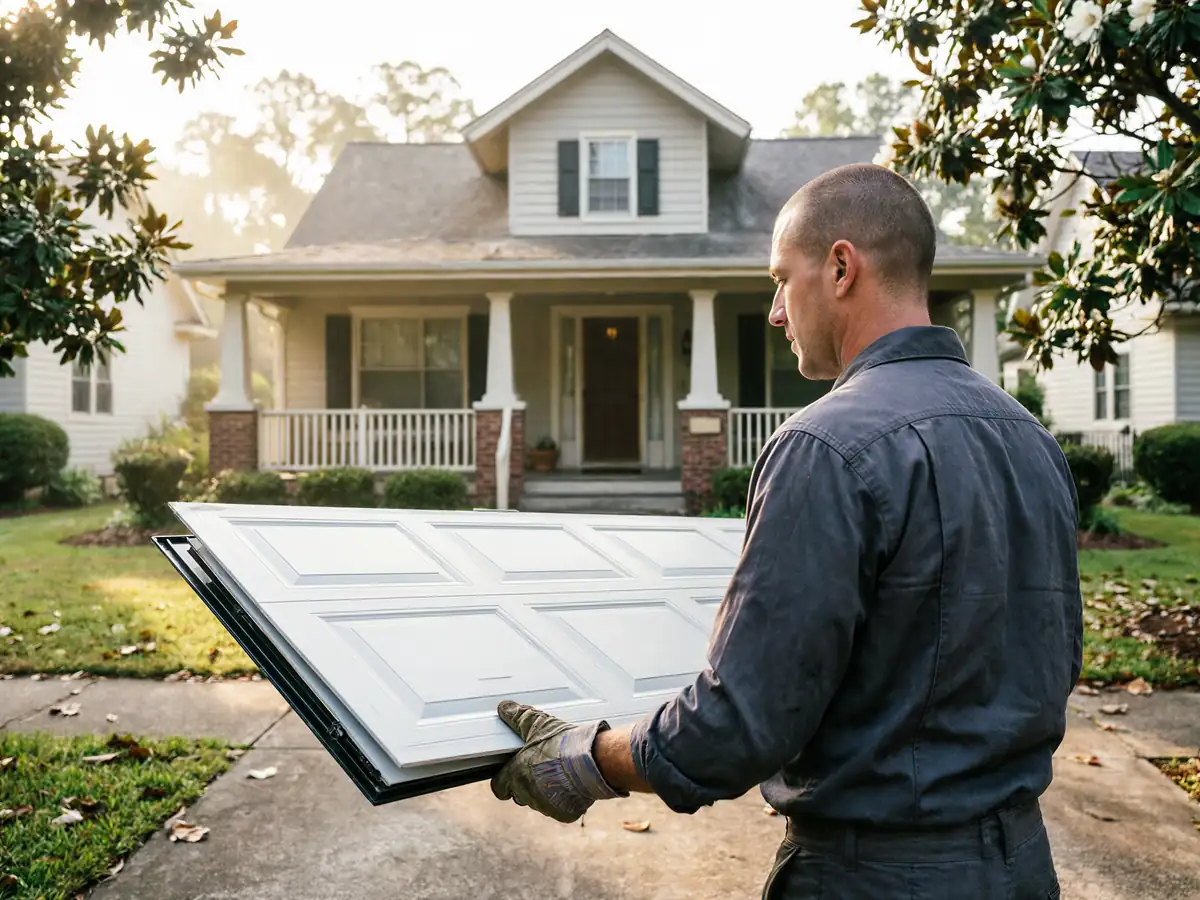
Can You Do This Yourself
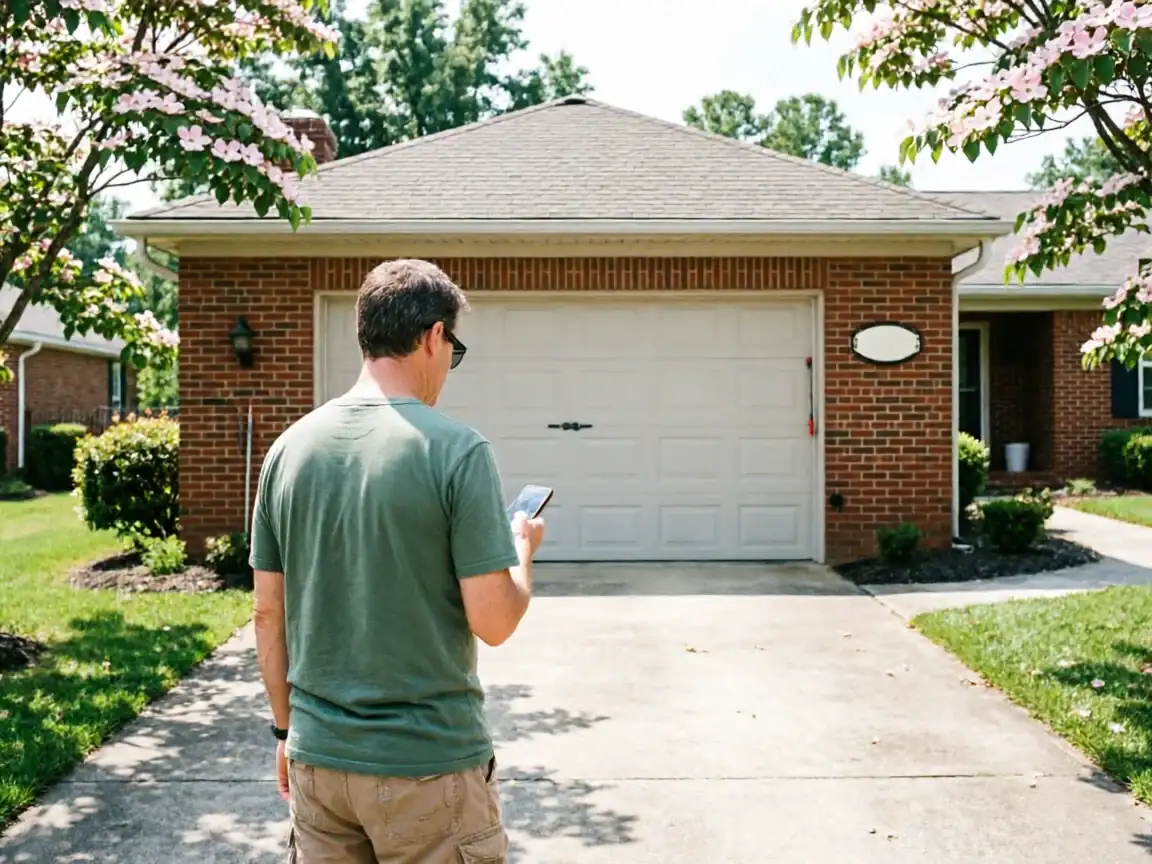
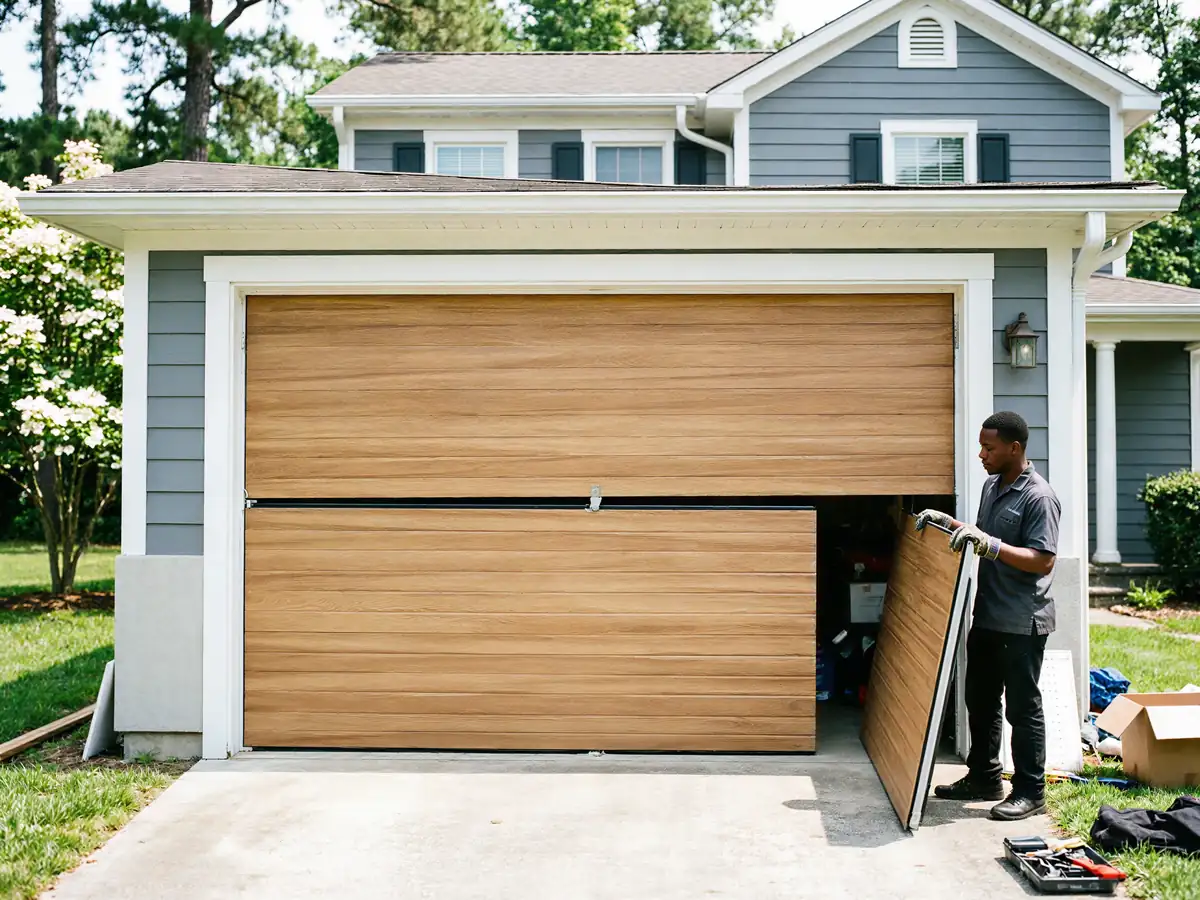
A single dented or cracked panel on a sectional door is one of the few garage door repairs a handy homeowner can reasonably attempt, and in Mountain Park
Where median household income runs $95,678 - noticeably above the $91,308 median across our wider service area - a lot of owners have the budget to weigh a DIY panel swap against a full replacement rather than just living with the dent.
The math usually comes down to this
If your door is still a standard residential width and the manufacturer or a close match is available, swapping one panel costs a fraction of a new door. But houses here cluster around a 1979 median build year, older than the broader area's 1984 median, which means some doors are non-standard widths or discontinued profiles. If you can't find a panel that matches the existing ones in gauge and groove pattern, you're not doing a repair anymore - you're doing a mismatched patch job that looks worse than the dent did.
We'll tell you straight if a single-panel swap makes sense on your door or if the smarter move is a full door
Especially if the rest of the panels are already showing the same age-related fatigue.
The Symptom
The panel damage we see called in from this part of the county tends to fall into two groups. First is impact damage - a backed-into panel, a bent bottom section from a car bumper, a corner crushed by something heavy rolling against it. That's straightforward: one or two sections, clean break in the metal, rest of the door unaffected.
Second, and more common on the older end of the 1979 median stock here, is slow failure. Steel panels from that era are thinner-gauge than what's sold today, and after four decades of cold-season expansion and contraction they develop ripples, rust-through at the bottom seam, or hairline cracks near the hinge screws that eventually let the panel sag. In a moderate-cold climate like this one, that seam rust is the tell - water sits at the bottom track longer than people think, even without severe winters.
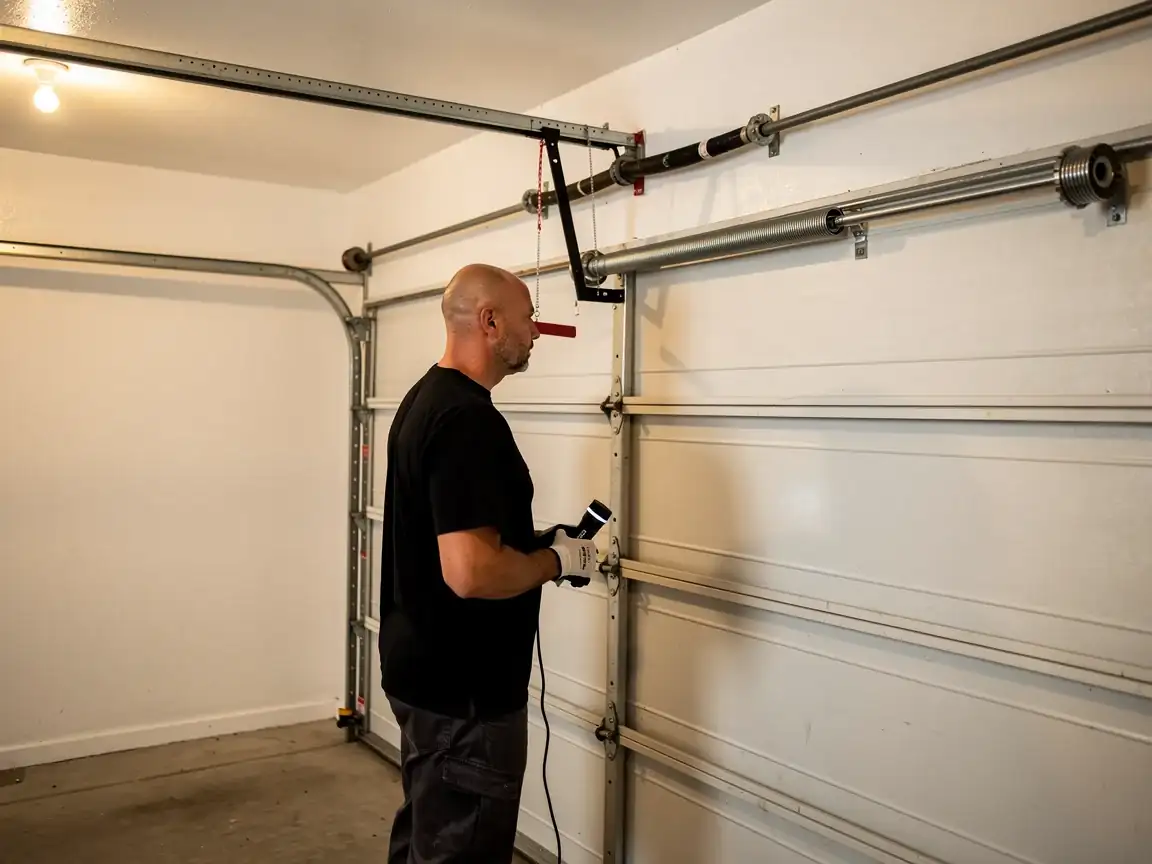
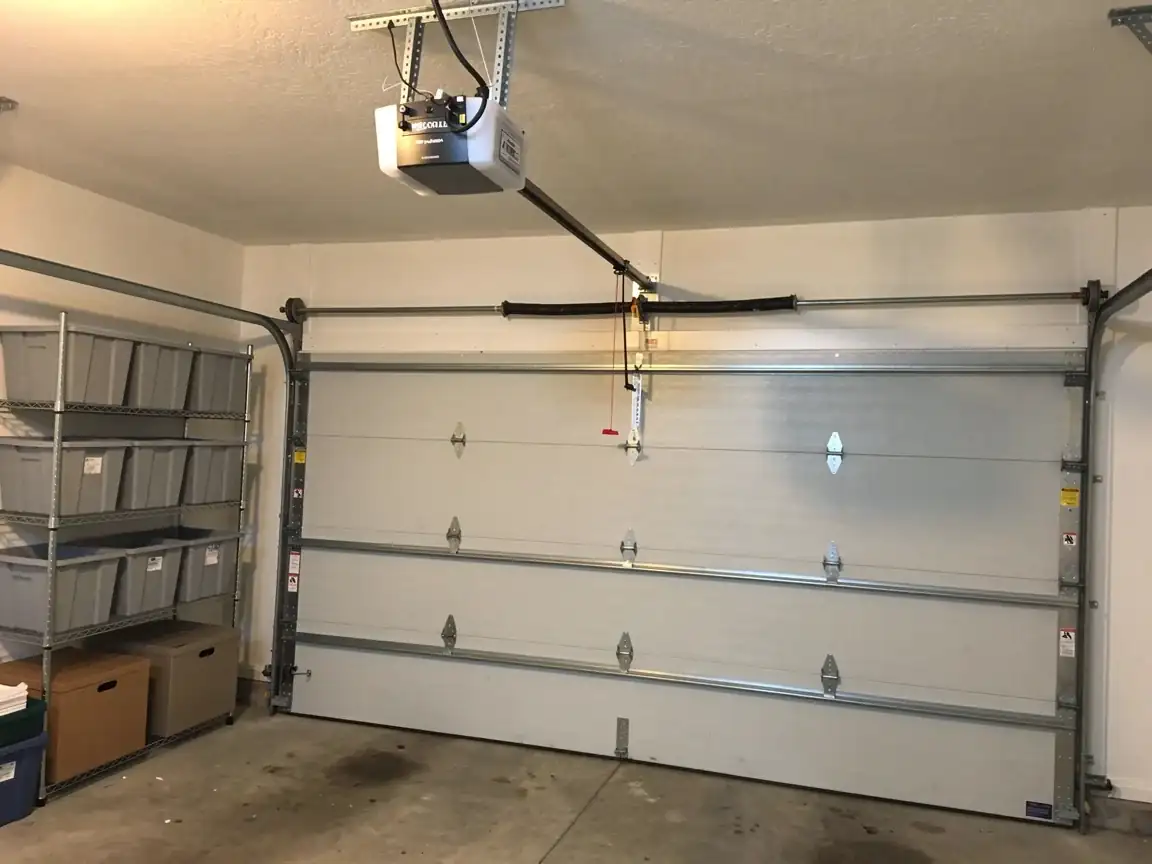
If you're seeing daylight at a panel seam, hearing a new creak only from one section, or noticing one panel sits slightly forward of its neighbors when the door's down, that's panel fatigue, not just cosmetic damage, and it's worth having looked at before the track alignment goes with it.
Parts We Carry
For a 1979-era door, the biggest hurdle isn't finding a panel - it's finding one that actually matches the groove depth, hinge spacing, and gauge of a door that old. We stock common residential panel profiles and hardware sized for doors built across that 1951-2007 window that shows up across this part of the county, which covers most of what you'll find on a Mountain Park street.
What we don't carry on the truck is a replacement for a discontinued or regional manufacturer's exact panel from the late '70s. If your door is one of those, we'll source what we can or walk you through why a full replacement panel set, or a new door, is the more honest answer than forcing a near-match.
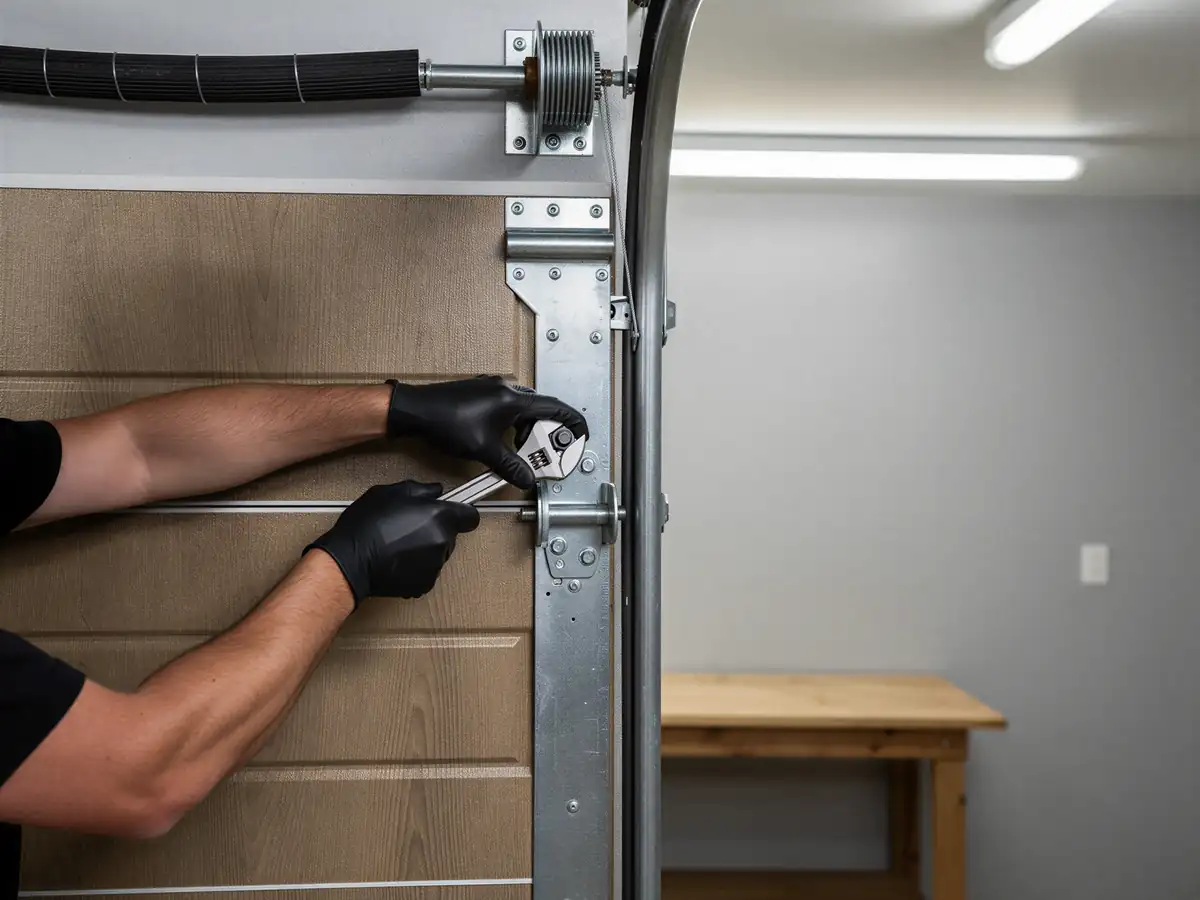
We also carry the matching hinges, rollers, and end stiles that go with a panel swap, since reusing worn hardware on a new panel is how you end up back on the phone in six months with the same complaint on a different section.
Time on the Job
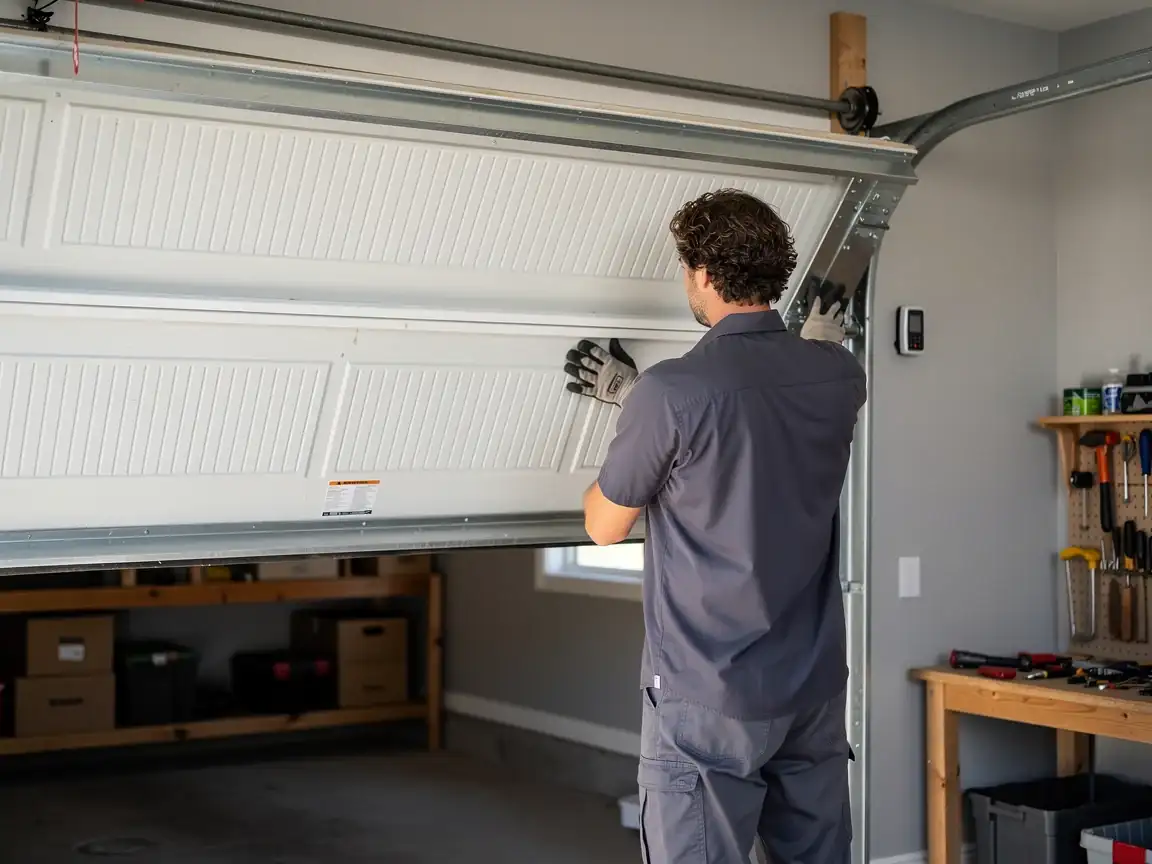
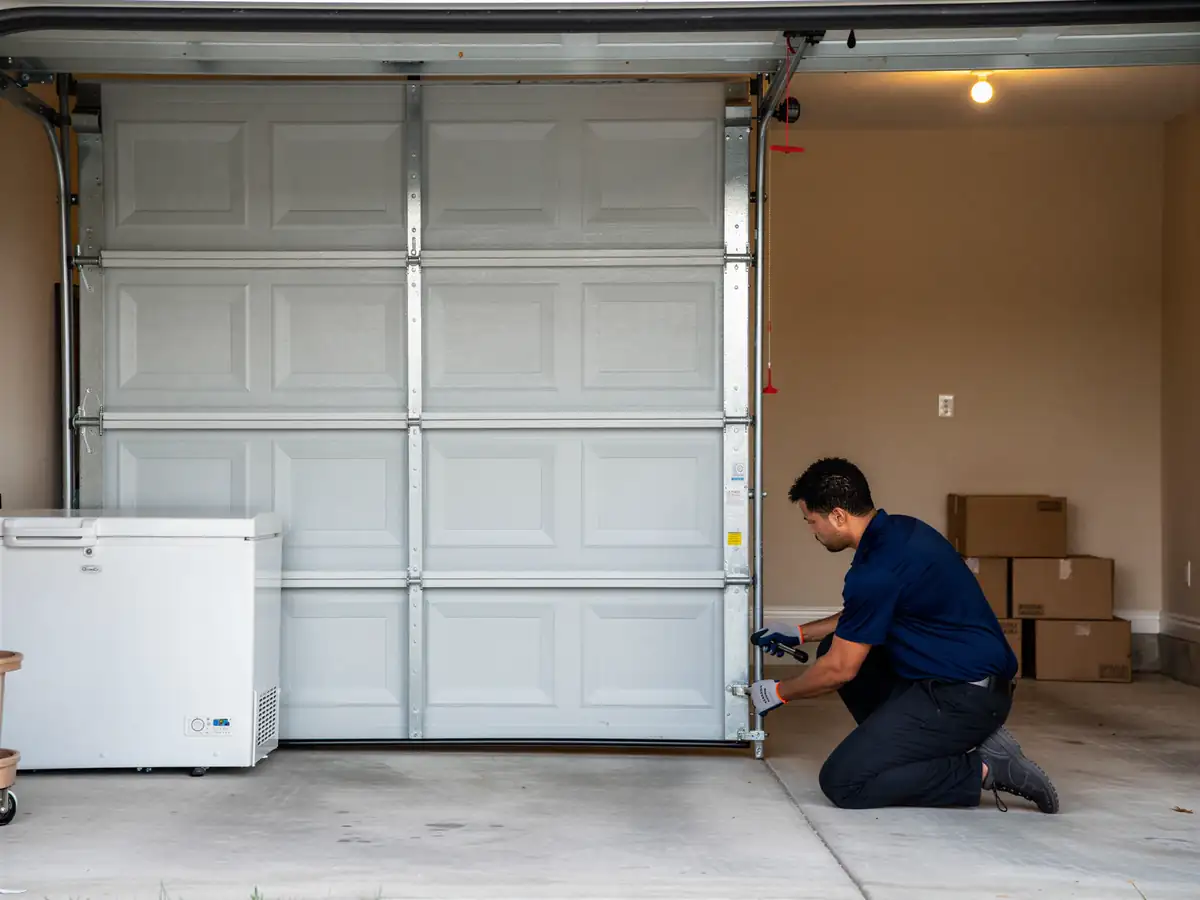
A single standard panel swap, once we're on site with the right part, is usually a shorter job than people expect
Most of the time goes into aligning the new section with the existing track and hinges, not the install itself. A full panel set or a door with non-standard sizing takes longer, since fitting has to be exact on both sides.
We run this job out of Alpharetta, about 18 miles from Mountain Park
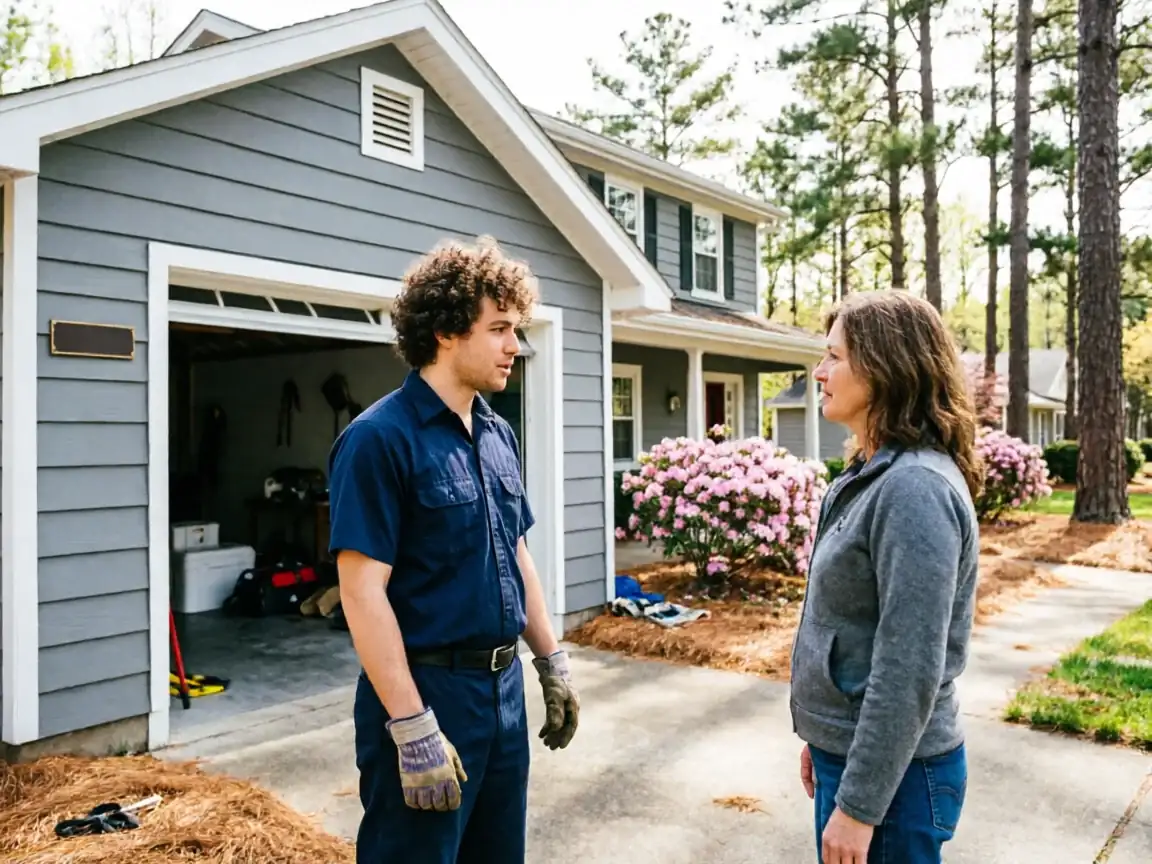
So we schedule the trip around parts being in hand rather than showing up to assess and coming back twice. If your panel is a common size we can usually turn the job same visit; if it needs a sourced part, we'll tell you that up front instead of guessing.
- 18 miles