The Symptom
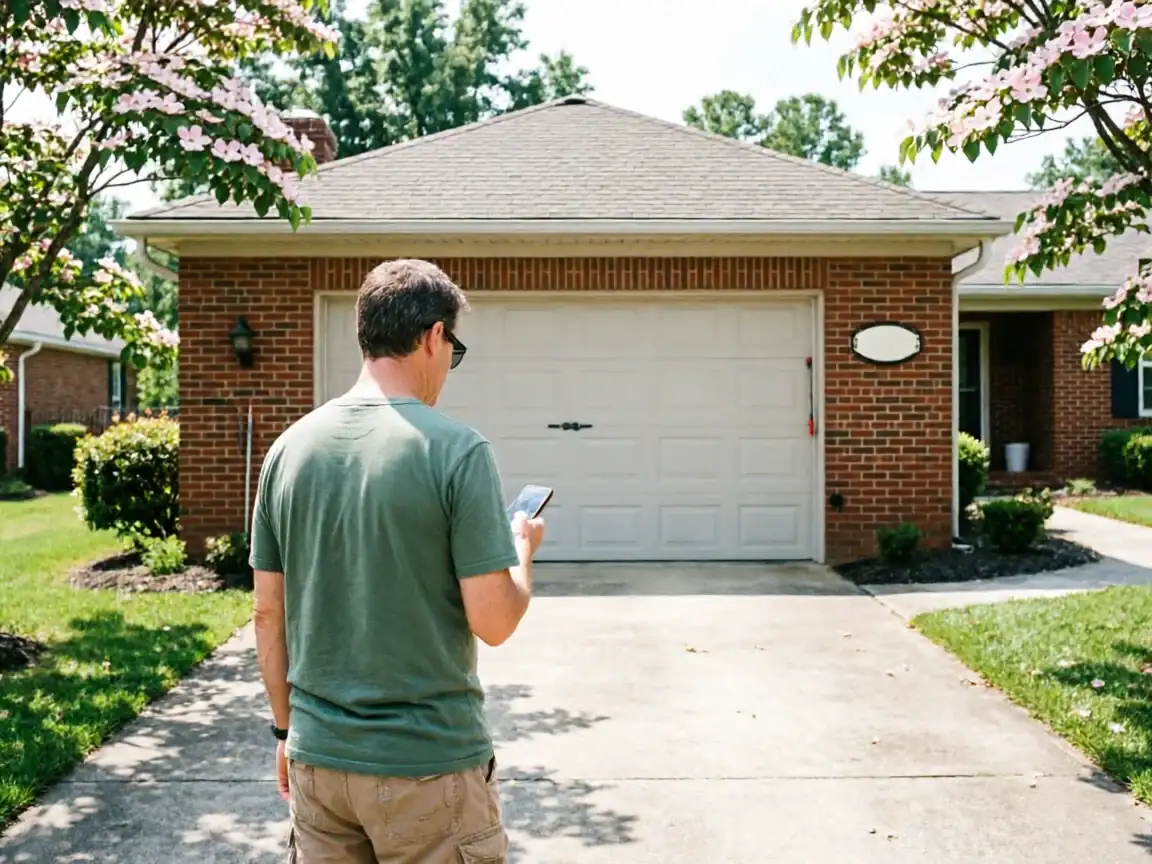
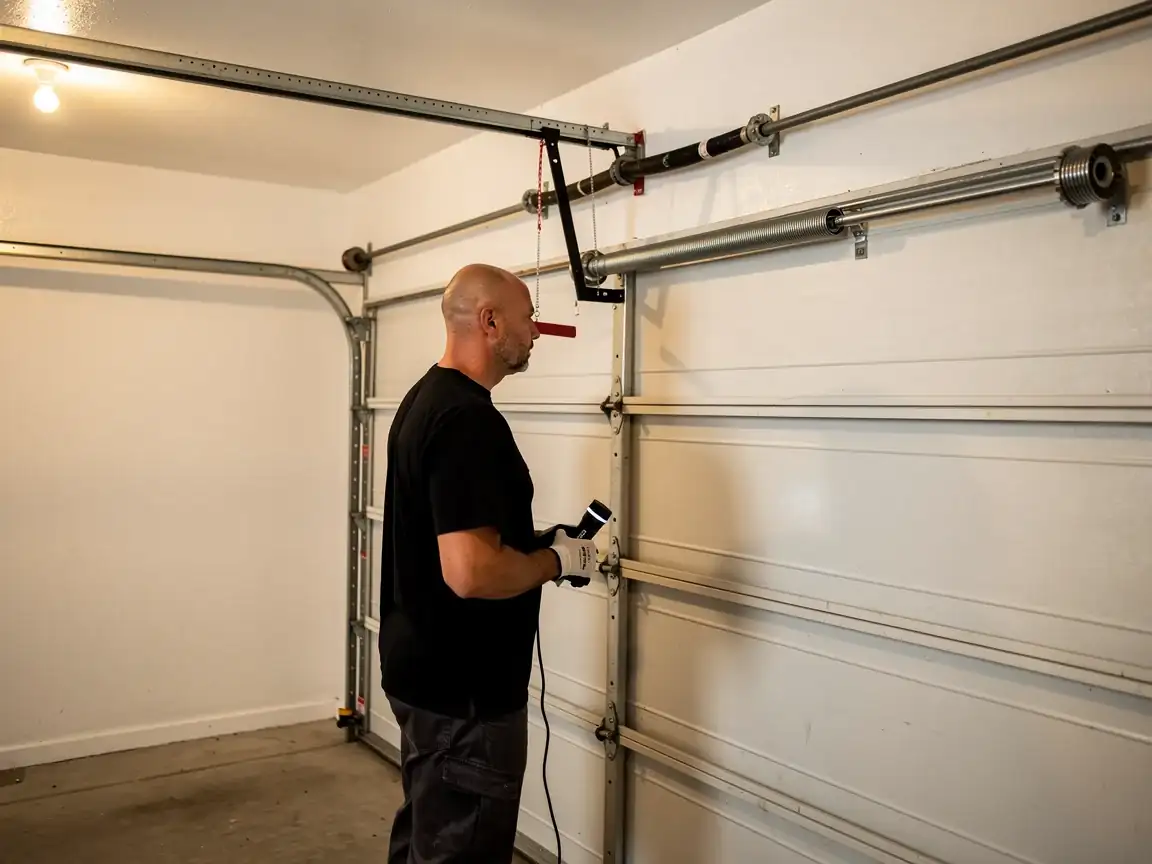
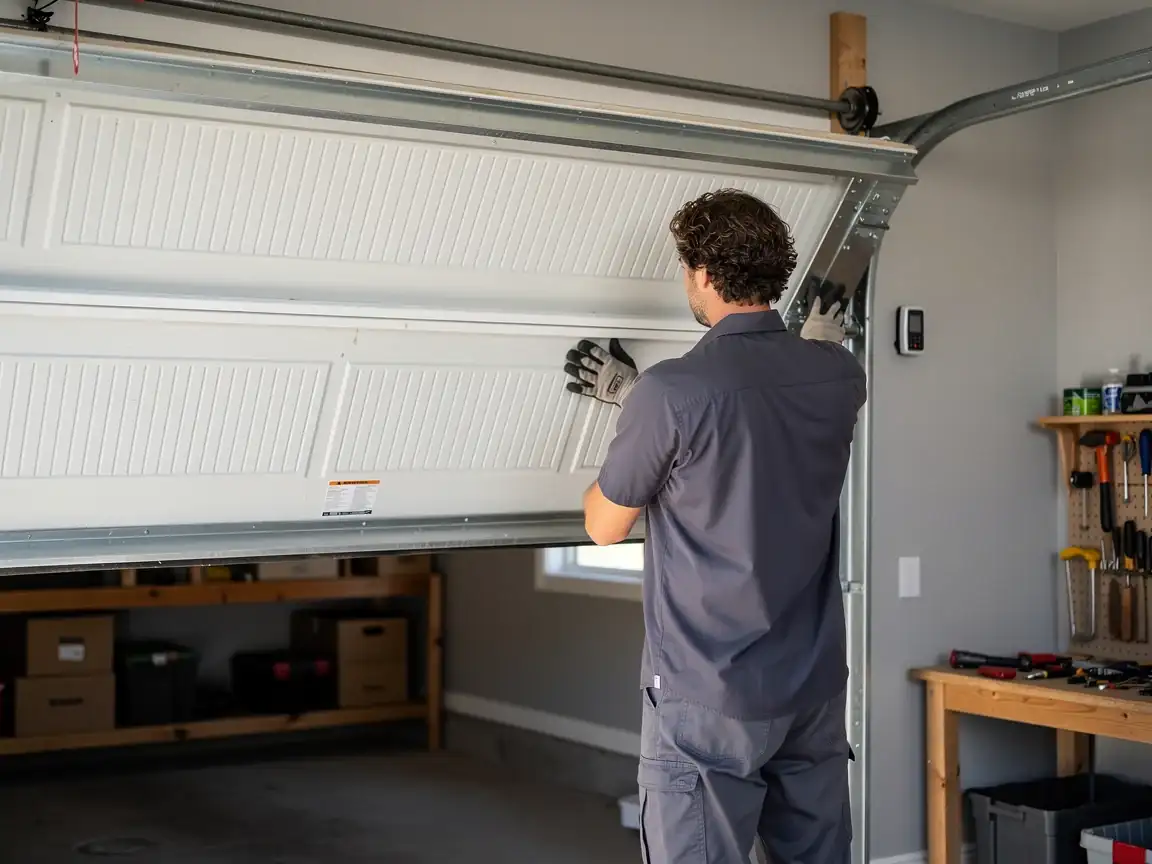
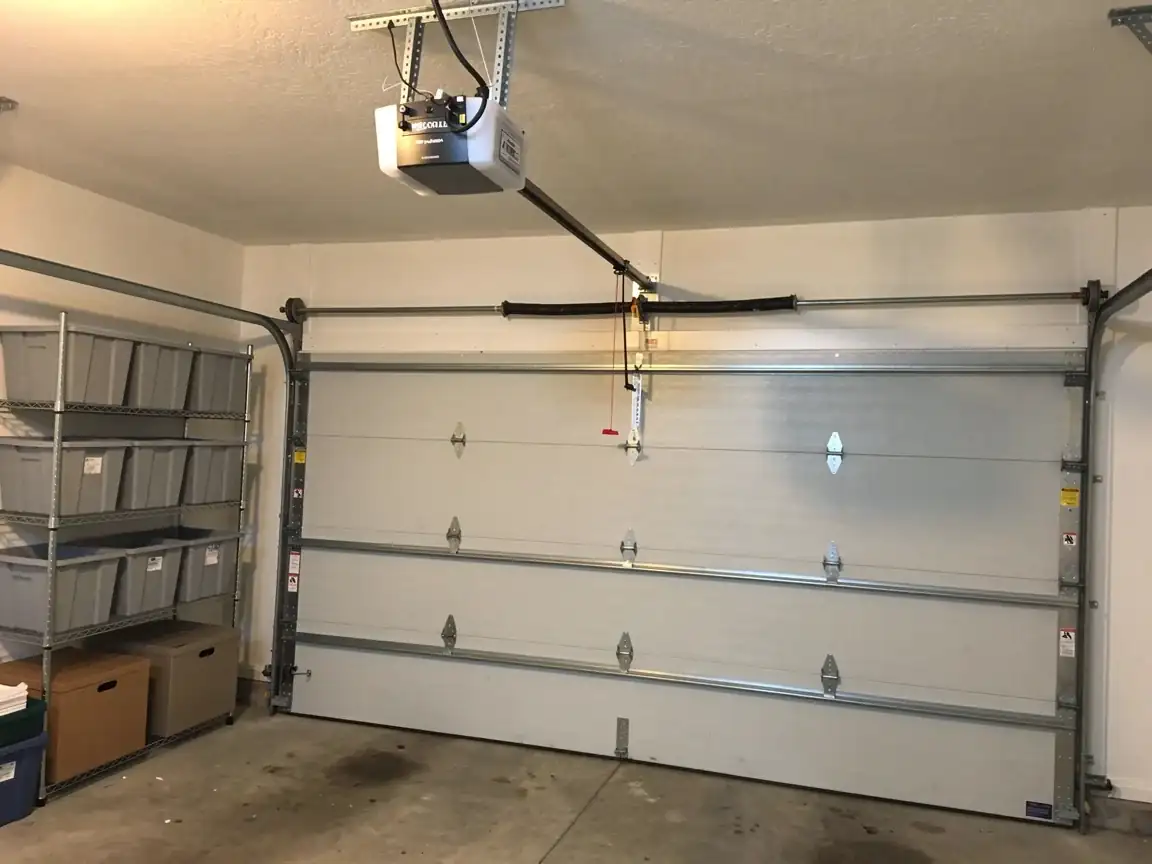
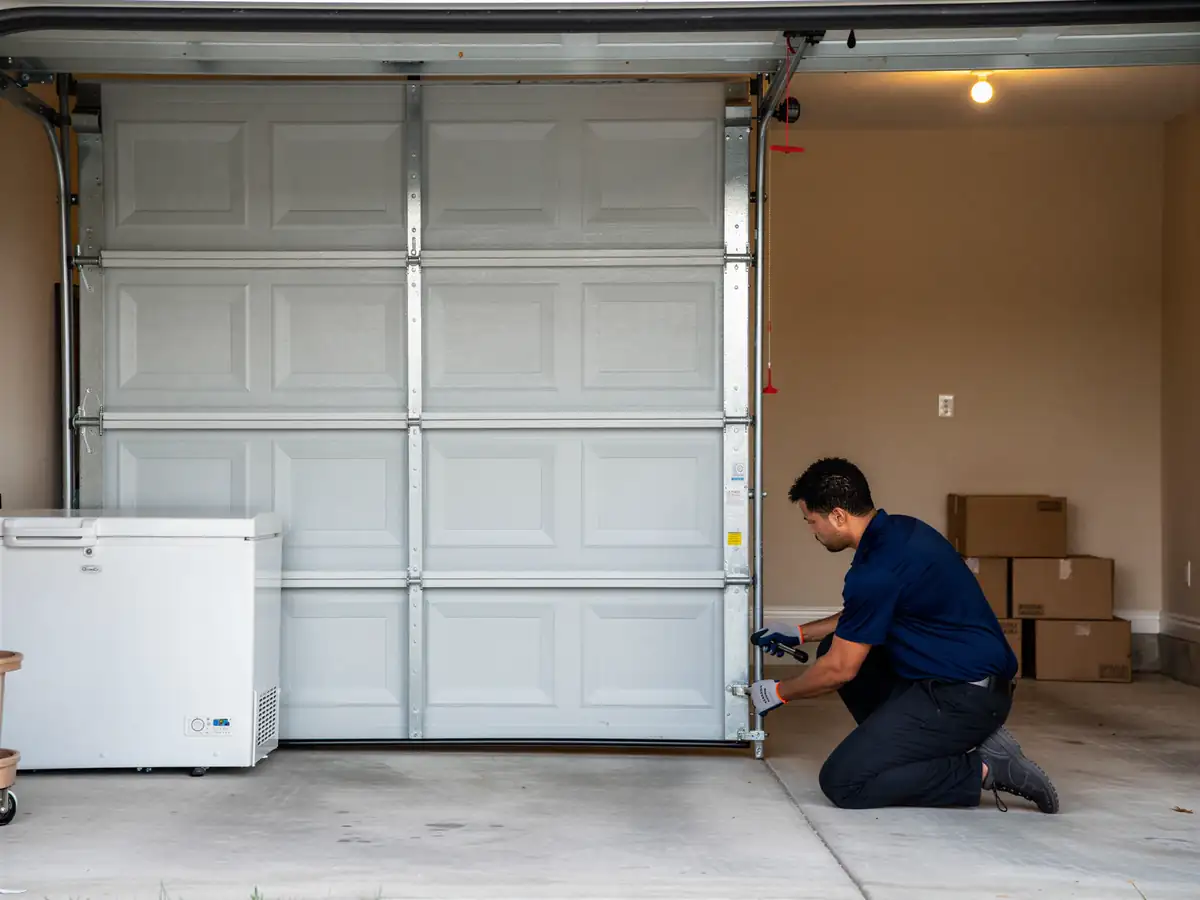
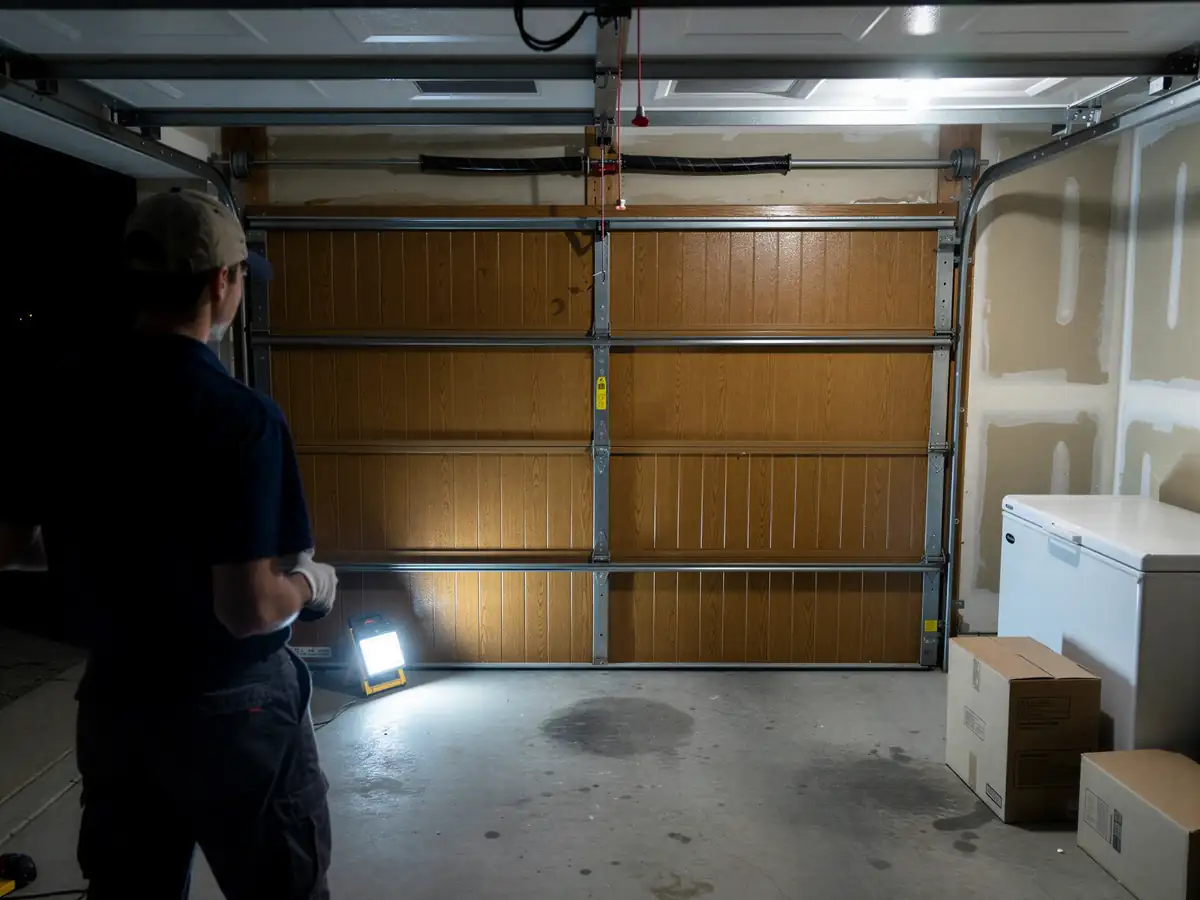
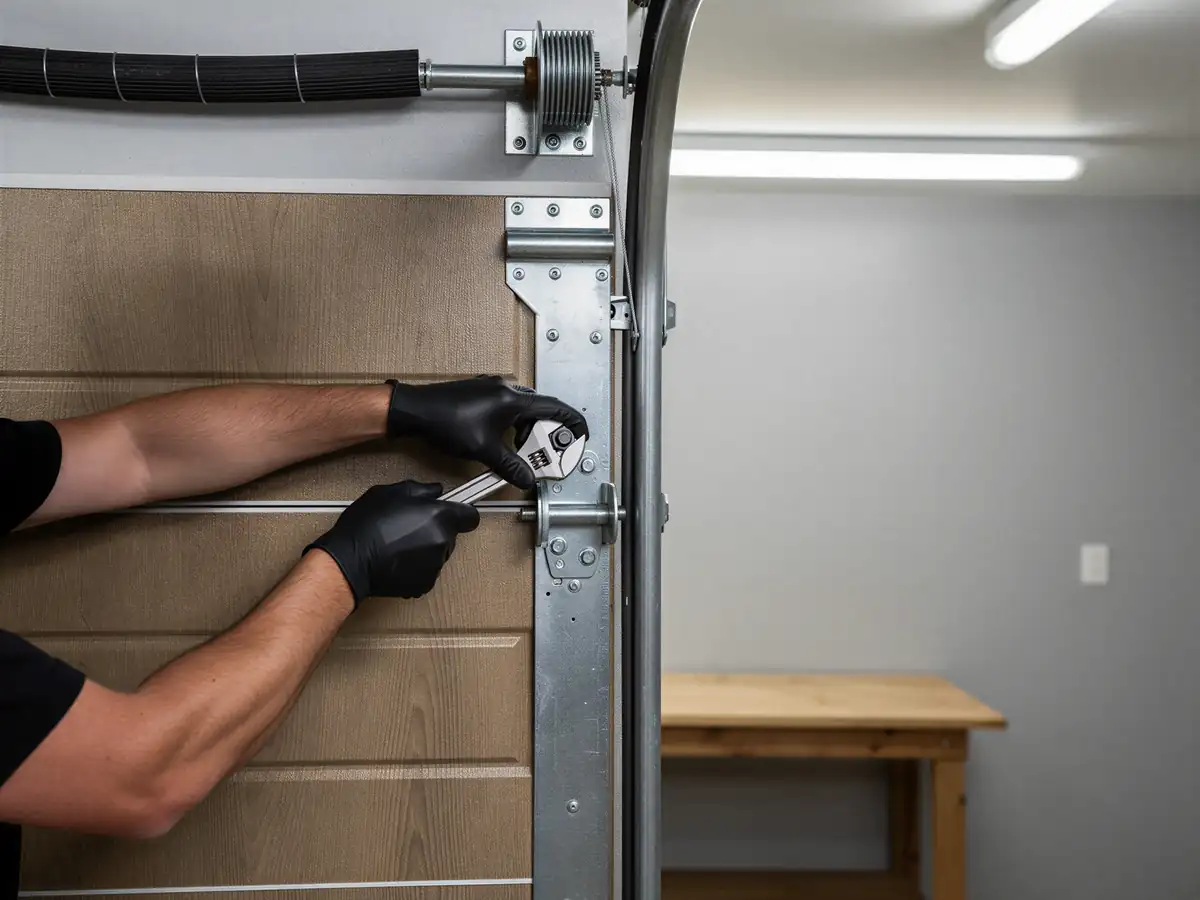
The median house in Mountain Park went up around 1979, which puts a good share of garage doors here at or past the point where the original springs and rollers are tired, not just dirty. The symptom we hear most from this part of the service area isn't a dead opener - it's a door that labors on the way up, especially in cold mornings, then seems fine by afternoon. That's usually a spring that's lost tension gradually over four decades of cycles, not a sudden failure. On older galvanized track with steel rollers, you'll also hear a flat clunk at the halfway point where the track has worn a shallow groove. Neither symptom means the door's done. Both mean it's overdue for someone to actually look at the hardware instead of just hitting it with spray lubricant and hoping.
Parts We Carry
Given the age of doors common in this part of the county, we carry torsion springs sized for the lighter wood and steel sandwich doors that were standard through the late 1970s and 1980s, along with steel rollers to replace the originals before a bearing seizes mid-cycle. We stock standard-lift cable for single and double doors and the hinges that match older panel spacing. What we don't stock on the truck: specialty springs for oversized or custom doors, since those get ordered once we've measured the door in person. With roughly 36,000 owner-occupied houses across the territory we cover, carrying parts for 1980s-era hardware on every truck makes more sense than carrying for brand-new doors that are still rare out this way.