Can You Do This Yourself
The median home in Mountain Park went up around 1979
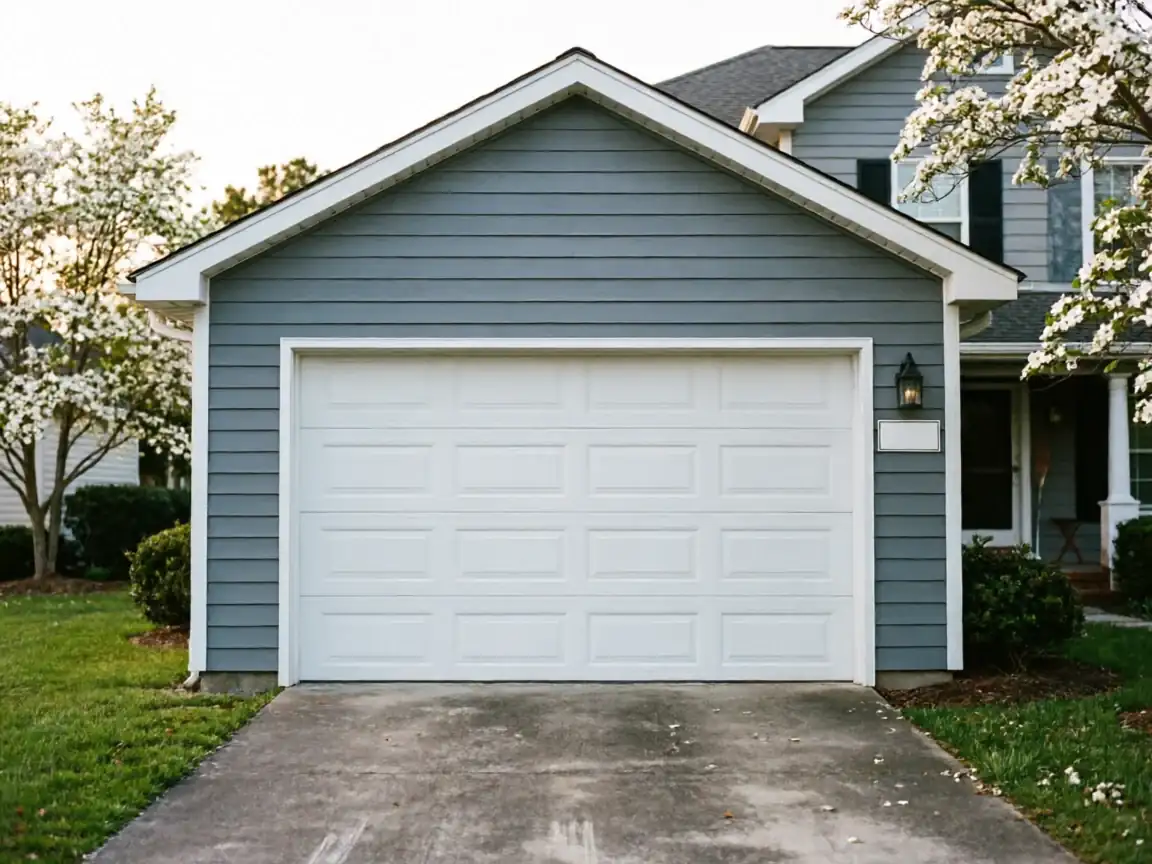
Five years earlier than the service area's overall median of 1984. That matters because a door this old has usually had one spring swap at most, and the track, jamb hardware, and header bracket are often still the originals from the build. Nothing about that is unsafe on its own, but it does mean the opening you're measuring for a new door may not match anything sold off a shelf today. Door widths and header clearances from the late 1970s weren't standardized the way they are now.
Could a determined homeowner pull the old door and hang a new one solo?
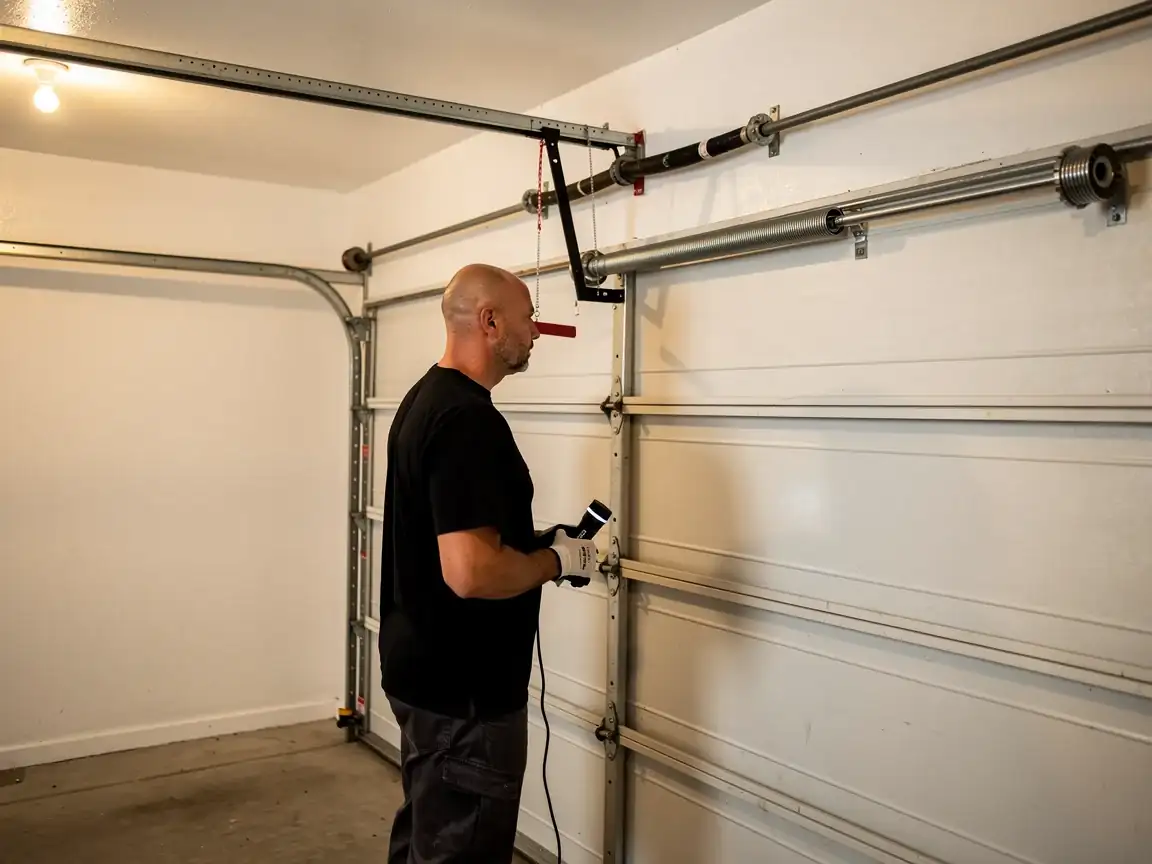
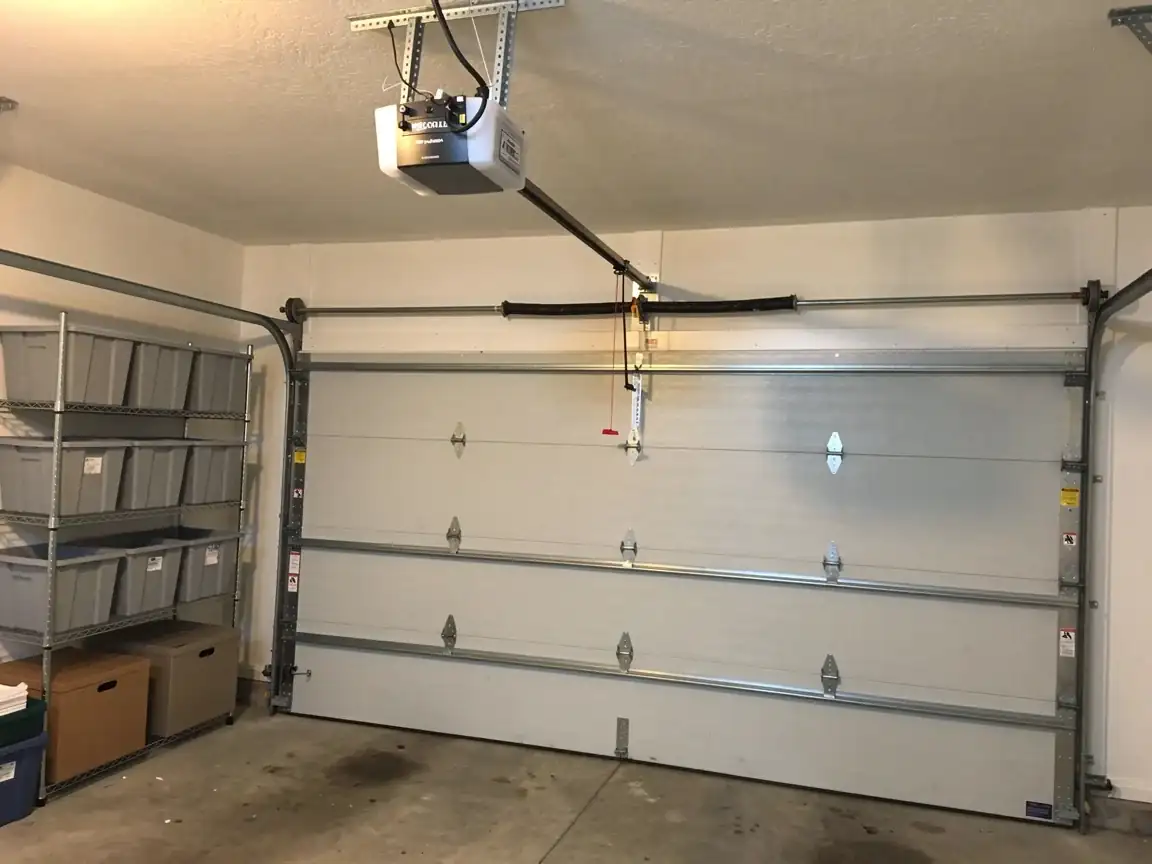
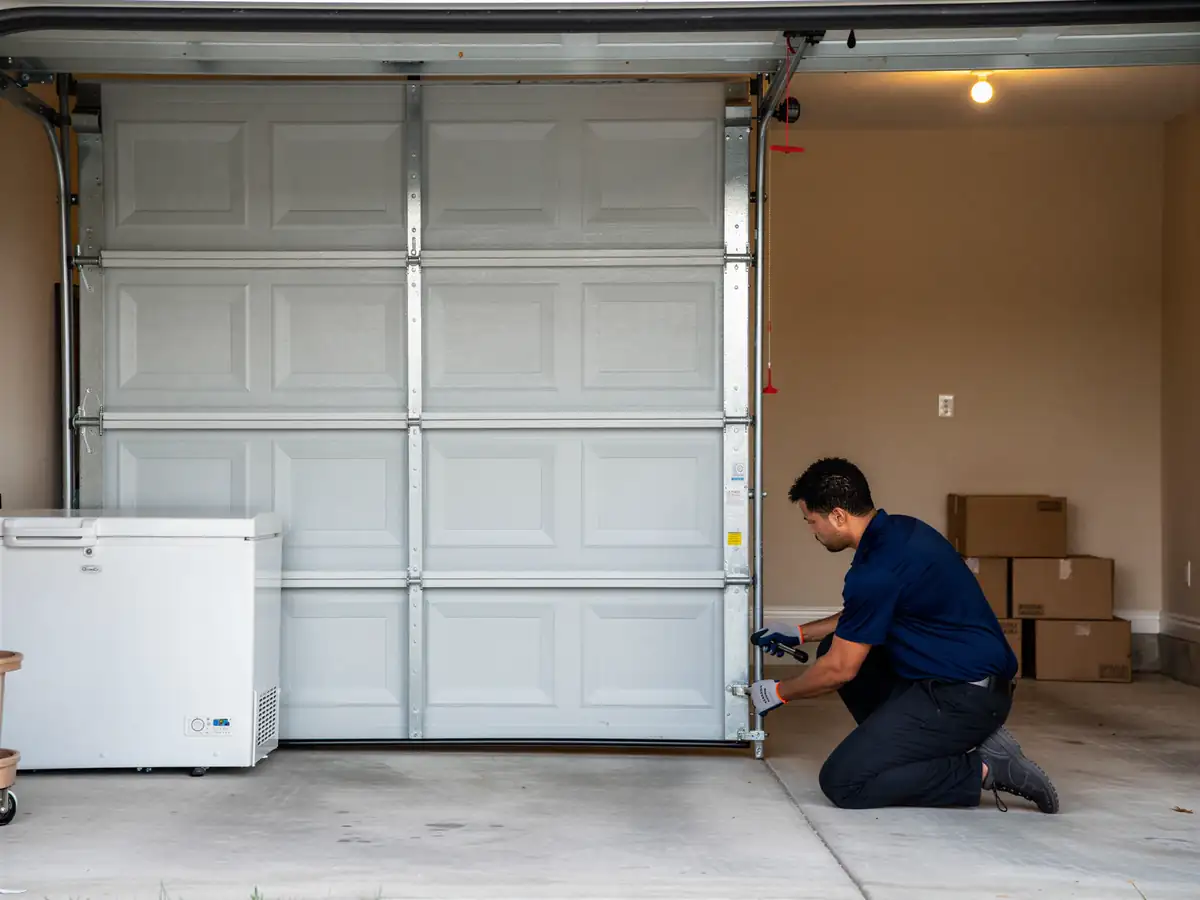
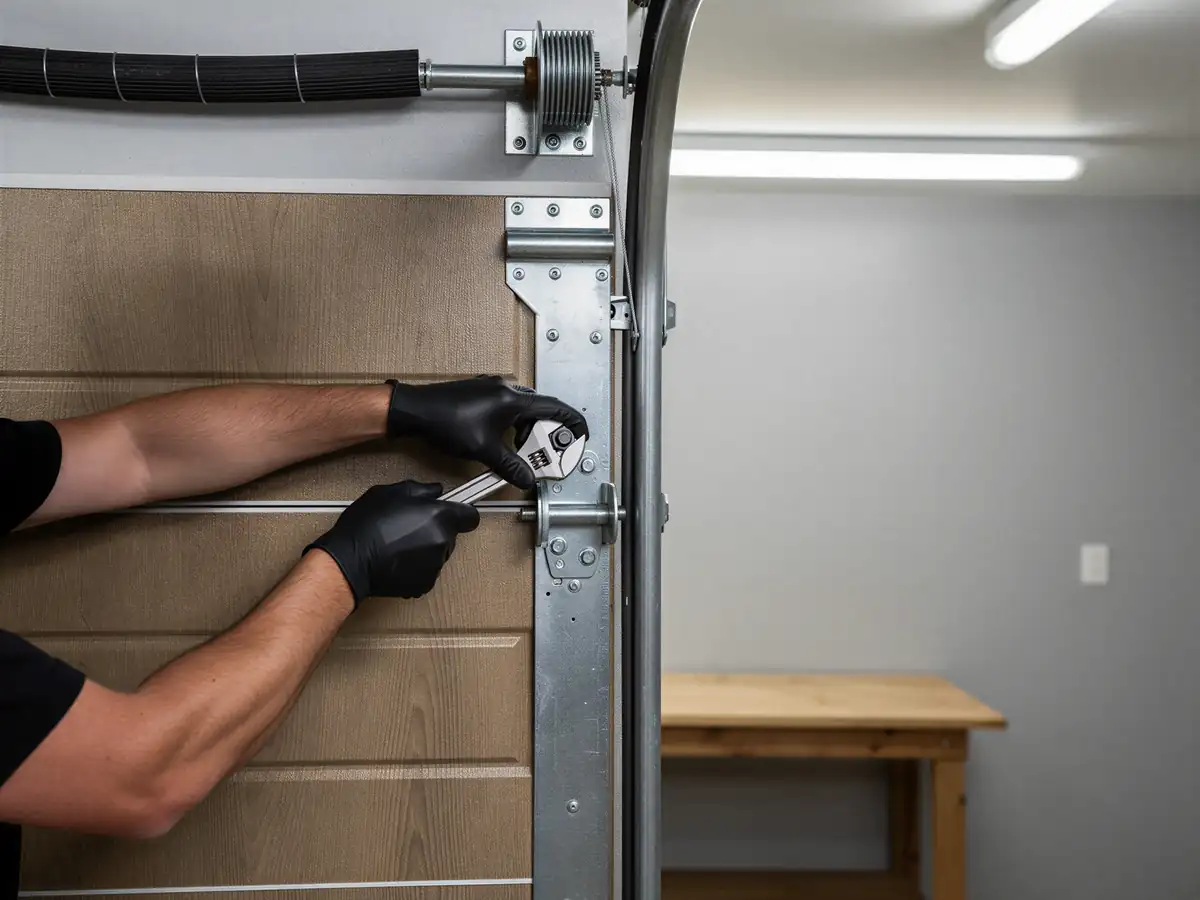
Some could. What trips people up isn't the panel, it's the torsion spring and the track alignment against an opening that's settled a bit over 45 years. A spring under tension on an unfamiliar, slightly out-of-square frame is where people get hurt, and it's also where a rushed job leaves a door that binds on day one. We'll say plainly: if your opening is standard and you're comfortable with ladders and hand tools, swapping hardware is doable. Re-framing a nonstandard 1979 opening for a new door is not a first-timer job, and we don't pretend otherwise.
- 45 years
The Symptom
In a house built around 1979, the complaint we hear most isn't that the door won't open. It's that it opens unevenly, drags on one side, or groans partway up. That's consistent with original hardware working past its expected life, especially rollers and the bottom bracket, which take the most wear over four and a half decades of cycles.
Mountain Park sits in a cold-moderate climate band, which means winter does real work on an uninsulated steel or wood door from that era. Temperature swings make a door swell and bind in its track during a cold snap, then loosen again when it warms. If your door only sticks in January and runs fine the rest of the year, that's the track and the original door material reacting to temperature, not a motor problem. A lot of homeowners replace the opener first because that's the part they can see move, when the actual fault is downstream in a door that's simply reached the end of its service life.
Parts We Carry
For a 1979-era opening, we carry torsion springs sized to older low-headroom setups, since many of these garages weren't framed with the extra clearance that newer builds have. We also stock galvanized rollers and standard track sections that fit the hardware spacing common to homes from that build era across the service area.
Here's the honest limit: if your opening is a nonstandard width, which does happen in 1970s construction, a custom panel match isn't something we keep on the truck. That gets ordered, and it adds lead time to the job. We'll tell you up front if your measurements fall outside a stock size rather than quote a date we can't hit.
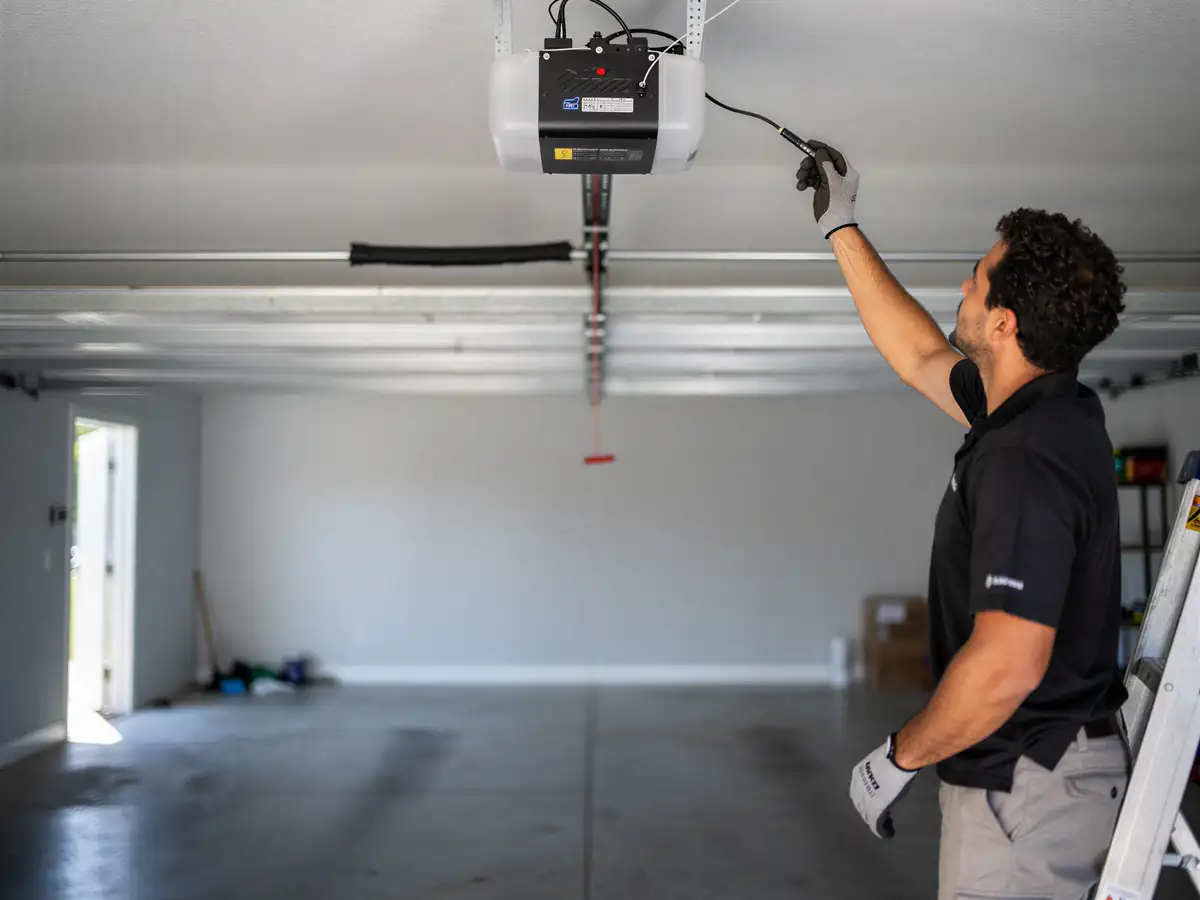
For most installs we're putting in an insulated steel door, since the original door in a home this age is almost never insulated, and a new opener with battery backup, which matters given how outages can hit during winter weather here. We size the spring to the new door's weight, not the old one's, since insulated panels weigh more than the single-layer doors they replace.
Time on the Job
Mountain Park runs about 18 miles from our Alpharetta shop
Which puts it toward the farther end of our regular routes. We don't keep a branch or a depot out this way, so every job here starts with a drive, and we build that into how we schedule the day rather than promise a same-day fit for every call.
- 18 miles
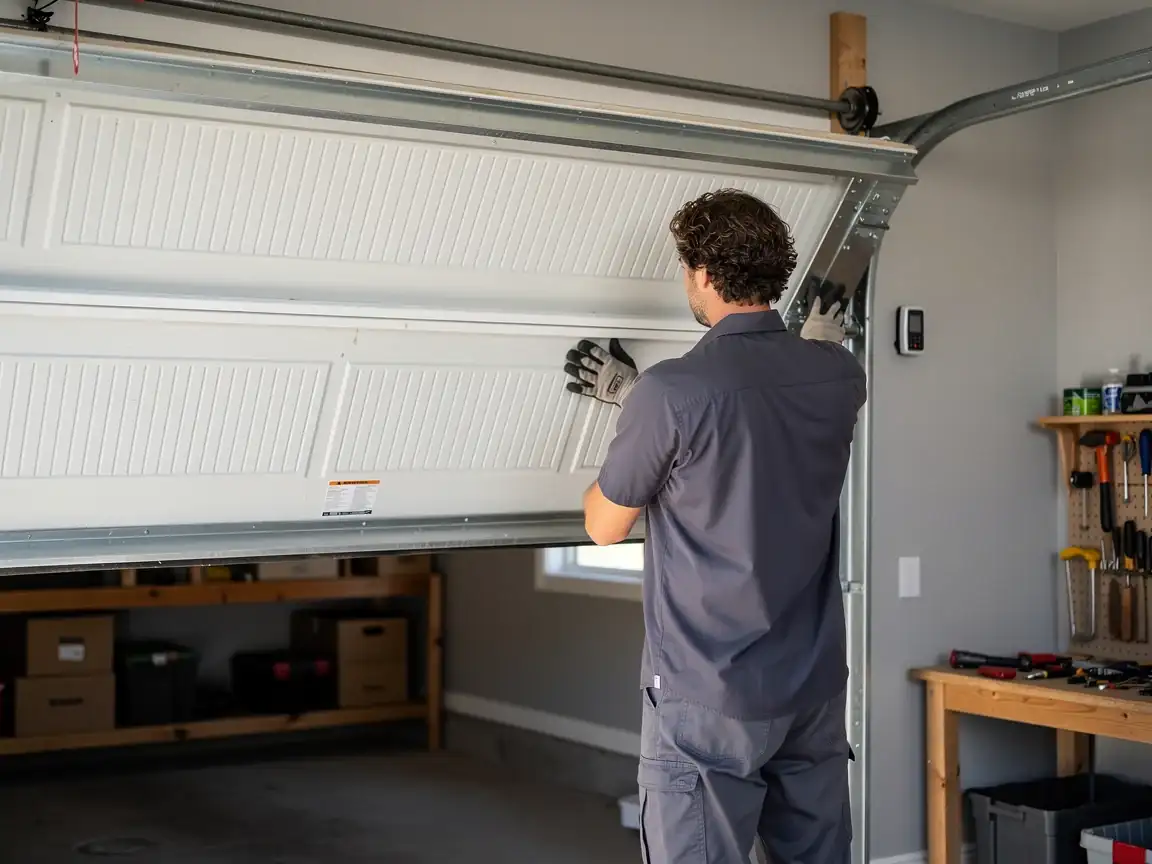
A standard install on a stock-size opening, once we're on site, typically runs a few hours door to opener
Done in one visit. Where it stretches is exactly where we flagged it above: a nonstandard 1979 opening that needs a custom panel, or framing that's shifted enough to need reinforcement before the new door goes in. In those cases we'll scope it on the first visit and come back once the part's in, rather than force a door into an opening it doesn't fit.