Can You Do This Yourself
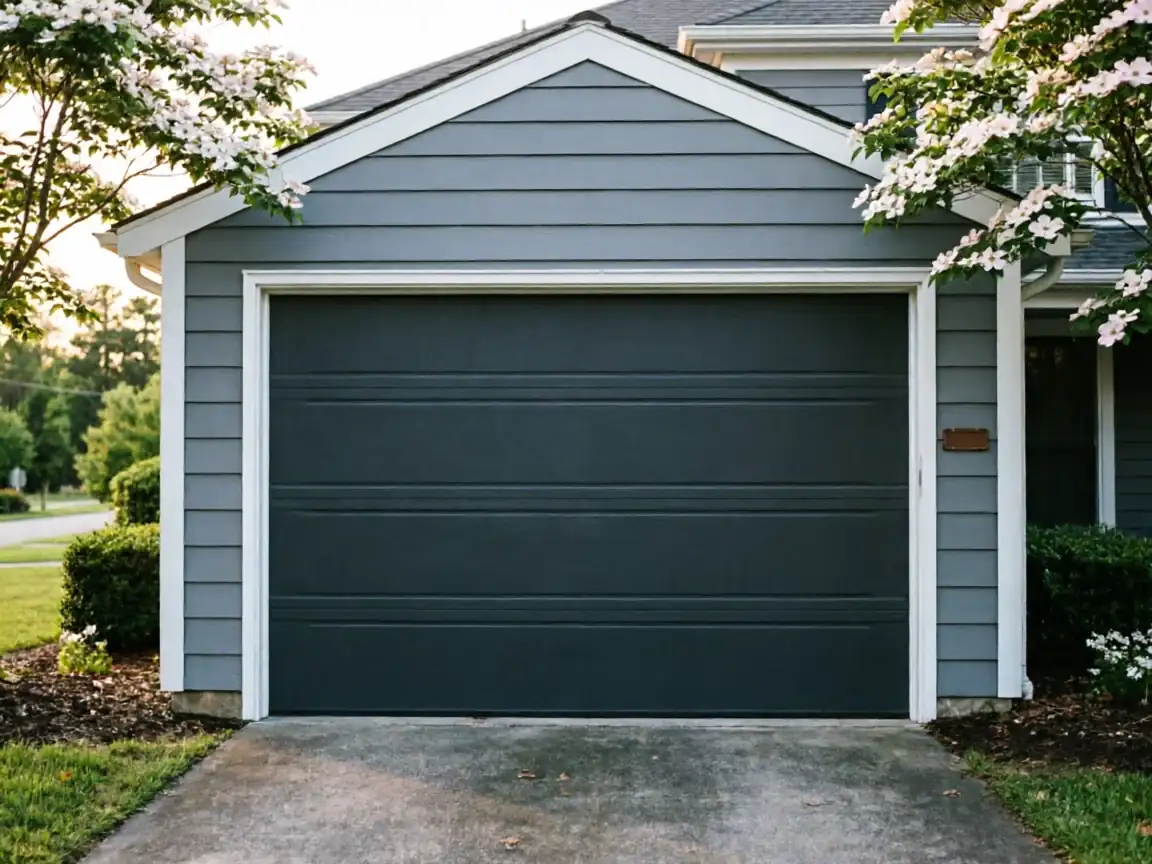
A lot of Mountain Park garages still have the door that came with the house
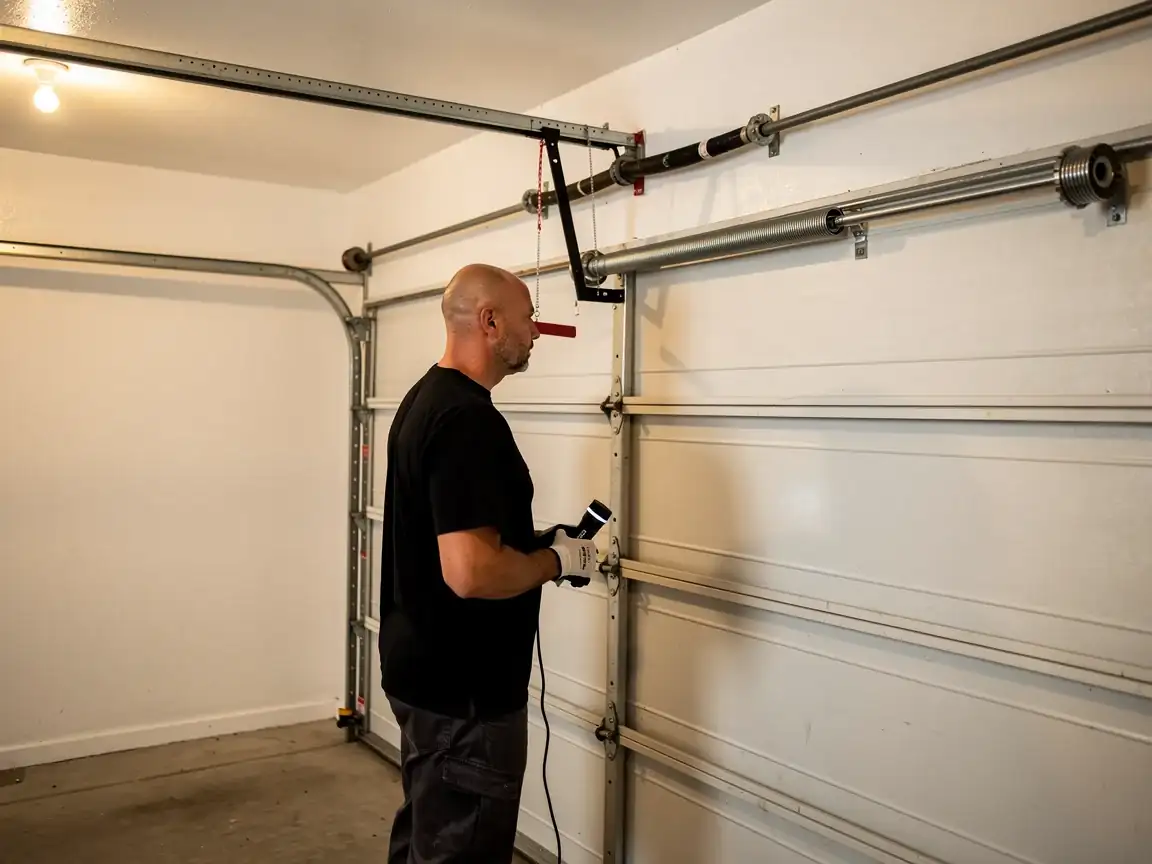
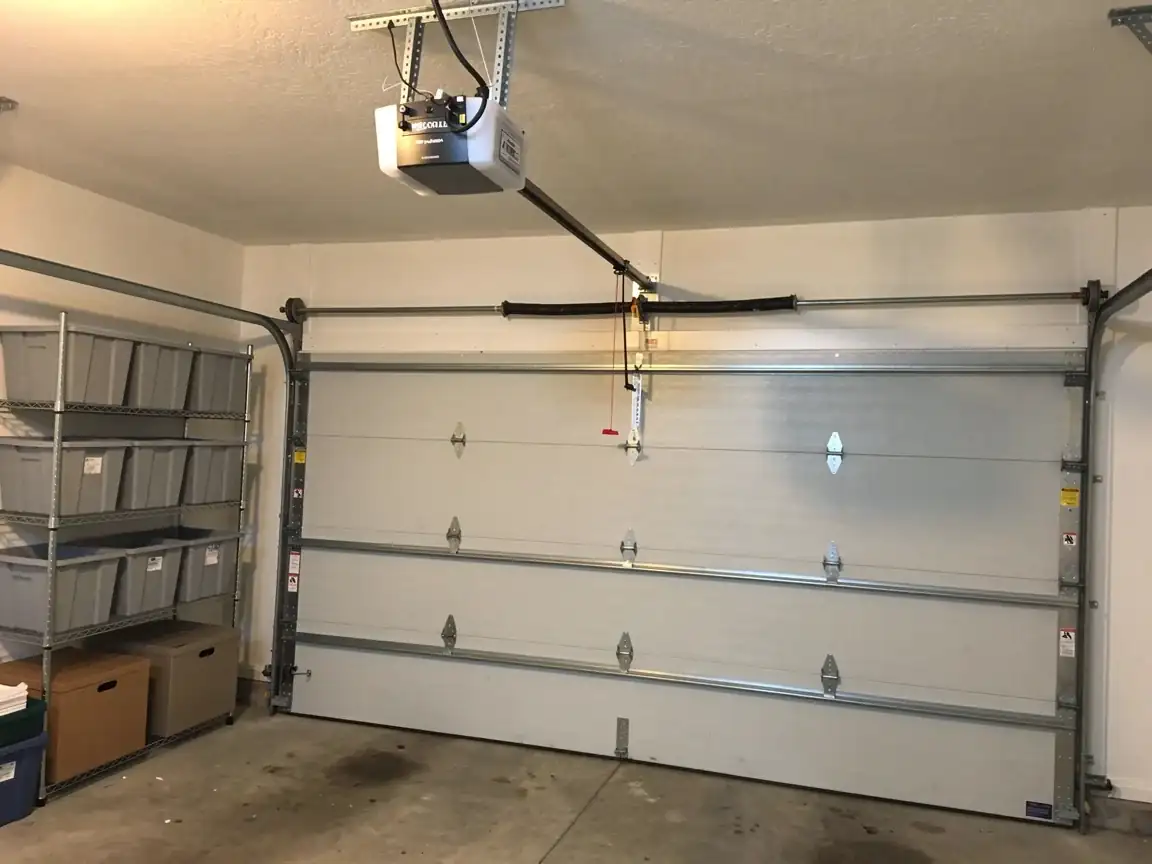
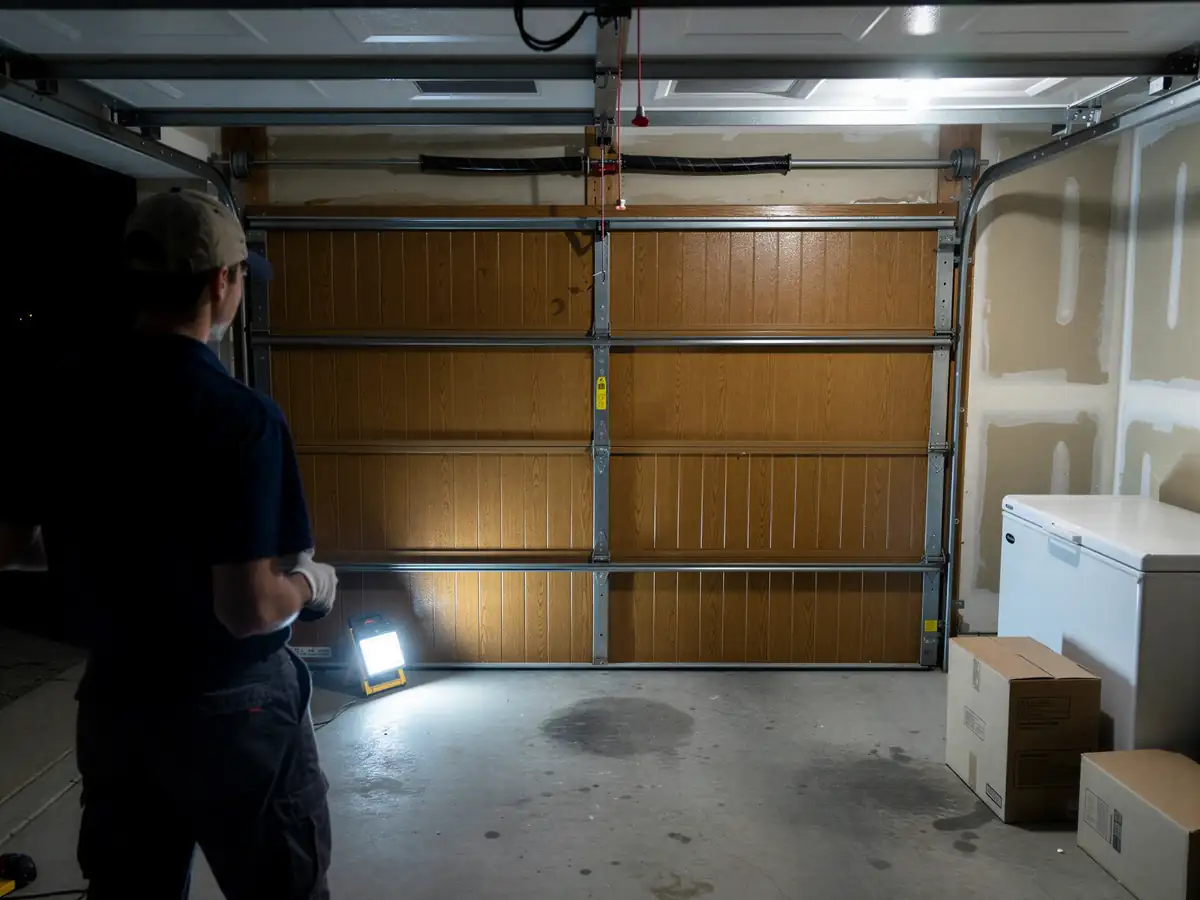
And if that house went up around 1979, the door and its hardware are older than most of what we see closer to Alpharetta. That matters because older doors here are more likely to run on extension springs stretched along the horizontal track instead of the torsion springs over the header that became standard later. Extension springs look simple, but they store enough energy to put someone in the hospital if a cable snaps while you're working under the door.
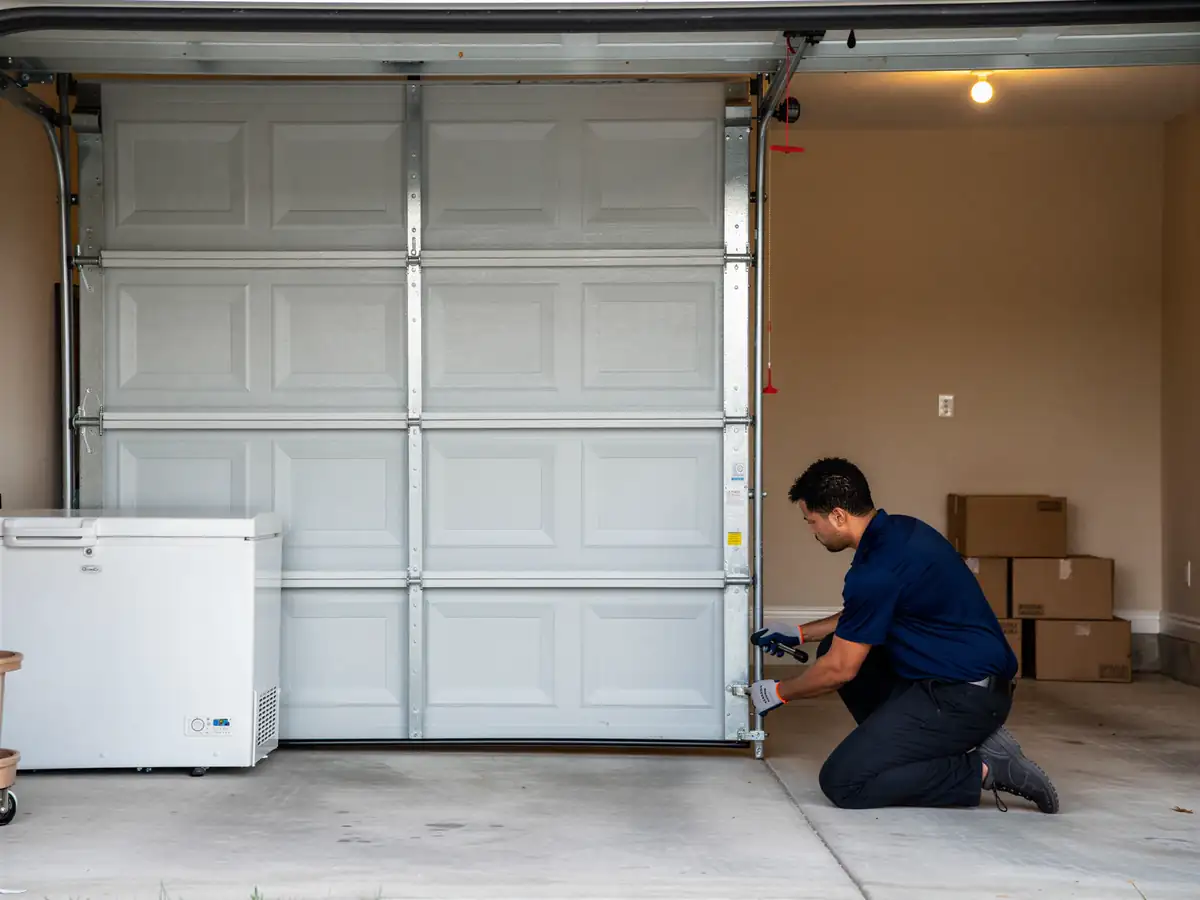
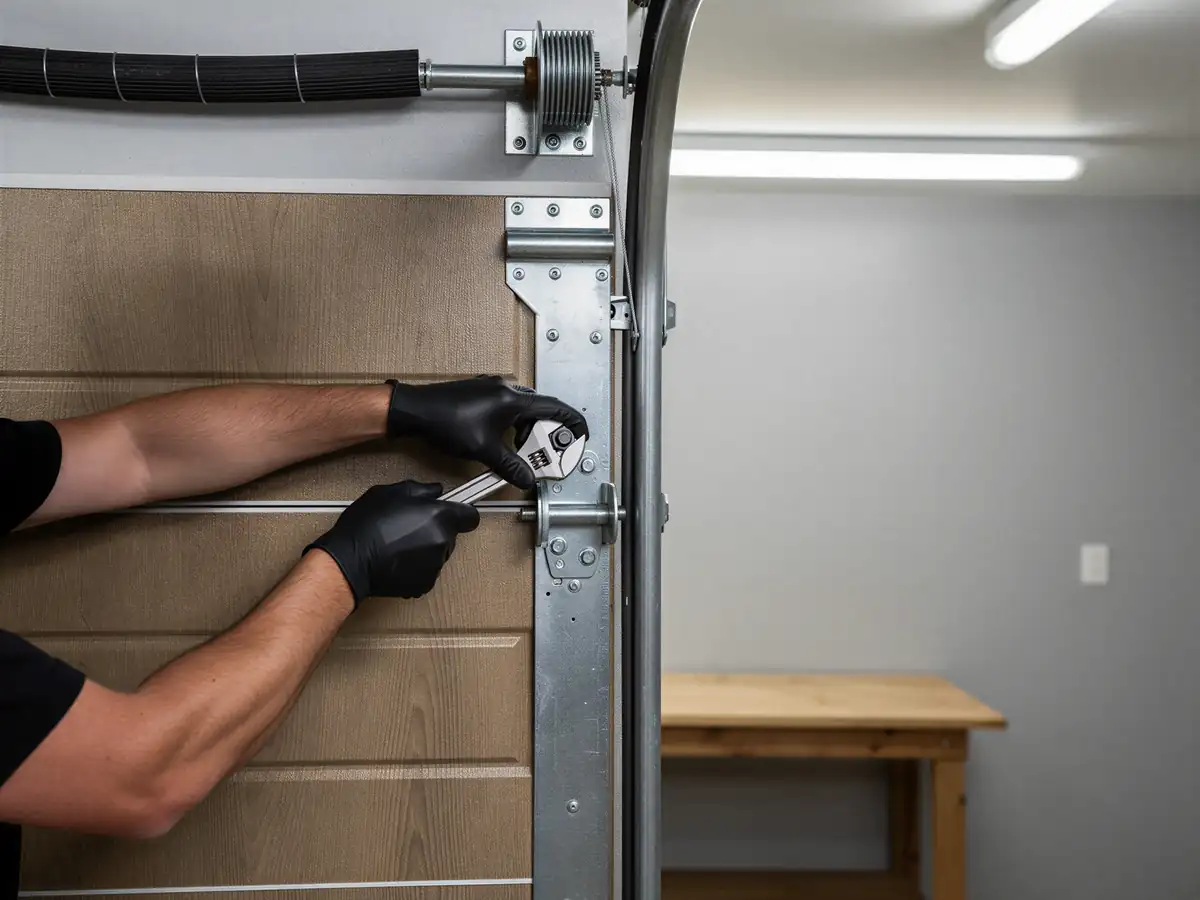
Swapping an extension spring, tightening a loose cable clamp
Or lubricating rollers on a door this age is within reach for a careful homeowner with the right tools and a helper to hold the door. What's not a DIY job: anything involving the spring under tension, bent track near the rollers, or a door that's stuck halfway because of a broken cable. On a door built to 1970s-80s specs, the galvanizing on hardware is often worn thin, and a stripped bolt or seized hinge turns a simple job into a bigger one fast. If you're not sure which kind of spring system you have, that uncertainty alone is a reason to call rather than guess.
The Symptom
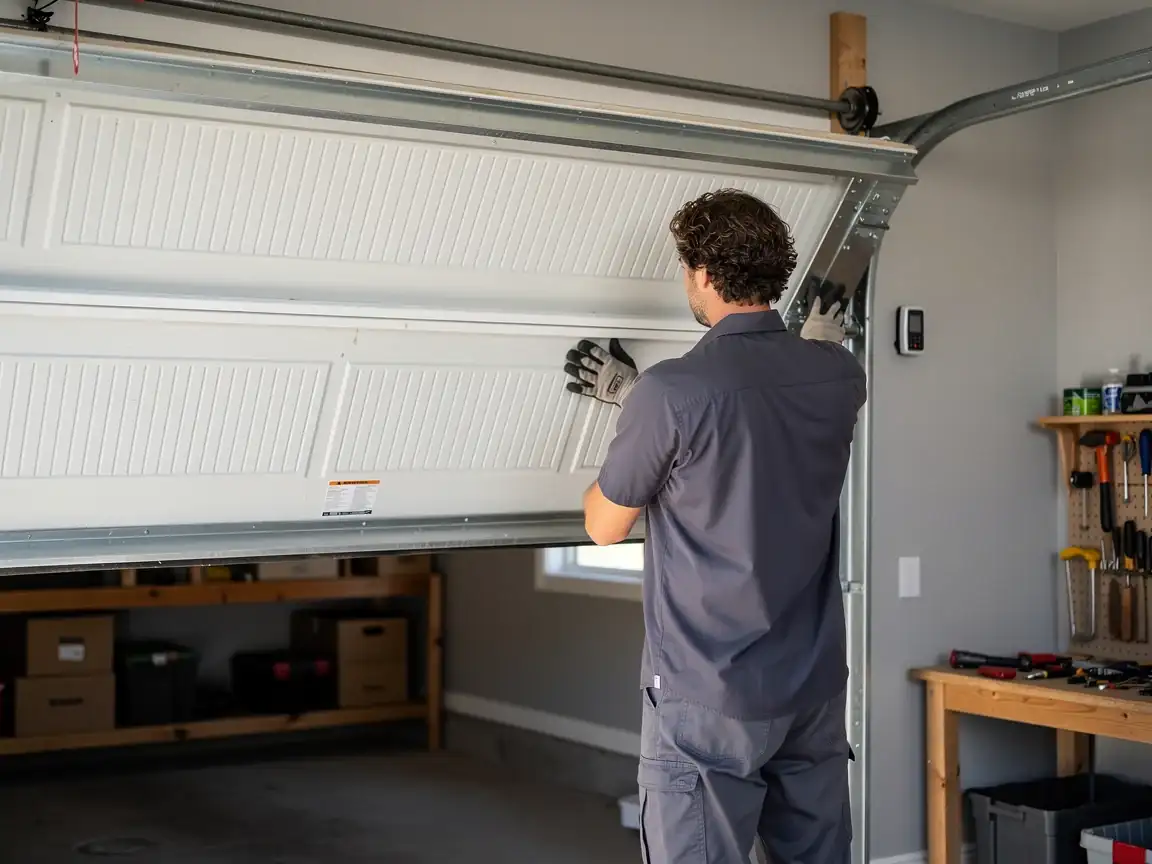
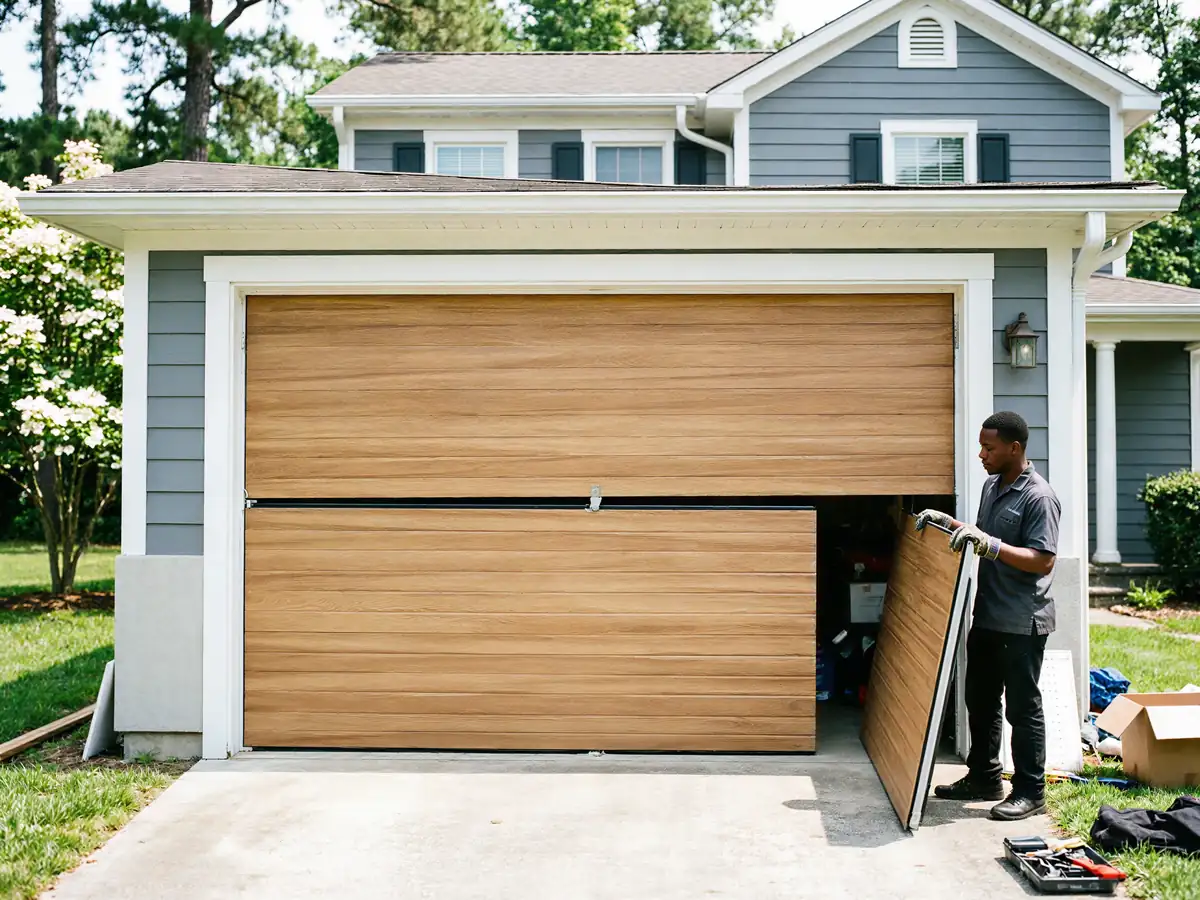
The complaint we hear most from this stretch of the service area: the door opens partway, hangs, then one side drops lower than the other and it jams in the track. On a door from the late 1970s, that's almost always a frayed or snapped extension cable on one side, not the opener. The opener keeps pulling, the door keeps trying to rise unevenly, and the track takes the abuse until it bends.
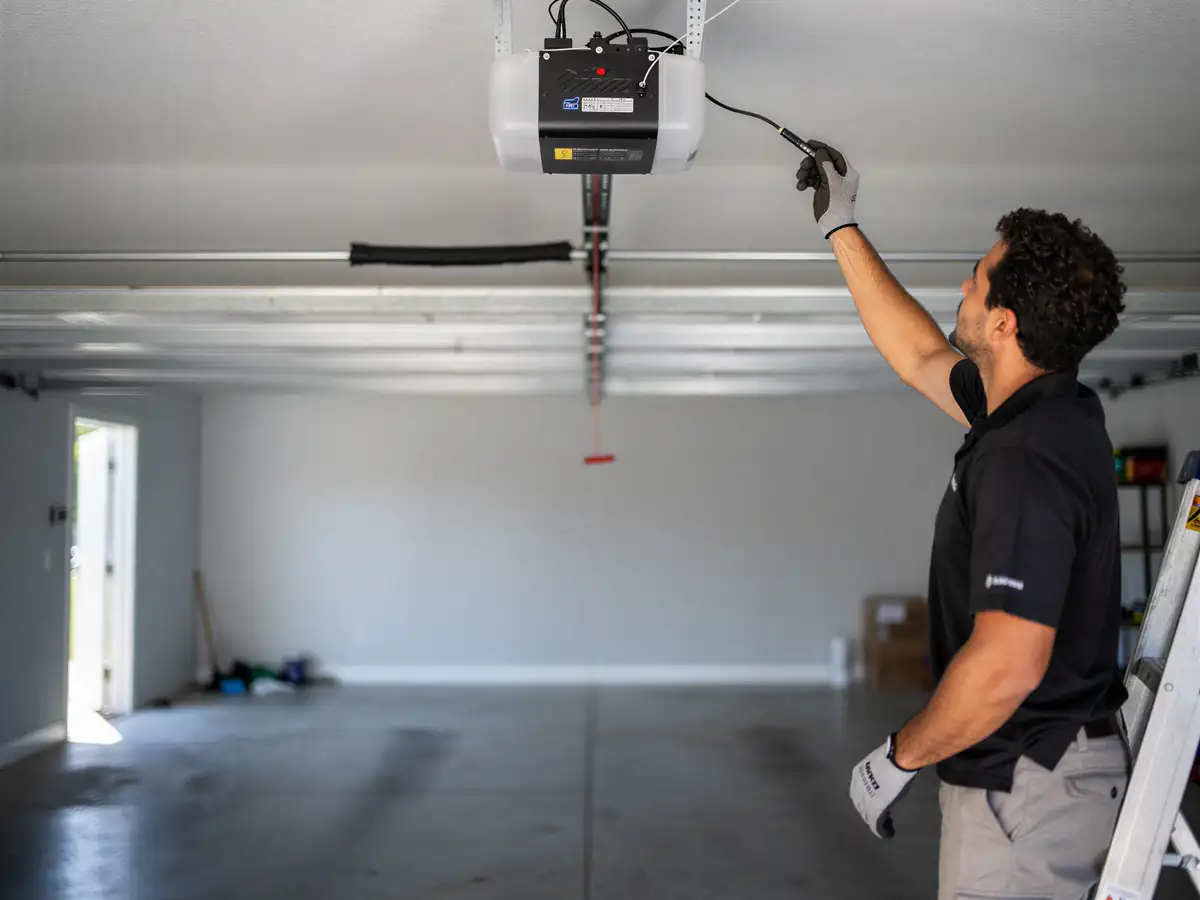
The other common call is a door that's gotten heavy to lift by hand, loud on the way down, and slow to respond to the remote. That's usually a spring that's lost tension after decades of cycling, paired with rollers that were never replaced. Houses in this part of the service area built in that late-70s window are now at the point where the original spring set has outlived its rated cycle count by a wide margin. None of this is unique to one house - it's what happens to hardware installed before 1980 that's never been swapped out.
Parts We Carry
For the extension-spring doors common on 1970s-80s construction here, we carry matching spring sets rated for the door weight, replacement safety cables that run through the spring (a lot of original installs didn't have one), and galvanized track sections sized for the older rail profile. We also stock rollers, hinges, and cable in the gauges that fit this era of hardware, since the newer standard sizes don't always match what's already on the door.
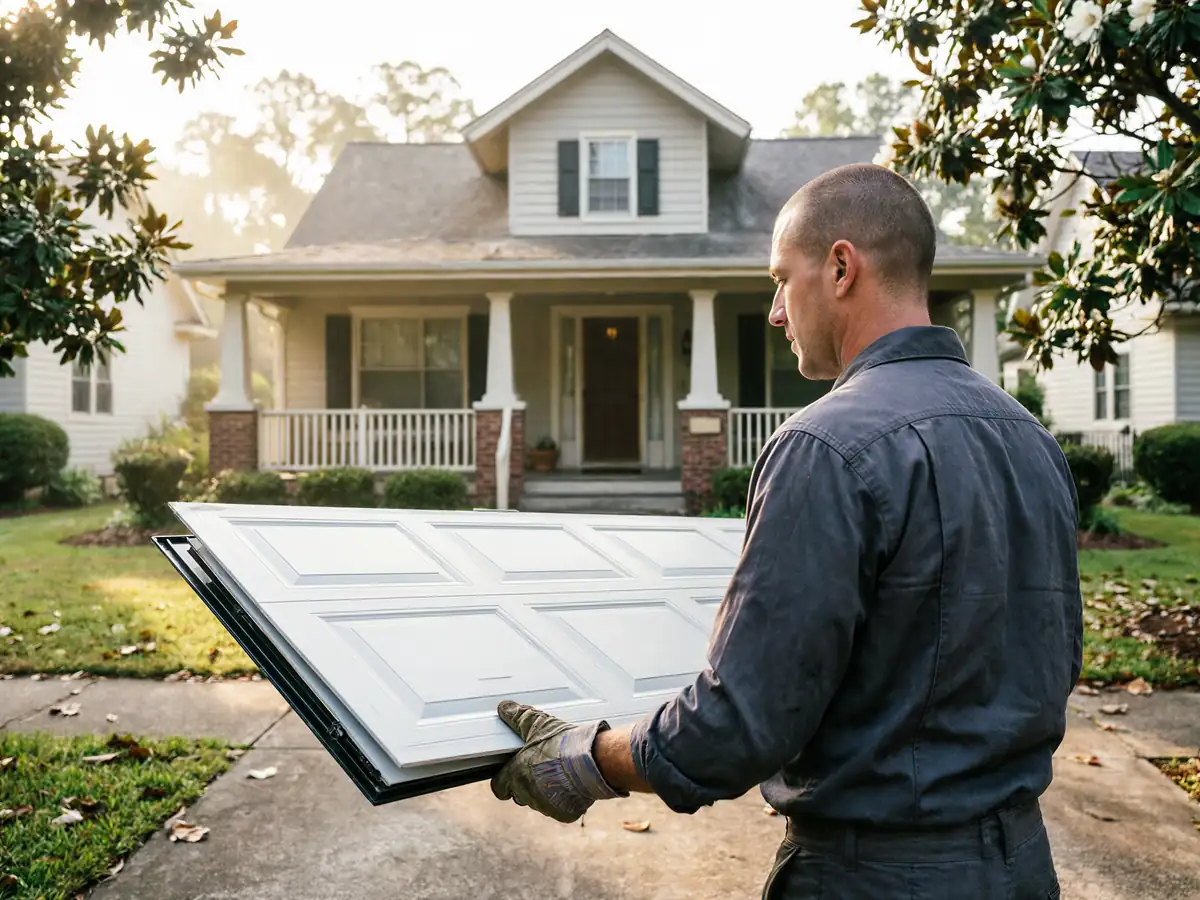
One honest limitation: if a door from this period needs a full panel replacement and the original design has been discontinued, we won't pretend to match it exactly. In that case we'll talk through a full door swap instead of chasing a part that no longer exists, because patching a mismatched panel onto an otherwise sound door usually looks worse than it did broken.